
Summer cooling costs can add up quickly, especially during hot and humid Rhode Island weather.
Your air conditioner shouldn’t force you to choose between comfort and your bank account. This guide will show you exactly how to lower your energy bills with efficient air conditioning this summer without sweating through your clothes.
The strategies below can help you identify common sources of wasted energy and use your cooling system more efficiently.
Before making changes, it helps to understand how your home’s energy use and cooling system are currently performing.
Understanding Your Current Energy Consumption

How to analyze your energy bills
Ever looked at your energy bill and felt like you’re decoding an ancient script? You’re not alone. The first step to cutting your AC costs is understanding where your money’s actually going.
Start by reviewing your bills from the past 12 months. Most utility companies break down your usage history, showing how much energy you consume each month. Pay attention to the kilowatt-hours (kWh) used, not just the dollar amount, since rates can fluctuate.
Many providers offer online portals where you can download detailed usage data. These tools often include graphs comparing your consumption to similar homes in your area – a quick way to see if you’re using more energy than necessary.
Identifying peak usage patterns
Once you’ve gathered your energy data, look for spikes in consumption. Typically, you’ll notice dramatic increases during the hottest months when your AC works overtime.
Try creating a simple chart tracking your energy use against local temperature records. This visual connection helps you spot exactly when your cooling system starts guzzling electricity.
If your electricity plan uses time-varying rates, the time of day you use electricity may affect what you pay. Check your current utility rate plan before changing when you cool your home.
Measuring your air conditioner’s efficiency
Your AC unit’s efficiency directly impacts your energy consumption. If you’re evaluating equipment efficiency, check the ratings published for your specific system rather than trying to estimate efficiency from household energy use alone.
If your system is aging, frequently needs repairs, or no longer keeps the home comfortable efficiently, it may be worth discussing repair or replacement options. Heat pumps are one option that can provide both heating and cooling.
Common energy-wasting habits
You might be sabotaging your energy efficiency without realizing it. These common mistakes drive up your cooling costs:
- Setting the thermostat lower than needed for comfort
- Leaving windows or doors open while the AC runs
- Ignoring a dirty or clogged air filter
- Neglecting annual maintenance checks
- Cooling more of the home than necessary when your system allows room-by-room or zoned control
- Running heat-generating appliances during the hottest part of the day
Addressing these habits can help reduce unnecessary cooling demand without sacrificing comfort.
Choosing the Right Air Conditioning System
Energy Efficiency Ratings Explained
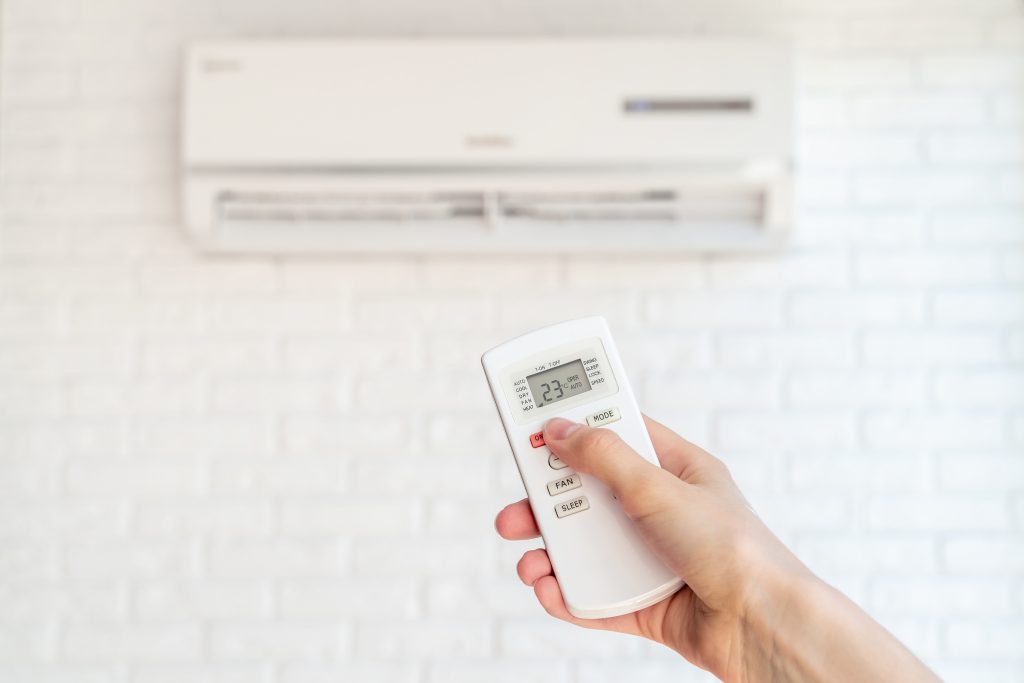
When comparing new central air-conditioning equipment, you’ll commonly see SEER2 ratings. SEER2 is the current federal seasonal cooling-efficiency metric, and a higher rating generally indicates greater seasonal efficiency under the applicable test procedure. Actual energy use still depends on system sizing, installation quality, ductwork, thermostat settings, weather, and home efficiency.
EER measures cooling efficiency under a specific test condition and can be useful when comparing certain types of cooling equipment. Actual energy savings depend on the equipment, climate, installation, and how the system is used.
Sizing Your AC System Correctly
Getting the right size AC isn’t about going bigger – it’s about precision. An oversized unit will short cycle (turn on and off frequently), wasting energy and failing to remove humidity properly. An undersized unit will run constantly, struggling to cool your home.
To properly size your system, you need a professional load calculation that considers:
- Your home’s square footage
- Ceiling height and insulation quality
- Window quantity, type, and orientation
- Local climate conditions
- Number of occupants
Proper system sizing should consider more than square footage alone.
Modern Energy-Saving Features to Consider
Modern AC systems may include features that improve control, comfort, and efficiency:
- Variable-speed compressors that adjust output instead of just turning on/off
- Two-stage cooling for better efficiency during mild weather
- Smart thermostats that learn your habits and optimize cooling schedules
- Zone control systems that cool only occupied areas
These features can improve system control and efficiency, but actual energy savings depend on the equipment, installation, home, and how the system is operated.
When to Consider Repair or Replacement
Age can be one factor in a replacement decision, but it shouldn’t be the only one. Frequent repairs, declining comfort, rising energy use, equipment condition, refrigerant type, and the cost of needed repairs can all help determine whether continued repair or replacement makes more sense.
In some cases, targeted improvements may make more sense than full system replacement. Depending on your existing equipment, options could include thermostat upgrades, ductwork improvements, or compatible zoning controls.
If you’re considering a broader system change, compare available ducted and ductless HVAC systems based on your home’s layout and cooling needs.
A qualified HVAC professional can help you compare the condition of your current system with available repair or replacement options.
Optimizing Your AC Settings for Maximum Savings

The Ideal Temperature Setting for Balancing Comfort and Cost
Finding that sweet spot on your thermostat can feel like hunting for buried treasure. There isn’t one thermostat setting that works for every household. Set the temperature as high as you can comfortably tolerate while considering humidity, health needs, pets, and your cooling system.
Test different temperatures while you’re home to find a comfortable setting that doesn’t cool the home more than necessary.
Programming Your Thermostat Strategically
A programmable or smart thermostat can help you adjust cooling based on when you’re home, asleep, or away.
Day vs. Night Settings That Save Money
Did you know your cooling needs change dramatically throughout the day? If you’re on a time-varying electricity rate, check your current rate schedule before adjusting when you use major appliances or cooling equipment.
If your rate plan has more expensive peak periods, consider:
- Adjusting thermostat settings modestly when appropriate for your comfort and system
- Closing blinds and curtains to reduce solar heat gain
- Using heat-producing appliances during cooler parts of the day when practical
Smart Thermostat Features That Reduce Consumption
Smart thermostats can make scheduling, remote control, and energy monitoring easier.
Useful features may include:
- Geofencing: Your thermostat automatically adjusts when you leave or return home based on your phone’s location
- Learning algorithms: The thermostat learns your schedule and preferences, making micro-adjustments you wouldn’t think to program
- Usage reports: See exactly when and how you’re using energy, helping you spot wasteful patterns
- Remote control: Forgot to adjust before leaving? Fix it from your phone anywhere
- Smart home integration: Connect with ceiling fans, window sensors, and other devices for coordinated cooling
Some utilities offer incentives for qualifying smart thermostats or demand-response programs. Check current Rhode Island Energy program requirements before purchasing or enrolling.
Maintenance Tips That Lower Energy Costs

Essential monthly DIY maintenance checks
Your AC system needs regular attention to run efficiently. During the cooling season, keep an eye on basic homeowner maintenance items such as:
- Inspect or replace accessible air filters according to the equipment or filter manufacturer’s recommendations. A clogged filter can restrict airflow and affect system performance.
- Keep leaves, grass, and other debris away from outdoor equipment according to manufacturer clearance recommendations.
- Review thermostat schedules and settings so you’re not cooling the home more than necessary.
- Keep vents and registers unobstructed so air can move through the system as designed.
- Pay attention to your system’s operation. Listen for unusual noises and note changes in airflow or cooling performance. Early attention can help prevent minor issues from worsening.
Seasonal maintenance tasks that improve efficiency
As seasons change, your AC needs deeper attention:
Spring Tasks (Before Summer)
Before peak cooling season, visually inspect accessible equipment, keep the outdoor unit clear of debris, and note any damaged insulation, unusual noises, airflow issues, or other problems that may need professional attention.
Fall Tasks (After Summer)
At the end of the cooling season, continue following manufacturer maintenance recommendations and address any performance problems you noticed before the next cooling season.
Professional servicing: what to request and when
Schedule professional maintenance according to your equipment manufacturer’s recommendations. A technician can inspect appropriate electrical, refrigerant, airflow, drainage, coil, and other system components and identify developing problems.
Warning signs of inefficient operation
Your AC sends clear signals when it’s struggling. Watch for:
- Unexplained increases in energy use or cooling costs
- Rooms cooling unevenly or taking longer to reach desired temperature
- System running constantly without cycling off
- Unusual noises: grinding, squealing, or rattling
- Reduced airflow from vents or warmer air than expected
- Ice formation on refrigerant lines
- Frequent on/off cycling (short-cycling)
- Excess humidity in your home
If you notice these warning signs, schedule an inspection before the problem worsens or leads to a loss of cooling.
Track your energy bills month-to-month to spot efficiency trends before major problems develop.
Simple Home Modifications That Enhance AC Efficiency
Improving insulation for better temperature retention
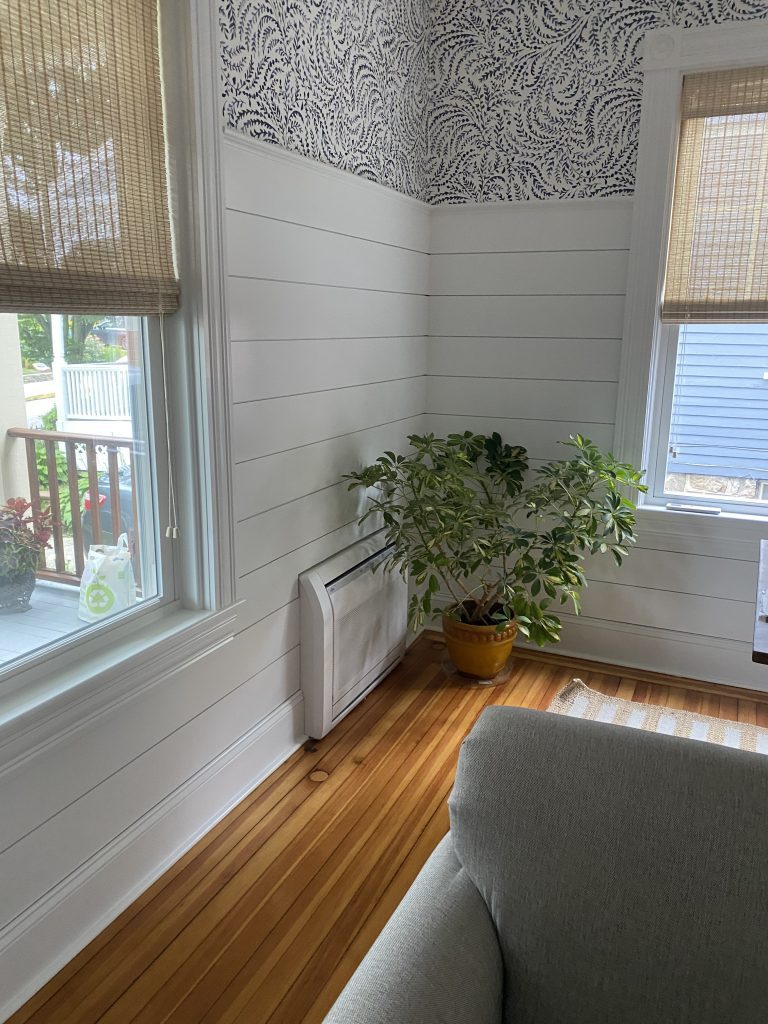
Ever notice how some rooms in your house feel like an oven while your AC is blasting? Poor insulation or air leakage may be contributing factors. Improving insulation in areas such as attics, walls, and crawl spaces can help reduce unwanted heat transfer.
Attics, walls, windows, doors, and other openings can contribute to unwanted heat gain or conditioned-air loss. Appropriate insulation, weatherstripping, and air sealing can help your home maintain indoor temperatures more effectively.
Strategic window treatments that reduce heat gain
Windows can contribute significantly to solar heat gain during summer. Window shades, blinds, curtains, and suitable window films can help reduce solar heat gain, particularly on windows that receive strong direct sunlight.
Cellular (honeycomb) shades trap air in their pockets, creating an insulation barrier right at your window. Reflective blinds bounce solar heat away before it can warm your rooms. For a budget-friendly option, thermal curtains work wonders—just make sure they’re closed during the sunniest parts of the day.
Window films may also help reduce solar heat gain while preserving natural light, depending on the product and window type.
Ceiling fans as AC support systems
Ceiling and portable fans can improve comfort by moving air across occupants. Because fans cool people rather than the room itself, turn them off when the space is unoccupied.
For ceiling fans, use the direction recommended by the manufacturer for summer operation. The airflow can improve comfort, which may allow you to rely less on mechanical cooling.
Creating cooling zones in your home
If different areas of your home have very different cooling needs, ask an HVAC professional whether zoning, duct adjustments, ductless equipment, or another system-specific solution is appropriate.
Landscaping techniques that naturally cool your home
Shade from trees, exterior shading, and reflective building materials can help reduce solar heat gain. Landscaping and exterior improvements should be chosen based on your property, climate, maintenance needs, and building design.
Behavioral Changes That Slash Cooling Costs
Adjusting your daily routines to minimize AC usage
Summer’s scorching heat doesn’t have to equal sky-high energy bills. A few changes to daily routines can also reduce unnecessary cooling demand.
Start by rethinking your morning habits. When outdoor conditions are cooler and humidity is comfortable, natural ventilation may help reduce the need for mechanical cooling. Close windows when the AC is operating.
When practical, schedule heat-producing activities such as cooking, baking, and laundry during cooler parts of the day to reduce additional indoor heat.
Use thermostat settings that balance comfort and energy use, and reduce unnecessary cooling while the home is unoccupied when appropriate for your system.
Alternative cooling methods for mild days
On milder days, fans and natural ventilation may reduce the need for air conditioning.
Cross-ventilation can help during cooler mornings and evenings when outdoor humidity and air quality are appropriate.
Managing heat-generating appliances strategically
Heat-producing appliances can add to indoor cooling demand. Turn off or unplug electronics and other equipment that don’t need to remain powered when practical.
Run dishwashers and washing machines when practical during cooler parts of the day or lower-cost periods if your rate plan varies by time. The heat and humidity generated by these appliances can add to indoor cooling demand. Line-drying clothes outdoors, when practical, can also avoid adding dryer heat indoors.
Family habits that support energy conservation
Consistent household habits can help reduce unnecessary cooling demand. Keep exterior doors and windows closed while the AC is operating. Use fans for personal comfort when appropriate before lowering the thermostat further. If only one area of the home needs cooling, consider whether room-specific cooling or a properly designed zoning solution makes sense for your home.
Rhode Island Energy Financing Programs

Financing Options for Energy-Efficient Upgrades
Some Rhode Island homeowners may qualify for financing through current energy-efficiency programs. Rhode Island Energy offers financing options for certain eligible improvements, with requirements that vary by project, equipment, existing heating system, and program.
If you’re considering new HVAC equipment, check current Rhode Island Energy financing requirements before beginning the project. Some programs require a home energy assessment, qualifying equipment, participating contractors, and approval through a participating lender.
Financing programs, eligibility requirements, and available funding can change, so confirm current terms directly with the program before making a purchase decision.

As summer temperatures continue to rise, taking control of your energy consumption doesn’t have to mean sacrificing comfort. By understanding your current energy usage patterns and selecting an appropriately sized, energy-efficient AC system, you can identify practical ways to reduce unnecessary cooling demand and help your system operate more effectively.
Don’t overlook the power of small behavioral changes either – from using ceiling fans to adjusting your cooking habits during peak heat hours. And before undertaking any efficiency upgrades, be sure to research current financing options, incentives, and utility programs that may help with eligible efficiency upgrades. Not every strategy will have the same effect in every home, so focus on changes that fit your equipment, comfort needs, and household routines.
Concerned About Your AC’s Energy Use?
Contact UG Nasons to schedule air conditioning service or discuss cooling-system options for your Rhode Island home.