

If you are considering a new central air conditioning system, you may be wondering what happens between the initial HVAC appointment and having a working cooling system.
Every home and installation is different. Existing equipment, ductwork, electrical requirements, and the home’s cooling needs can all affect the work involved.
Still, most central AC projects follow a general process from evaluation through final system testing.

Step 1: Evaluating Your Home and Existing HVAC System
A central air installation should begin with an evaluation rather than simply choosing equipment based on the system that is already there.
The HVAC contractor needs to understand the home’s cooling needs and the existing heating and cooling setup. When ductwork is already present, its condition and suitability also matter.
If you are replacing an existing air conditioner, the contractor can inspect the current equipment and determine what portions of the system need to be replaced or modified.
This is also the time to discuss comfort concerns. Rooms that are consistently warmer than others, airflow problems, or other issues with the previous system are worth mentioning before new equipment is selected.
Step 2: Selecting an Appropriate AC System
Air conditioners are available in different capacities, configurations, and efficiency levels.
Bigger is not automatically better. The equipment should be selected for the home’s cooling requirements and the HVAC system it will work with.
The contractor may also need to consider factors such as:
- Existing ductwork
- Indoor and outdoor equipment locations
- Electrical requirements
- Thermostat and control compatibility
- Home layout and comfort needs
The appropriate solution depends on the individual home rather than a single system being right for everyone.
Step 3: Preparing for Installation
Once the equipment and installation plan are established, the work areas need to be accessible.
For a replacement project, existing AC equipment may need to be removed before the new system can be installed. The amount of preparation depends on the home and whether modifications are needed to accommodate the new equipment.
Homeowners can help by keeping access to indoor and outdoor work areas clear.
Your HVAC contractor should explain any project-specific preparation before installation begins.
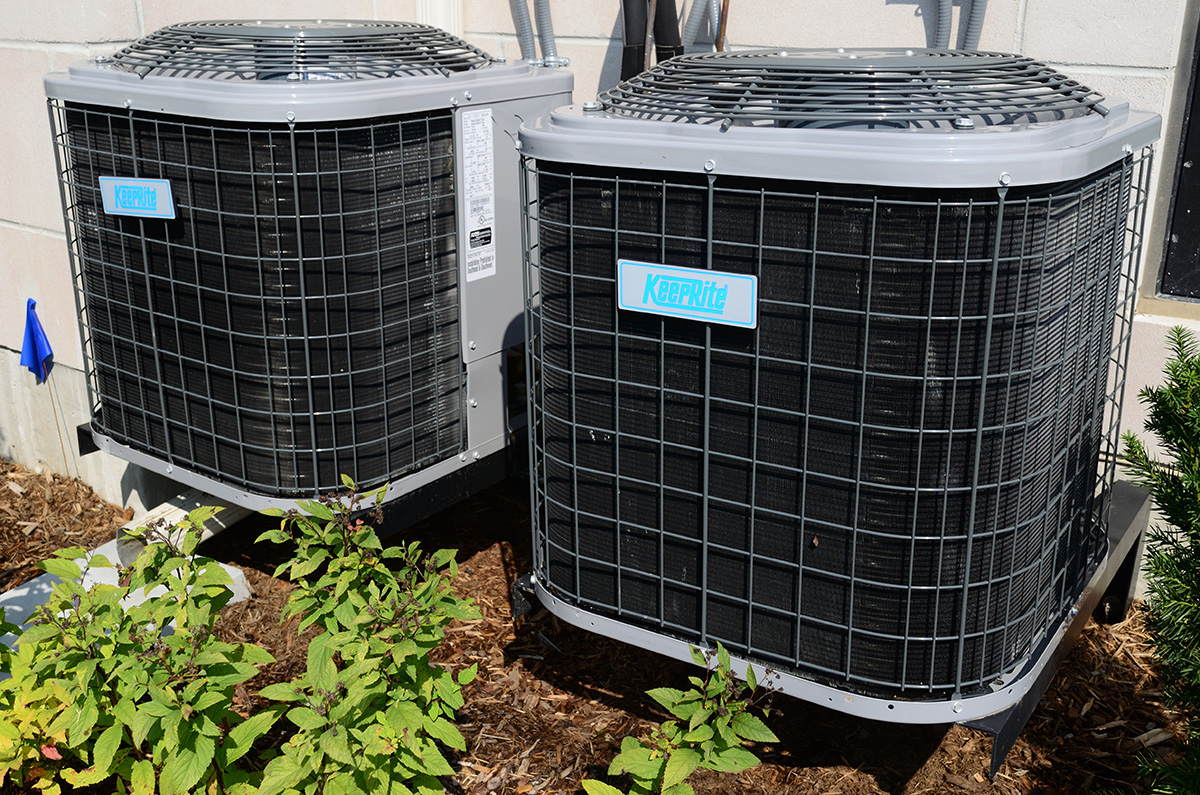
Step 4: Installing the New Air Conditioning Equipment
A central AC system generally includes both indoor and outdoor components that work together.
Depending on the home and project, installation can involve the outdoor unit, indoor coil or related indoor equipment, refrigerant lines, condensate drainage, electrical connections, thermostat or controls, and connections to the duct system.
Existing ductwork or other components may also require attention when conditions call for it.
Because installation requirements vary, avoid relying on a generic checklist to determine exactly what your home will need.
Step 5: Starting and Testing the System
Installation is not finished simply because the equipment has been placed and connected.
The system needs to be started and checked for proper operation. Depending on the equipment and installation, the technician may verify items such as airflow, controls, operating conditions, and other system-specific requirements.
This final stage helps confirm that the installed equipment is operating as intended before the job is considered complete.
What Should You Ask Before a Central AC Installation?
Before work begins, consider asking:
- What type of system is being recommended for my home?
- How was the appropriate system capacity determined?
- Will my existing ductwork need attention?
- Are electrical or control changes required?
- What equipment is being replaced or retained?
- What maintenance will the new system require?
- What should I expect before and during installation?
Clear answers can help you understand the scope of the project before work starts.
Central AC Installation From UG Nasons
Whether you are replacing existing cooling equipment or considering a central AC system for your home, the first step is evaluating the property and determining what the installation requires.
UG Nasons provides residential air conditioning services throughout Newport County, Washington County, Bristol County, East Greenwich, and West Greenwich.
For homeowners in Portsmouth, learn more about air conditioning installation in Portsmouth, RI.
You can also contact UG Nasons to schedule an evaluation and discuss the cooling options appropriate for your home.