

Is it just me, or does your home feel like a sauna one minute and an icebox the next? As a Narragansett homeowner, you know our Rhode Island weather demands reliable cooling solutions that won’t break the bank when those electric bills arrive.
I’m about to save you weeks of research on air conditioning installation options that actually make sense for our coastal climate.
Whether you’re building new, renovating, or finally upgrading that ancient window unit, you’re facing the central air vs. mini split decision. And honestly? It’s not as straightforward as those HVAC companies make it sound.
By the time you finish reading, you’ll know exactly which system gives you the best comfort-to-cost ratio for your specific Narragansett home. But first, let me show you the costly mistake that 70% of my clients almost made before our consultation.
Understanding Air Conditioning Options for Narragansett’s Climate

How Narragansett’s coastal weather affects AC needs
Living in Narragansett means you’re dealing with a unique coastal climate that directly impacts your cooling needs. The salty sea air can be tough on outdoor AC units, potentially shortening their lifespan if you choose equipment that’s not designed for coastal environments. During summer months, you’ll face humidity levels that often exceed 70% – making your home feel much warmer than the actual temperature suggests.
Your proximity to the ocean creates another interesting challenge: temperature fluctuations. You might experience cool ocean breezes in the morning and evening, but suffer through muggy, hot afternoons. This means your ideal AC system needs to be responsive and able to adjust quickly to these daily swings.
Key factors to consider before installation
Before you jump into an AC installation, take stock of your home’s specific situation:
- Home age and insulation quality: Older Narragansett homes might lack proper insulation, requiring a more powerful system
- Room layout and square footage: Irregular floor plans common in coastal homes might benefit from zoned cooling options
- Existing ductwork: If your home already has ducts, central air might be more cost-effective; without ducts, mini splits could save you thousands
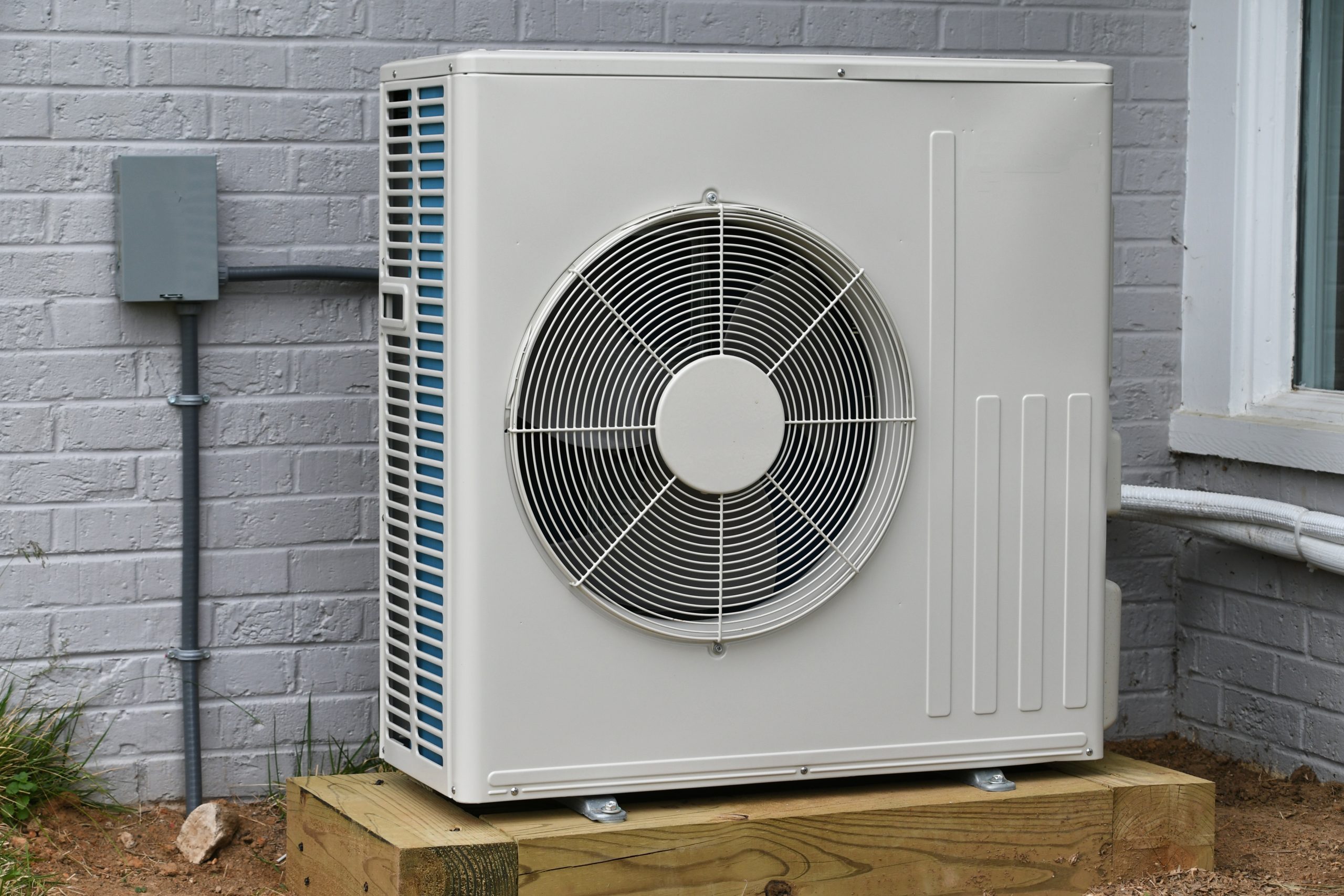
- Outdoor space limitations: Central AC condensers need adequate clearance and protection from salt air
- Budget considerations: Factor in not just installation costs but also long-term energy expenses
Energy efficiency ratings explained
When shopping for your AC system, you’ll encounter several efficiency ratings that directly impact your long-term costs:
- SEER (Seasonal Energy Efficiency Ratio): Higher numbers mean better efficiency. For Narragansett homes, look for at least 16 SEER to balance upfront costs with energy savings.
- EER (Energy Efficiency Ratio): This measures performance at peak temperatures – important for those few scorching summer days you’ll face.
- HSPF (Heating Seasonal Performance Factor): If you’re considering a heat pump system, this rating matters for winter performance.
A system with higher ratings might cost more upfront but can slash your energy bills by 20-30% over its lifetime – a significant saving in Rhode Island where electricity rates exceed the national average.
Seasonal considerations for Rhode Island homeowners
Your cooling needs in Narragansett follow a distinctive seasonal pattern:
- Spring (April-May): Mild temperatures mean minimal AC use, but this is the ideal time for installation before summer demand spikes
- Summer (June-August): High humidity demands efficient moisture removal – look for systems with variable-speed blowers
- Fall (September-October): Occasional hot days call for flexible systems that can handle inconsistent use
- Winter maintenance: Protect outdoor units from snow and salt spray with proper covers
Remember that Narragansett’s relatively short but intense cooling season affects your return on investment calculations. A system that can provide both heating and cooling (like a heat pump) might make more financial sense for your home, spreading the investment across year-round comfort.
Central Air Conditioning Systems Explained
How Central Air Works in Traditional New England Homes
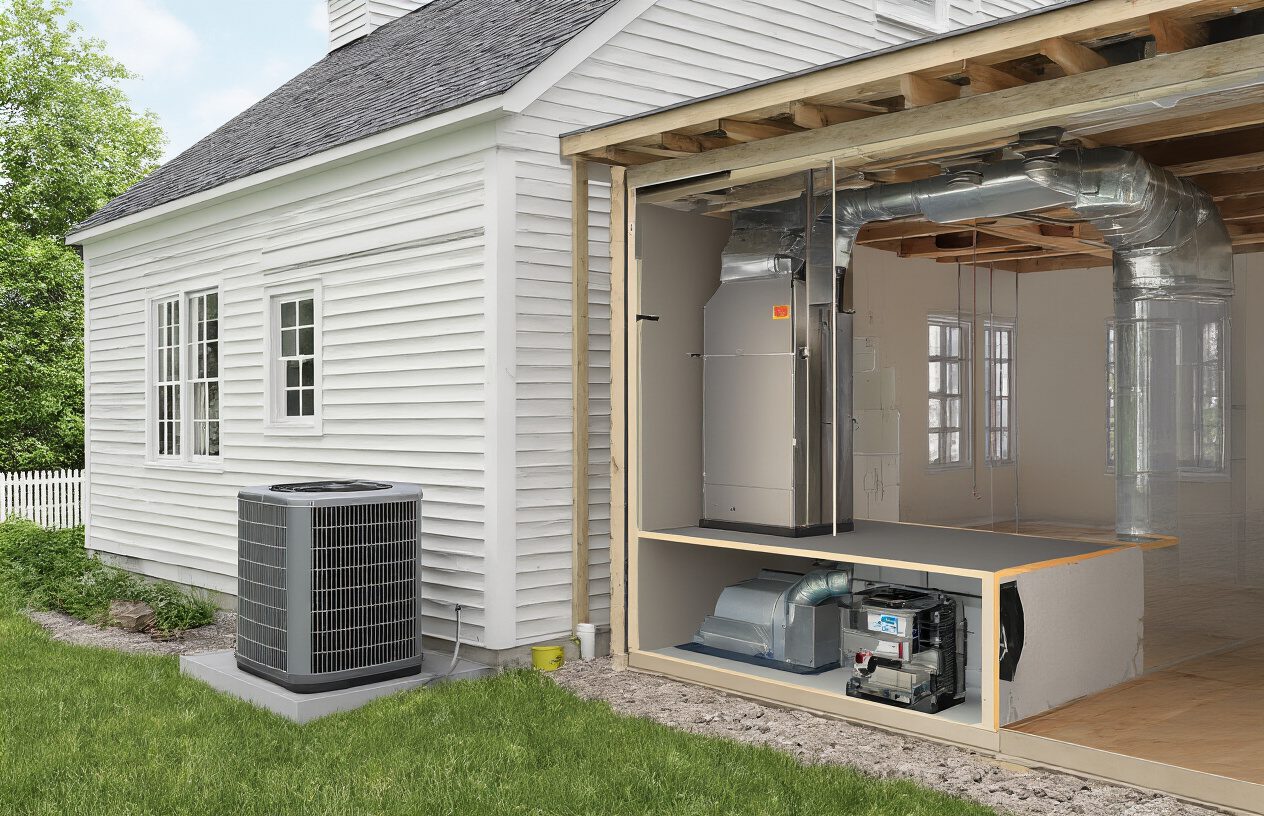
When you own a classic New England home in Narragansett, understanding how central air functions makes a huge difference in your comfort. Central air conditioning systems work by pulling warm air from your home through return ducts. This air passes over cold evaporator coils, which absorb the heat and humidity. The now-cooled air gets pushed back through your home via supply ducts and registers.
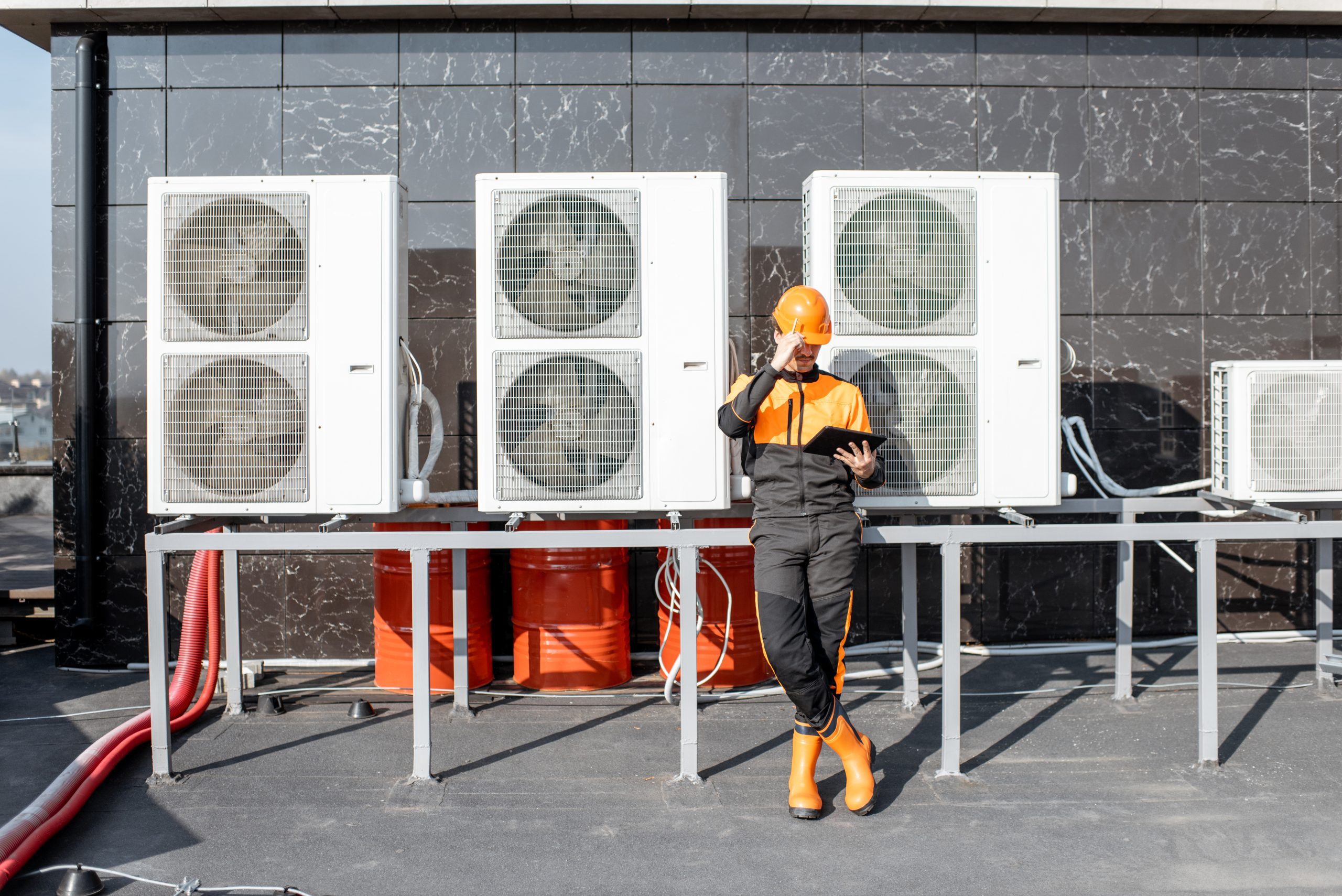
In your traditional New England home, the air handler typically connects to your existing furnace, sharing the same ductwork that distributes heat in winter. The outdoor unit (condenser) releases the collected heat outside, completing the cycle.
What makes central air perfect for many Narragansett homes is its whole-house approach. Unlike room-specific solutions, central air maintains consistent temperatures throughout your entire living space – a blessing during those muggy coastal summer days.
Costs and Installation Timelines
Installing central air in your Narragansett home isn’t a small investment, but it’s one that pays off in comfort and property value.
Typical costs for central air installation in Narragansett homes:
| Home Size | Average Cost Range | Common System Size |
|---|---|---|
| Small (under 1,500 sq ft) | $4,000-$7,000 | 2-2.5 ton |
| Medium (1,500-2,500 sq ft) | $6,000-$12,000 | 3-3.5 ton |
| Large (over 2,500 sq ft) | $10,000-$15,000+ | 4-5 ton |
These prices reflect complete installations, but your costs could increase if you need new ductwork or electrical upgrades.
As for timing, expect the process to take 2-5 days for a standard installation. The breakdown usually looks like:
- Initial assessment: 1-2 hours
- Installation prep: 1 day
- System installation: 1-3 days
- Testing and cleanup: Half day
Plan your installation for spring to avoid the summer rush when you’ll face longer wait times and potentially higher prices.
Ductwork Considerations for Older Narragansett Homes
Your charming older Narragansett home presents unique challenges for central air installation. Many historic New England homes weren’t designed with ductwork in mind, which means you might need creative solutions.
If your home already has forced-air heating, you’re in luck – existing ducts can often be used for your new AC system with minimal modifications. However, most older homes need either:
- Retrofitted ductwork – which requires opening walls and ceilings
- High-velocity mini-duct systems – using smaller, flexible ducts that fit into tight spaces
The reality of retrofitting ductwork in your older home? It’s invasive and expensive, often adding $3,000-$10,000 to your project. Historic preservation concerns add another layer of complexity – you’ll need to balance modern comfort with maintaining your home’s character.
Before committing, have a Narragansett HVAC professional evaluate your home’s structure. Sometimes the ductwork challenges make ductless mini-splits a more practical alternative, especially for homes with plaster walls or limited attic/basement space.
Maintenance Requirements and Longevity
Your central air system isn’t a set-it-and-forget-it appliance. Proper maintenance extends its life and keeps it running efficiently in your coastal Narragansett home.
Count on performing these maintenance tasks to protect your investment:
- Monthly: Change or clean air filters (more often if you have pets or allergies)
- Seasonally: Clear debris from the outdoor unit and check for proper drainage
- Annually: Schedule professional maintenance to clean coils, check refrigerant levels, and inspect electrical components
The salt air in Narragansett can accelerate corrosion on outdoor units, so you’ll want to be extra vigilant about rinsing salt residue from the condenser during the summer months.
With proper care, your central air system should last 12-15 years. When you keep up with maintenance, you’ll avoid costly repairs and extend that lifespan. Skip the maintenance, and you might find yourself shopping for a replacement much sooner – potentially cutting 5+ years off your system’s life.
Energy Consumption and Utility Bills
The summer electricity bill – that moment of truth when you see exactly what comfort costs. Central air systems typically use more energy than ductless alternatives, but there are ways to keep those costs manageable.
In Narragansett’s climate, your central air system might account for 30-50% of your summer electric bill. For a 2,000 square foot home, expect to pay roughly $100-$250 monthly during cooling season.
You can significantly reduce these costs by:
- Upgrading to a high-efficiency system (look for SEER ratings of 16+)
- Installing a programmable or smart thermostat
- Properly insulating and sealing your home
- Using ceiling fans to supplement cooling
The efficiency difference is substantial: upgrading from an old 10 SEER system to a modern 18 SEER unit could cut your cooling costs by up to 40%.
Remember that Narragansett’s coastal location means you’ll deal with humidity, which makes your system work harder. Investing in a unit with good humidity control features will improve both comfort and efficiency – you’ll be able to set the thermostat higher while still feeling comfortable.
Mini Split Systems: The Modern Alternative
How ductless systems function
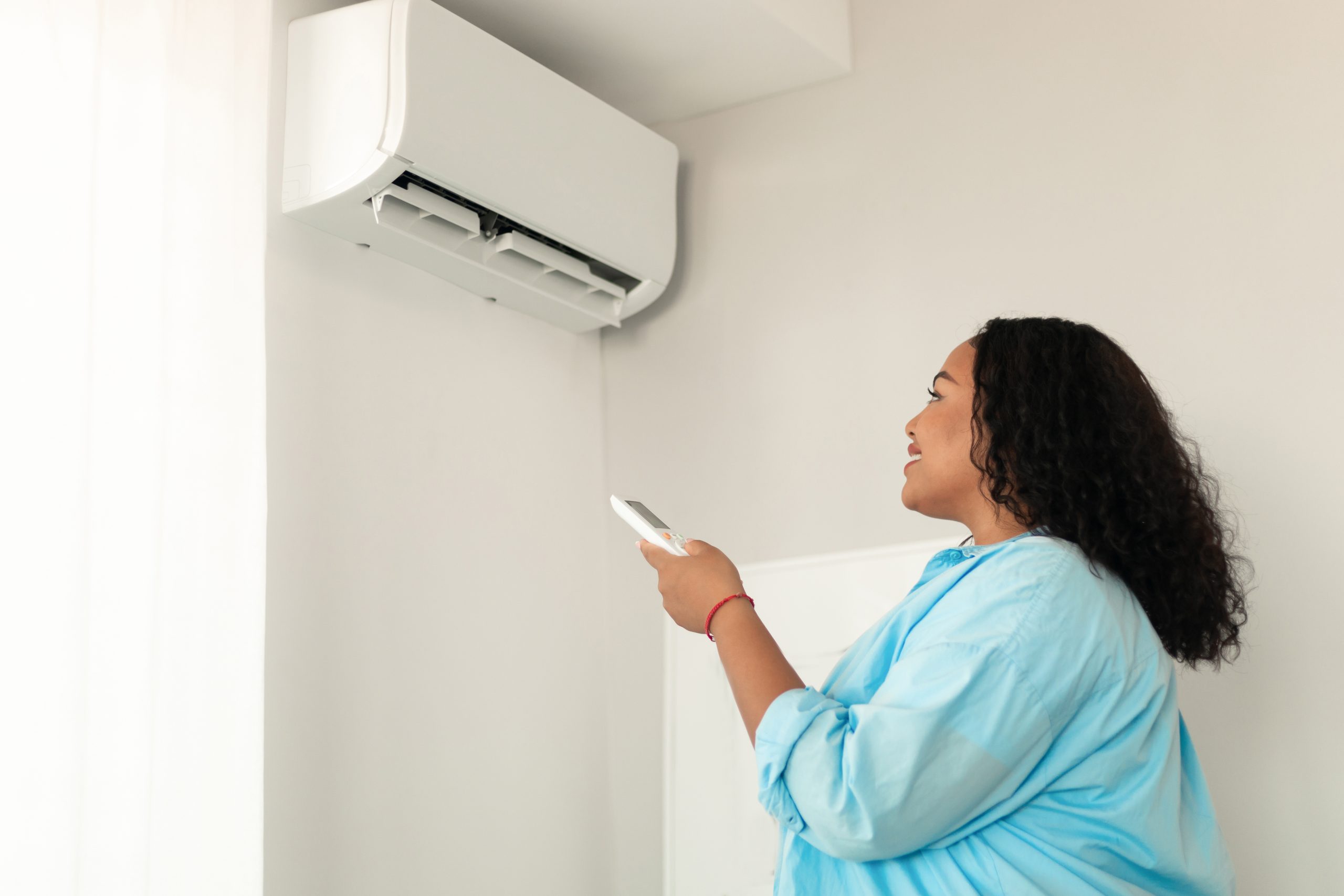
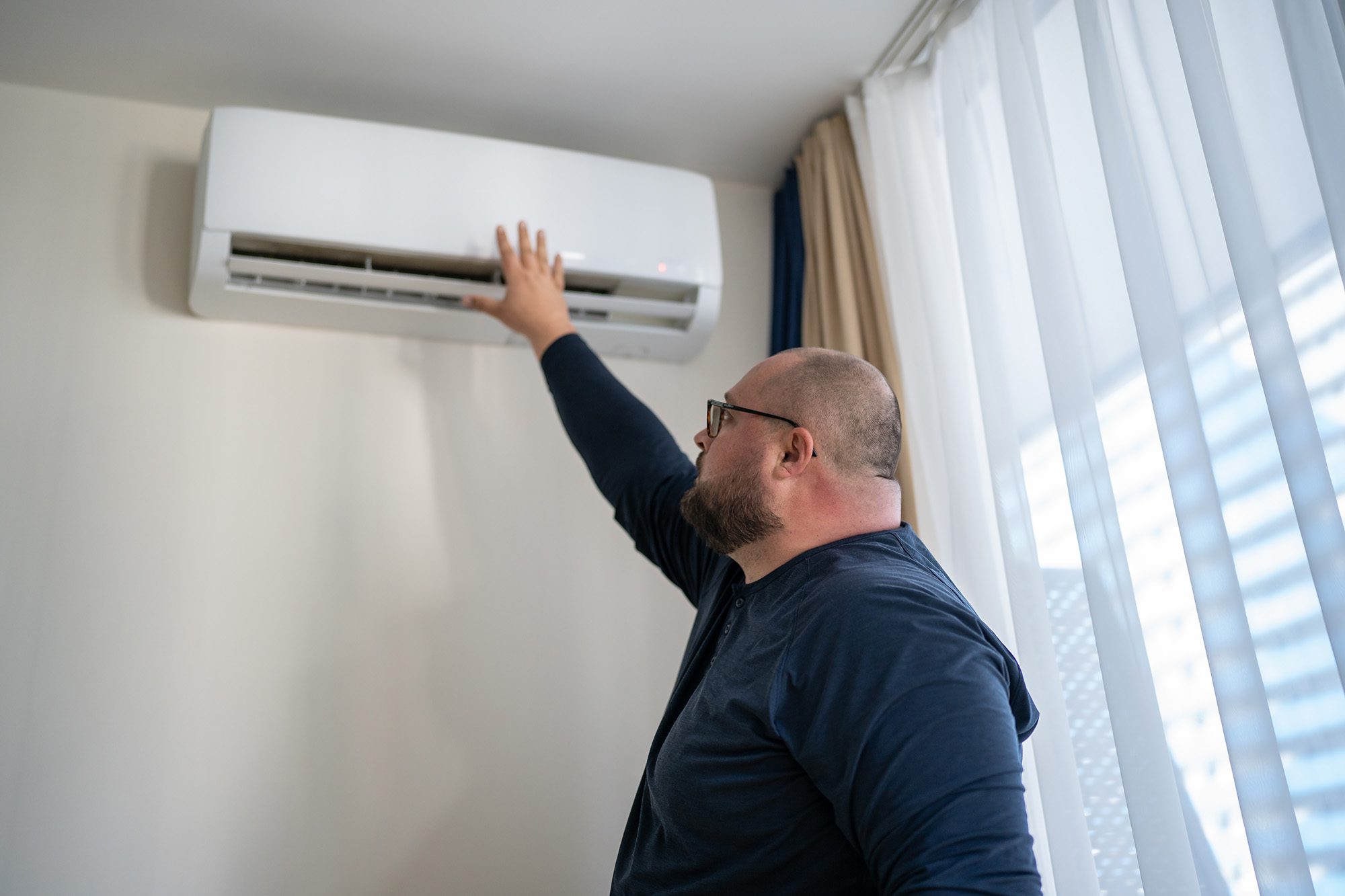
Ever wondered how those sleek wall units cool your home without bulky ductwork? Mini split systems work by connecting indoor air handlers directly to an outdoor compressor through a small conduit. This conduit houses the power cable, refrigerant tubing, suction tubing, and a condensate drain.
Unlike central air that pushes cold air through extensive ductwork (losing energy along the way), mini splits deliver cooling directly to the rooms where the air handlers are installed. No ducts means no energy loss – you’re getting what you pay for with every BTU.
Each indoor unit contains a blower and an evaporator coil. When you adjust the temperature, the refrigerant absorbs heat from your room and transfers it outside. It’s simple, efficient, and happens without all the construction headaches of traditional systems.
Multi-zone capabilities for custom comfort
Gone are the days of family thermostat battles! With mini splits, you can create personalized comfort zones throughout your Narragansett home.
A single outdoor unit can connect to up to eight indoor air handlers, each with its own thermostat. This means your teenager can keep their bedroom cool as a cucumber while you maintain a more moderate temperature in the living room.
This zoning capability is particularly valuable in:
- Homes with multiple levels
- Spaces with varying sun exposure
- Areas with different usage patterns
- Additions or renovated spaces
You’ll save significant energy by cooling only the spaces you’re using instead of your entire house. Many Narragansett homeowners report savings of 30-40% on cooling costs after switching to multi-zone mini splits.
Installation process and timeline
Worried about your home being torn apart for weeks? Breathe easy. Mini split installation is surprisingly quick and minimally invasive.
The typical installation timeline looks something like this:
| Installation Phase | Timeframe | What’s Happening |
|---|---|---|
| Initial assessment | 1-2 hours | System sizing and placement planning |
| Mounting indoor units | 1-2 hours per unit | Securing brackets, drilling small access holes |
| Installing outdoor unit | 2-3 hours | Setting on pad or wall-mount, connecting refrigerant lines |
| Electrical work | 2-4 hours | Connecting to your electrical panel |
| System testing | 1 hour | Ensuring everything works properly |
For most Narragansett homes, the entire process takes just 1-2 days compared to the week or more required for central air installation. And the mess? Minimal. You’ll need just a 3-inch hole in the wall for each indoor unit—no tearing into ceilings or walls to accommodate ductwork.
Aesthetic considerations for historic homes
Own a charming historic Narragansett home? You’re in luck. Mini splits offer cooling solutions that respect your home’s character.
Wall-mounted units come in sleek, modern designs that can blend with your décor. For even more discretion, consider these options:
- Floor-mounted units that resemble radiators
- Ceiling cassettes that sit flush with your ceiling
- Concealed duct units that can be hidden in closets or crawl spaces
The outdoor compressor, typically the most visible component, can be placed up to 50 feet from indoor units—perfect for tucking away on the side or rear of your historic home where it won’t detract from curb appeal.
Many homeowners find that the small visual impact of mini splits is a worthy trade-off for preserving original moldings, plaster walls, and architectural details that would otherwise be compromised by central air installation. Your home’s history stays intact while you enjoy modern comfort.
Cost Comparison: Investment vs. Long-Term Value
 A. Initial installation expenses broken down
 A. Initial installation expenses broken down
When comparing central air to mini splits in Narragansett, you need to understand what you’re paying for upfront. Here’s the real cost breakdown:
Central Air Installation:
- System cost: $3,000-$7,000
- Ductwork (if needed): $2,000-$4,000
- Labor: $1,500-$3,000
- Permits: $300-$500
Mini Split Installation:
- Single zone system: $1,800-$3,000
- Multi-zone system: $3,000-$10,000
- Labor: $800-$1,500
- Permits: $200-$400
Don’t forget the extras like electrical panel upgrades ($800-$1,500) that might be necessary for either system.
B. Operational costs over system lifetime
Your wallet feels the impact of your AC choice for years to come. Mini splits typically win the efficiency battle, using about 30% less electricity than central systems. In Narragansett’s climate:
- Mini splits: $200-$400 annual operating costs
- Central air: $300-$600 annual operating costs
Over a 15-year lifespan, that difference adds up to $1,500-$3,000 in savings with mini splits. But there’s maintenance too:
- Mini split maintenance: $75-$150 annually
- Central air maintenance: $100-$200 annually
C. Available rebates and incentives in Rhode Island
Good news! Rhode Island wants to help pay for your new AC system:
- Rhode Island Energy offers rebates up to $1,250 for qualifying central air systems
- Mini split rebates can reach $1,500 per indoor unit (up to 5 units)
- Federal tax credits provide 30% of installation costs (up to $2,000) for eligible energy-efficient systems
- Income-qualified residents can access enhanced rebates through the Income-Eligible Energy Efficiency Program
Check the Rhode Island Office of Energy Resources website for current offers before making your purchase decision.
D. Return on investment calculations
Your AC isn’t just an expense—it’s an investment in your home’s value and comfort. Looking at ROI:
Central Air:
- Property value increase: 5-10%
- Energy savings: Moderate
- Payback period: 8-12 years
Mini Splits:
- Property value increase: 3-7%
- Energy savings: High
- Payback period: 5-8 years
Coastal properties in Narragansett often see better ROI with mini splits due to their corrosion resistance and zoning capabilities.
E. Financing options for Narragansett homeowners
Not ready to pay cash? You’ve got options:
- Heat Loan Program: 0% interest loans up to $25,000 for qualifying energy-efficient equipment
- Contractor financing: Many Narragansett HVAC companies offer payment plans (typically 6-18 months same-as-cash)
- Home equity loans: Currently averaging 6-8% interest rates with tax-deductible interest
- Credit unions like Narragansett Bay Federal Credit Union offer “Green Loans” with reduced rates for energy improvements
- Credit cards with 0% intro APR can work for smaller projects you’ll pay off quickly
Ask contractors about their preferred financing partners—they often have relationships that simplify the approval process.
Making the Right Decision for Your Home
A. Property size and layout considerations
 A. Property size and layout considerations
When choosing between central air and mini splits, your home’s size and layout will make all the difference. For larger Narragansett homes with existing ductwork, central air often makes sense. You’ll get consistent cooling throughout your entire house with a single thermostat.
But if you’ve got a smaller home or a unique floor plan? Mini splits might be your perfect match. They’re ideal when you want to cool specific zones independently—like keeping your bedroom frosty while letting the rarely-used guest room stay warmer.
Think about your daily habits too. Do you use all rooms equally? Or do you mainly hang out in just a few spaces? Mini splits let you cool only what you need, potentially saving you big bucks on your energy bills.
B. Retrofitting challenges in coastal properties
Coastal Narragansett homes present unique challenges for AC installation. Salt air is rough on outdoor equipment, so you’ll need systems designed to withstand corrosion. Mini splits often win here because they require minimal structural changes.
For older coastal properties without existing ductwork, running new ducts can be a nightmare. You might face:
- Hidden structural issues once walls are opened
- Limited space in crawl spaces or attics
- Historical preservation restrictions
- Salt-air corrosion concerns
Mini splits bypass these headaches entirely. With just a small hole through an exterior wall, you can install a system that stands up to coastal conditions without tearing your charming beach house apart.
C. Future-proofing your home’s comfort
The climate’s changing, and summers in Rhode Island are getting hotter. Your cooling needs today might not match what you’ll need five years from now.
When future-proofing your home, consider:
| Consideration | Central Air | Mini Splits |
|---|---|---|
| Expandability | Requires major renovation | Easy to add additional units |
| Smart home integration | Single system to connect | Multiple zones for precise control |
| Energy efficiency improvements | Limited by whole-house approach | Can upgrade individual zones as needed |
The flexibility of mini splits gives you room to adapt as your needs change. You can start with cooling just your main living areas, then add units to other rooms later without overhauling your entire system.
D. Questions to ask potential contractors
Before signing with any HVAC contractor in Narragansett, get answers to these critical questions:
- “How many similar coastal installations have you completed in the past year?”
- “What specific measures will you take to protect my system from salt air damage?”
- “Can you provide a detailed load calculation for my specific home, not just square footage estimates?”
- “What permits will be required, and are you handling all paperwork?”
- “How will you minimize disruption to my home during installation?”
- “What maintenance will I need to perform to keep my warranty valid?”
- “What financing options do you offer?”
Good contractors welcome these questions. If they seem annoyed or give vague answers, that’s a big red flag. Take your time finding someone who understands the unique needs of Narragansett properties.
 The decision between central air and mini split systems represents a significant investment in your Narragansett home’s comfort and value. Throughout this guide, we’ve explored how each option addresses our unique coastal climate, examining the comprehensive ductwork requirements of central air against the flexible, zone-based approach of mini splits. We’ve also broken down the initial installation costs versus the long-term energy savings potential of both systems.
Your ideal air conditioning solution ultimately depends on your specific home layout, budget constraints, and cooling priorities. Remember that professional assessment is invaluable in making this decision. Whichever system you choose, proper installation by qualified technicians will ensure optimal performance, efficiency, and comfort for years to come in your Narragansett home.