

Picture this: It’s 85 degrees outside, humidity is creeping toward 90%, and your old window AC unit sounds like a jet engine while barely cooling your living room. Welcome to summer in Narragansett, where coastal breezes sometimes just aren’t enough.
Rhode Island coastal homes present unique cooling challenges – historic architecture, salty air, and temperature swings that can make climate control feel impossible.
That’s where mini split systems are changing the game for Narragansett homeowners. These versatile units deliver whisper-quiet, energy-efficient cooling exactly where you need it without the hassle of ductwork or the eyesore of bulky window units.
But before you make any decisions about your home’s comfort this summer, there’s something critical about these systems that most contractors won’t tell you upfront…
Understanding Rhode Island’s Unique Coastal Climate

A. Narragansett’s Temperature Fluctuations: Why Traditional HVAC Falls Short
Living in Narragansett means you’re dealing with some seriously unpredictable weather. One day you’re basking in 85-degree sunshine, and the next you’re grabbing a light jacket for that 65-degree foggy morning. Your traditional HVAC system wasn’t built for these rapid swings.
Standard central air systems operate in an all-or-nothing way – they’re either blasting cold air throughout your entire home or completely off. When that marine layer rolls in and drops temperatures suddenly, your system keeps cooling unnecessarily. By the time you adjust, the sun breaks through and temperatures climb again.
Mini split systems respond much faster to these coastal fluctuations. You can adjust individual room temperatures in minutes, not hours. When that afternoon sea breeze kicks in, you won’t waste energy cooling rooms nobody’s using.
B. How Salt Air and Humidity Affect Cooling Systems
That salty air that makes Narragansett so refreshing? It’s quietly destroying your traditional AC unit. Salt accelerates corrosion on outdoor condenser units, shortening their lifespan dramatically. You’ll notice the difference in repair costs within just 2-3 years of installation.
Your humidity battles are just as challenging. When summer humidity climbs above 80% (which happens regularly in coastal Rhode Island), standard AC systems struggle to remove enough moisture. The result? Your home feels clammy even with the air running constantly.
Mini splits are specifically designed with coastal environments in mind. Many models include specialized coatings that resist salt corrosion. Their advanced dehumidification capabilities extract more moisture per hour than traditional systems, keeping your home comfortable without feeling like a refrigerator.
C. Energy Consumption Patterns During Peak Summer Months
Your energy bills in July and August tell the painful truth about traditional cooling in coastal homes. When tourists flood Narragansett and everyone cranks their AC simultaneously, you’re paying premium rates during peak demand hours.
Beach homes with standard central air typically see summer electric bills jump 40-60% above normal months. The constant cycling on and off as temperatures fluctuate burns through electricity at an alarming rate.
Mini split systems use variable-speed compressors that ramp up or down based on actual cooling needs rather than simply turning on and off. This technology cuts energy consumption by 30-40% compared to conventional systems. During those peak afternoon hours when electricity rates are highest, your mini split works smarter, not harder.
You’ll also appreciate zoning capabilities during family visits. When your guest room is occupied, cool it efficiently. When empty, simply turn that zone off completely while maintaining comfort elsewhere in your home.
Mini Split Systems: The Perfect Solution for Coastal Living

What Makes Mini Splits Different from Central Air
Living on the Narragansett coast means you need cooling solutions that can handle the unique challenges of your home. Mini splits offer a fundamentally different approach than traditional central air systems. Unlike central systems that force cool air through a network of ducts, mini splits connect indoor air handlers directly to an outdoor unit through a small conduit.
What does this mean for your coastal home? No more bulky ductwork taking up valuable space or losing energy through leaky ducts. The compact design lets you mount units high on walls or ceilings, preserving your gorgeous ocean views and home aesthetics.
Mini splits also respond much faster to temperature adjustments. When you walk in from a scorching beach day, you’ll feel relief within minutes rather than waiting for your entire home to cool down.
Zoned Cooling: Customize Comfort Room by Room
Your beach house likely has areas that heat up differently – maybe your sunroom bakes in the afternoon while bedrooms stay relatively cool. With mini splits, you get to decide which rooms get cooled and by how much.
Each indoor unit operates independently, so you can keep your kitchen comfortable while cooking without freezing out family members watching TV in the living room. Better yet, you can turn off cooling completely in unused guest rooms when you don’t have visitors.
This customization is perfect for multi-level coastal homes where heat rises to upper floors or where ocean-facing rooms receive more direct sunlight than those on the opposite side.
Lower Energy Bills While Staying Cooler
Who doesn’t want lower utility bills during peak summer months? Mini splits deliver impressive energy savings for coastal homeowners like you. These systems use inverter technology that adjusts compressor speed rather than the energy-wasting on/off cycling of conventional air conditioners.
The numbers speak for themselves – you can expect 30-40% energy savings compared to central air systems. For a typical Narragansett summer, that could mean hundreds of dollars staying in your pocket rather than going to the power company.
Plus, with zoning capabilities, you’re not wasting energy cooling empty spaces. Only cool what you need, when you need it. Many Rhode Island residents find their summer electric bills drop dramatically after switching to mini splits.
Salt-Resistant Components for Longer System Life
The coastal environment can be brutal on standard HVAC equipment. Salt air corrodes metal components, and sand can clog filters and coils. But quality mini split systems are built with coastal challenges in mind.
Look for units with special coatings on condenser coils and exterior components that resist salt corrosion. Some manufacturers offer “blue fin” or gold-plated coils specifically designed for coastal applications.
Your mini split will typically last 15-20 years with proper maintenance, significantly outlasting conventional systems in beach locations. The outdoor units are designed to withstand harsh weather conditions, including the occasional nor’easter that might blow through.
Remember to schedule annual maintenance to keep salt buildup at bay and ensure your system runs efficiently throughout Rhode Island’s hot, humid summers.
Installation Benefits in Rhode Island Homes
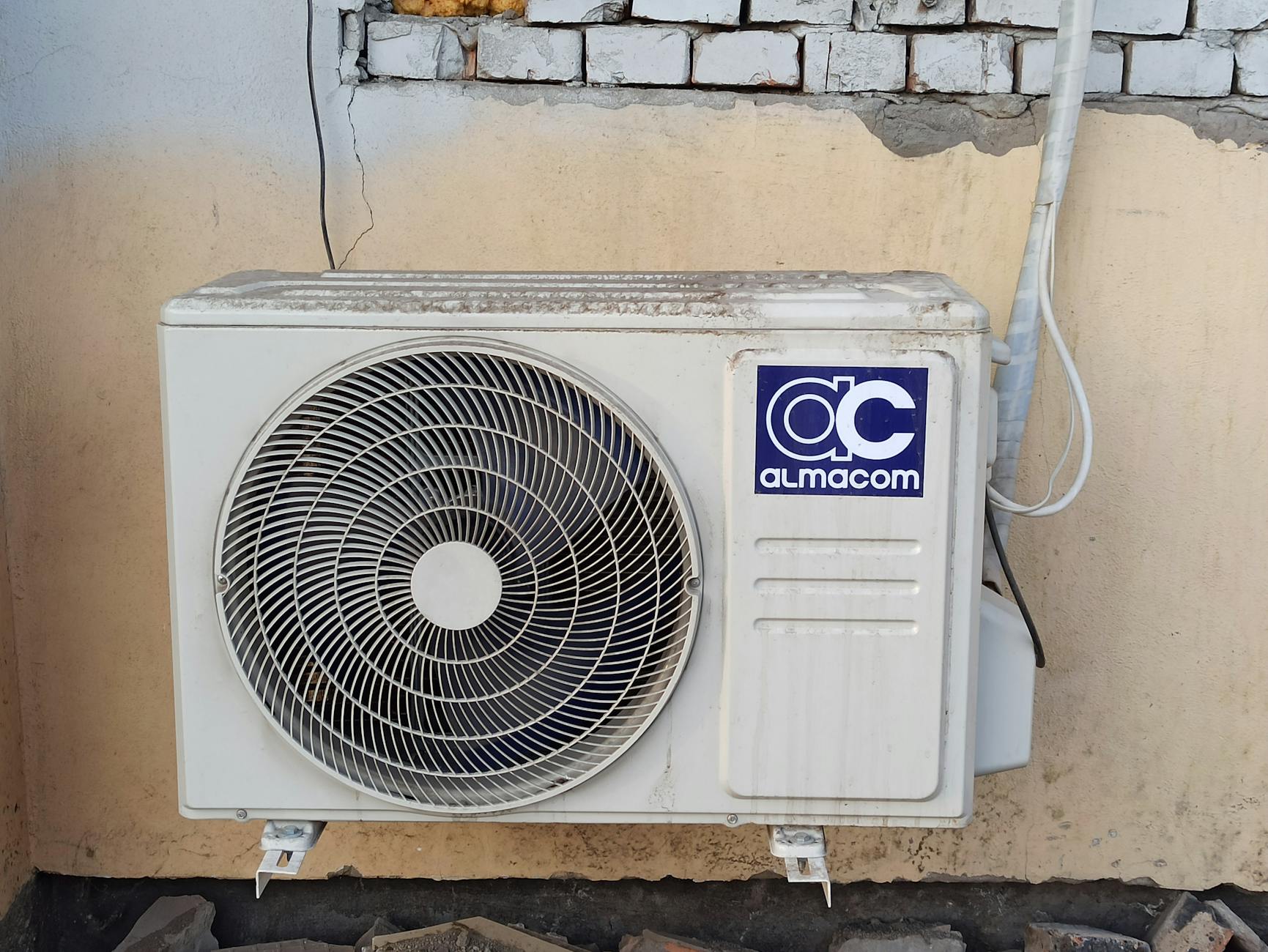
A. No Ductwork Required: Perfect for Historic Properties
Living in a historic Narragansett home comes with character, charm, and often, no existing ductwork. That’s where mini split systems shine brightest. You don’t need to tear into those precious historic walls or compromise original architectural features to stay cool. These systems connect indoor and outdoor units through a small 3-inch hole—that’s it.
For your centuries-old colonial or Victorian home, this means preserving original plaster walls, decorative moldings, and those beautiful exposed beams. Your historic property keeps its integrity while you enjoy modern comfort.
B. Minimal Visual Impact on Classic Coastal Architecture
Your coastal home’s aesthetic matters. Mini split indoor units are sleek and compact, mounting high on walls where they blend into the background. You’ll barely notice them, especially with today’s designer options that complement coastal decor.
The outdoor components can be strategically positioned away from prime viewing areas of your property. This means your classic shingle-style architecture or beachfront aesthetics remain intact. Your neighbors won’t be complaining about eyesores, and your property maintains its quintessential Rhode Island coastal charm.
C. Quick Installation Process: Be Ready Before Peak Heat Arrives
Why suffer through another muggy Rhode Island summer? Most mini split installations in your home can be completed in just 1-2 days. You read that right—from start to finish in less time than a weekend getaway to Block Island.
Your installation timeline looks something like this:
| Installation Phase | Typical Duration |
|---|---|
| Initial assessment | 1-2 hours |
| System installation | 4-8 hours per unit |
| Testing and setup | 1-2 hours |
Start the process now, and you’ll be enjoying perfect indoor temperatures before the summer tourists arrive. Your home will become the cool retreat you need when Narragansett beaches get crowded and temperatures soar into the uncomfortable zone.
Practical Considerations for Narragansett Homeowners
A. Sizing Your Mini Split for Maximum Efficiency
Getting the right size mini split for your Narragansett home isn’t just about comfort—it’s about your wallet too. An undersized system will run constantly, struggling to cool your space, while an oversized unit will cycle on and off too frequently, wasting energy and failing to properly dehumidify.
For Rhode Island coastal homes, you’ll need approximately 20 BTUs per square foot. But don’t just go by square footage alone. Your beachfront property faces unique challenges:
- Higher humidity levels near the ocean
- Salt air exposure
- Temperature fluctuations between day and night
- Seasonal occupancy considerations
A professional load calculation takes these factors into account, ensuring you get exactly what you need—nothing more, nothing less.
B. Best Locations for Indoor and Outdoor Units
Placement makes all the difference in your system’s performance. For indoor units:
- Mount them high on walls for better air distribution
- Keep them away from direct sunlight and heat sources
- Avoid placing furniture directly beneath units
- Consider noise impact in bedrooms and living areas
For outdoor condensers in your coastal property:
- Choose a shaded area when possible
- Elevate the unit above potential flood levels
- Position away from prevailing winds carrying salt spray
- Ensure at least 12 inches of clearance on all sides
- Consider special protective coatings for salt air resistance
The right placement not only improves efficiency but also extends equipment life in your oceanside environment.
C. Typical Costs and Available Rebates
Mini split investments for your Narragansett home typically range from $3,000-$7,000 per zone installed, depending on:
| System Feature | Cost Impact |
|---|---|
| Single vs. multi-zone | +$1,000-2,500 per additional zone |
| System efficiency rating | Higher SEER = Higher upfront cost |
| Brand selection | Premium brands cost 15-30% more |
| Installation complexity | Coastal homes often require special considerations |
Don’t let those numbers scare you. Your actual out-of-pocket might be much lower thanks to available rebates:
- Rhode Island Energy offers rebates up to $1,250 per indoor unit
- Seasonal promotions from manufacturers (often highest in spring)
- Federal tax credits for qualifying high-efficiency systems
Smart shoppers often schedule installations in the off-season (fall/winter) when contractors offer their best rates.
D. Rhode Island-Specific Incentives and Tax Credits
Rhode Island really wants you to upgrade your HVAC system! Beyond basic rebates, you can tap into:
- Rhode Island Renewable Energy Fund grants for qualifying heat pumps
- Property tax exemptions in certain municipalities for energy upgrades
- The Ocean State Clean Energy Supply Program offering additional incentives
- National Grid’s 0% financing options for qualified buyers
These programs change regularly, so check the Rhode Island Office of Energy Resources website for the most current offerings. Many Narragansett homeowners end up saving 30-40% off their total project cost by combining these incentives.
E. Finding Qualified Local Installers
Not all HVAC contractors understand the unique challenges of your coastal home. When selecting an installer:
- Verify they’re licensed and insured specifically for Rhode Island
- Check their experience with coastal installations
- Ask about their familiarity with local building codes and permit requirements
- Confirm they’re certified by the manufacturer of your chosen system
- Request references from other beachfront property owners
Proper installation is even more important than the equipment itself. A perfectly sized top-tier system installed poorly will never perform as well as a mid-range system installed correctly. Get at least three quotes, and remember—the lowest bid isn’t always your best option when protecting your seaside sanctuary from summer heat.
Year-Round Advantages Beyond Summer Cooling
A. Winter Heating Capabilities in Coastal Conditions
Those gorgeous ocean views come with a price tag in winter—harsh winds and salt-laden air that can challenge traditional heating systems. Your mini split system isn’t just for summer comfort; it’s your winter ally too.
Mini splits with heat pump technology work efficiently even when temperatures drop into the 30s, which is perfect for Rhode Island’s typically mild coastal winters. Your system pulls heat from outside air (yes, even cold air contains heat) and transfers it indoors.
What makes this perfect for your beach house? Mini splits deliver warm air instantly without the long warm-up time of baseboard heaters. No more arriving at a freezing cold beach house and waiting hours for comfort.
The salt air that corrodes ordinary systems? Mini splits designed for coastal areas have special coatings that resist that corrosion, extending your system’s lifespan while keeping your energy bills surprisingly low.
B. Reducing Moisture and Preventing Mold
Coastal living means battling humidity year-round. Your mini split system works as a powerful dehumidifier without any extra equipment.
As your system cools your space, it naturally pulls moisture from the air. This moisture control is crucial for:
- Preventing that musty smell in rarely-used beach homes
- Stopping mold growth on furniture and walls
- Protecting expensive electronics from humidity damage
- Keeping wooden floors from warping
Many homeowners don’t realize their mini splits can run in “dry mode” during shoulder seasons—removing humidity without significant cooling or heating. This feature alone can save you thousands in potential mold remediation costs.
C. Smart Home Integration Options for Remote Beach Houses
Your Narragansett beach house deserves smart control, especially when you’re not there. Modern mini splits connect seamlessly with smart home systems, giving you power at your fingertips.
With smart integration, you can:
- Turn on your system an hour before arriving so you walk into perfect comfort
- Monitor energy usage and adjust settings remotely
- Receive alerts about maintenance needs or unusual operation
- Set temperature schedules that match your beach visits
- Control individual zones separately from anywhere
For weekend beach homes, this remote access isn’t just convenient—it’s essential protection. You can ensure pipes don’t freeze in winter or adjust cooling if an unexpected heat wave hits. Some systems even allow you to set humidity thresholds, automatically running dehumidification when needed.
Smart thermostats compatible with mini splits can learn your preferences over time, automatically adjusting to create your ideal environment while maximizing energy savings.

Coastal living in Rhode Island brings its own set of climate challenges, particularly during hot summer months when traditional cooling systems struggle to provide efficient comfort. Mini split systems offer the ideal solution for Narragansett homeowners, delivering targeted cooling without extensive ductwork while standing up to the corrosive coastal environment. Their flexible installation options and energy efficiency make them particularly well-suited for the architectural variety found in Rhode Island coastal properties.
As temperatures fluctuate throughout the year, these versatile systems continue to deliver value long after summer ends. Their heating capabilities ensure year-round comfort while their zone-specific design helps manage utility costs effectively. For Narragansett residents looking to enhance home comfort without compromising on efficiency or aesthetics, mini split systems represent not just a cooling solution, but a smart investment in year-round coastal living comfort.