

Did you know your business could be hemorrhaging $15,000 annually through outdated cooling systems? That’s what we’re seeing across Narragansett commercial properties this summer.
Look, running a business in Rhode Island means dealing with those brutal July heatwaves while keeping your utility bills from skyrocketing. When your AC is constantly running but your staff is still sweating? That’s money evaporating.
The right commercial HVAC solutions for Narragansett businesses don’t just cool spaces – they cool smart. They adapt to your building’s unique needs, respond to changing occupancy, and slash those monthly bills that make you wince.
What if I told you some local businesses have cut cooling costs by 40% with systems that actually perform better? And the part about qualifying for those energy rebates that nobody seems to know about?
The High Costs of Inefficient Commercial HVAC in Narragansett

Understanding Current Energy Expenses for Local Businesses
Running a business in Narragansett comes with unique challenges, and your energy bills might be one of the biggest. You’re probably spending 40-60% of your commercial utility costs on heating and cooling alone. In the summer tourist season, when you’re keeping your space comfortable for customers, those costs skyrocket.
Look at your last three energy bills. Notice how they spike during extreme weather? That’s your HVAC system working overtime—and potentially wasting money. Many Narragansett businesses still use systems designed for different climate conditions or buildings that have since been renovated.
How Weather Patterns in Rhode Island Affect Cooling Demands
The coastal location of Narragansett creates a perfect storm for cooling challenges. You’re dealing with high humidity in summer that makes your AC work harder than the temperature alone would suggest. Those sea breezes might feel nice, but they bring moisture that your system has to remove.
Your cooling system faces:
- Summer humidity levels often exceeding 80%
- Temperature swings of 30+ degrees between seasons
- Salt air that accelerates equipment wear
- Shoulder seasons requiring both heating and cooling in the same day
The Hidden Financial Drain of Outdated Systems
Your aging HVAC system is quietly bleeding your business dry. Beyond the obvious energy waste, you’re losing money through:
- Frequent repair calls that always seem to happen during peak season
- Productivity losses when employees can’t work comfortably
- Customer experience suffering in inconsistently cooled spaces
- Shorter equipment lifespans due to constant strain
An inefficient system forces you to choose between comfort and cost—a choice you shouldn’t have to make.
Calculating Your Business’s Cooling Efficiency Score
Want to know where your business stands? Calculate your Cooling Efficiency Score:
- Divide your cooling costs by your square footage
- Compare this number to the local average of $1.90 per square foot
- Add points for system age (1 point per year over 10 years)
- Subtract points for any efficiency upgrades in the past 5 years
A score above 15 means you’re leaving serious money on the table. Most Narragansett businesses score between 18-22, suggesting potential savings of 30-40% with the right upgrades.
Modern Energy-Efficient Cooling Technologies
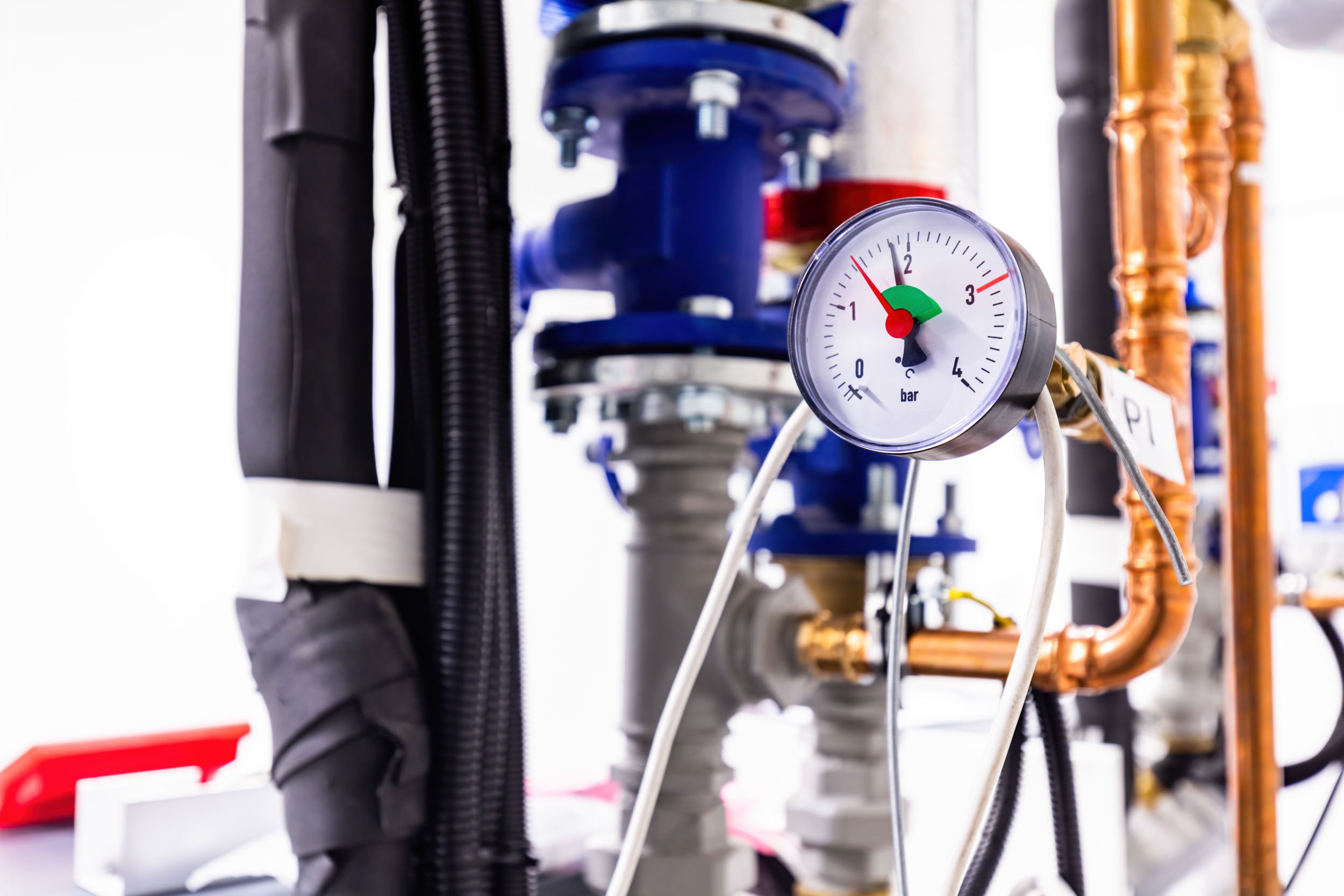
A. High-SEER HVAC Systems: What Narragansett Businesses Need to Know
The numbers on your HVAC unit actually matter more than you think. When shopping for commercial cooling systems, SEER (Seasonal Energy Efficiency Ratio) ratings should be at the top of your priority list.
Modern high-SEER systems (18+ rating) can slash your energy bills by 20-30% compared to older units (SEER 10 or below) that might be cooling your Narragansett business right now.
Think of SEER like MPG for your car—the higher the number, the less energy you burn through. For coastal Narragansett businesses dealing with humid summers, this efficiency isn’t just nice—it’s necessary.
How do you know it’s time to upgrade? Check your current system’s age. If it’s over 10 years old, newer high-SEER options will pay for themselves through energy savings, often within 3-5 years.
The upfront cost might make you wince—about 15-20% more than standard efficiency models—but the math works in your favor when you factor in Rhode Island’s energy incentives and rebates specifically designed for businesses making efficiency upgrades.
B. Smart Thermostat Solutions for Commercial Spaces
Gone are the days of constantly adjusting temperatures manually or leaving systems running overnight. Smart thermostats for your commercial space can save you an impressive 10-15% on cooling costs without any major infrastructure changes.
These systems learn your business patterns. Open Monday through Friday? Your smart thermostat will automatically adjust temperatures before employees arrive and after they leave. Got a restaurant that’s busiest at dinner? The system adapts to occupancy levels.
The real magic happens when you connect with your HVAC system remotely. Unexpected heatwave on Sunday? Adjust settings from your phone before Monday morning chaos ensues.
Many Narragansett business owners report the biggest benefit isn’t just energy savings—it’s the analytics. Your smart thermostat collects data on usage patterns, helping you identify further opportunities to cut costs. Some models even alert you when maintenance is needed before small issues become expensive repairs.
For retail spaces and offices under 10,000 square feet, installation typically costs between $300-$700, with an ROI often achieved within the first year.
C. Ductless Mini-Split Options for Zoned Cooling
Why cool empty spaces? That’s the question ductless mini-splits answer perfectly for Narragansett businesses.
These systems let you create independent cooling zones, meaning you’re only using energy where and when you need it. For businesses with varying occupancy (think conference rooms vs. constantly-staffed areas), this targeted approach can reduce cooling costs by up to 30%.
Installation is surprisingly non-disruptive. No major construction or downtime required—most systems can be up and running in 1-2 days. The small wall-mounted units connect to an outdoor condenser through a small hole in the wall.
Mini-splits shine in buildings where traditional ductwork isn’t practical—historic buildings in downtown Narragansett, converted spaces, or additions. They’re also perfect for businesses with server rooms or equipment areas that need different temperatures from customer spaces.
The investment varies based on your space, but typically ranges from $3,000-$7,000 per zone. While this might seem steep, the efficiency gains and ability to cool only occupied areas creates significant long-term savings.
D. Variable Refrigerant Flow (VRF) Systems
VRF technology might be the cooling solution you never knew you needed. These sophisticated systems are revolutionizing how medium to large Narragansett businesses approach climate control.
The key difference? Traditional systems run at either 100% capacity or completely off. VRF systems operate more like a dimmer switch than a regular light switch—adjusting capacity precisely to current needs.
This variable operation translates to 30-40% energy savings compared to conventional systems. VRF also excels at maintaining consistent temperatures—no more uncomfortable hot and cold spots throughout your building.
The upfront investment is higher—typically 15-25% more than traditional commercial systems—but operational savings offset this cost, usually within 3-7 years. For businesses occupying spaces over 10,000 square feet, VRF becomes increasingly cost-effective.
Another huge advantage: these systems run quieter than traditional commercial HVAC, a crucial benefit for healthcare facilities, professional offices, or hospitality businesses where ambient noise matters.
E. Geothermal Solutions for Maximum Long-term Savings
The earth beneath your Narragansett business holds the secret to the most efficient cooling solution available today. Geothermal systems leverage the constant 55°F temperature underground to provide remarkably efficient cooling.
The initial investment is substantial—typically 2-3 times the cost of conventional systems—but the numbers tell an impressive story. Geothermal systems can reduce your cooling costs by 40-70% and typically last 25+ years for the indoor components and 50+ years for the ground loops.
For Narragansett businesses planning to occupy their current location long-term, few investments deliver better returns. Federal tax incentives currently cover 26% of installation costs, with additional state incentives available in Rhode Island.
The system works by circulating fluid through underground pipes, exchanging heat with the earth. During summer, heat is pulled from your building and deposited underground. The process reverses in winter.
Maintenance costs run about 50-80% lower than conventional systems, with far fewer mechanical components to fail. For businesses with available land area (even under parking lots), geothermal represents the ultimate sustainable cooling investment.
Financial Benefits of Upgrading Your Commercial Cooling System
A. Average ROI Timelines for Narragansett Businesses
Wondering how quickly your cooling system investment will pay off? In Narragansett’s commercial landscape, you’re looking at surprisingly favorable returns. Most businesses see complete ROI within 3-5 years after upgrading to energy-efficient cooling systems.
Your timeline varies based on a few key factors:
- Smaller retail operations typically see returns in 2-3 years
- Office buildings and restaurants average 3-4 years
- Larger commercial spaces like hotels achieve ROI in 4-5 years
What drives these timelines? Your summer cooling demands in Narragansett push systems hard from June through September. With new systems reducing energy consumption by 30-50%, your monthly savings add up fast.
B. Utility Rebates and Incentives Available in Rhode Island
You’re sitting on a goldmine of savings opportunities in Rhode Island! National Grid offers commercial customers rebates up to $1,500 per ton for high-efficiency cooling systems. That’s just the beginning.
Check out these programs you can tap into right now:
- National Grid’s Commercial Energy Efficiency Program covers up to 70% of energy audit costs
- Rhode Island Office of Energy Resources provides zero-interest financing for qualifying projects
- The Renewable Energy Fund offers grants for businesses integrating sustainable cooling solutions
C. Tax Advantages of Energy-Efficient Upgrades
Your tax benefits are substantial when you upgrade your commercial cooling system. The federal Section 179D deduction allows you to claim up to $1.80 per square foot for energy-efficient improvements.
You can also capitalize on:
- Federal tax credits covering 10% of total qualifying upgrade costs
- Accelerated depreciation schedules for new HVAC equipment
- Rhode Island state tax incentives specifically for commercial building improvements
Many Narragansett business owners don’t realize they can combine these tax advantages with utility rebates for maximum savings.
D. Maintenance Cost Reductions with New Systems
Your aging system isn’t just inefficient—it’s draining your maintenance budget. New commercial cooling systems cut your maintenance costs by 30-40% on average.
How you’ll save:
- Fewer emergency repair calls (typically $250-500 each)
- Extended service intervals (annual instead of quarterly)
- Reduced parts replacement frequency
- Lower labor costs for routine maintenance
Modern systems also come with smart diagnostics that alert you to small issues before they become expensive problems. You’ll spend less time managing facility issues and more time running your business.
Choosing the Right System for Your Business Type
 A. Retail Space Solutions That Enhance Customer Comfort
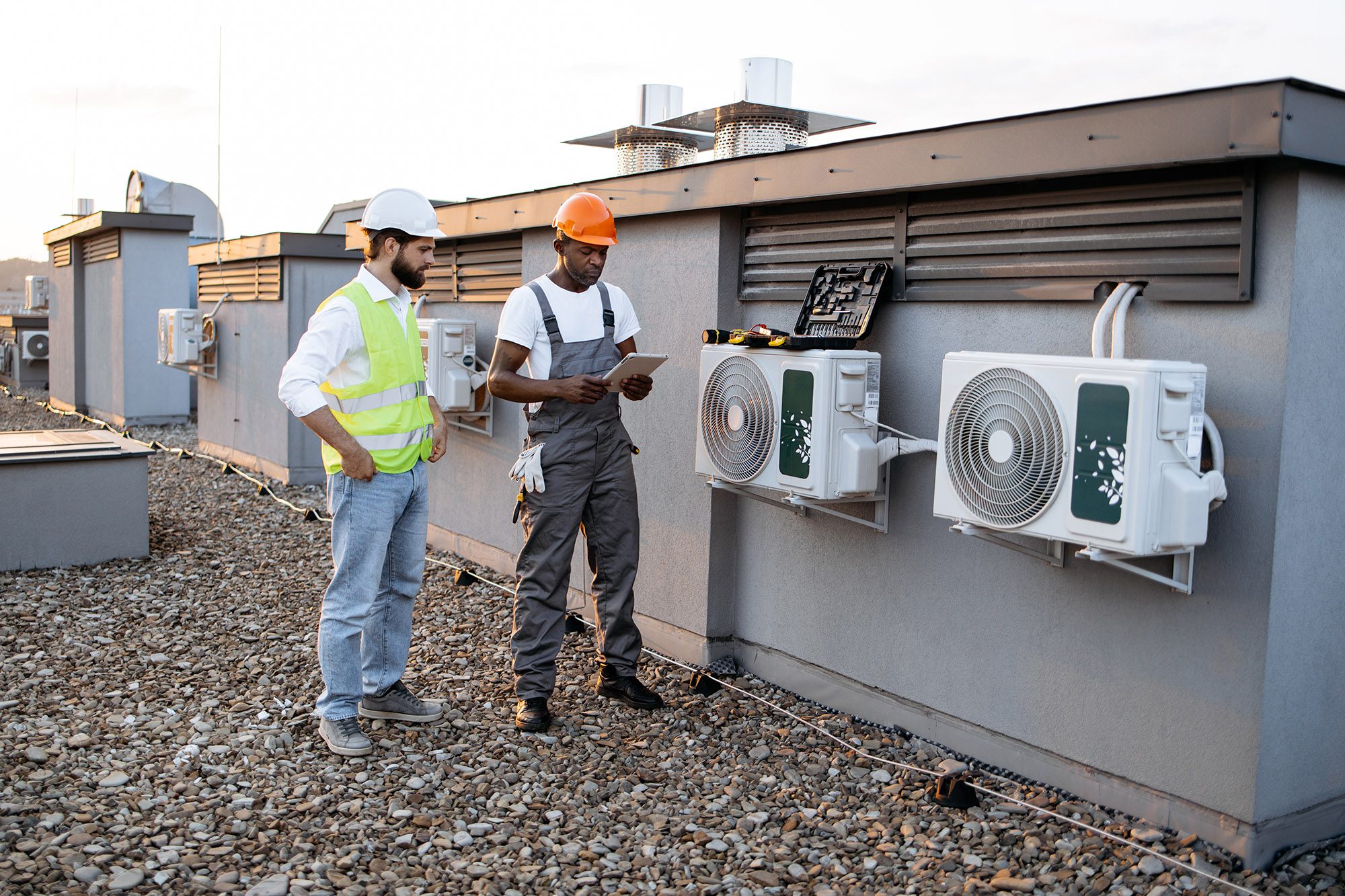 A. Retail Space Solutions That Enhance Customer Comfort
Ever noticed how you’re more likely to linger in stores that feel just right temperature-wise? Your customers feel the same way. In retail, comfort equals longer browsing time and potentially higher sales.
For your Narragansett retail space, zoned cooling systems work wonders. They let you keep fitting rooms slightly cooler (where customers try on multiple layers) while maintaining display areas at comfortable temperatures. Smart thermostats can automatically adjust based on foot traffic patterns – cooling more during busy Saturday afternoons and scaling back during slower periods.
Don’t overlook your storefront entrance. Installing air curtains creates an invisible barrier that keeps cool air in while the doors stay open to welcome shoppers.
B. Restaurant and Food Service Cooling Challenges
Running a restaurant in Narragansett means battling heat from all directions. Your kitchen pumps out serious BTUs while your dining area needs to stay comfortable enough for guests to enjoy their meals.
Kitchen exhaust systems paired with makeup air units create the perfect balance. They remove hot, greasy air while bringing in fresh, cooled replacement air. This stops your AC from working overtime.
For your dining areas, consider displacement ventilation systems. Unlike traditional overhead systems, they supply cool air at floor level, letting it naturally rise as it warms. This creates more consistent temperatures and uses up to 30% less energy.
Many restaurant owners swear by variable refrigerant flow (VRF) systems because they can simultaneously cool dining areas while recovering heat for hot water needs.
C. Office Building Optimization Strategies
Your office building presents unique cooling challenges – server rooms need constant cooling while conference rooms cycle between empty and packed with warm bodies.
Start with programmable thermostats that match your actual business hours. No point cooling an empty building at 6 AM if everyone arrives at 8:30.
Consider upgrading to a dedicated outdoor air system (DOAS) with energy recovery. These systems bring in fresh outdoor air, remove humidity, and recover cooling energy from exhaust air – keeping your team alert while cutting energy costs.
For larger offices, chilled beam systems offer whisper-quiet operation with superior comfort. They use water instead of forced air to cool spaces, eliminating the dreaded “conference room freeze” where some people are too cold while others are too warm.
D. Hospitality Industry: Balancing Guest Comfort and Efficiency
In your hotel or inn, guest satisfaction often trumps energy concerns – but it doesn’t have to be either/or.
Room occupancy sensors can automatically adjust temperatures when guests leave, while maintaining perfect comfort when they return. Some systems even learn guest preferences over time.
For common areas like lobbies and breakfast rooms, consider thermal storage solutions. They produce and store cooling during off-peak hours (when electricity costs less) and use it during peak daytime periods.
Don’t forget your pool area – dehumidification systems with heat recovery can maintain ideal humidity while using recovered heat to warm pool water, slashing your energy bills.
The best part? Many of these upgrades qualify for Rhode Island energy incentives, making the switch even more affordable for your Narragansett hospitality business.
Implementation and Maintenance Best Practices
A. Seasonal Preparation Tips for Maximum Efficiency
 A. Seasonal Preparation Tips for Maximum Efficiency
When summer heat hits Narragansett, your cooling system needs to be ready. Before peak season arrives, change or clean all air filters – this simple step can reduce energy consumption by up to 15%. Next, clear any debris around outdoor condensing units (leaves, dirt, branches) to maintain proper airflow.
Schedule a professional inspection in early spring to catch potential issues before they become expensive problems. During fall, protect outdoor equipment from winter weather with appropriate covers, but remember to remove them before startup in spring.
Don’t forget your programmable thermostat. Adjust your cooling schedules based on seasonal occupancy patterns – there’s no need to keep empty spaces cool after hours.
B. Employee Training for Optimal System Operation
Your staff plays a crucial role in your HVAC efficiency. Train employees on basic thermostat operation and appropriate temperature settings. Studies show that every degree you raise your thermostat in summer saves approximately 3% on cooling costs.
Create simple checklists for opening and closing procedures that include HVAC-related tasks. For example, train staff to ensure doors remain closed during peak cooling hours and to report unusual sounds or temperature inconsistencies immediately.
Consider appointing an “energy champion” in your business – someone responsible for monitoring system operation and encouraging energy-conscious behaviors among coworkers.
C. Preventative Maintenance Schedules That Protect Your Investment
Your commercial cooling system represents a significant investment. Protect it with a year-round maintenance schedule:
| Season | Maintenance Tasks |
|---|---|
| Spring | Clean condenser coils, check refrigerant levels, inspect ductwork |
| Summer | Monitor performance, clean drain lines, check electrical connections |
| Fall | Inspect heat exchangers, clean burners, test safety controls |
| Winter | Check insulation, inspect fan motors, clean or replace filters |
Consistent maintenance extends equipment life by 30-40% and prevents the 70% efficiency loss that neglected systems experience over time.
D. Performance Monitoring Tools and Techniques
You can’t manage what you don’t measure. Install energy monitoring systems to track your cooling costs in real-time. Many modern systems offer smartphone apps that alert you to unusual consumption patterns.
Keep a log of monthly energy bills and compare year-over-year usage during similar weather periods. This helps identify gradual performance degradation that might otherwise go unnoticed.
Temperature sensors placed throughout your facility can identify hot spots that indicate distribution problems. Infrared cameras (available through many HVAC contractors) can detect ductwork leaks and insulation failures without invasive inspection.
E. When to Call the Professionals vs. In-house Maintenance
While your maintenance team can handle many routine tasks, some situations demand professional expertise. Call in the pros when:
- Your system fails to reach set temperatures
- You notice unusual sounds, odors, or leaks
- Energy bills spike unexpectedly
- Your system short-cycles (turns on and off frequently)
- It’s time for seasonal startup or shutdown
Your in-house team should focus on filter changes, keeping outdoor units clear of debris, monitoring system performance, and basic cleaning tasks. For anything involving refrigerant, electrical components, or major mechanical issues, professional service protects both your equipment and warranty coverage.
Remember that professional maintenance isn’t just an expense—it’s an investment that typically returns $2-$4 in energy savings and extended equipment life for every $1 spent.
 Investing in energy-efficient cooling solutions is a smart business decision for Narragansett business owners facing rising energy costs. Modern HVAC technologies like variable refrigerant flow systems, smart thermostats, and high-efficiency chillers offer significant savings while maintaining optimal comfort for employees and customers. The financial benefits extend beyond lower utility bills to include tax incentives, reduced maintenance costs, and enhanced equipment longevity.
The key to maximizing these benefits lies in selecting the right system for your specific business needs and implementing proper maintenance practices. By consulting with qualified HVAC professionals who understand Narragansett’s unique climate challenges, you can identify the most cost-effective solution for your commercial space. Take action today to reduce your environmental footprint while improving your bottom line with cooling solutions that work smarter, not harder.