

Rhode Island winters can turn your cozy home into a desert-dry environment that leaves you dealing with static electricity, cracked skin, and respiratory discomfort. If you’re a Rhode Island homeowner struggling with winter humidity control and want to prevent dry air problems without turning your house into a tropical greenhouse, you’ve come to the right place.
This guide walks you through practical solutions for maintaining comfortable winter air moisture levels in your home. You’ll discover the essential humidity control equipment that works best in Rhode Island’s climate, plus natural ways to increase humidity that won’t break the bank. We’ll also cover smart humidifier placement tips and show you how to maintain proper indoor air quality during winter without going overboard.
Understanding Winter Humidity Problems in Rhode Island Homes

How Rhode Island’s Cold Climate Creates Dry Indoor Air Conditions
Rhode Island’s winter weather creates perfect conditions for extremely dry indoor air. When outside temperatures drop, the cold air naturally holds less moisture than warm air. Your heating system compounds this problem by warming up that already-dry air without adding any moisture back into it. The result? Indoor humidity levels can plummet to as low as 10-15%, which is drier than most deserts.
Your home’s heating system works overtime during Rhode Island winters, constantly cycling dry outdoor air through your living spaces. Whether you’re running a furnace, heat pump, or baseboard heating, the process strips away whatever little moisture exists in the winter air. This creates a cycle where your indoor environment becomes increasingly parched as the season progresses.
The Ocean State’s coastal location doesn’t help much during winter months. While summer brings plenty of humidity from the Atlantic, winter winds often carry bone-dry air from inland areas. Your home essentially becomes a moisture vacuum, pulling humidity from everything inside – including your furniture, flooring, and even your body.
Common Signs Your Home Has Dangerously Low Humidity Levels
Recognizing the warning signs of low indoor humidity can help you address winter air moisture levels before they become problematic. Your body often serves as the first indicator – you’ll notice static electricity shocks when touching doorknobs, light switches, or other metal objects. Your hair becomes flyaway and difficult to manage, while your skin feels tight and itchy, especially after showering.
Physical symptoms extend beyond mere discomfort. You might experience frequent nosebleeds, particularly in the morning, or notice that your throat feels scratchy and dry upon waking. Your lips crack more easily, and any existing skin conditions like eczema often worsen during periods of low humidity.
Your home also shows telltale signs of insufficient indoor moisture. Houseplants begin dropping leaves or developing brown, crispy edges despite adequate watering. You’ll hear more creaking sounds from hardwood floors and wooden furniture as they contract in the dry air. Electronics may malfunction more frequently due to static buildup, and you might notice dust seems to accumulate faster on surfaces.
Health Risks Associated with Prolonged Dry Air Exposure
Extended exposure to dry air creates significant health challenges for you and your family. Your respiratory system takes the biggest hit when indoor humidity drops below 30%. The dry air irritates your nasal passages and throat, making them more susceptible to infections. Your natural defense mechanisms weaken because the tiny hairs in your nose and throat that trap bacteria and viruses don’t function properly in overly dry conditions.
Sleep quality often suffers dramatically in low-humidity environments. You may find yourself waking up with a sore throat, congested sinuses, or feeling unrested despite getting enough hours of sleep. Dry air can trigger asthma attacks and worsen symptoms for family members with respiratory conditions. Children and elderly family members face heightened risks, as their respiratory systems are more sensitive to environmental changes.
Your immune system also struggles when dealing with prolonged dry air exposure. The protective mucous membranes in your respiratory tract dry out, creating entry points for viruses and bacteria. This explains why cold and flu symptoms often feel worse during winter months when preparing your Rhode Island home for winter includes addressing humidity concerns.
Skin problems escalate quickly in dry environments. You might develop painful cracks in your hands and feet, while existing conditions like psoriasis or dermatitis flare up. Eye irritation becomes common, especially if you wear contact lenses, as tears evaporate more quickly in dry air.
Property Damage Caused by Insufficient Indoor Moisture
Your Rhode Island home suffers structural and aesthetic damage when humidity levels remain too low for extended periods. Wood components throughout your house – including flooring, trim, cabinets, and furniture – shrink as moisture evaporates from their fibers. This shrinkage creates gaps between floorboards, causes joints to separate in wooden furniture, and may lead to cracks in wooden window frames and door jambs.
Hardwood floors take a particularly hard hit from dry winter air. You’ll notice gaps appearing between planks, and in severe cases, boards can cup, warp, or develop permanent splits. Even engineered hardwood isn’t immune to these problems when humidity drops too low. The repair costs for damaged flooring can run into thousands of dollars.
Musical instruments require special attention during dry winter months. Pianos go out of tune more frequently, while wooden stringed instruments like guitars and violins can crack or warp. The soundboards on pianos are especially vulnerable, and severe damage from dry air often requires expensive professional restoration.
Your home’s interior finishes also deteriorate faster in overly dry conditions. Paint may crack or peel more readily, particularly around windows and doors where temperature fluctuations are greatest. Wallpaper edges lift and curl, while caulk around bathtubs and showers shrinks and cracks, potentially leading to water damage behind walls.
Paper products throughout your home become brittle and fragile. Books, important documents, and artwork can suffer permanent damage when exposed to extremely low humidity levels. Even leather furniture and accessories dry out, crack, and age prematurely without adequate moisture in the air.
Electronic equipment faces increased risk of static damage in low-humidity environments. Computer components, televisions, and sensitive electronics can malfunction or suffer permanent damage from static electricity buildup that occurs more frequently when indoor air lacks sufficient moisture.
Essential Humidity Control Equipment for Winter Comfort
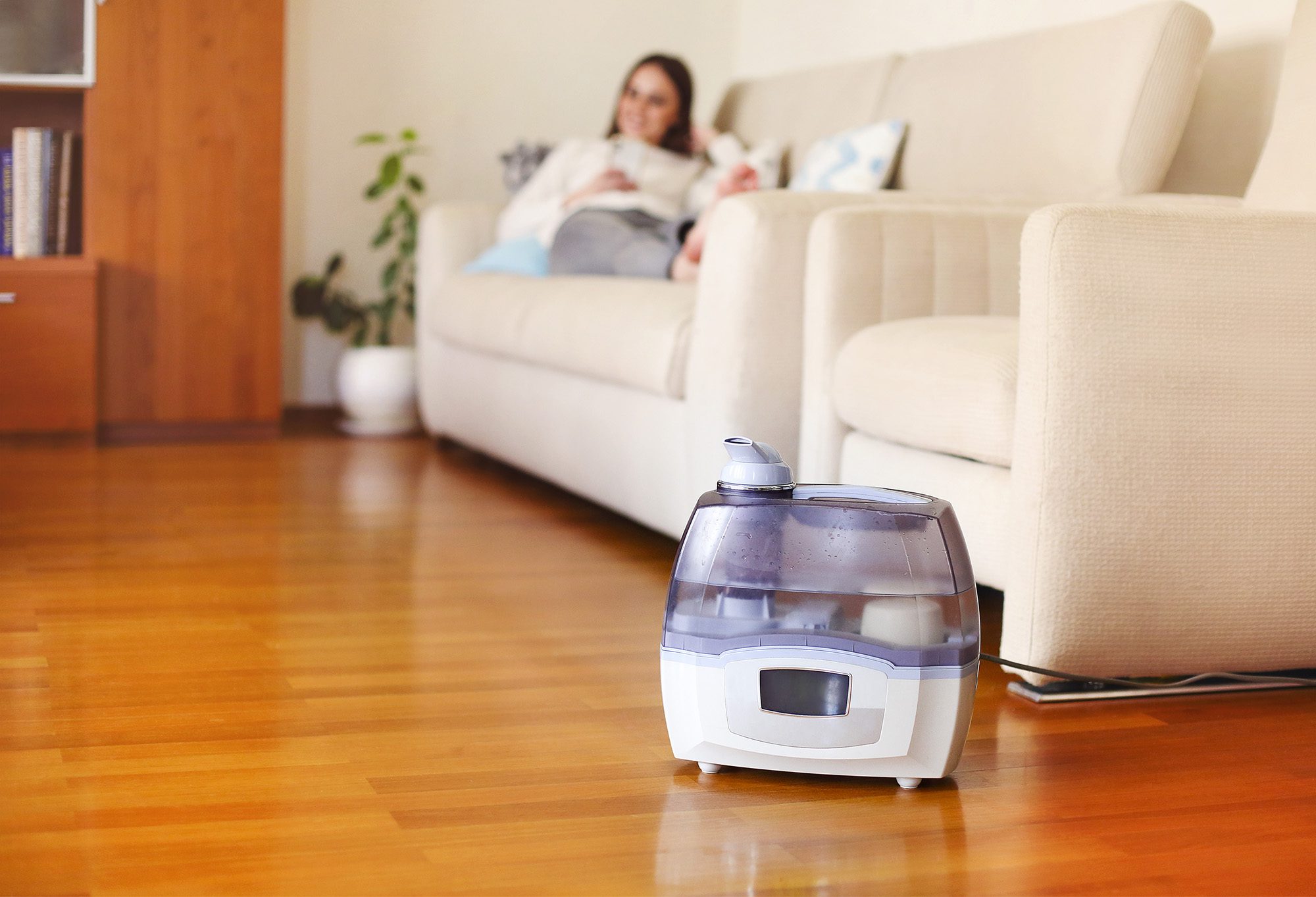
Whole-house humidifiers versus portable units for maximum effectiveness
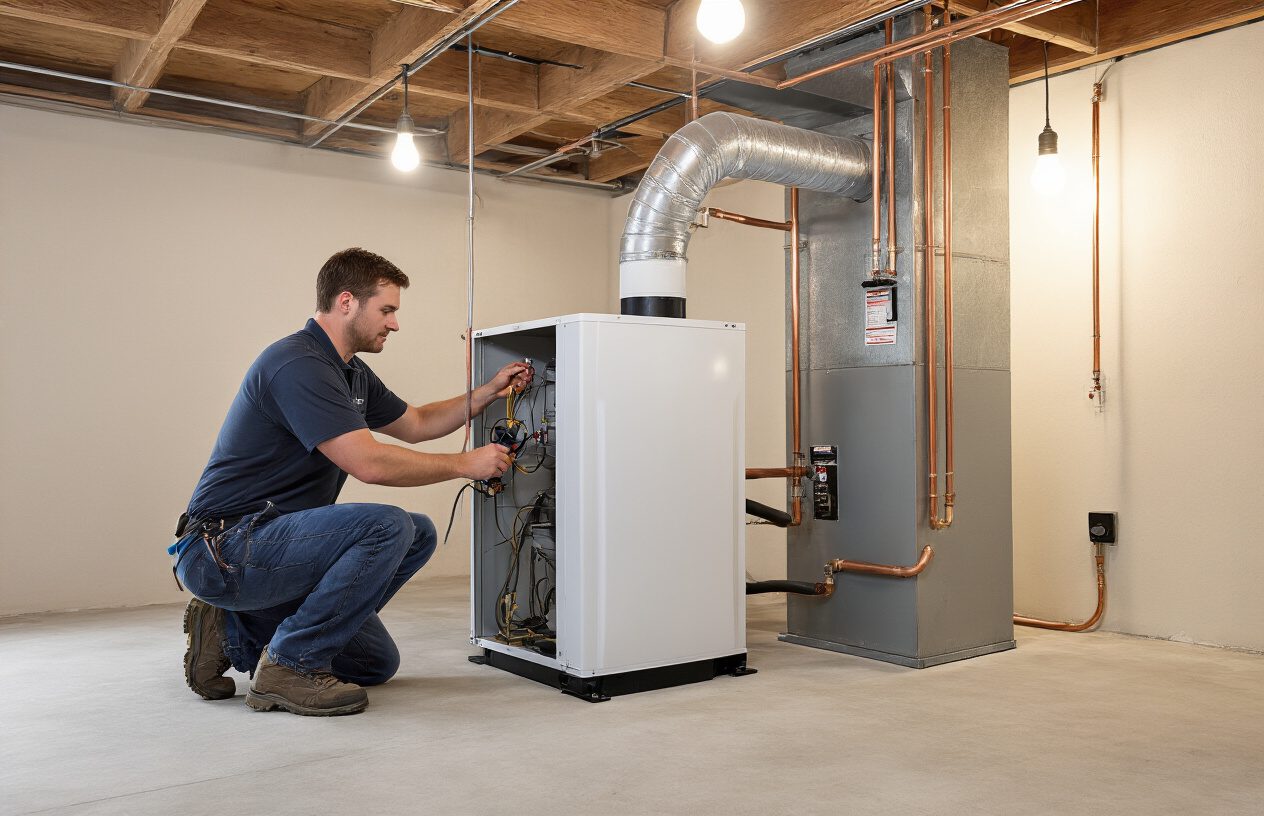
When choosing humidity control equipment for your Rhode Island home, you’ll face a key decision between whole-house systems and portable units. Whole-house humidifiers integrate directly with your existing HVAC system, delivering consistent moisture throughout every room automatically. These systems typically cost more upfront but provide superior coverage and convenience since they require minimal maintenance once installed.
Portable units offer flexibility and lower initial costs, making them attractive for targeted moisture control in specific rooms. However, you’ll need multiple units for comprehensive coverage, and they require regular refilling and cleaning. The ongoing maintenance can become tedious during Rhode Island’s long winter months when dry air problems persist.
Comparison of Key Features:
| Feature | Whole-house | Portable |
|---|---|---|
| Coverage | Entire home | Single room |
| Maintenance | Minimal | Regular refilling |
| Installation | Professional required | Plug and play |
| Operating cost | Lower long-term | Higher electricity usage |
| Noise level | Silent operation | Varies by model |
For most Rhode Island homeowners dealing with winter air moisture levels, whole-house systems provide better value and effectiveness. They work seamlessly with your heating system, ensuring optimal performance during cold snaps when your furnace runs frequently.
Steam humidifiers for precise moisture control in larger homes
Steam humidifiers represent the premium choice for winter humidity control Rhode Island homeowners with larger properties. These units generate pure steam by boiling water, eliminating concerns about mineral deposits or bacteria that can plague other humidifier types. The steam production allows for precise humidity adjustments, making them ideal for maintaining consistent comfort levels throughout spacious homes.
Your larger Rhode Island home benefits from steam humidifiers’ rapid response time. Unlike other systems that take hours to adjust humidity levels, steam units can quickly increase moisture when your heating system kicks in during cold weather. This responsiveness proves especially valuable during temperature swings common along Rhode Island’s coast.
Steam humidifiers also handle higher capacity demands without compromising performance. If your home exceeds 3,000 square feet or has multiple zones, these units maintain proper humidity distribution even when your heating system works overtime. The pure steam output won’t leave mineral residue on furniture or create white dust that affects your indoor air quality winter conditions.
Professional installation ensures optimal integration with your HVAC system, and many models include advanced controls for seasonal adjustments. While steam humidifiers cost more initially and consume more electricity than other options, their precision and reliability make them worthwhile investments for comprehensive dry air solutions winter protection.
Bypass and fan-powered humidifier systems compared
Understanding the differences between bypass and fan-powered humidifier systems helps you choose the right solution for preventing dry air in homes during Rhode Island winters. Bypass humidifiers rely on your furnace’s existing airflow to move moisture through your ductwork. They work passively, using the pressure difference between your supply and return ducts to pull air through the humidifier’s water panel.
Fan-powered systems include their own built-in fans that actively push air through the humidification chamber. This active approach means they don’t depend solely on your furnace’s air handler for operation, making them more effective when your heating system cycles less frequently during milder winter days.
Performance Comparison:
- Bypass systems work best with high-efficiency furnaces that move substantial airflow
- Fan-powered units maintain consistent output regardless of your furnace’s cycling patterns
- Bypass models consume no additional electricity beyond your HVAC system
- Fan-powered systems use extra energy but provide more reliable moisture output
Your choice depends on your specific heating setup and humidity needs. If you’ve recently completed Fall HVAC maintenance and your system moves adequate airflow, bypass units offer efficient, cost-effective operation. However, if your home struggles with inconsistent humidity or your furnace runs intermittently, fan-powered systems deliver more dependable results for your humidity control equipment investment.
Both systems require annual maintenance, including water panel replacement and cleaning, but fan-powered units need additional attention for their mechanical components.
Strategic Placement and Installation for Optimal Results
Best locations for portable humidifiers in multi-room layouts
Your portable humidifier placement strategy makes all the difference in achieving effective winter humidity control Rhode Island homes need. Start with your bedrooms, where you spend 6-8 hours breathing dry air each night. Position your humidifier 3-6 feet from your bed on a flat, elevated surface like a dresser or nightstand. This distance prevents oversaturation while ensuring you breathe properly moistened air throughout the night.
Living rooms and family gathering spaces benefit from central placement on coffee tables or side tables. Avoid corners where air circulation is poor, and keep the unit away from electronics and furniture that moisture could damage. If you have an open floor plan, place your humidifier where natural air currents from your heating system can help distribute the moisture throughout connected spaces.
Your kitchen and bathrooms often have higher natural humidity levels, so focus your efforts on bedrooms, living areas, and home offices where dry air causes the most discomfort. For multi-story homes, consider placing units on each level since warm, humid air rises while cooler dry air settles downstairs.
Professional HVAC integration for whole-house systems
Whole-house humidification systems integrated with your existing HVAC setup provide the most comprehensive winter humidity control Rhode Island homeowners can achieve. These systems work directly with your furnace or heat pump, automatically adding moisture to heated air before it circulates through your ductwork.
Flow-through humidifiers connect to your water supply and use your furnace’s blower to evaporate water as heated air passes through. Steam humidifiers generate pure steam that gets injected directly into your air handler, offering precise humidity control even when your heating system isn’t running.
Professional installation connects the humidifier to your thermostat or a dedicated humidistat, allowing automatic adjustments based on outdoor temperature and indoor humidity levels. Your HVAC technician will size the system correctly for your home’s square footage and heating capacity. When properly integrated with your Fall HVAC Checklist maintenance routine, these systems provide consistent moisture levels throughout your entire home without the daily maintenance portable units require.
Avoiding common placement mistakes that reduce efficiency
Water damage ranks as the costliest mistake you can make with humidifier placement. Never place units directly on hardwood floors, near electronics, or close to walls where condensation can cause mold growth. Always use a waterproof mat or tray underneath portable units to catch spills and overflow.
Blocking your humidifier’s air intake or output reduces its effectiveness dramatically. Keep units at least 12 inches away from walls and furniture, and never place them in enclosed spaces like closets or cabinets. Direct sunlight and heat sources like radiators or heating vents can cause rapid evaporation and inconsistent moisture output.
Oversizing your humidifier for small spaces creates another common problem. A powerful unit in a small bedroom can raise humidity levels too quickly, leading to condensation on windows and potential mold issues. Match your humidifier’s output capacity to your room size, and always start with lower settings to gauge effectiveness.
Dirty or hard water creates mineral buildup that reduces efficiency and spreads white dust throughout your home. Clean your units regularly and use distilled water when possible to maintain optimal performance.
Room-by-room humidity requirements for different living spaces
Different rooms in your Rhode Island home require varying humidity levels based on their use and natural moisture sources. Bedrooms perform best at 40-50% humidity, which prevents dry throat and nasal passages while avoiding condensation on cold windows during harsh Rhode Island winters.
Living rooms and family spaces where you spend significant time should maintain 35-45% humidity levels. These areas typically have more air circulation from foot traffic and door openings, so they may need slightly lower target levels to prevent over-humidification.
Home offices and studies where you have electronics and paper documents benefit from 30-40% humidity. Higher levels can damage sensitive equipment and cause paper to warp or books to develop mold.
Basements naturally tend toward higher humidity, so focus on dehumidification rather than adding moisture. Upper floors often need more attention since heated air rises and becomes drier as it warms.
Monitor each space individually with digital hygrometers, adjusting your humidifier settings based on actual readings rather than guesswork. Room size, ceiling height, insulation quality, and window efficiency all affect how quickly humidity levels change, making personalized monitoring essential for optimal comfort.
Natural Methods to Increase Indoor Moisture Levels

Houseplants that naturally boost humidity while purifying air
Adding the right houseplants to your Rhode Island home creates a win-win situation during winter months. These green companions naturally release moisture through transpiration while cleaning your indoor air. Spider plants, Boston ferns, and peace lilies are excellent choices that thrive in typical home conditions and can raise humidity levels by 5-10%.
Your best performers include rubber trees, English ivy, and snake plants. These hardy options don’t just survive Rhode Island’s winter indoor conditions—they flourish while pumping moisture into your dry air. Place larger plants like fiddle leaf figs or monstera deliciosa in your main living areas where you spend most of your time. The bigger the plant, the more moisture it releases.
Group several plants together to create a humidity microclimate. This clustering effect amplifies the moisture output and creates a natural humidifying zone around your seating areas. Water your plants regularly, as the evaporation from soil and saucers adds another layer of moisture to your environment. Consider adding pebble trays filled with water beneath your plants for extra humidity without overwatering.
Strategic use of water containers and wet towels for quick relief
When you need immediate relief from dry air, simple water vessels work wonders. Place shallow bowls of water near your heat sources—radiators, baseboard heaters, or heating vents. The warm air naturally evaporates this water, adding moisture to your home’s atmosphere. Change the water every few days to prevent bacteria growth.
Wet towels provide faster results when you’re dealing with particularly dry conditions. Hang damp towels on chairs or drying racks in your bedroom before sleep, or place them near heating elements during the day. This method works especially well in bedrooms where you notice morning dryness affecting your throat and sinuses.
Your bathroom becomes a natural humidity generator when you leave the door open after hot showers. Instead of running the exhaust fan immediately, let that moisture-rich air circulate into adjacent rooms. This free method helps combat the dry air that your heating system creates throughout your home during Rhode Island’s cold months.
Adjusting cooking and bathing habits to retain beneficial moisture
Your daily routines offer multiple opportunities to add natural humidity. When cooking pasta, rice, or steaming vegetables, leave pot lids slightly ajar to release beneficial steam into your kitchen and adjoining areas. Simmering a pot of water with cinnamon sticks or citrus peels creates both moisture and pleasant aromas while you work from home during winter.
Longer, slightly cooler showers help you retain more bathroom moisture without wasting energy. After bathing, leave your bathroom door open and skip the exhaust fan for the first 10-15 minutes. This allows humid air to spread naturally through your home rather than being immediately vented outside.
Air-drying clothes indoors during winter serves double duty—you save energy while adding moisture to your indoor environment. Set up a drying rack in your laundry room or basement, and the evaporating water naturally humidifies these typically dry areas. Just like ensuring your heating system is properly maintained, these natural moisture methods require consistent attention for the best results in maintaining comfortable winter humidity levels throughout your Rhode Island home.
Hygrometer
Maintaining Proper Humidity Levels Without Overdoing It
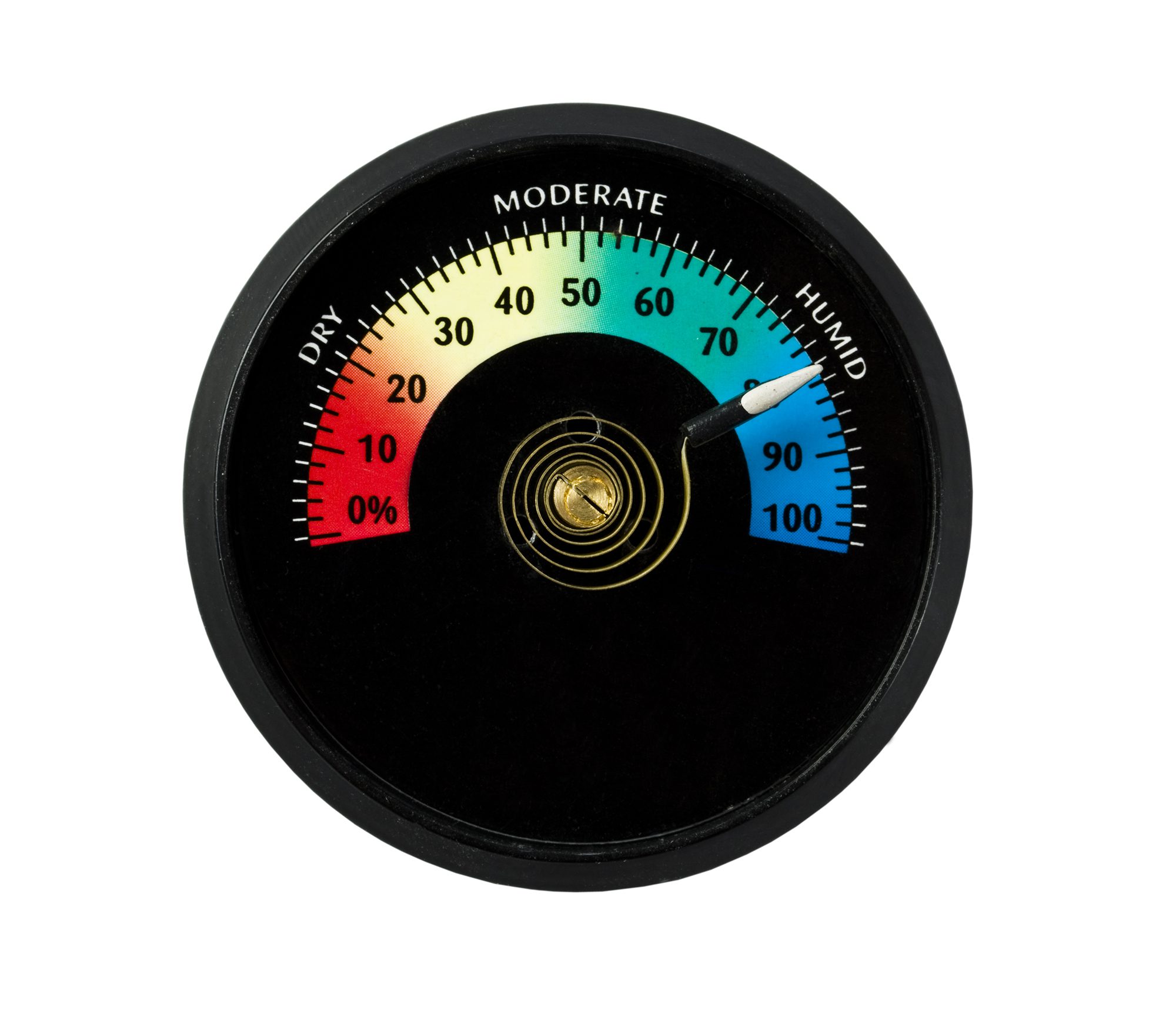
Ideal humidity ranges for health and home preservation
Your Rhode Island home needs specific humidity levels to keep both your family and your property healthy. The sweet spot for winter air moisture levels falls between 30-50% relative humidity. Below 30%, you’ll experience the classic dry air problems: static electricity, cracked skin, and respiratory irritation. Above 50%, you risk condensation issues and potential mold growth.
Different areas of your home may require slight adjustments. Bedrooms perform best at 40-50% humidity for better sleep quality, while living areas can comfortably sit at 35-45%. Your hardwood floors, musical instruments, and furniture will thank you for maintaining these levels year-round.
| Room Type | Ideal Humidity Range | Key Benefits |
|---|---|---|
| Bedrooms | 40-50% | Better sleep, reduced snoring |
| Living Areas | 35-45% | Comfort, static control |
| Basements | 30-40% | Mold prevention |
| Bathrooms | 40-50% | Balanced moisture without excess |
Using hygrometers to monitor and adjust moisture levels accurately
You can’t manage what you don’t measure. Digital hygrometers give you real-time readings of your home’s humidity levels, taking the guesswork out of winter humidity control Rhode Island homes require. Place hygrometers in main living areas, bedrooms, and basements to get a complete picture of your home’s moisture distribution.
Modern smart hygrometers connect to your smartphone, sending alerts when levels drop too low or climb too high. This technology helps you respond quickly before dry air problems develop or excess moisture creates issues. Check readings at different times throughout the day, as humidity naturally fluctuates with temperature changes and daily activities like cooking and showering.
Preventing mold growth while maintaining comfortable humidity
Walking the tightrope between comfortable humidity and mold prevention requires careful attention to problem areas. Mold thrives in humid conditions above 60% relative humidity, especially in cooler spots like exterior walls, windows, and basements. You can maintain comfortable indoor air quality winter levels while staying vigilant about moisture accumulation.
Focus on air circulation in humid areas. Run exhaust fans during and after showers, use range hoods while cooking, and ensure your home’s ventilation system distributes air evenly. Check for condensation on windows regularly – it’s your early warning system for excessive moisture. If you notice persistent condensation, reduce humidity levels in that area or improve air circulation.
Seasonal adjustments as Rhode Island weather patterns change
Rhode Island’s coastal climate demands flexible humidity management as seasons transition. During brutal winter months, outdoor air holds almost no moisture, making your heating system work overtime to maintain comfortable levels. As spring approaches and temperatures fluctuate, you’ll need to adjust your humidity control equipment accordingly.
Monitor outdoor temperatures and humidity levels to anticipate indoor changes. When outdoor humidity rises above 40% in late winter or early spring, you can reduce artificial humidification. Your Fall HVAC Checklist should include humidity system preparation for the challenging months ahead.
Create a seasonal schedule for adjustments:
- Deep Winter (Dec-Feb): Maximum humidification needed
- Late Winter (March): Begin reducing output as outdoor conditions improve
- Spring Transition: Gradually decrease artificial humidity as natural levels rise
Energy-efficient practices that save money while improving air quality
Smart humidity management doesn’t have to break your energy budget. Start by sealing air leaks that let precious moisture escape and cold, dry air infiltrate your home. Weatherstripping around windows and doors, caulking gaps, and insulating properly reduce the load on your humidification system.
Use your home’s natural moisture sources efficiently. Take advantage of steam from cooking by leaving pot lids off slightly longer than usual. Air-dry laundry indoors during winter months – you’ll add moisture while saving dryer energy. Place water bowls near heat sources, but ensure they don’t create safety hazards.
Set realistic humidity targets that balance comfort with energy costs. Every percentage point of humidity requires energy to maintain, so find the lowest comfortable level for your family. Many Rhode Island homeowners discover that 35-40% humidity feels perfectly comfortable and costs significantly less to maintain than higher levels.
Time your humidifier operation to match your daily schedule. Run units during peak occupancy hours and reduce output when everyone’s asleep or away. Programmable humidistats automate these adjustments, optimizing both comfort and energy consumption throughout your daily routine.

Winter air in Rhode Island can wreak havoc on your home’s comfort and your family’s health when humidity levels drop too low. You’ve learned about the common problems that come with dry air, from cracked wood and static electricity to respiratory irritation and increased energy bills. The good news is that you have plenty of options to tackle these issues, whether you choose whole-home humidifiers, portable units, or simple natural methods like houseplants and water bowls.
The key is finding the right balance for your specific home and needs. Start by monitoring your current humidity levels, then gradually implement solutions that work within your budget and lifestyle. Remember that proper placement makes all the difference, and you don’t want to swing too far in the opposite direction and create moisture problems. With the right approach, you can enjoy comfortable, healthy air throughout the cold Rhode Island winter months while protecting your home and saving on heating costs.
Transform Your Winter Comfort with Professional Humidity Solutions
Tired of dealing with dry, uncomfortable air all winter long? UGNasons can solve your humidity problems with professional whole-house solutions that protect your health, your home, and your comfort. Our indoor air quality experts have been improving Rhode Island homes since 1918, and we know exactly how to maintain perfect humidity levels throughout the winter months. From whole-house humidifiers to advanced humidity control systems, we’ll recommend the right solution for your home and budget. Stop suffering through another dry winter—call UGNasons today at (401) 847-0675 or visit our Newport office to schedule your indoor air quality consultation and breathe easier all season long.