

When winter storms knock out power in coastal Rhode Island, your primary heating system becomes useless. You need reliable emergency heating Rhode Island options that can keep your family warm during extended outages.
This guide is for Rhode Island homeowners who want to prepare for coastal winter emergencies before they happen. You’ll learn about backup heating systems coastal homes need most, from quick portable solutions to longer-term fuel-based options.
We’ll cover portable electric heaters power outage strategies that work with generators, fuel based heating without electricity systems like propane and wood stoves, and generator heating solutions for whole-house backup. You’ll also discover emergency heat safety tips to protect your family and cost-effective ways to prepare your coastal home heating backup plan before the next storm hits.
Understanding Coastal Rhode Island’s Unique Heating Challenges
Frequent Power Outages from Coastal Storms
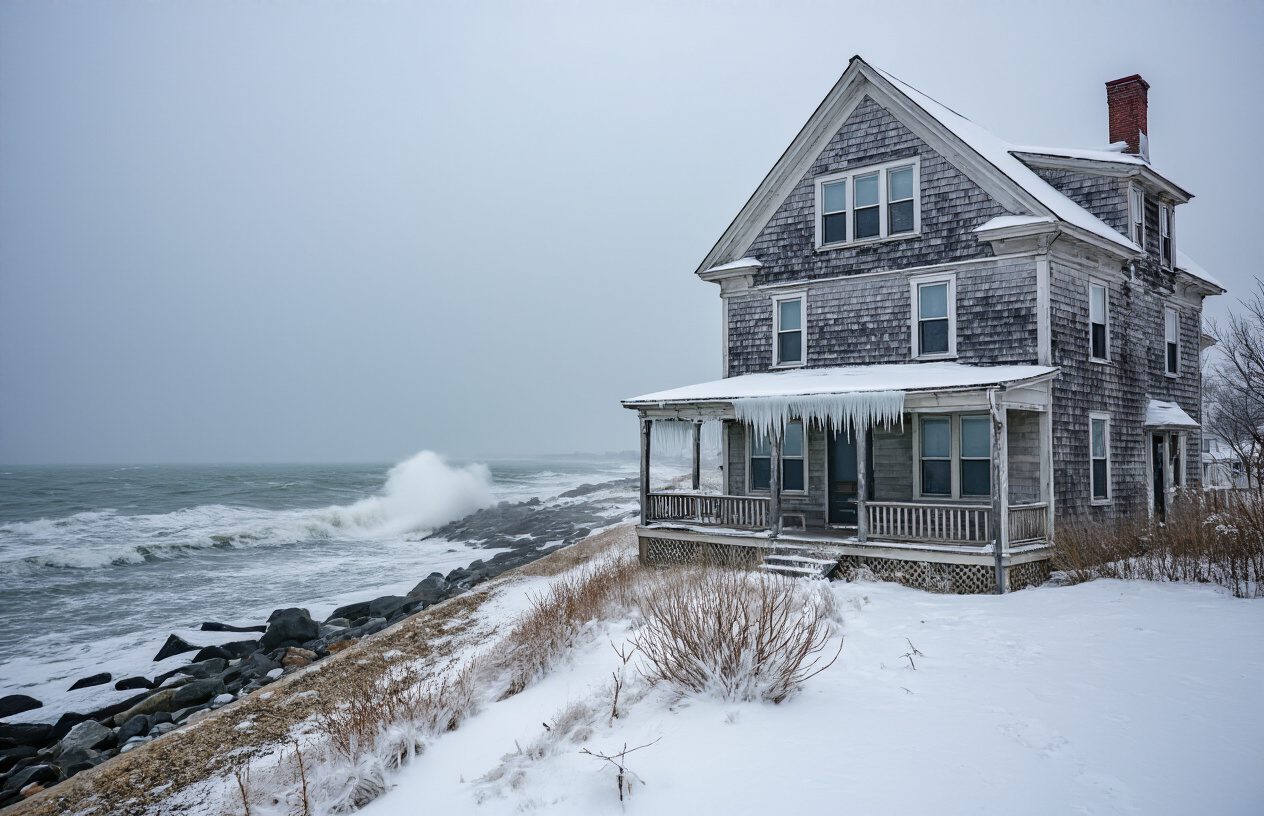
Your coastal Rhode Island home faces unique challenges that inland properties simply don’t experience. Living near the Atlantic Ocean means you’re in the direct path of nor’easters, hurricanes, and severe coastal storms that can knock out power for days or even weeks. These weather systems bring powerful winds that topple trees onto power lines, while storm surge can flood electrical infrastructure along the coast.
The Ocean State’s coastal communities like Newport, Narragansett, and Westerly experience some of the highest outage rates during winter months. When temperatures drop and your primary heating system goes offline, you need reliable emergency heating Rhode Island solutions ready to go. Unlike brief outages that last a few hours, coastal storms can leave you without power for extended periods, making backup heating systems coastal homes absolutely critical for your family’s safety and comfort.
Salt Air’s Impact on Heating Equipment
Your proximity to the ocean creates a corrosive environment that’s tough on heating equipment. Salt-laden air accelerates rust and corrosion on metal components in your HVAC system, potentially causing unexpected failures during the coldest months when you need heat most. This salty atmosphere affects everything from outdoor heat pump units to emergency generators, shortening their lifespan and increasing maintenance needs.
The constant exposure to salt air means your backup heating equipment requires more frequent inspections and cleaning. Metal components in portable heaters, generator exhaust systems, and fuel storage tanks all face accelerated wear. You’ll want to choose emergency heating options with corrosion-resistant materials or protective coatings specifically designed for coastal environments.
High Humidity and Temperature Fluctuations
Rhode Island’s coastal climate brings rapid temperature swings and persistent humidity that can wreak havoc on your heating systems. One day you might see 50-degree weather, and the next morning you’re dealing with freezing temperatures and ice storms. These dramatic shifts put extra stress on your primary heating system, increasing the likelihood of breakdowns when you least expect them.
High humidity levels also affect how efficiently your emergency heating works. Moisture in the air makes spaces feel colder than they actually are, meaning your backup heating system has to work harder to maintain comfort. This is especially important when selecting portable electric heaters power outage solutions, as humid conditions can impact their effectiveness and create safety concerns with electrical equipment.
Limited Access During Emergency Situations
When severe weather hits your coastal area, emergency services and repair crews often can’t reach your home for days. Flooded roads, downed power lines, and debris-blocked streets mean you’re essentially on your own until conditions improve. This isolation makes having multiple fuel based heating without electricity options even more important for your emergency preparedness plan.
Your location might also limit fuel delivery during emergencies. Propane trucks, heating oil deliveries, and even emergency services may not be able to navigate storm-damaged coastal roads. Winter Storm HVAC Protection RI becomes especially critical when you consider these access limitations. Planning ahead with adequate fuel supplies and multiple heating backup options gives you the independence you need to weather any storm safely.
Portable Electric Heating Solutions for Quick Relief
 Space Heaters for Immediate Room Warming
 Space Heaters for Immediate Room Warming
When your main heating system fails during a coastal Rhode Island winter, space heaters become your first line of defense against the cold. These portable electric heaters can quickly warm individual rooms, making them perfect for focusing heat where you need it most. Modern space heaters come in several varieties, each with distinct advantages for emergency situations.
Ceramic space heaters offer excellent heating efficiency and typically include built-in safety features like tip-over protection and overheat shutoffs. Fan-forced models circulate warm air quickly throughout a room, while oil-filled radiator heaters provide steady, gentle heat that continues warming even after you turn them off.
For emergency heating Rhode Island residents, choosing the right wattage matters. A 1,500-watt heater can effectively warm rooms up to 150 square feet, making it ideal for bedrooms or home offices. Remember that running multiple space heaters simultaneously can overload your electrical circuits, so plan your usage carefully.
Safety features should be non-negotiable. Look for heaters with automatic shutoff timers, cool-touch exteriors, and UL certification. Position your heater at least three feet away from curtains, furniture, and other combustible materials.
Electric Fireplaces for Aesthetic and Functional Heat
Electric fireplaces combine the cozy ambiance of a traditional fireplace with the convenience of plug-and-play installation. These units provide substantial heat output while creating a welcoming atmosphere during stressful power restoration periods.
Most electric fireplaces generate 4,000 to 5,000 BTUs, enough to heat spaces between 400-500 square feet. Unlike space heaters, many electric fireplaces feature separate flame and heat controls, allowing you to enjoy the visual comfort of flickering flames without additional heat when desired.
Installation is remarkably simple – many models simply plug into standard electrical outlets, while others can be hardwired for permanent placement. Mantel-style units can replace traditional fireplace inserts, while wall-mounted versions save floor space in smaller rooms.
The realistic flame effects using LED technology consume minimal electricity, making them energy-efficient even during extended use. Many models include remote controls and programmable thermostats, allowing you to maintain comfortable temperatures without constant adjustment.
Radiant Panel Heaters for Efficient Energy Use
Radiant panel heaters represent one of the most energy-efficient portable electric heating options available. These slim, lightweight units heat objects and people directly rather than warming the air, creating comfortable environments while using less electricity than traditional space heaters.
Wall-mounted radiant panels blend seamlessly into your home’s decor while providing consistent, gentle heat. They operate silently, making them perfect for bedrooms or quiet spaces where fan noise from traditional heaters might be disruptive. The absence of moving parts also means less maintenance and longer lifespan.
Infrared radiant heaters work especially well in drafty coastal homes because they heat you directly, regardless of air movement. This makes them incredibly effective during power outages when your home’s insulation and weatherproofing are your only defenses against cold ocean winds.
Energy consumption typically ranges from 300 to 1,500 watts, and many models feature multiple heat settings for precise temperature control. The quick warm-up time means you’ll feel heat within minutes of turning them on, providing immediate relief during heating emergencies.
Before investing in any electric heating solution, ensure your home’s electrical system can handle the additional load, especially if you’re planning to run multiple units simultaneously. Consider having your electrical panel inspected as part of your Fall HVAC Checklist to identify any potential issues before emergency situations arise.
Fuel-Based Backup Heating Systems That Work Without Electricity

Propane Heaters for Reliable Indoor Warmth
When the power goes out during those harsh Rhode Island coastal storms, propane heaters become your best friend for emergency heating. These units work completely independently of electricity, making them perfect for extended power outages. You’ll find two main types: ventless (vent-free) models that heat rooms directly, and vented models that require a chimney or wall vent.
Ventless propane heaters offer the most flexibility since you can move them wherever you need heat most. They’re incredibly efficient, converting nearly 100% of the fuel into usable heat. Most models come with built-in safety features like oxygen depletion sensors and tip-over switches. For your coastal Rhode Island home, look for units rated between 10,000-30,000 BTUs, which can effectively heat spaces from 250 to 1,000 square feet.
The biggest advantage? You can stock up on propane cylinders ahead of storm season. A standard 20-pound tank will run a medium-sized heater for 10-15 hours, giving you plenty of backup heating time. Just remember to keep spare tanks stored properly outdoors and always ensure adequate ventilation when using these heaters indoors.
Kerosene Heaters for Long-Duration Heating
Kerosene heaters excel at providing consistent, long-lasting warmth without any electrical connection. These workhorses can run for 8-12 hours on a single tank, making them ideal for overnight heating during extended outages. You’ll appreciate their simple operation and the fact that kerosene burns cleanly when you use the right grade fuel.
Modern kerosene heaters come with automatic shut-off features and adjustable flame controls, letting you dial in the perfect temperature for your space. They’re particularly effective in larger rooms since they distribute heat evenly through both radiant and convective warming. For coastal homes, choose models with at least 23,000 BTU output to handle the extra heat loss from wind and humidity.
Stock up on K-1 kerosene (never use anything else) and store it in approved containers away from your home. The fuel stays stable for years when stored properly, so you can buy it during summer sales. Always keep windows cracked slightly for ventilation, and never refuel a hot heater.
Wood-Burning Stoves for Traditional Comfort
Nothing beats the reliable heat of a wood-burning stove when winter storms knock out power along the Rhode Island coast. These systems provide radiant heat that warms both your body and nearby objects, creating that cozy comfort you can’t get from other heating methods. Modern EPA-certified stoves burn incredibly efficiently, squeezing maximum heat from every log.
If you’re considering wood stove backup heating, think about installation during warmer months. You’ll need proper chimney setup and clearances from combustible materials. Many homeowners find that a single well-placed stove can heat their entire main living area, even during the coldest winter days.
The key to success lies in proper wood preparation. Season your hardwood for at least six months, aiming for moisture content below 20%. Oak, maple, and hickory provide long-burning, high-heat fires perfect for overnight heating. Stack your wood in a dry, covered area with good airflow. When storms approach, bring several days’ worth inside to keep it dry and ready to burn.
Natural Gas Fireplaces with Manual Controls
Your existing natural gas fireplace can become an excellent backup heating source with the right setup. Many modern gas fireplaces come with battery backup systems or manual controls that let you operate them during power outages. These systems typically use a piezo igniter or match-light pilot system that works without electricity.
Gas fireplaces with manual controls can heat your main living areas effectively, often producing 20,000-40,000 BTUs of heat output. They’re safer than portable alternatives since they’re permanently installed with proper venting systems. The natural gas supply typically remains active during power outages, giving you reliable fuel access when you need it most.
If your current gas fireplace requires electricity to operate, consider upgrading the control system. A qualified technician can often retrofit manual controls or battery backup systems. For those planning ahead for Winter Storm HVAC Protection, this upgrade provides peace of mind knowing you’ll have dependable heat regardless of power status.
Keep extra batteries on hand for battery-operated systems, and know how to manually light your pilot if needed. Test your manual controls before storm season arrives so you’re comfortable with the process when you actually need backup heat.
Generator-Powered Solutions for Extended Outages

Portable Generators for Temporary Power Restoration
When your coastal Rhode Island home loses power during winter storms, portable generators become your lifeline for generator heating solutions. These versatile units can restore electricity to essential heating equipment like electric space heaters, heat pumps, or furnace blowers, keeping your family comfortable during outages.
You’ll want to choose a generator with sufficient wattage to handle your heating needs. Most electric space heaters require 1,500 watts, while heat pump systems may need 3,000-5,000 watts to start up. Look for generators in the 5,000-7,500 watt range to power multiple heating sources plus essential appliances.
Proper placement is critical for safety and effectiveness. Position your generator at least 20 feet from windows, doors, and vents to prevent carbon monoxide poisoning. Never operate generators indoors or in enclosed spaces, even garages. The salty coastal air in Rhode Island can corrode generator components faster, so invest in a weatherproof cover and perform regular maintenance.
Consider dual-fuel models that run on both gasoline and propane. Propane burns cleaner and stores longer than gasoline, making it ideal for emergency situations where fuel availability might be limited during severe coastal weather.
Whole-House Generators for Seamless Heating Continuation
Whole-house generators offer the ultimate protection for your coastal home’s heating system during extended outages. These permanently installed units automatically detect power loss and restore electricity to your entire home within seconds, ensuring your heating system never stops running.
Natural gas or propane-powered whole-house generators provide reliable fuel sources that aren’t affected by supply disruptions common during major storms. Your heating system continues operating exactly as it would with grid power, maintaining consistent temperatures throughout your home.
Professional installation is required, but the investment pays off through seamless operation and increased home value. These systems range from 12kW units suitable for smaller homes to 26kW models that can power large coastal properties with multiple heating zones. Before winter storms hit, make sure you’re prepared by checking your Fall HVAC Checklist: Preparing Your Rhode Island Home for Winter to ensure your heating system is ready to work with your backup power solution.
Automatic transfer switches ensure safe operation by preventing dangerous back-feeding into utility lines. Weekly self-testing keeps the generator ready for action, and remote monitoring apps let you check system status from anywhere.
Solar Generators for Eco-Friendly Emergency Power
Solar generators offer clean, quiet emergency heating Rhode Island solutions that work without fuel or emissions. These battery-powered units with solar panels provide sustainable backup power for smaller heating appliances and can be recharged using sunlight even during multi-day outages.
Modern solar generators pack impressive capacity in portable units. High-end models store 2,000-6,000 watt-hours of energy, enough to run several electric space heaters for hours or power a small heat pump system temporarily. Built-in inverters convert stored DC power to AC electricity your heating equipment can use.
The main advantage is silent operation and zero emissions, making them safe for indoor use near living spaces. You can position solar panels outside while keeping the battery unit indoors, perfect for coastal homes where salt air and storms can damage equipment left outside.
Charging takes time, especially during Rhode Island’s cloudy winter days, so solar generators work best combined with other backup heating methods. Use them for targeted heating in essential rooms while relying on other solutions for whole-house warmth. Many units accept wall charging too, so you can top them off whenever grid power returns.
Investment costs are higher upfront, but solar generators require minimal maintenance and no ongoing fuel expenses, making them cost-effective long-term solutions for environmentally conscious homeowners.
Essential Safety Considerations for Emergency Heating
Carbon Monoxide Prevention and Detection
When you’re using fuel-based heating systems during a Rhode Island winter power outage, carbon monoxide (CO) poses the greatest threat to your family’s safety. This colorless, odorless gas can build up quickly in enclosed spaces, leading to serious health complications or death within hours.
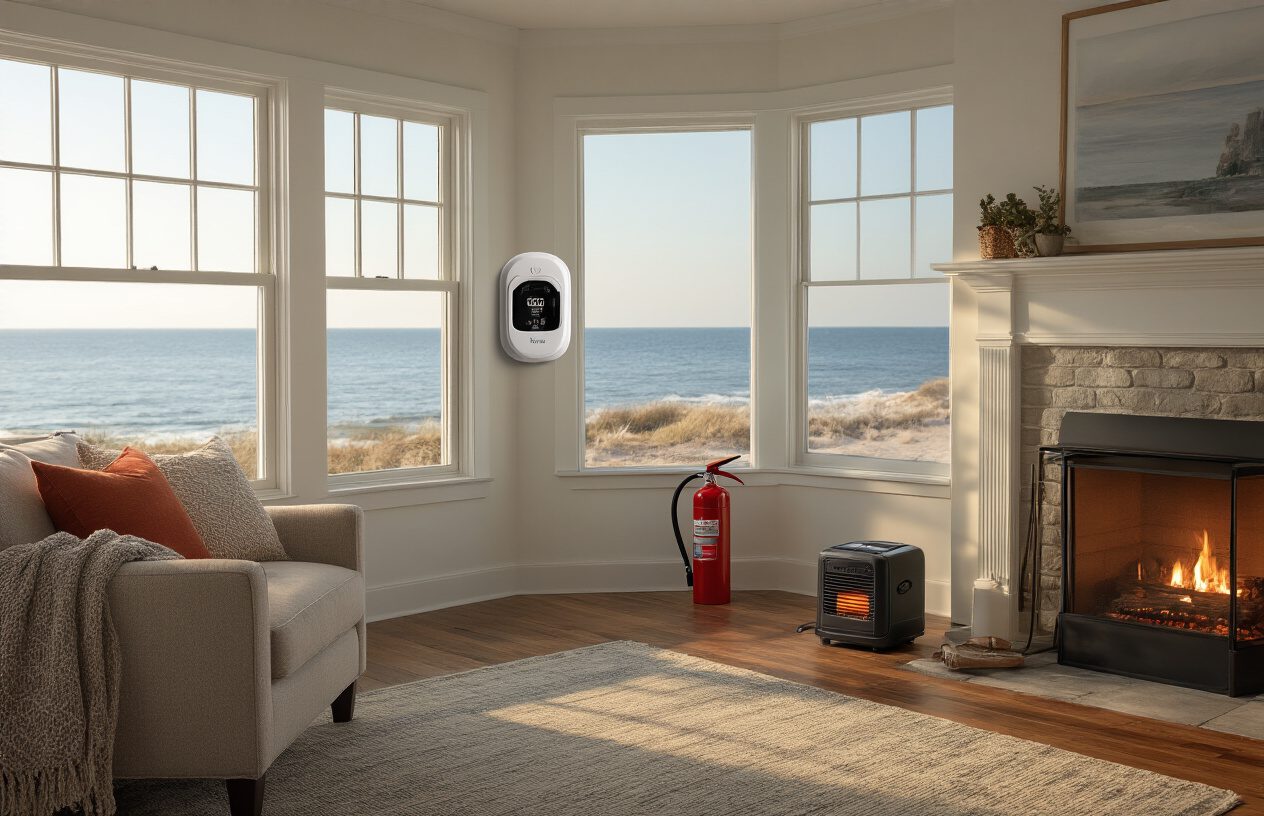
Install battery-operated or plug-in carbon monoxide detectors on every level of your home, especially near sleeping areas and backup heating sources. Check batteries monthly and replace detectors every 5-7 years. During emergencies, keep backup batteries readily available since your detectors become your lifeline when using propane heaters emergency use or other fuel-based systems.
Never operate generators, grills, camp stoves, or any fuel-burning appliances inside your home, garage, basement, or enclosed porch. These devices must stay at least 20 feet away from windows, doors, and air intake vents. Even brief indoor use can create deadly CO levels within minutes.
Watch for CO poisoning symptoms: headaches, dizziness, nausea, confusion, and fatigue. If your detector sounds or anyone shows these signs, immediately move everyone to fresh air and call 911. Don’t re-enter your home until emergency responders clear the area.
Proper Ventilation Requirements for Fuel-Based Heaters
Your backup heating systems need adequate airflow to operate safely and efficiently. Poor ventilation doesn’t just increase carbon monoxide risks – it also reduces heating effectiveness and wastes fuel.
When using portable propane or kerosene heaters, crack open a window slightly on the opposite side of the room from the heater. This creates cross-ventilation that allows fresh air in while letting combustion byproducts escape. Even a one-inch opening can make the difference between safe operation and dangerous gas buildup.
Wood-burning stoves and fireplaces require functioning chimneys or flue systems. Before winter storms hit, have your chimney professionally inspected and cleaned. During operation, always keep the damper fully open and ensure the cap and screen are clear of debris or ice.
Check that your heating equipment has proper clearances around it. Kerosene heaters need at least three feet of space on all sides, while wood stoves typically require 36 inches from combustible materials. These clearances aren’t just fire safety measures – they also help air circulate properly around the unit.
Fire Safety Protocols and Equipment Placement
Strategic placement of your emergency heating equipment can prevent house fires and protect your family. Different heating methods have specific requirements that you must follow religiously.
Position portable heaters on level, stable surfaces away from foot traffic. Keep them at least three feet from curtains, furniture, bedding, and anything else that could catch fire. Never place heaters on carpets, rugs, or other soft surfaces that could tip over or block air vents.
For wood stoves and fireplaces, install proper floor protection using fire-resistant materials like ceramic tile, stone, or metal. The protective area should extend at least 18 inches beyond the firebox opening and 8 inches on the sides.
Keep fire extinguishers within easy reach of all heating equipment. ABC-type extinguishers work on most fires, but never use water on grease or electrical fires. Know how to operate your extinguisher before you need it – pull the pin, aim at the base of flames, squeeze the handle, and sweep side to side.
Create and practice an escape plan with your family. During power outages when you’re relying on backup heating systems coastal homes typically face, visibility may be limited and normal routes could be blocked. Plan two ways out of every room and designate a meeting spot outside.
Emergency Supply Storage and Maintenance
Proper storage and maintenance of your emergency heating supplies prevents equipment failure when you need them most. Rhode Island’s coastal humidity and temperature fluctuations can damage poorly stored equipment and fuel.
Store extra fuel in original containers in cool, dry locations away from heat sources and direct sunlight. Propane tanks should stay upright in well-ventilated areas, never in basements or enclosed spaces. Rotate kerosene supplies annually since old fuel can clog burners and create dangerous fumes. Keep fuel containers at least 10 feet from ignition sources.
Service your backup heating equipment before each winter season. Clean kerosene heater wicks, test ignition systems, and replace worn parts. For wood stoves, inspect door gaskets, firebricks, and damper mechanisms. After winter storms, having properly maintained equipment can mean the difference between staying warm and facing dangerous conditions.
Stock essential maintenance supplies: extra wicks, batteries for CO detectors, firestarter materials, and basic tools. Keep waterproof matches and lighters in multiple locations since you’ll need reliable ignition sources when the power’s out.
Before winter arrives, consider following a comprehensive Fall HVAC Checklist: Preparing Your Rhode Island Home for Winter to ensure your primary heating system is ready and your backup plans are properly organized.
Cost-Effective Planning and Preparation Strategies
Budget-Friendly Heating Backup Options
You don’t need to break the bank to stay warm during power outages. Start with the most affordable solutions that pack the biggest punch for your dollar. Propane catalytic heaters offer excellent value, typically costing between $100-200 and providing efficient heat without electricity. These units burn clean and work great for heating single rooms or small spaces.
Consider investing in a quality wood stove if your home has proper ventilation. While the initial cost runs higher, wood remains one of the cheapest fuel sources, especially if you can source it locally. Portable kerosene heaters represent another cost-effective option, though you’ll need proper ventilation and regular fuel supplies.
For those on tight budgets, battery-powered electric blankets and sleeping bags rated for cold temperatures can keep you comfortable without heating entire rooms. Layer these with thermal clothing, and you can weather short outages comfortably while saving money on larger heating solutions.
Don’t overlook simple solutions like heavy curtains to retain heat, draft stoppers for doors and windows, and reflective emergency blankets that redirect body heat. These items cost under $50 combined but can significantly improve your home’s heat retention during emergencies.
Seasonal Maintenance for Optimal Performance
Your emergency heating Rhode Island systems need regular attention to work when you need them most. Before each heating season, clean and inspect all backup heating equipment thoroughly. Check fuel levels in propane tanks and rotate stored kerosene to prevent degradation.
Test battery-powered devices and replace old batteries with fresh ones. Clean dust and debris from portable electric heaters, ensuring vents remain unobstructed. Inspect power cords for damage, as frayed wiring creates serious fire hazards during emergency use.
For fuel-based systems, examine fuel lines, connections, and storage containers for leaks or corrosion. Replace worn gaskets and seals before problems develop. Keep spare parts like wicks, filters, and igniters on hand, as these small components often fail at the worst possible times.
Schedule annual maintenance for generators and wood stoves through qualified technicians. These systems require professional attention to operate safely and efficiently. Document maintenance dates and keep service records accessible, as this information helps identify patterns and predict future needs.
Clean chimneys and flues before using wood-burning equipment. Remove ash buildup from previous seasons and check for bird nests or other blockages that could create dangerous conditions.
Emergency Supply Stockpiling Guidelines
Smart stockpiling means having enough supplies without creating safety hazards or wasting money on expired materials. Plan for at least 72 hours of heating fuel, but consider extending this to one week for coastal Rhode Island homes that face extended outages from winter storms.
Store propane tanks outdoors in well-ventilated areas, never inside your home or attached garage. Keep tanks upright and protected from extreme temperature changes. Rotate your propane supply annually, using older tanks first to maintain fresh fuel reserves.
For kerosene storage, use only approved containers and add fuel stabilizer to prevent degradation. Store kerosene in cool, dry locations away from ignition sources. Label containers with purchase dates and rotate stock every two years to maintain fuel quality.
Stock extra batteries for flashlights, radios, and battery-powered heaters. Choose alkaline batteries for longer shelf life, and store them in moderate temperatures to preserve power. Consider rechargeable battery systems with solar chargers for sustainable power during extended outages.
Keep emergency supplies organized and easily accessible. Create an inventory list including expiration dates for batteries, fuel additives, and other time-sensitive items. Store everything in waterproof containers to protect against coastal moisture and flooding.
Before winter arrives, review your Fall HVAC Checklist: Preparing Your Rhode Island Home for Winter to ensure your primary heating system works efficiently, reducing your reliance on backup heating methods.
| Supply Type | Recommended Quantity | Storage Tips |
|---|---|---|
| Propane (20lb tanks) | 2-3 tanks | Store outdoors, upright |
| Kerosene | 5-10 gallons | Use approved containers |
| Batteries (various sizes) | 2 weeks supply | Cool, dry storage |
| Emergency blankets | 1 per person + extras | Compact storage bags |
| Fire extinguisher | 1 per heating device | Annual pressure check |
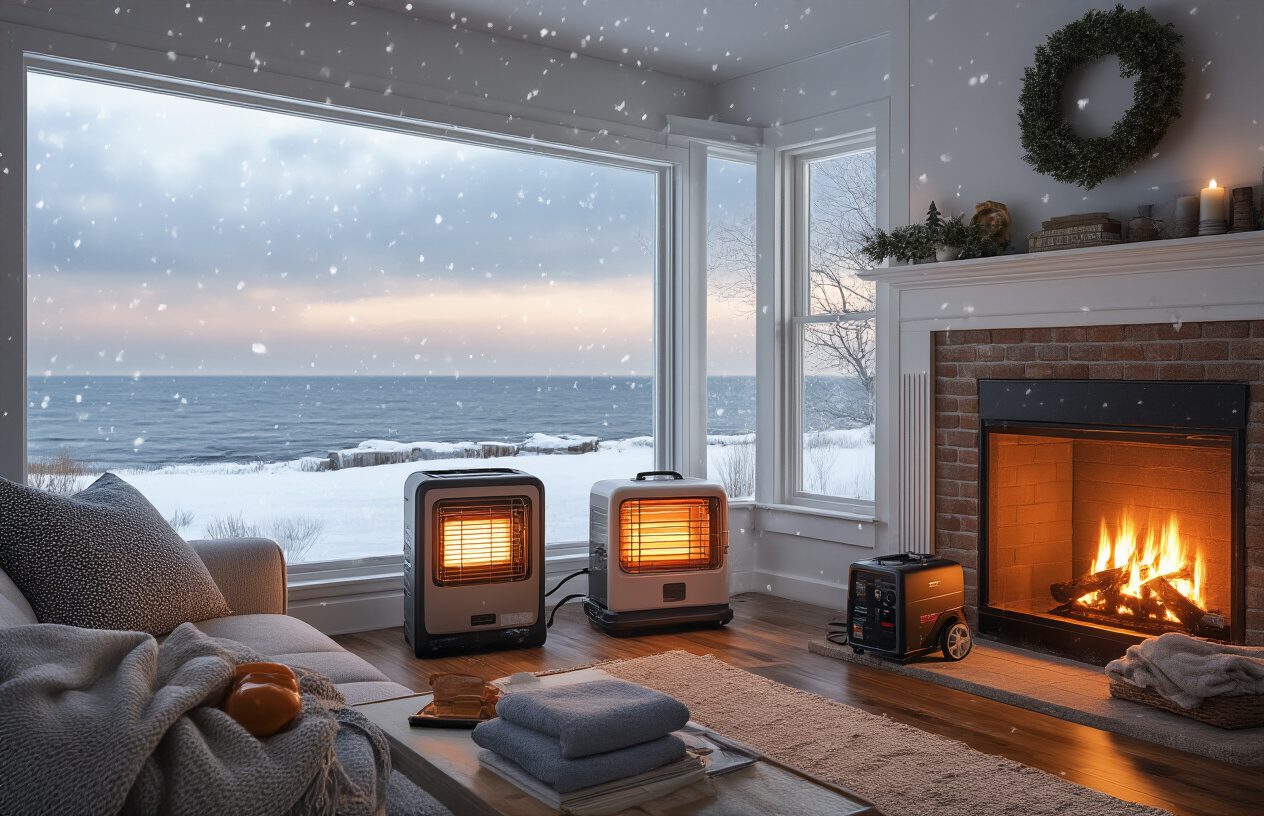
Living on the Rhode Island coast means dealing with unique heating challenges that require smart backup planning. You now have a clear roadmap for protecting your home during power outages, from portable electric heaters for short-term relief to fuel-based systems and generators for extended emergencies. Remember that safety always comes first – proper ventilation, carbon monoxide detectors, and following manufacturer guidelines can save your life.
Your best defense against coastal storms and heating emergencies is preparation before you need it. Start by assessing your home’s specific needs, then gradually build your backup heating arsenal within your budget. Don’t wait until the next nor’easter hits to discover your heating system has failed. Take action now to secure backup options, create an emergency plan, and ensure your family stays warm and safe when Mother Nature tests your preparedness.
Don’t Get Caught Without Heat During the Next Power Outage
When coastal storms knock out power, you need backup heating solutions you can count on. UGNasons has been keeping Rhode Island families warm through emergencies for over 100 years, and we know exactly what works when the lights go out. Our emergency heating specialists can design and install backup systems tailored to your home’s needs and budget, from generator-powered solutions to alternative heating options. Don’t wait until you’re sitting in the cold—plan ahead with Rhode Island’s emergency heating experts. Contact UGNasons at (401) 847-0675 or visit our Newport location today to discuss your backup heating options and ensure your family stays comfortable no matter what.