

Are you tired of sky-high heating bills during Rhode Island’s harsh winters and wondering if smart thermostats Rhode Island homeowners rave about are actually worth your money? With energy costs climbing and old heating systems working overtime, you might be considering an upgrade to save cash and stay comfortable year-round.
This guide is for Rhode Island homeowners who want straight answers about whether smart thermostats deliver real savings and convenience. You’ll get the facts without the sales pitch, so you can make a smart decision for your home and budget.
We’ll break down how smart thermostats work and what features actually matter for your daily life. You’ll also discover the real energy savings smart thermostat technology can deliver in Rhode Island’s unique climate, plus get a clear picture of installation costs and when you can expect to see your investment pay off. By the end, you’ll know exactly which smart thermostat features make sense for your home and whether the upgrade fits your budget.
Understanding Smart Thermostats and Their Key Features
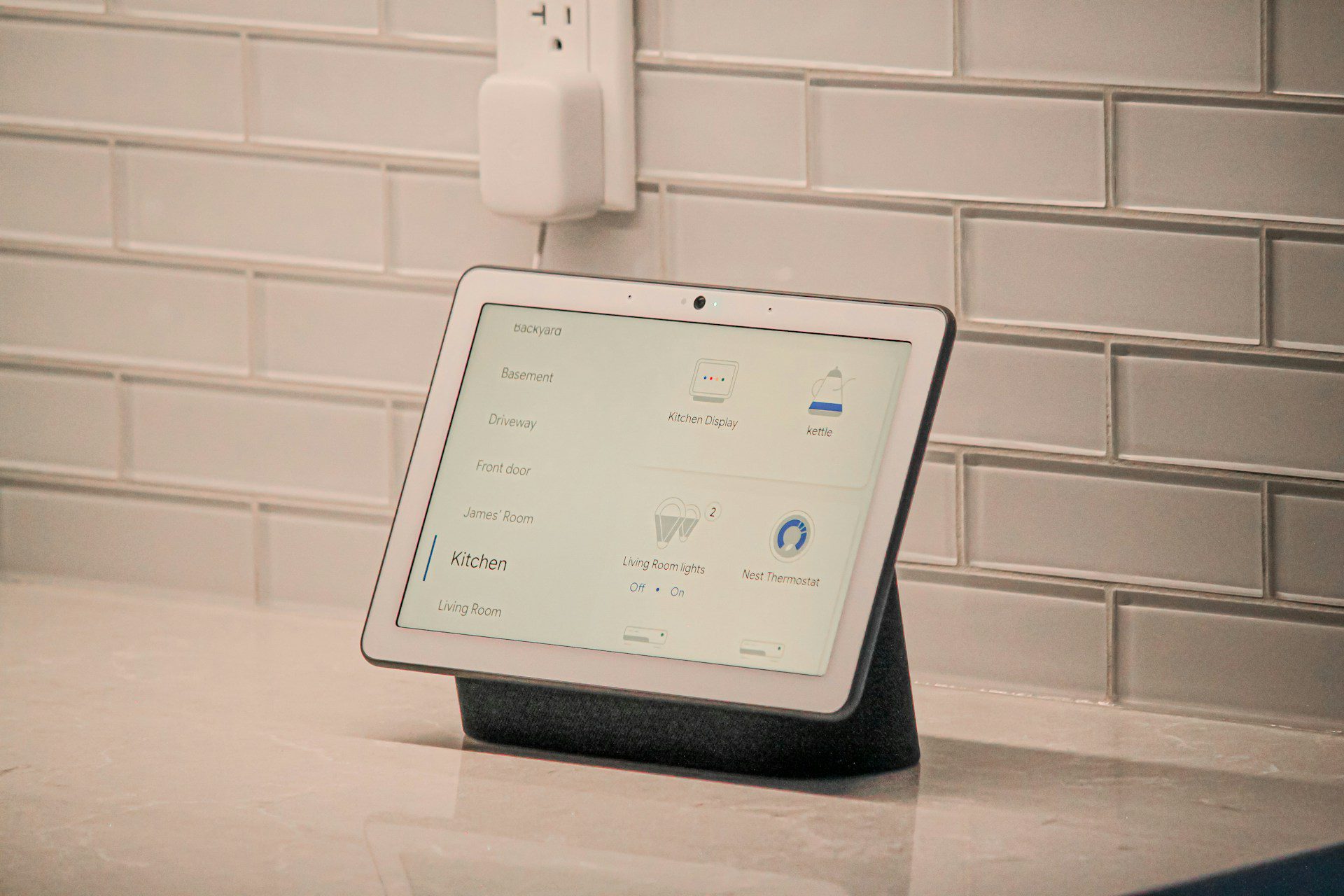
Wi-Fi connectivity and remote control capabilities
Your smart thermostat becomes truly smart when it connects to your home’s Wi-Fi network, transforming how you control your heating and cooling system. With this connection, you can adjust your home’s temperature from anywhere using your smartphone, tablet, or computer. Whether you’re stuck in traffic on I-95 or vacationing in Newport, you have complete control over your home’s climate settings.
This remote access proves particularly valuable during Rhode Island’s unpredictable weather patterns. When an unexpected cold snap hits or you need to cool down your home before arriving from a long day at work, you can make adjustments instantly without waiting until you walk through your front door.
Most smart thermostats also send you alerts and notifications about system issues, filter changes, or unusual energy usage patterns. You’ll receive these updates directly on your phone, helping you stay ahead of potential HVAC problems before they become costly repairs.
Learning algorithms that adapt to your schedule
Modern smart thermostats use advanced learning algorithms to study your daily routines and automatically adjust temperatures based on your preferences and schedule. After just a few weeks of use, your thermostat begins to recognize patterns—when you typically wake up, leave for work, return home, and go to sleep.
This adaptive technology eliminates the guesswork from temperature scheduling. Instead of manually programming different settings for weekdays and weekends, your smart thermostat learns these patterns organically. If you consistently lower the temperature at 10 PM or prefer it warmer on Sunday mornings, the system picks up on these preferences and starts making these adjustments automatically.
The learning capabilities extend beyond basic scheduling. Your thermostat can detect when you’re home based on your phone’s location or motion sensors, adjusting temperatures accordingly. This prevents wasted energy heating or cooling an empty house while ensuring your home reaches the perfect temperature by the time you arrive.
Energy usage tracking and detailed reporting
Your smart thermostat provides comprehensive insights into your energy consumption patterns through detailed reports and real-time tracking. These reports break down your heating and cooling usage by day, week, or month, showing you exactly where your energy dollars are going.
The detailed analytics reveal which times of day consume the most energy and how your usage compares to previous periods. You can see the impact of temperature adjustments, weather changes, and seasonal variations on your energy bills. This information proves invaluable for identifying opportunities to reduce your winter heating costs during Rhode Island’s harsh winter months.
Many smart thermostats also provide energy-saving tips based on your specific usage patterns. They might suggest optimal temperature settings, recommend when to use eco-modes, or alert you to unusually high consumption periods that warrant investigation.
Integration with smart home systems and voice assistants
Smart thermostats seamlessly integrate with popular voice assistants like Amazon Alexa, Google Assistant, and Apple’s Siri, allowing you to control your home’s temperature with simple voice commands. You can say “Hey Google, set the temperature to 72 degrees” or “Alexa, lower the thermostat by 3 degrees” without reaching for your phone or walking to the thermostat.
Integration extends beyond voice control to include comprehensive smart home ecosystems. Your thermostat can work alongside other smart devices like door sensors, window sensors, and occupancy detectors to create automated climate control scenarios. For example, your system can automatically adjust temperatures when smart locks detect you’ve left home or when motion sensors indicate no activity in certain rooms.
These integrations create a cohesive smart home experience where your thermostat communicates with other devices to optimize both comfort and energy efficiency. During Rhode Island’s variable climate conditions, this coordination helps maintain ideal indoor temperatures while minimizing energy waste through intelligent automation.
Rhode Island’s Climate Challenges and Energy Costs

Harsh winter heating demands and summer cooling needs
Rhode Island homeowners face a unique climate challenge that puts constant pressure on their energy bills. Your home needs to handle freezing temperatures that can drop well below 20°F during January and February, while also managing humid summers where temperatures regularly climb into the 80s and 90s. This dramatic seasonal swing means your HVAC system works overtime for most of the year.
Winter heating demands dominate your energy consumption from November through March. The Ocean State’s coastal location brings moisture-heavy cold fronts that make the air feel even colder, forcing your heating system to run longer cycles. Snow and ice storms can last for days, keeping your furnace or heat pump working continuously to maintain comfortable indoor temperatures.
Summer brings its own set of challenges. The combination of high temperatures and Atlantic humidity creates sticky, uncomfortable conditions that push your air conditioning system to its limits. Unlike drier climates where temperatures drop significantly at night, Rhode Island’s summer evenings often remain warm and muggy, preventing your home from naturally cooling down.
High electricity rates and natural gas prices in the state
Your energy costs in Rhode Island consistently rank among the highest in the nation. Electricity rates typically hover around 22-24 cents per kilowatt-hour, nearly double the national average. This premium pricing means every hour your heating or cooling system runs costs significantly more than what homeowners in other states pay.
Natural gas prices in Rhode Island also exceed national averages due to limited pipeline capacity and the state’s reliance on regional suppliers. Winter heating costs can easily reach $200-400 per month for average-sized homes, especially during particularly cold snaps when your system runs constantly.
These high energy rates make smart thermostats Rhode Island homeowners install particularly valuable investments. Even small efficiency improvements translate to meaningful dollar savings when you’re paying premium rates for every unit of energy consumed. Winter heating costs can quickly spiral out of control without proper temperature management.
Seasonal temperature fluctuations requiring year-round climate control
Your Rhode Island home experiences dramatic temperature swings that require active climate control for at least 8-9 months of the year. Spring and fall bring unpredictable weather patterns where you might need heating in the morning and cooling in the afternoon of the same day.
These constant adjustments put tremendous strain on traditional programmable thermostats, which struggle to adapt to rapidly changing conditions. You end up manually overriding settings multiple times per day, often forgetting to change them back and wasting energy heating or cooling an empty house.
The coastal influence adds another layer of complexity. Ocean breezes can create 10-15 degree temperature differences between inland and coastal areas, making it difficult to predict exactly when you’ll need climate control. Morning fog in summer can keep temperatures cool until noon, then suddenly give way to blazing afternoon sun that sends indoor temperatures soaring.
Smart thermostats excel in this challenging environment because they learn your patterns and adjust automatically to changing conditions. They can detect when you’re away during those unpredictable spring days when you might normally leave the heat on, and they’ll optimize energy use during those long summer afternoons when traditional systems would keep running unnecessarily.
Potential Energy Savings and Cost Reductions
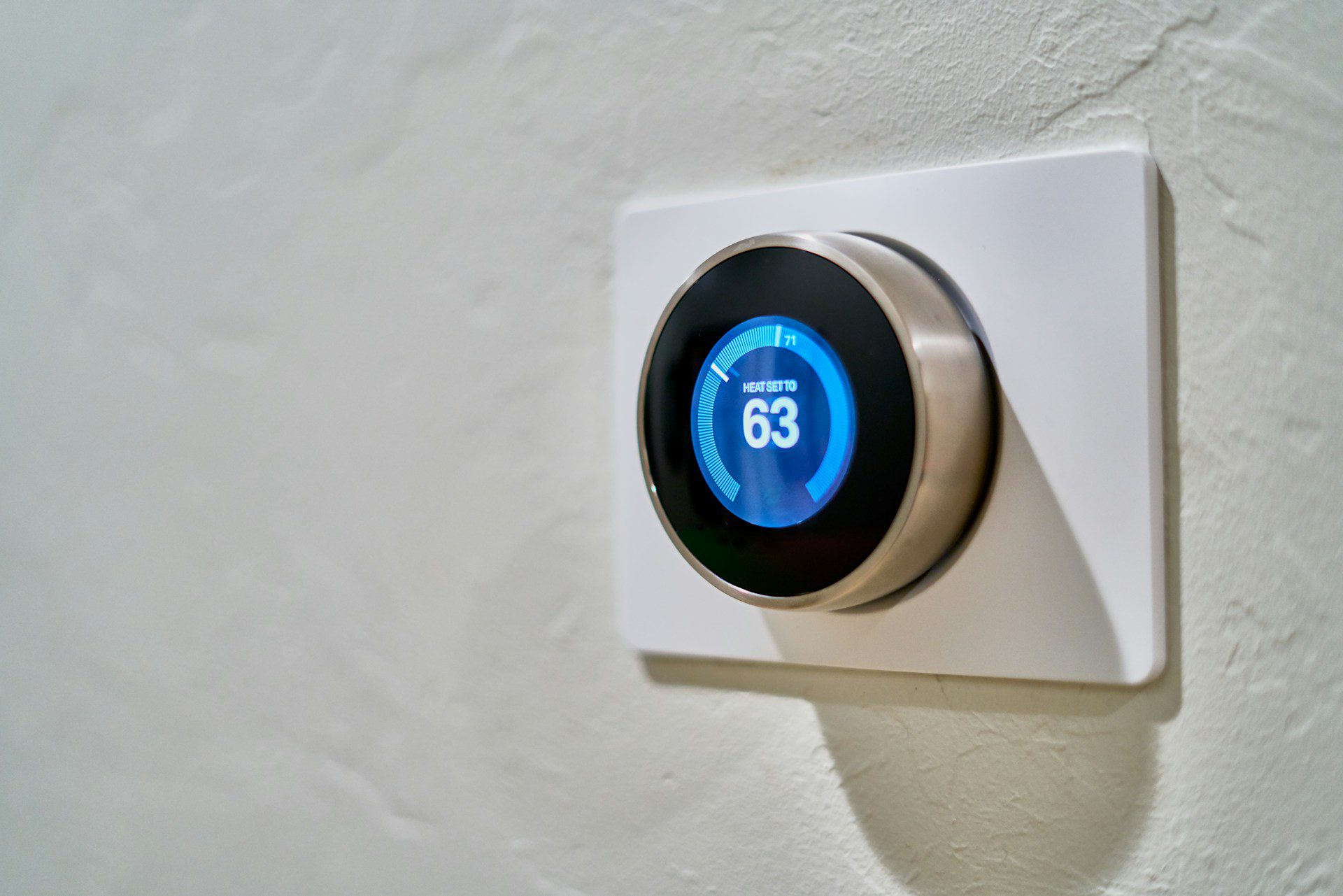
Average percentage reduction in heating and cooling bills
You can expect to see significant reductions in your energy bills after installing smart thermostats Rhode Island homes. Most homeowners report savings between 10-15% on their heating costs and 8-12% on cooling expenses. These percentages translate to real dollars when you consider Rhode Island’s above-average energy costs, which can reach $2,000-$3,000 annually for heating and cooling in a typical home.
The savings become even more impressive during extreme weather months. Your smart thermostat works harder during Rhode Island’s humid summers and cold winters, automatically adjusting temperatures based on occupancy patterns and outdoor conditions. Many users discover their actual savings exceed the advertised ranges, especially when they take full advantage of advanced features like learning algorithms and weather-based adjustments.
Optimized scheduling eliminates energy waste from forgotten adjustments
Your busy lifestyle often means forgetting to adjust your thermostat when leaving for work or going to bed. Smart thermostats solve this problem by learning your routine and automatically creating optimal temperature schedules. The system remembers when you typically wake up, leave for work, return home, and go to sleep, then adjusts accordingly without any input from you.
This automated scheduling prevents common energy waste scenarios like heating an empty house all day or running the air conditioner while you’re at work. Your smart thermostat can also detect when you deviate from your normal schedule and adapt in real-time, ensuring you never waste energy on unnecessary heating or cooling.
Geofencing technology prevents heating and cooling empty homes
Geofencing takes energy savings to the next level by using your smartphone’s location to determine when you’re home or away. When you leave your designated area (usually within a few miles of your house), your smart thermostat automatically switches to an energy-saving mode. As you approach home, it begins bringing the temperature back to your preferred comfort level.
This technology proves especially valuable for Rhode Island residents with unpredictable schedules or frequent travelers. You’ll never again heat or cool an empty house for hours because you forgot to adjust the thermostat before leaving unexpectedly. The system works seamlessly in the background, and you can customize the geofence radius and temperature adjustments to match your preferences.
Utility rebates and incentive programs available to Rhode Island residents
Rhode Island offers several financial incentives that make smart thermostat installation more affordable. National Grid provides rebates up to $100 for qualifying ENERGY STAR certified smart thermostats through their EnergyWise program. These rebates can cover a significant portion of your initial investment, improving your overall return on investment.
You may also qualify for additional savings through federal tax credits and manufacturer rebates. Some utility companies offer seasonal promotions with enhanced rebate amounts, particularly during peak installation periods. Before purchasing your smart thermostat, check with your utility provider about current programs and requirements. Many rebates require professional installation, which actually works in your favor since proper installation ensures optimal performance and maximum energy savings.
The combination of utility rebates, energy savings, and improved comfort makes smart thermostat ROI calculations even more favorable for Rhode Island homeowners.
Installation Considerations for Rhode Island Homes

Compatibility with existing HVAC systems in older New England homes
Your home’s age and HVAC system type play a huge role in determining which smart thermostat installation Rhode Island homeowners can successfully complete. Many Rhode Island homes were built decades ago when heating systems were simpler, and you might find yourself dealing with older boilers, radiators, or heat pumps that weren’t designed with modern technology in mind.
If you have a traditional forced-air system with standard heating and cooling, you’re in luck – most smart thermostats work seamlessly with these setups. However, older homes often feature heating-only systems, radiant heating, or multi-zone configurations that require specific compatibility checks before you invest in any device.
Steam radiators and hot water baseboard systems present unique challenges. These systems typically use simple on/off controls rather than the variable temperature management that smart thermostats excel at providing. You’ll need to verify that your chosen model can handle these heating methods effectively.
Heat pumps, increasingly popular in Rhode Island’s climate, require smart thermostats with specific heat pump compatibility features. Standard models might cause your system to rely too heavily on backup heating, which defeats the energy savings smart thermostat benefits you’re hoping to achieve.
Before purchasing any model, photograph your current thermostat’s wiring and research whether your HVAC system’s voltage and control methods match your desired smart thermostat’s specifications. Many manufacturers provide online compatibility tools that can save you time and frustration.
Professional installation versus DIY setup options
The decision between professional installation and DIY setup depends largely on your comfort level with electrical work and your home’s specific wiring situation. Most smart thermostats come with detailed installation guides, and many homeowners successfully complete installations themselves within an hour or two.
DIY installation works best when you’re replacing a standard programmable thermostat with similar wiring requirements. If your existing thermostat has clearly labeled wires (typically red, white, green, yellow, and sometimes blue or orange), and your new smart thermostat requires the same connections, you can likely handle the swap yourself.
However, professional installation becomes essential when dealing with complex situations. Multi-zone systems, heat pumps without common wires, or unusual wiring configurations often require an HVAC technician’s expertise. Professional installers also ensure your system operates safely and efficiently from day one.
The thermostat installation cost Rhode Island professionals charge typically ranges from $150 to $300, depending on complexity. This investment often pays for itself through proper setup and avoiding potential damage from incorrect installation. Professional installers also help you understand your new system’s features and optimal programming for Rhode Island’s seasonal energy challenges.
Consider professional installation if you’re uncomfortable working with electrical components, if your current thermostat has unusual wiring, or if you want warranty protection that some manufacturers only offer with certified installation.
Electrical requirements and potential wiring upgrades needed
Smart thermostats require more power than traditional models, and your home’s existing wiring might need upgrades to support these advanced devices. The most common issue involves the “C-wire” or common wire, which provides continuous power that smart thermostats need for their Wi-Fi connectivity and digital displays.
Many older Rhode Island homes lack C-wires because previous thermostats didn’t require constant power. Without this wire, your smart thermostat might experience connectivity issues, battery drain problems, or complete system failures. You have several options to address missing C-wires: install a new wire from your HVAC system, use a C-wire adapter kit, or choose a smart thermostat specifically designed to work without common wires.
Voltage compatibility presents another consideration. Most residential systems operate on 24-volt AC power, but some older or high-voltage systems require different specifications. Installing the wrong thermostat on a high-voltage system can damage both the device and your heating equipment.
Wire gauge and condition matter too. Old, brittle wiring might need replacement to ensure reliable connections. Corroded connections or inadequate wire thickness can cause intermittent problems that are frustrating to diagnose and resolve.
If you’re planning significant electrical upgrades, coordinate with your electrician to potentially add smart thermostat wiring alongside other improvements. This approach often reduces overall costs compared to separate service calls and helps ensure your home’s electrical system can support other smart home devices you might add later.
Return on Investment Analysis

Upfront Costs Compared to Traditional Programmable Thermostats
When you’re considering the switch to a smart thermostat, the initial price difference is pretty clear. While traditional programmable thermostats cost between $25-$100, smart thermostats typically range from $150-$400 for the unit alone. Popular models like the Nest Learning Thermostat or Ecobee SmartThermostat fall into the $200-$300 range, making them roughly 3-5 times more expensive than basic programmable alternatives.
Your installation costs will vary depending on your current system and wiring. If you already have a C-wire (common wire) installed, professional installation in Rhode Island typically costs $100-$200. However, if your home needs additional wiring work, you could be looking at $200-$400 for installation. Some homeowners tackle the installation themselves, but given Rhode Island’s mix of older colonial homes and modern builds, professional installation often makes sense to avoid compatibility issues.
Break-Even Timeline Based on Average Rhode Island Energy Savings
Your payback period depends heavily on your current heating and cooling habits and Rhode Island’s energy costs. The average Rhode Island household spends about $2,400 annually on energy, with heating and cooling representing roughly 50-60% of that total.
Smart thermostats typically deliver 10-15% energy savings through features like learning your schedule, remote adjustments, and optimized heating and cooling cycles. For the average Rhode Island home, this translates to $120-$200 in annual savings. Based on these numbers, here’s your typical break-even timeline:
| Initial Investment | Annual Savings | Break-Even Point |
|---|---|---|
| $300 (thermostat) | $150 | 2 years |
| $500 (with installation) | $150 | 3.3 years |
| $400 (DIY installation) | $180 | 2.2 years |
Your break-even point accelerates if you’re currently using an older manual thermostat or if your home has zoning issues that smart thermostats can help optimize.
Long-Term Value Through Improved HVAC System Efficiency
Beyond direct energy savings, smart thermostats help extend your HVAC system’s lifespan by preventing unnecessary cycling and maintaining consistent temperatures. Your system works more efficiently when it’s not constantly starting and stopping, which reduces wear on components like compressors and heat exchangers.
Smart thermostats provide detailed usage reports that help you spot potential issues early. You’ll receive alerts about unusual runtime patterns or maintenance reminders, potentially saving you hundreds in emergency repairs. Many models also offer HVAC monitoring features that can detect when your system isn’t performing optimally, allowing for preventive maintenance rather than costly breakdowns.
The precision temperature control also means your system doesn’t have to work as hard to maintain comfort levels. This reduced strain can add 2-5 years to your HVAC system’s life, representing thousands of dollars in avoided replacement costs.
Increased Home Resale Value with Smart Home Technology
Smart thermostats are increasingly expected in today’s housing market, especially among younger buyers who prioritize energy efficiency and smart home features. Real estate professionals in Rhode Island report that homes with smart thermostats and other connected devices tend to sell 3-5% faster than comparable homes without these features.
While you shouldn’t expect to recoup the full cost of your smart thermostat in resale value, it contributes to your home’s overall appeal and modern feel. The energy savings data that smart thermostats provide can also be valuable selling points, as potential buyers can see actual efficiency numbers rather than just estimates.
Your smart thermostat ROI becomes even more attractive when you consider it as part of a broader smart home ecosystem that appeals to tech-savvy buyers increasingly common in Rhode Island’s competitive housing market.
Choosing the Right Smart Thermostat Model
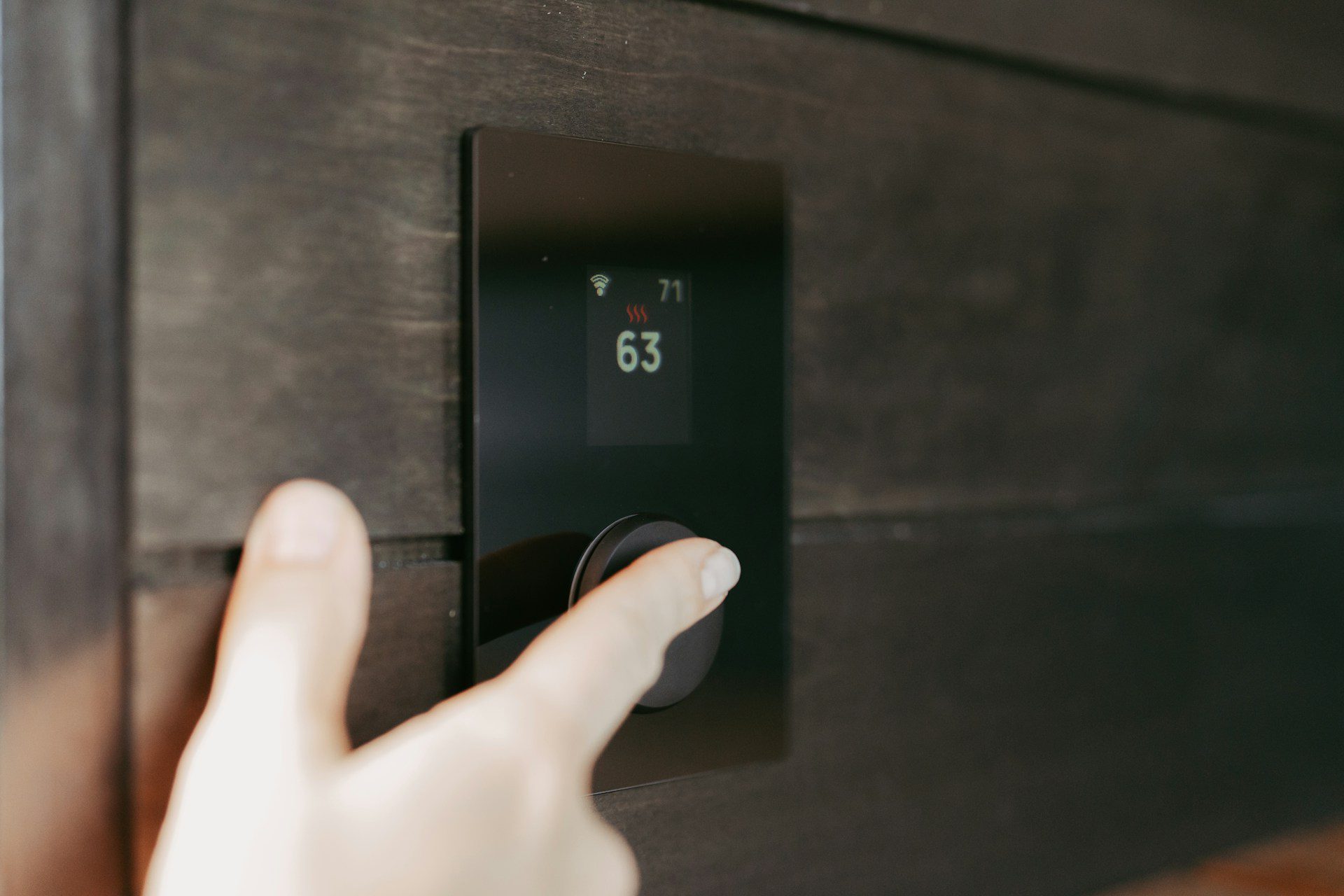
Budget-friendly options with essential smart features
You don’t need to break the bank to enjoy the benefits of smart thermostats Rhode Island homeowners love. Entry-level models from brands like Honeywell, Emerson Sensi, and Amazon offer excellent value while delivering core smart features that can significantly impact your energy savings smart thermostat provides.
The Honeywell T5 Smart Thermostat typically costs between $100-150 and includes Wi-Fi connectivity, smartphone app control, and basic scheduling capabilities. You can adjust your home’s temperature remotely, which proves especially valuable during Rhode Island’s unpredictable weather patterns. The Emerson Sensi Touch offers similar functionality with an intuitive touchscreen interface for around $130-180.
These budget models support geofencing technology, allowing your thermostat to detect when you’re away and automatically adjust temperatures. This feature alone can reduce your heating and cooling costs by 10-15% annually. Most entry-level options also work with popular voice assistants like Alexa and Google Assistant, giving you hands-free control without requiring additional smart home investments.
While these models lack advanced learning algorithms, they still provide substantial energy efficiency improvements over traditional programmable thermostats. You’ll get flexible scheduling options, usage reports, and maintenance reminders that help optimize your HVAC system’s performance year-round.
Premium models with advanced learning and integration capabilities
Premium smart thermostats represent the pinnacle of home climate control technology, offering sophisticated features that justify their higher price points for many Rhode Island homeowners. The Google Nest Learning Thermostat ($200-250) and Ecobee SmartThermostat with Voice Control ($220-280) lead this category with impressive capabilities.
These advanced models use machine learning to study your daily routines and preferences, automatically creating personalized schedules without any programming required. The Nest learns your habits within a week and can reduce energy consumption by up to 15% through intelligent temperature adjustments based on occupancy patterns and outdoor weather conditions.
Room sensors set premium models apart significantly. Ecobee thermostats include remote sensors that monitor temperature and occupancy in multiple rooms, ensuring balanced comfort throughout your home. This feature proves particularly valuable in Rhode Island homes where varying sun exposure and room layouts create temperature inconsistencies.
Advanced integration capabilities make these thermostats true smart home hubs. They connect seamlessly with other smart devices, from lighting systems to security cameras, creating automated scenes that enhance both comfort and energy efficiency. Professional installation often comes recommended for these sophisticated systems, though many Rhode Island homeowners successfully install them independently.
Brand reliability and customer support considerations
Your smart thermostat investment should provide years of reliable service, making brand reputation and support quality essential factors in your decision. Established HVAC companies like Honeywell and Emerson offer decades of experience in temperature control technology, translating to robust, dependable products with extensive compatibility across different heating and cooling systems.
Google Nest has built a strong reputation for software updates and long-term product support, regularly adding new features and maintaining security patches. Their customer service includes phone, chat, and email support, plus comprehensive online resources and video tutorials. Ecobee similarly provides excellent customer support with responsive technical assistance and detailed installation guides.
Consider warranty coverage when comparing brands. Most reputable manufacturers offer 2-3 year warranties covering defects and malfunctions. Some companies provide extended warranties or replacement programs, which can provide peace of mind for your investment.
Local support matters too. Check whether your chosen brand has authorized installers in Rhode Island who understand regional climate challenges and local building codes. Many manufacturers maintain online compatibility checkers to ensure their thermostats work with your existing HVAC system before purchase.
Research customer reviews specifically from other Rhode Island homeowners who face similar climate conditions. Cold winters and humid summers create unique demands on smart thermostats, so feedback from users in comparable environments provides valuable insights into real-world performance and reliability.
 Smart thermostats offer real value for Rhode Island homeowners dealing with harsh winters and rising energy costs. You’ll see meaningful savings on your heating and cooling bills, especially during those cold months when your system works hardest. The upfront cost typically pays for itself within two to three years through reduced energy usage, and many utility companies offer rebates that make the initial investment even more attractive.
Your success with a smart thermostat depends on choosing the right model for your home’s specific needs and ensuring proper installation. Take time to research features that matter most to you, whether that’s learning your schedule, remote control capabilities, or integration with other smart home devices. With Rhode Island’s challenging climate and energy costs continuing to climb, investing in a quality smart thermostat is a smart move that will keep paying dividends for years to come.
Ready to upgrade to a smart thermostat and start saving on your energy bills? The experts at UG Nasons can help you choose the perfect smart thermostat for your home and ensure it’s properly installed and configured with your existing HVAC system. With over 100 years of serving Rhode Island homeowners, we’ll make the transition seamless and get you enjoying the benefits of smart climate control right away. Call us today at (401) 847-0675 to discuss your smart home comfort upgrade!