
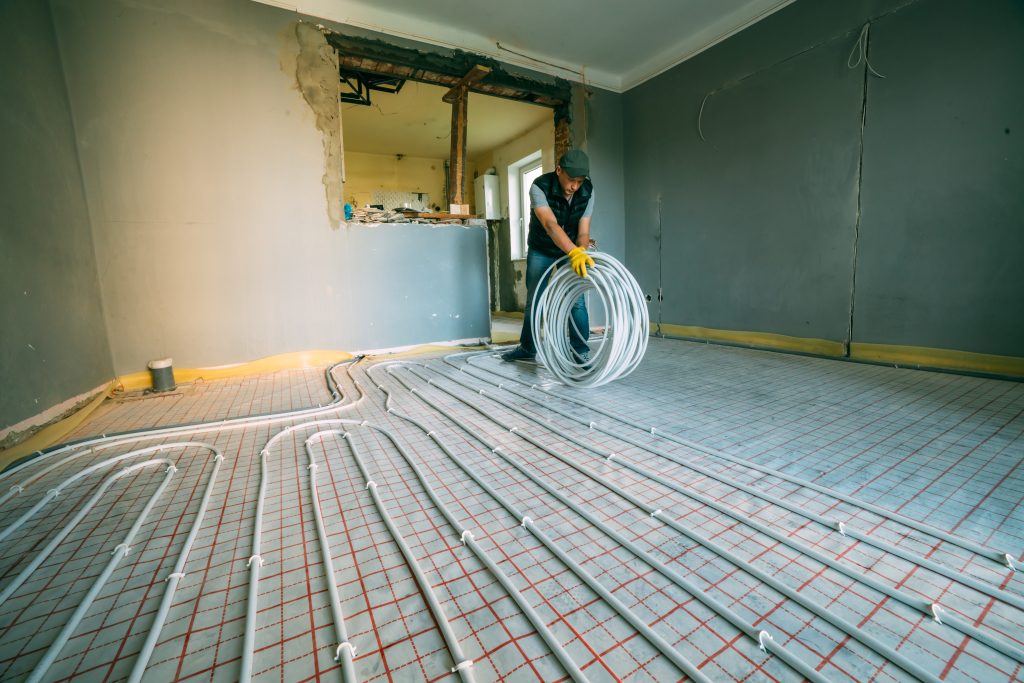
Replacing your home’s heating system is a big decision, especially when Rhode Island winter weather is on the way. You may be wondering how the contractor chooses the right equipment, what happens to your existing system, or how much work will take place inside your home.
A professional heating system installation involves more than bringing in a new furnace or boiler. The contractor needs to evaluate your home, plan the work, install the equipment correctly, and confirm that everything operates as intended.
Here’s what you can expect throughout the process.
Step 1: Evaluating Your Home and Existing Heating System
The first step is understanding how your home currently heats and what you want to improve.
Your contractor may ask whether certain rooms stay colder than others, whether your current equipment needs frequent repairs, and whether you’re considering a different type of heating system.
They should also look at the existing equipment and distribution system. A furnace typically moves heated air through ductwork, while a boiler circulates heated water through radiators, baseboards, or other hydronic components.
The home’s size, layout, insulation, and heating requirements matter too. Replacing an old system with equipment of the same capacity isn’t always the right choice, particularly if the original system was improperly sized or the home has changed.
In older Newport-area homes, equipment access and existing piping or ductwork can also influence the project.
A thorough evaluation helps establish what the installation actually requires.
Step 2: Choosing the Right Heating Equipment
Once the contractor understands your home, the next step is selecting suitable equipment.
Several types of residential heating systems may be considered:
- Furnaces heat air and distribute it through ducts.
- Boilers heat water for radiators, baseboards, and other hydronic systems.
- Heat pumps transfer heat into the home and may also provide cooling.
The best choice depends on more than the equipment itself. Existing ducts or piping, available fuels, home comfort needs, and the work required to make a change all deserve consideration.
For example, a house with functioning hydronic distribution may have different replacement options than one with forced-air ductwork. A home without existing ducts presents another set of questions.
UG Nasons’ Heating Services page provides an overview of its heating work.
Step 3: Reviewing the Estimate and Installation Plan
Before work begins, make sure you understand the proposed scope.
A written estimate should identify the equipment being recommended and explain the work included. Depending on the project, this may involve removing the existing unit, modifying connections, updating controls, or addressing ductwork, piping, or venting.
Ask whether permits, inspections, or utility coordination are required and how those responsibilities will be handled.
It’s also reasonable to ask about access to the work area, whether heating service will be interrupted, and what could change the installation plan.
A straightforward equipment replacement may be different from a project that changes the home’s heating technology or fuel source.
The important thing is knowing what has been included before installation starts.
Step 4: Preparing Your Home
Homeowners can help the installation go smoothly by making the equipment area accessible.
If your furnace or boiler is in a basement, clear a path for technicians and equipment. Move stored items away from the immediate workspace and ask whether other areas of the home will need to be accessed.
You may also want to discuss pets, parking, and any household scheduling concerns before installation day.
Your contractor should explain what preparation is necessary for your particular project. Don’t disconnect or move existing heating equipment yourself.
If your household depends on consistent indoor temperatures for health or other important reasons, discuss that concern when scheduling the work.
Step 5: Removing Old Equipment and Installing the New System
The installation itself depends on the type of heating system and the condition of the existing infrastructure.
For some projects, technicians remove an old furnace or boiler and install a suitable replacement using much of the existing distribution system.
Other installations require changes to piping, ductwork, electrical connections, venting, or controls.
A change from one heating technology to another can involve additional work. Natural gas availability, equipment placement, and existing home infrastructure may affect what’s possible.
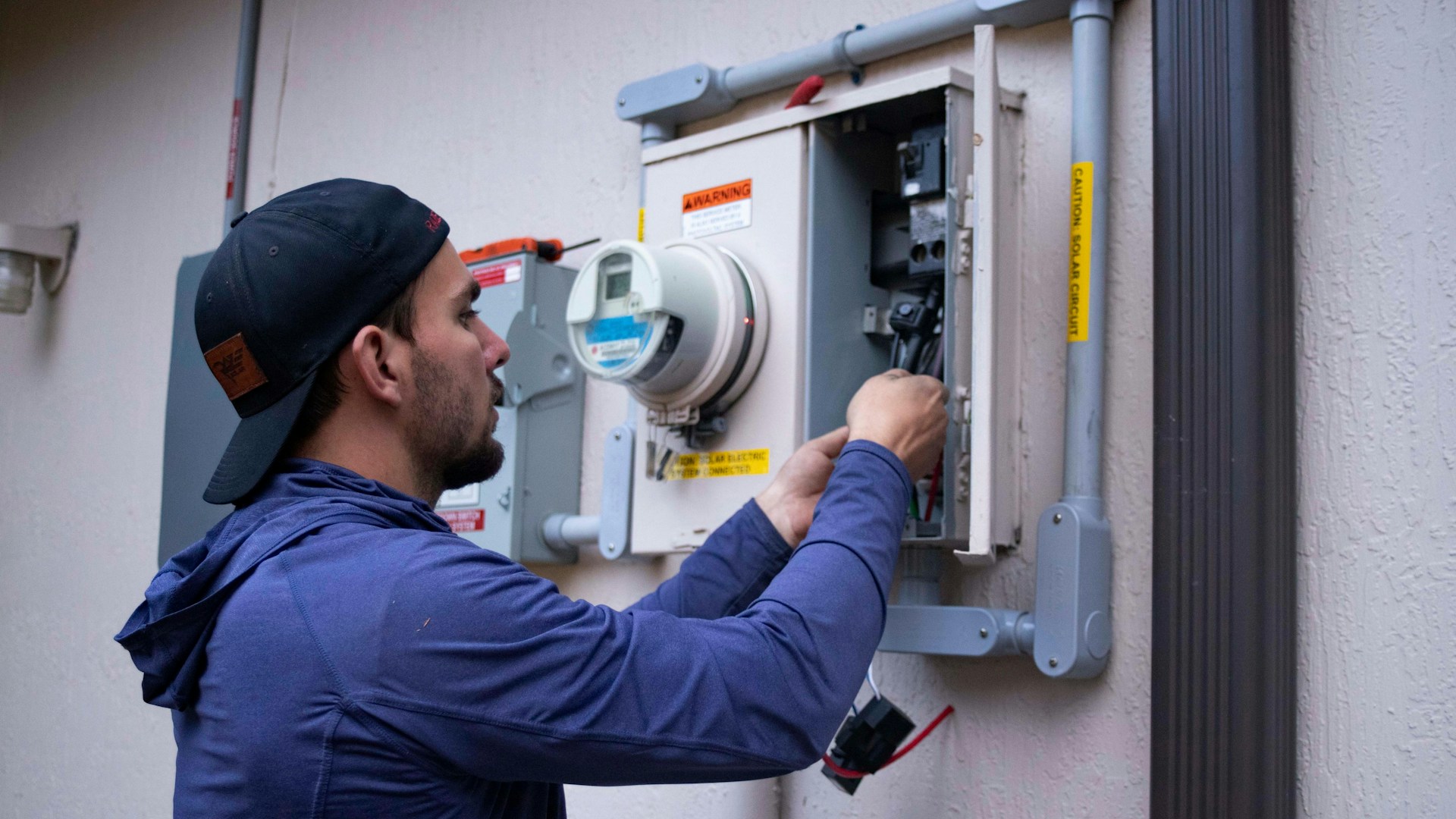
Heating equipment can involve electricity, combustion, fuel connections, and pressurized water. These are not appropriate areas for homeowner experimentation.
Qualified professionals should perform the work according to applicable requirements and the equipment manufacturer’s instructions.
Step 6: Testing and Checking System Operation
A heating installation isn’t finished just because the equipment is connected.
The contractor should complete the checks appropriate for the new system and verify that it responds correctly to its controls.
Depending on the equipment, that can include checking heating operation, distribution, controls, and relevant safety functions.
This is also the time to discuss anything unusual about how the system operates. A heat pump, for example, may behave differently from a traditional furnace.
If a room has historically been difficult to heat, ask whether the installation addressed that concern or whether additional distribution improvements may be needed.
Testing and a clear explanation help you understand what to expect when you begin using the new equipment.
Step 7: Learning How to Operate and Maintain Your System
Before the installation is complete, ask for a walkthrough.
Make sure you know how to use the thermostat or other controls, what routine maintenance the equipment requires, and which warning signs should prompt a service call.
Keep the equipment documentation and warranty information where you can find them.
Ask about filter replacement if you have a forced-air system, or other homeowner maintenance appropriate to the equipment installed.
You should also understand how to contact the contractor if a question comes up after the installation.
Questions to Ask Before Your Heating Installation
A few practical questions can help you compare proposals and prepare for the work:
- Why is this particular system recommended for my home?
- How was the appropriate equipment capacity determined?
- Will existing ductwork, piping, or controls need changes?
- What work is included in the estimate?
- Are permits or inspections needed?
- What should I do before installation day?
- What maintenance will the new system require?
If you’re comparing broader options, UG Nasons also provides information about residential HVAC systems and furnace service.
Plan Your Heating Installation With Confidence
A well-planned installation starts with understanding your home and ends with a system that’s been checked and explained to you.
Knowing the process helps you ask useful questions, understand your estimate, and prepare for the work without unnecessary surprises.
Considering a new heating system in Rhode Island? Contact UG Nasons to discuss your home and request an estimate.