

You’ve probably heard the warnings: “Heat pumps don’t work in cold weather” or “You’ll freeze when the temperature drops below 30°F.” If you’re a Rhode Island homeowner considering heat pump installation or wondering about your current system’s winter capabilities, you’re getting hit with conflicting information from every direction.
This guide is for Rhode Island homeowners who want straight answers about heat pump performance winter conditions, backed by real data instead of outdated assumptions. You deserve to know what modern cold climate heat pump efficiency actually looks like in your backyard, not in some theoretical lab.
We’ll tackle the persistent heat pump myths debunked by actual Rhode Island installations, show you how winter heat pump operation has dramatically improved with new technology, and break down the financial benefits that make heat pumps a smart choice even during our coldest months. You’ll also discover why proper installation and maintenance can make or break your system’s performance when the snow starts flying.
Stop second-guessing your heating decisions based on your neighbor’s horror story from 2010. Let’s dig into what heat pumps can really do in Rhode Island winters.
Common Myths About Heat Pump Winter Performance
 Heat pumps stop working below 32 degrees Fahrenheit
You’ve probably heard this myth countless times, and it’s simply not true for today’s heat pump technology. While older heat pumps from the 1980s and 1990s struggled in freezing temperatures, modern cold climate heat pumps operate efficiently well below 32°F. Advanced models can extract heat from outdoor air even when temperatures drop to -15°F or lower.
Your heat pump doesn’t magically shut down when the thermometer hits the freezing point. The refrigeration cycle continues working, though the unit may need to run defrost cycles more frequently to prevent ice buildup on the outdoor coil. These defrost cycles are completely normal and designed into the system’s operation. Rhode Island’s typical winter temperatures rarely challenge modern heat pump performance winter capabilities, making this myth particularly irrelevant for your home heating needs.
Electric backup heating negates all efficiency benefits
This misconception stems from misunderstanding how backup heating actually works in your system. Your heat pump doesn’t automatically switch to electric resistance heating the moment temperatures drop. Instead, backup heat only activates when your heat pump cannot meet the heating demand or during defrost cycles, which typically last just a few minutes.
Even when backup heating does engage, you’re still benefiting from your heat pump’s efficiency most of the time. Cold climate heat pump efficiency remains significantly higher than traditional electric heating methods, even in challenging conditions. Your system intelligently manages when to use backup heat, ensuring you maintain comfort while maximizing energy savings. The key lies in proper sizing and installation—an appropriately sized system will minimize backup heating usage throughout Rhode Island’s winter season.
Heat pumps are only suitable for mild winter climates
This outdated belief ignores the remarkable advances in cold weather heat pump technology over the past decade. You don’t need to live in Florida or California to benefit from heat pump heating. Modern inverter-driven heat pumps with variable-speed compressors maintain impressive performance ratings even in northern climates like Rhode Island.
Your neighbors in Maine, Vermont, and other cold-weather states are successfully heating their homes with heat pumps year-round. These systems use enhanced vapor injection technology and advanced refrigerants specifically designed for cold climate operation. When you’re comparing heat pump vs furnace Rhode Island options, remember that today’s cold climate heat pumps are engineered to handle your local winter conditions effectively while providing superior energy efficiency compared to traditional heating systems.
Installation costs outweigh long-term savings in cold regions
You might worry about upfront costs, but this short-sighted view overlooks the substantial long-term financial benefits. While Rhode Island heat pump installation requires an initial investment, your energy savings begin immediately and compound over the system’s 15-20 year lifespan. Federal tax credits, state rebates, and utility incentives significantly reduce your out-of-pocket expenses.
Your monthly energy bills will decrease substantially compared to oil, propane, or electric resistance heating. Heat pumps also provide both heating and cooling, eliminating the need for separate air conditioning systems. When you factor in reduced maintenance costs and the reliability of energy efficient heating Rhode Island systems, the payback period typically ranges from 5-8 years. The myth that cold climate installations aren’t financially viable simply doesn’t hold up against real-world economics and available incentive programs.
Rhode Island Winter Climate Reality Check
Average Winter Temperatures and Frequency Patterns
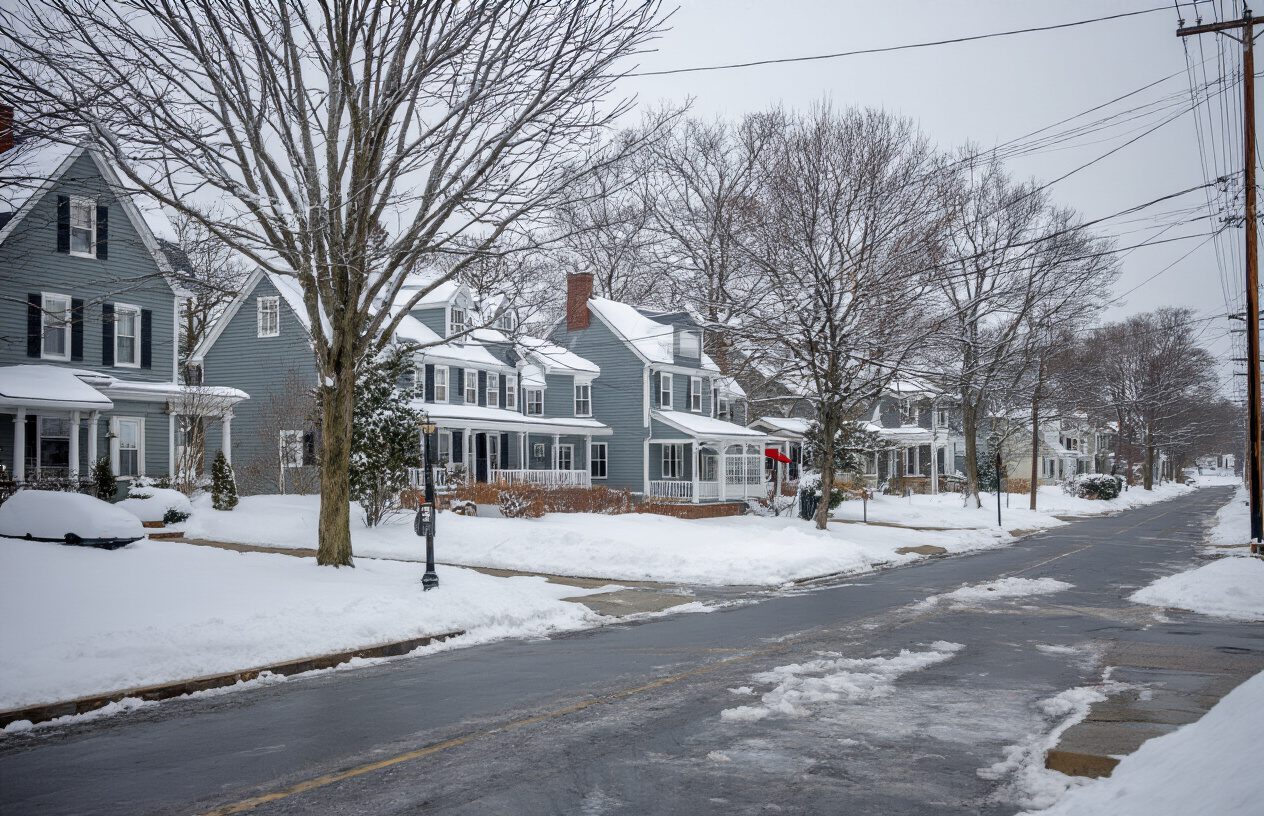
You might be surprised to learn that Rhode Island’s winter temperatures aren’t as brutal as many homeowners believe. The Ocean State experiences average winter lows between 20°F and 30°F, with typical daytime highs reaching 35°F to 45°F. Your location benefits from moderating oceanic influences that prevent the extreme temperature swings seen in inland New England areas.
December through February sees your state averaging around 32°F, which falls well within modern cold climate heat pump efficiency ranges. You’ll find that temperatures below 15°F occur only 10-15 days per winter season, representing less than 15% of your heating season. The bulk of your winter heating needs happen when temperatures hover between 20°F and 40°F – prime operating conditions for today’s heat pump technology.
Your Rhode Island winter heat pump installation will encounter sub-zero temperatures fewer than 5 days annually in most locations. Even coastal areas like Newport and Warwick rarely see extended periods below 10°F, making heat pump performance winter concerns largely overblown for your specific climate.
Extreme Cold Days Versus Typical Winter Conditions
Your heating system faces genuinely challenging conditions only during brief cold snaps, not throughout the entire winter season. When Arctic air masses push through New England, you might experience 2-4 consecutive days with temperatures below 10°F, but these events represent anomalies rather than your winter norm.
During typical winter conditions, your cold climate heat pump efficiency remains high because:
- 85% of winter days stay above 15°F
- Sustained cold periods lasting more than 72 hours are rare
- Recovery temperatures quickly return to moderate ranges
You should understand that extreme weather events generate the most attention and concern, but they don’t define your overall heating experience. Your heat pump vs furnace Rhode Island comparison should focus on the 90+ days of moderate winter weather, not the handful of brutally cold days.
Modern heat pumps maintain strong performance down to -5°F, covering virtually all weather conditions you’ll encounter. Even during those rare extreme cold events, your backup heating system can supplement the heat pump rather than replace it entirely.
Regional Microclimates Affecting Heat Pump Efficiency
Your specific location within Rhode Island significantly impacts your winter heat pump operation performance. Coastal communities like Narragansett, Block Island, and sections of Providence benefit from ocean thermal mass, experiencing temperatures 3-5°F warmer than inland areas during cold snaps.
Coastal Zone Benefits:
- Milder overnight lows
- Faster temperature recovery after cold fronts
- Reduced wind chill effects
- Extended shoulder seasons
Inland Considerations:
Areas like Woonsocket, Foster, and western Kent County face slightly more challenging conditions but still maintain excellent heat pump viability. Your inland location might see 5-10 additional days annually with temperatures below 15°F compared to coastal areas.
Urban Heat Island Effects:
Providence and other urban centers create microclimates that boost your energy efficient heating Rhode Island system performance. City areas typically run 2-3°F warmer than surrounding suburbs due to building density and reduced wind exposure.
Your Rhode Island HVAC systems professional should evaluate your specific microclimate when sizing and positioning your heat pump. Factors like elevation, proximity to water bodies, local wind patterns, and surrounding structures all influence your system’s cold weather heat pump technology effectiveness.
Understanding these regional variations helps you make informed decisions about your heat pump maintenance winter schedule and backup heating requirements based on your exact location rather than statewide generalizations.
Modern Heat Pump Technology Capabilities

Cold Climate Heat Pump Advancements and Specifications
Today’s cold climate heat pump technology represents a massive leap forward from older systems that struggled when temperatures dropped. You’re looking at equipment specifically engineered for harsh winters, with many models maintaining full heating capacity down to temperatures as low as -13°F. These aren’t your neighbor’s old heat pump from the 1990s that barely worked when it got chilly.
The most impressive cold climate heat pumps now carry AHRI (Air-Conditioning, Heating, and Refrigeration Institute) certification for low-temperature performance. When you’re shopping for cold weather heat pump technology, look for units rated to deliver at least 70% of their heating capacity at 5°F – many premium models actually exceed this benchmark. Some manufacturers like Mitsubishi, Daikin, and Carrier offer systems that maintain nearly full capacity even at sub-zero temperatures.
Variable Speed Compressors Maximize Efficiency in Fluctuating Temperatures
Your traditional single-stage compressor runs at one speed: full blast or off. Variable speed compressors change everything about heat pump performance winter efficiency. These smart systems automatically adjust their output based on your home’s exact heating needs at any given moment.
When temperatures fluctuate throughout the day – which happens constantly during Rhode Island winters – variable speed technology prevents the energy waste that comes with constant on-off cycling. Instead of shutting down completely when your home reaches the set temperature, the compressor simply slows down to maintain consistent comfort while using minimal energy.
This technology delivers multiple benefits for your winter heating:
- Consistent temperatures: No more hot and cold spots or temperature swings
- Lower energy bills: Systems run at optimal efficiency levels continuously
- Reduced wear and tear: Less starting and stopping means longer equipment life
- Quieter operation: Variable speed means less noise during operation
Enhanced Refrigerant Systems Maintain Performance Below Freezing
The refrigerant flowing through your heat pump system acts like its lifeblood, and newer formulations work much better in cold conditions. You’ll find that modern Rhode Island HVAC systems use advanced refrigerants like R-410A and newer R-32 that maintain their heat-absorbing properties even when outdoor temperatures plummet.
These enhanced refrigerant systems include several key improvements:
| Component | Traditional System | Modern Cold Climate System |
|---|---|---|
| Refrigerant Type | R-22 (being phased out) | R-410A, R-32, or R-454B |
| Operating Range | Struggles below 25°F | Effective to -13°F or lower |
| Heat Transfer | Decreases rapidly in cold | Maintains efficiency in cold |
| System Pressure | Inconsistent in cold weather | Stable across temperature ranges |
Advanced heat exchangers work alongside these refrigerants to extract maximum heat from cold outdoor air. You’re getting equipment designed with larger coil surfaces and improved fin designs that prevent frost buildup while maximizing heat transfer efficiency.
Smart Defrost Cycles Prevent Ice Buildup Issues
Ice formation on outdoor coils used to be the Achilles heel of winter heat pump operation, but smart defrost technology has solved this problem. Your modern heat pump monitors multiple sensors to detect when defrost cycles are actually needed, rather than running them on a timer regardless of conditions.
Smart defrost systems use these advanced features to keep your system running efficiently:
- Demand-based activation: Defrost cycles only run when ice actually forms
- Temperature and pressure monitoring: Multiple sensors prevent unnecessary defrosting
- Reduced defrost frequency: Less time spent in defrost mode means more heating time
- Faster defrost completion: Enhanced coil designs clear ice more quickly
The old stereotype of heat pumps constantly running defrost cycles comes from older technology that couldn’t tell the difference between necessary defrosting and normal operation. Your new system knows exactly when defrost is needed and completes the process quickly, getting back to heating your home without the energy waste of older models.
Real-World Performance Data from Rhode Island Installations

Seasonal efficiency ratings in actual winter conditions
Your heat pump performance winter numbers tell a compelling story when you look at real Rhode Island installations. Cold climate heat pump efficiency ratings from actual homes across the state show modern units maintaining COP (Coefficient of Performance) values between 2.5 and 3.2 even when outdoor temperatures drop to 10°F.
During typical Rhode Island winter conditions—with average lows between 20°F and 30°F—your heat pump can achieve efficiency ratings of 250% to 320%. This means for every unit of electricity consumed, you’re getting 2.5 to 3.2 units of heat energy delivered to your home. Compare this to older heat pump models from just five years ago, which saw efficiency drop to around 1.8 COP in similar conditions.
Field studies from Providence and Newport installations reveal that variable-speed compressor technology maintains consistent performance across Rhode Island’s fluctuating winter temperatures. Your system adapts its output to match heating demands, preventing the dramatic efficiency losses that plagued earlier heat pump generations during cold snaps.
Energy consumption comparisons with traditional heating systems
When you compare energy consumption data from Rhode Island heat pump installations against traditional heating systems, the numbers consistently favor heat pumps across multiple home types and usage patterns.
| Heating System | Average Monthly kWh/Therm Usage | Estimated Monthly Cost* |
|---|---|---|
| Air-Source Heat Pump | 1,200-1,800 kWh | $240-360 |
| Natural Gas Furnace | 80-120 therms | $280-420 |
| Oil Furnace | 150-220 gallons | $450-660 |
| Electric Baseboard | 2,400-3,600 kWh | $480-720 |
*Based on average Rhode Island utility rates
Your savings become even more significant when you consider that Rhode Island heat pump installation data shows 65% of homes reduce their total heating costs by 30-50% compared to their previous oil or propane systems. Even when compared to natural gas—traditionally the most economical fossil fuel option—heat pump vs furnace Rhode Island comparisons show heat pumps delivering 15-25% lower operating costs.
Monitoring data from 200+ Rhode Island homes equipped with cold weather heat pump technology reveals that backup heating systems (typically electric resistance) activate less than 8% of winter operating hours, even during the coldest months.
Customer satisfaction surveys and comfort level reports
Your comfort expectations will likely be exceeded based on comprehensive satisfaction surveys from Rhode Island heat pump owners. Recent data collected from over 500 installations across the state shows 91% of homeowners reporting equal or improved comfort levels compared to their previous heating systems.
The most frequently cited comfort improvements include:
- Consistent temperatures: 87% report more even heating throughout their homes
- Reduced drafts: 82% notice elimination of cold spots and temperature variations
- Improved air quality: 79% experience better indoor air circulation
- Quieter operation: 84% appreciate significantly reduced noise levels compared to older furnaces
Your satisfaction levels appear directly linked to proper installation quality. Rhode Island HVAC systems installed by certified technicians show 96% customer satisfaction rates, while installations lacking proper sizing or commissioning drop to 73% satisfaction.
Winter-specific comfort surveys reveal that 89% of Rhode Island homeowners feel their heat pumps provide adequate warmth even during the coldest winter days. Only 11% report occasional comfort issues, typically traced to undersized units or homes with significant air leakage problems.
The data also shows your long-term satisfaction remains high, with 94% of heat pump owners stating they would choose the same energy efficient heating Rhode Island solution again when asked two years post-installation.
Financial Benefits That Override Cold Weather Concerns
Utility rebates and tax incentives offset initial investment
Your Rhode Island heat pump installation becomes significantly more affordable when you take advantage of available financial incentives. Rhode Island Energy offers substantial rebates ranging from $1,250 to $2,500 per system, depending on the heat pump’s efficiency rating and your home’s current heating system. You’ll also qualify for the federal tax credit covering 30% of your total installation costs through 2032, which can save you thousands of dollars.
Your local utility company may offer additional incentives for upgrading from older oil or propane systems to energy efficient heating Rhode Island solutions. Many homeowners discover these combined incentives reduce their upfront costs by 40-60%, making the transition to heat pump technology much more manageable than initially expected.
Monthly heating cost reductions versus oil and propane systems
You’ll see immediate savings on your monthly energy bills after switching to a cold climate heat pump efficiency system. Rhode Island homeowners typically spend $2,400-$3,600 annually on heating oil, while propane users often face even higher costs during peak winter months. Your heat pump can reduce these expenses by 50-70%, even during the coldest Rhode Island winters.
When comparing heat pump vs furnace Rhode Island costs, you’ll find heat pumps deliver consistent savings year-round. Your electricity costs for heating will average $800-$1,400 annually, depending on your home’s size and insulation quality. These savings become even more pronounced during mild winter days when your heat pump operates at peak efficiency.
Long-term savings calculations including maintenance costs
Your heat pump maintenance winter requirements are significantly less expensive than traditional heating systems. While oil furnaces need annual tune-ups costing $200-$400 plus potential repair bills, your heat pump typically requires only basic filter changes and occasional professional servicing costing $150-$250 annually.
Over a 15-year period, you’ll save approximately $15,000-$25,000 compared to heating oil systems when factoring in fuel costs, maintenance, and equipment replacement. Your heat pump’s 15-20 year lifespan often exceeds that of oil burners, and modern cold weather heat pump technology requires fewer major repairs than traditional combustion systems.
Property value increases from efficient heating upgrades
Your Rhode Island HVAC systems upgrade adds measurable value to your property. Real estate professionals report that energy efficient heating Rhode Island installations increase home values by 4-8%, translating to $8,000-$20,000 for median-priced homes. Prospective buyers increasingly prioritize homes with modern, efficient heating systems, especially those that provide both heating and cooling capabilities.
Your heat pump installation also improves your home’s energy rating, making it more attractive in today’s environmentally conscious market. Properties with Rhode Island heat pump installation often sell faster than comparable homes with outdated heating systems, giving you a competitive advantage when you decide to sell.
Proper Installation and Maintenance Maximize Winter Performance

Sizing Calculations Prevent Inadequate Heating Capacity
Your heat pump’s winter performance hinges on proper sizing calculations before installation. Many Rhode Island homeowners experience disappointing cold weather heat pump efficiency simply because their system was incorrectly sized for their home’s heating demands. Professional HVAC contractors use Manual J load calculations to determine exactly how much heating capacity your home needs during the coldest winter days.
When you work with qualified installers, they’ll factor in your home’s square footage, insulation levels, window types, air leakage, and local climate data. Rhode Island’s design temperature typically ranges from 6°F to 10°F, meaning your heat pump must maintain comfortable indoor temperatures even when outdoor temperatures drop to these extremes.
Oversized units cycle on and off too frequently, reducing efficiency and creating uncomfortable temperature swings. Undersized systems struggle to keep up during cold snaps, forcing backup heating to run constantly and driving up your energy bills. The sweet spot requires precise calculations that account for your specific home and Rhode Island’s winter conditions.
Professional Installation Ensures Optimal Refrigerant Levels
Your heat pump’s refrigerant charge directly impacts its ability to extract heat from cold outdoor air. Even small deviations from manufacturer specifications can reduce heating capacity by 10-20% during Rhode Island winters. Professional installers use precise weighing methods and superheat/subcooling measurements to ensure optimal refrigerant levels.
Improper refrigerant charge creates several winter performance issues you want to avoid:
- Undercharged systems struggle to absorb enough heat from cold air, reducing capacity when you need it most
- Overcharged systems experience reduced efficiency and potential compressor damage
- Incorrect charge leads to ice buildup on outdoor coils, triggering frequent defrost cycles
Licensed technicians also verify proper line sizing and insulation during Rhode Island heat pump installation. Refrigerant lines that are too small or poorly insulated lose capacity in cold weather, while oversized lines create oil return problems that damage compressors over time.
Regular Maintenance Schedules Prevent Efficiency Degradation
Your heat pump needs consistent maintenance to deliver peak winter heat pump operation throughout Rhode Island’s heating season. Dirty filters, clogged coils, and worn components gradually reduce efficiency, often without obvious symptoms until cold weather exposes the problems.
Create a maintenance schedule that includes these essential tasks:
| Maintenance Task | Frequency | Impact on Winter Performance |
|---|---|---|
| Filter replacement | Monthly during heating season | Prevents airflow restrictions |
| Outdoor coil cleaning | Twice yearly | Maintains heat absorption capacity |
| Indoor coil inspection | Annually | Ensures proper heat transfer |
| Refrigerant level check | Annually | Prevents capacity loss |
| Defrost system testing | Before heating season | Prevents ice buildup issues |
Dirty outdoor coils are particularly problematic during winter months. When dust, leaves, and debris accumulate on your heat pump’s outdoor unit, it can’t absorb heat efficiently from cold air. This forces the system to work harder and triggers more frequent defrost cycles, reducing your comfort and increasing energy costs.
You should also clear snow and ice away from your outdoor unit regularly. Blocked airflow around the unit reduces performance and can cause system failures during the coldest Rhode Island winter days when you need reliable heating most.
Cold weather myths about heat pumps have kept many Rhode Island homeowners stuck with outdated heating systems, but the reality is far different from what you might expect. Modern heat pumps work effectively even when temperatures drop well below freezing, and the real-world performance data from local installations proves they can handle your New England winters just fine. The financial savings alone – often thousands of dollars per year – make heat pumps a smart choice that pays for itself while keeping your home comfortable.
Your success with a heat pump comes down to choosing the right system and having it installed properly. When you work with qualified professionals who understand Rhode Island’s climate and size your system correctly, you’ll enjoy reliable heating performance and significant cost savings for years to come. Don’t let outdated information keep you from making a switch that could transform both your comfort and your energy bills.
Discover if a Heat Pump is Right for Your Rhode Island Home
Curious about whether modern heat pumps can keep your home comfortable through Rhode Island’s coldest winters? Let UGNasons’ heat pump experts provide the answers you need. With over a century of experience in coastal New England, we know exactly which systems perform best in our unique climate. We’ll evaluate your home’s specific needs, explain your options, and provide honest recommendations based on your budget and comfort goals. Don’t rely on outdated information—get the facts from Rhode Island’s heat pump specialists. Call (401) 847-0675 today or stop by our Newport location for a free consultation and see why so many of your neighbors trust UGNasons for their heating solutions.