
When Rhode Island’s winter temperatures plummet below freezing, your heat pump faces its biggest challenge of the year. If you’re a Rhode Island homeowner relying on a heat pump for warmth, you know how frustrating it can be when your heating bills skyrocket or your system struggles to keep up during those brutal cold snaps.
Maximizing heat pump efficiency for Rhode Island winters demand becomes critical when the mercury drops and your comfort depends on smart preparation and operation. This guide walks you through proven strategies to keep your heat pump running efficiently, even when Old Man Winter delivers his worst.
You’ll discover how to prepare your system before winter arrives, including essential winterization steps that prevent costly breakdowns. We’ll also cover the operational adjustments you can make during deep freeze periods to maintain optimal heat pump winter performance without breaking the bank. Finally, you’ll learn about targeted maintenance tasks and smart upgrades that can dramatically improve your heat pump cold weather operation while keeping your Rhode Island heating costs under control.
Understanding Heat Pump Performance in Extreme Cold Weather
How heat pumps lose efficiency below freezing temperatures
Your heat pump works by extracting heat from outdoor air and transferring it inside your home. Even when it feels freezing outside, there’s still thermal energy in the air – but here’s the catch: as temperatures drop, your system has to work much harder to pull that heat out.
When outdoor temperatures fall below 32°F, several things happen that hurt your heat pump efficiency Rhode Island residents need to understand. First, the refrigerant in your outdoor coil becomes less effective at absorbing heat from the frigid air. Think of it like trying to squeeze water from an increasingly dry sponge – the colder it gets, the less heat energy is available to extract.
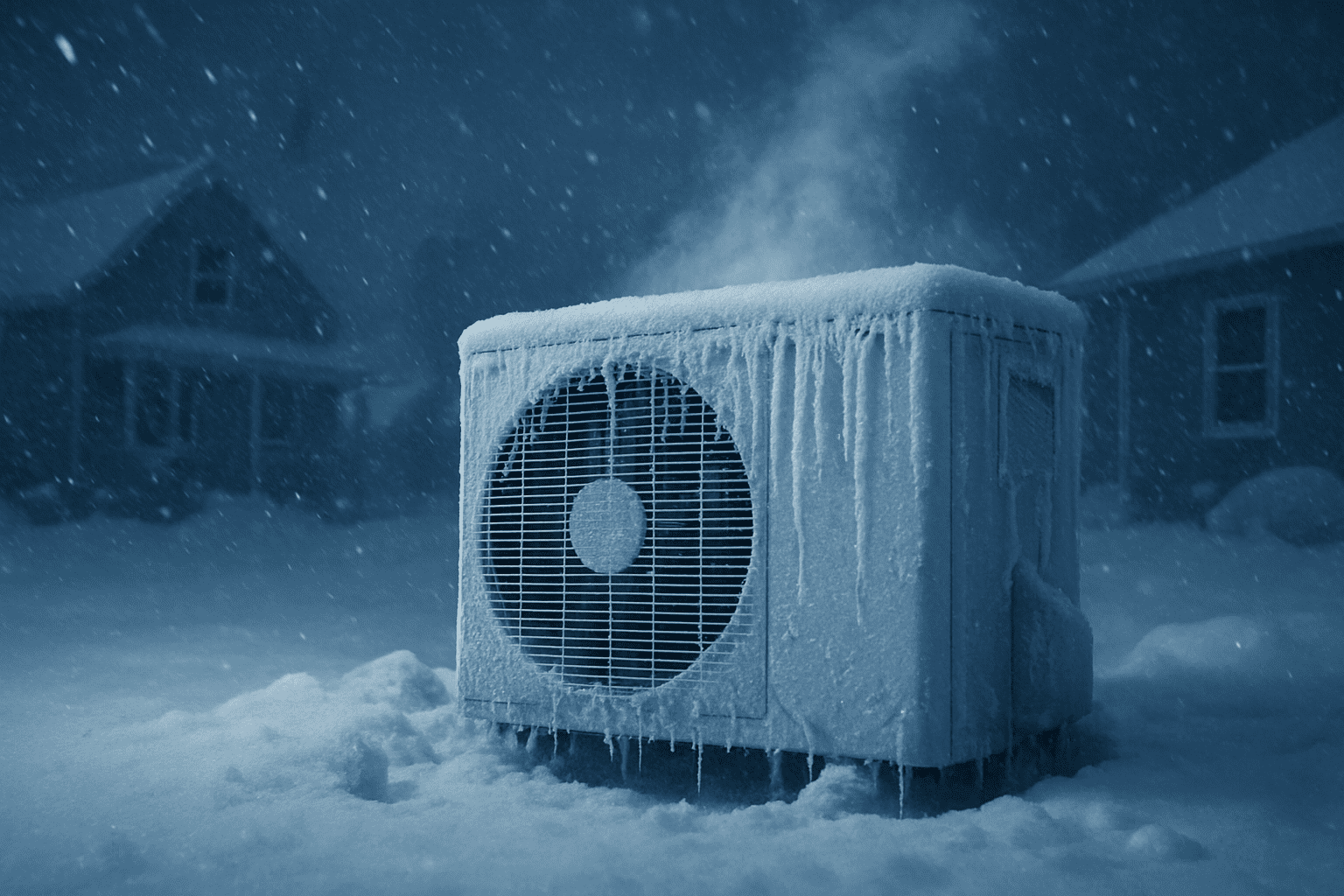
Ice formation becomes your biggest enemy during these conditions. As your heat pump runs, moisture in the air freezes on the outdoor coil, creating an insulating barrier that blocks heat transfer. Your system automatically goes into defrost mode to melt this ice, but each defrost cycle temporarily reverses the heating process and wastes energy.
The compressor also struggles in extreme cold, requiring more electricity to pressurize the refrigerant. At around 20°F, most standard heat pumps lose about 50% of their heating capacity compared to moderate temperatures. Below 10°F, efficiency drops so dramatically that backup heating elements often kick in, driving up your energy costs significantly.
Rhode Island’s typical winter temperature ranges and challenges
Rhode Island’s coastal location creates unique challenges for your heat pump winter performance. While you might expect milder winters due to ocean influence, the reality is more complex. Average January temperatures range from 20°F to 37°F, with frequent fluctuations that stress your heating system.
Your location within the state matters enormously. If you live inland in areas like Coventry or West Greenwich, you’ll face temperatures that regularly dip into the teens during January and February. Coastal areas like Newport and Narragansett see slightly warmer lows, typically staying above 15°F, but still experience challenging conditions for heat pump operation.
What makes Rhode Island particularly tough on heat pumps is the humidity combined with temperature swings. Ocean moisture creates perfect conditions for ice formation on outdoor coils, while frequent freeze-thaw cycles keep your system cycling between normal operation and defrost mode. This constant switching reduces efficiency and increases wear on components.
Wind chill is another factor you can’t ignore. Those bitter northwest winds coming off Narragansett Bay can make a 25°F day feel like 10°F to your outdoor unit, forcing it to work as if temperatures were much lower. The combination of actual temperature, humidity, and wind creates what HVAC professionals call “effective temperature” – often several degrees colder than your thermometer reads.
Signs your heat pump is struggling during cold snaps
Recognizing when your heat pump cold weather operation is compromised helps you take action before efficiency plummets completely. The most obvious sign is longer heating cycles – if your system runs for 30-45 minutes instead of the typical 10-15 minutes, it’s working harder to maintain your desired temperature.
Listen to your outdoor unit during operation. Excessive noise, grinding sounds, or unusual vibrations often indicate the compressor is straining against cold temperatures. You might also notice the outdoor fan running more frequently or hear the whoosh of defrost cycles happening every hour instead of every few hours.
Check your energy bills for sudden spikes in electricity usage. When your heat pump loses efficiency, it draws more power to maintain the same comfort level. If you see a 30-50% increase in heating costs during cold periods compared to milder weather, your system is likely struggling with Rhode Island heating costs climbing unnecessarily high.
Indoor comfort changes tell the story too. Cold spots in rooms that normally stay warm, longer recovery times after thermostat adjustments, or the constant sound of backup heating strips engaging all signal your heat pump can’t keep up with demand. Your system might also struggle to reach set temperatures, leaving your home feeling perpetually chilly despite running constantly.
Ice buildup on the outdoor unit lasting longer than 30 minutes between defrost cycles is another red flag. While some frost is normal, thick ice accumulation that doesn’t clear quickly means your defrost system isn’t working properly or your heat pump is operating beyond its effective range. When you understand heat pump vs. traditional heating systems, you’ll better recognize when it might be time to consider supplemental heating options during extreme weather.
Pre-Winter Preparation Strategies for Peak Performance
Professional maintenance and tune-up scheduling
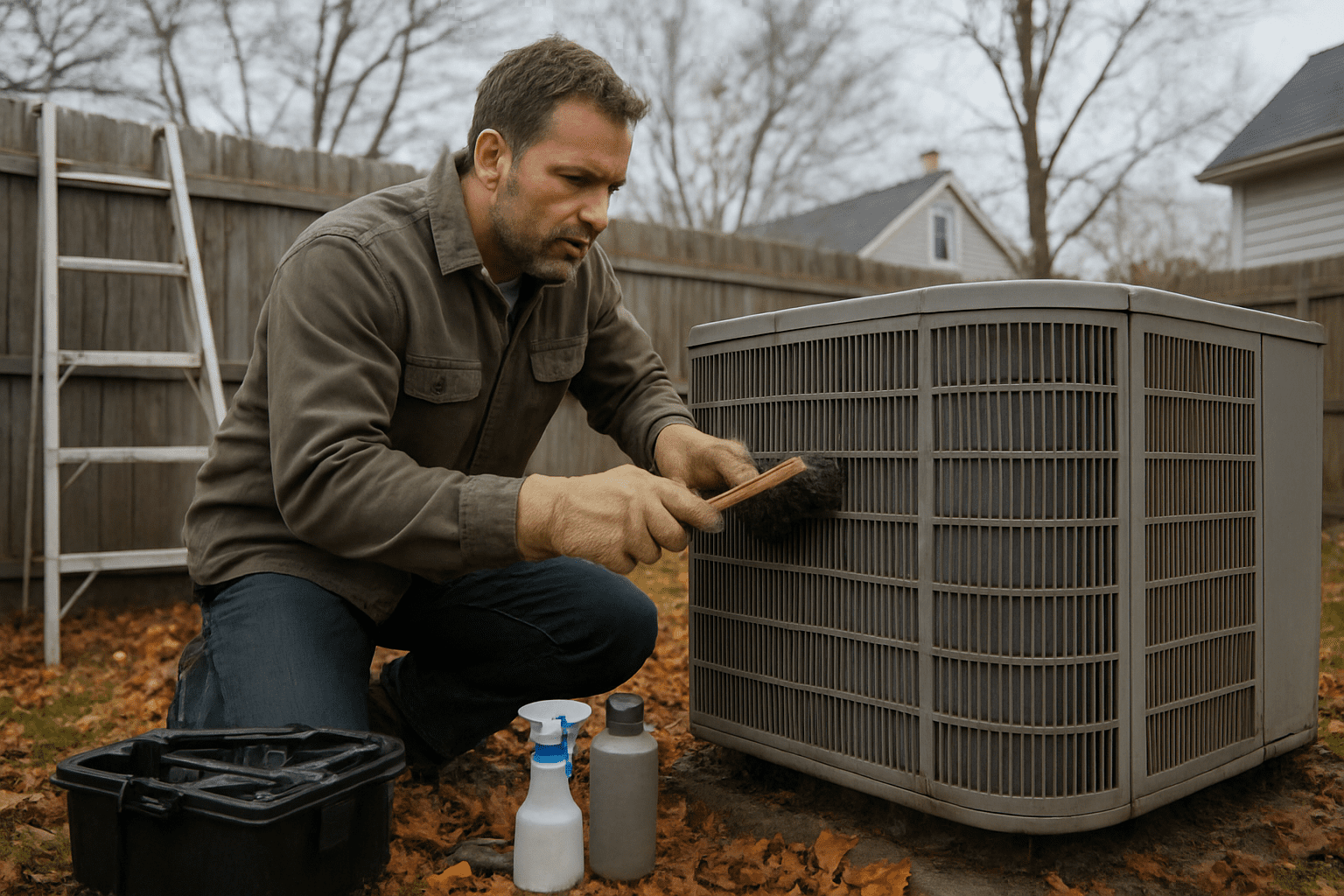
Getting your heat pump serviced before Rhode Island’s harsh winter hits is like getting a physical before running a marathon – essential for peak performance. Schedule your professional maintenance between late September and early October, well before the first deep freeze arrives. During this tune-up, technicians will check refrigerant levels, test electrical connections, calibrate your thermostat, and inspect all moving parts for wear.
Your HVAC professional will also clean the evaporator and condenser coils, which directly impacts your heat pump efficiency Rhode Island homeowners depend on. Dirty coils force your system to work harder, driving up your heating costs just when you need savings most. The technician will also verify that your defrost cycle operates correctly – a critical function during winter heat pump maintenance that prevents ice buildup on outdoor coils.
Clearing outdoor unit of debris and obstructions
Your outdoor unit needs breathing room to function properly during cold weather HVAC efficiency demands. Remove all leaves, grass clippings, and debris within a three-foot radius around the unit. Trim back any shrubs or vegetation that have grown too close during the summer months.
Check for common obstructions that homeowners often overlook:
- Spider webs and insect nests in fan grilles
- Accumulated dirt and dust on coil fins
- Small branches or twigs lodged in the unit
- Pool covers or tarps blown against the unit
- Garden tools or equipment stored too close
Never use a pressure washer on your heat pump – the high-pressure water can bend the delicate aluminum fins. Instead, use a garden hose with gentle pressure to rinse away surface dirt, working from the inside out to avoid pushing debris deeper into the coils.
Checking and sealing ductwork for maximum airflow
Leaky ducts can reduce your heat pump’s efficiency by up to 30%, making proper sealing crucial for heat pump cold weather operation. Start by inspecting visible ductwork in your basement, crawl spaces, and attic areas. Look for obvious gaps, disconnected joints, or damaged insulation.
Common problem areas include:
| Location | What to Check |
|---|---|
| Duct joints | Loose connections, gaps in sealing |
| Return air ducts | Crushed or kinked sections |
| Supply registers | Blocked or closed vents |
| Flex ducts | Tears, disconnections, excessive bends |
Seal small gaps with high-quality duct sealant (mastic) rather than standard duct tape, which deteriorates over time. For larger repairs or hard-to-reach areas, consider hiring a professional who can perform a comprehensive duct blaster test to identify all leakage points.
Installing windbreaks to protect outdoor components
Rhode Island’s coastal winds can significantly impact your heat pump’s performance during winter months. Installing windbreaks around your outdoor unit helps maintain consistent airflow and prevents excessive heat loss from the coils. This simple modification can improve heat pump winterization Rhode Island residents need for optimal performance.
Position windbreaks on the prevailing wind sides (typically northwest and northeast in Rhode Island) while maintaining adequate clearance for airflow. Effective windbreak options include:
- Evergreen shrubs planted 6-8 feet away from the unit
- Lattice screens with 50% open area
- Snow fencing installed 10-15 feet upwind
- Decorative panels with adequate ventilation gaps
Avoid solid barriers that completely block airflow, as these can create turbulence and reduce efficiency. The goal is to deflect harsh winds while allowing your unit to draw in the air it needs. When considering heat pump vs. traditional heating options, proper wind protection becomes even more important for maintaining the efficiency advantages that make heat pumps attractive for Rhode Island homeowners.
Remember that effective windbreaks also help prevent snow accumulation around your unit, reducing the frequency of manual snow removal during heavy storms.
Operational Adjustments During Deep Freeze Periods

Optimal Thermostat Settings for Consistent Heating
When Rhode Island’s temperatures plummet below 20°F, your thermostat strategy becomes crucial for maintaining heat pump efficiency while keeping your home comfortable. Set your thermostat to a steady temperature rather than making frequent adjustments throughout the day. Constant temperature changes force your heat pump to work harder, especially during deep freeze conditions.
The sweet spot for most Rhode Island homes during extreme cold is between 68-70°F. While you might be tempted to crank it higher when it’s frigid outside, this actually reduces your system’s efficiency. Your heat pump operates most effectively when maintaining a consistent indoor temperature rather than trying to achieve dramatic temperature swings.
Program your thermostat to lower the temperature by just 2-3 degrees at night or when you’re away for extended periods. Avoid drastic setbacks of 5-8 degrees that many homeowners use with traditional heating systems. Your heat pump will struggle to recover from these deep setbacks in cold weather, often triggering auxiliary heat more frequently than necessary.
Consider upgrading to a smart thermostat specifically designed for heat pumps. These units understand the unique operating characteristics of your system and can make micro-adjustments that maintain comfort while optimizing heat pump efficiency Rhode Island homeowners need during winter months.
Managing Defrost Cycles Without Compromising Efficiency
Your heat pump’s defrost cycle becomes more frequent as temperatures drop, and understanding how to work with these cycles rather than against them is essential for maintaining heat pump winter performance. During defrost mode, your system temporarily reverses operation to melt ice buildup on the outdoor coil, which is completely normal but can feel concerning when cold air briefly blows from your vents.
Don’t panic when you notice this happening – resist the urge to adjust your thermostat or switch to emergency heat. These defrost cycles typically last 5-15 minutes and are necessary for your system’s health. Your heat pump knows when it needs to defrost based on temperature sensors and operating conditions.
You can help minimize the frequency of defrost cycles by keeping the outdoor unit clear of snow, ice, and debris. After snowstorms, gently clear snow from around the unit but never use sharp tools or hot water on the coils. A soft brush or your hands work best for removing loose snow.
Watch for signs that defrost cycles are happening too frequently – this might indicate low refrigerant levels or other maintenance issues. If your system seems to defrost every 30-45 minutes during moderate cold, schedule professional service to ensure optimal cold weather HVAC efficiency.
Using Auxiliary Heat Sources Strategically
Your heat pump’s auxiliary heat strips are your backup heating source, but they consume significantly more electricity than the heat pump alone. Understanding when and how to use auxiliary heat strategically can make a huge difference in your Rhode Island heating costs during deep freeze periods.
Modern heat pumps automatically engage auxiliary heat when outdoor temperatures drop below your system’s balance point or when there’s a significant difference between your thermostat setting and actual room temperature. However, you have some control over this process through smart thermostat programming and manual override options.
During extended cold snaps below 10°F, consider these auxiliary heat strategies:
- Zone heating approach: Use portable space heaters in frequently occupied rooms to reduce the load on your main system
- Strategic timing: If you know temperatures will warm up later in the day, avoid using emergency heat mode and let your heat pump work gradually
- Backup planning: Keep a small portable heater ready for the coldest nights when auxiliary heat costs become prohibitive
When comparing your options, remember that Heat Pump vs. Traditional Heating: What Works Best in Rhode Island Winters can help you understand the long-term efficiency benefits even during challenging winter conditions.
Never rely solely on emergency heat mode for extended periods unless absolutely necessary. This mode bypasses your heat pump entirely and runs only on electric resistance heat, which can triple your heating costs during heat pump deep freeze tips situations that Rhode Island homeowners face each winter.
Essential Maintenance Tasks During Cold Weather
Keeping Outdoor Coils Free from Ice and Snow Buildup
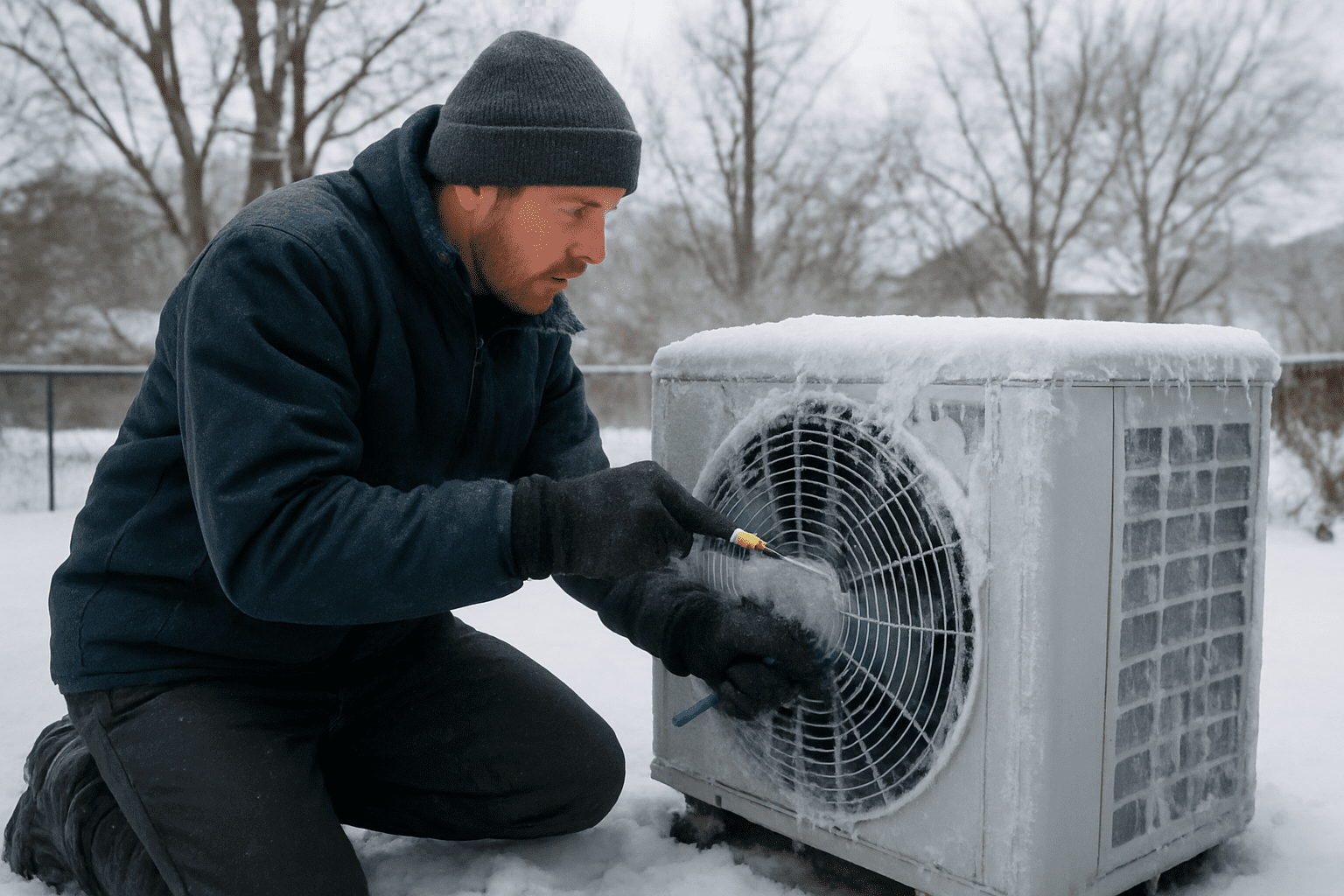
Your outdoor unit works overtime during Rhode Island’s brutal winter months, and ice buildup on the coils can kill your heat pump’s performance. Check your outdoor coils daily during severe weather – even a thin layer of ice can reduce efficiency by 30% or more.
When you spot ice formation, resist the urge to chip it off with tools or pour hot water on the coils. These methods can damage the delicate fins and refrigerant lines. Instead, switch your system to defrost mode if available, or temporarily turn off the unit and let natural melting occur. Some newer models automatically cycle through defrost periods, but older units might need your help.
Snow accumulation around the unit creates its own problems. Keep at least two feet of clearance on all sides of your outdoor unit. After heavy snowfall, gently brush away snow from the top and sides using a soft broom. Never use a shovel or ice scraper on the unit itself.
Install a simple shelter or awning above your heat pump to reduce snow and ice accumulation, but make sure it doesn’t restrict airflow. Poor airflow forces your system to work harder, driving up your Rhode Island heating costs significantly.
Monitoring Refrigerant Levels and System Pressures
Your heat pump’s refrigerant system operates under precise pressure requirements that become even more critical during cold weather operation. Low refrigerant levels will cause your system to struggle in cold temperatures, while overcharged systems can lead to compressor damage.
Watch for these warning signs of refrigerant issues: ice forming on indoor coils, unusual hissing sounds, or your system running constantly without reaching set temperatures. You might also notice higher than normal energy bills or reduced heating output during mild weather.
Professional technicians should handle refrigerant level checks and adjustments – this isn’t a DIY job. However, you can monitor system performance indicators. If your heat pump switches to backup heating more frequently than usual, or if you hear grinding or clicking sounds from the outdoor unit, refrigerant problems might be the culprit.
Schedule refrigerant system inspections before winter hits. A qualified technician can check pressure levels, look for leaks, and ensure your system has the right refrigerant charge for optimal winter heat pump maintenance.
Ensuring Proper Airflow Through Indoor Vents
Restricted airflow makes your heat pump work harder and reduces its ability to heat your home effectively. During winter months, you need maximum airflow to maintain comfort while keeping energy costs reasonable.
Replace your air filter every 30-45 days during heating season – dirty filters are the number one cause of airflow restrictions. In Rhode Island’s dusty winter conditions, filters clog faster than you might expect. A clogged filter can reduce system efficiency by up to 15%.
Walk through your home and check all supply and return vents. Remove furniture, curtains, or decorations blocking vents. Even partially blocked vents create pressure imbalances that force your system to work harder. Pay special attention to return vents – these are often overlooked but equally important.
Clean your vents monthly during heavy use periods. Dust and debris buildup reduces airflow and can be redistributed throughout your home. Use a vacuum with a brush attachment to clean vent covers, and wipe down the visible portions of ductwork.
Consider having your ductwork inspected if you notice uneven heating or weak airflow from certain vents. Leaky or damaged ducts waste heated air and force your heat pump to run longer cycles.
Checking Electrical Connections for Cold Weather Reliability
Cold temperatures affect electrical components differently than summer heat, and loose connections become more problematic as metals contract. Your heat pump relies on dozens of electrical connections that need regular attention during winter months.
Start by turning off power to your system at both the unit disconnect and the main electrical panel. Visually inspect the disconnect box near your outdoor unit for signs of corrosion, burning, or loose connections. Look for discolored wires or melted insulation – these indicate serious electrical problems that need immediate professional attention.
Check that your outdoor unit sits level and stable. Ground settling or frost heaving can shift the unit, putting stress on electrical connections and refrigerant lines. A tilted unit creates vibration that loosens connections over time.
Your indoor electrical connections deserve attention too. Remove your indoor unit’s access panel and look for loose wire nuts, corroded terminals, or signs of overheating. If you’re uncomfortable working around electrical components, hire a professional – electrical issues can be dangerous and expensive if mishandled.
Test your system’s emergency heat strips if equipped. These backup elements often sit unused until needed during deep freezes, and faulty connections can leave you without heat when you need it most. Understanding heat pump vs. traditional heating options helps you make informed decisions about backup heating systems.
Cost-Effective Upgrades to Boost Winter Efficiency

Installing cold-climate heat pump technology
When Rhode Island’s winter temperatures plummet, traditional heat pumps struggle to maintain efficiency. Cold-climate heat pumps represent a game-changing upgrade that can dramatically improve your system’s winter performance. These advanced units operate effectively down to -15°F, unlike conventional models that lose efficiency around 25°F.
Cold-climate technology features enhanced refrigerant systems, variable-speed compressors, and improved heat exchangers specifically designed for harsh winter conditions. You’ll see significant improvements in heat pump efficiency Rhode Island homeowners desperately need during deep freezes. While the upfront investment ranges from $3,000 to $6,000 more than standard units, the long-term savings on Rhode Island heating costs make this upgrade worthwhile.
The technology includes advanced defrost cycles that minimize ice buildup and vapor injection systems that boost heating capacity when outdoor temperatures drop. Many models maintain 100% heating capacity at 5°F and still provide substantial heat at subzero temperatures.
Adding insulation to reduce heating load
Your heat pump works harder when your home loses heat rapidly through poor insulation. Upgrading insulation reduces the heating load, allowing your system to operate more efficiently during cold weather HVAC efficiency challenges. Focus on attic insulation first, as heat rises and escapes through the roof.
Wall insulation upgrades provide excellent returns, especially in older Rhode Island homes. Basement and crawl space insulation prevents cold air infiltration from below. Consider these insulation priorities:
- Attic: R-38 to R-60 depending on your home’s age
- Walls: R-13 to R-21 for maximum efficiency
- Basement/Crawl Space: R-19 to R-25 for foundation walls
- Windows: Weather stripping and storm windows
Air sealing complements insulation by eliminating drafts around windows, doors, and electrical outlets. The combination reduces your heating load by 20-40%, making your heat pump’s job significantly easier during Rhode Island’s harsh winters.
Upgrading to programmable or smart thermostats
Smart thermostats optimize your heat pump winter performance by learning your schedule and adjusting temperatures automatically. These devices prevent the common mistake of cranking up the heat when you feel cold, which forces your heat pump to work inefficiently.
Modern smart thermostats offer heat pump-specific features like auxiliary heat lockouts and adaptive recovery. They gradually bring your home to the desired temperature rather than shocking the system with sudden demands. You can save 10-15% on heating costs through proper scheduling alone.
Key features to look for include:
- Heat pump compatibility with auxiliary heat control
- Geofencing to adjust temperatures when you’re away
- Learning algorithms that adapt to your preferences
- Energy usage reports to track efficiency improvements
Many utility companies in Rhode Island offer rebates for smart thermostat installations, reducing your upfront costs while improving long-term efficiency.
Implementing zoning systems for targeted heating
Zoning systems allow you to heat only occupied areas of your home, reducing the overall load on your heat pump during extreme cold. This targeted approach prevents your system from struggling to heat your entire house when temperatures drop below your heat pump’s optimal range.
Motorized dampers in your ductwork direct heated air to specific zones based on individual thermostats. You can close off unused bedrooms during the day or reduce heating in the basement while maintaining comfort in living areas. This strategic heating reduces energy waste and improves overall system efficiency.
Professional installation typically costs $2,000-$4,000 but pays for itself through reduced heating bills and extended equipment life. Your heat pump operates in its sweet spot more often, maintaining better energy efficient heating Rhode Island residents need during winter months.
Consider backup heating system integration
Backup heating systems provide crucial support when outdoor temperatures exceed your heat pump’s effective range. Rather than relying solely on expensive electric resistance heat, strategic backup integration maintains comfort while controlling costs.
Popular backup options include:
- Natural gas furnace for rapid heating during extreme cold
- Oil-fired boiler integration for consistent backup heat
- Wood pellet stoves for supplemental zone heating
- Ductless mini-splits for targeted room heating
The key lies in proper integration and controls that seamlessly switch between your primary heat pump and backup system. Smart controls can automatically engage backup heat when outdoor temperatures drop below your heat pump’s efficient operating range, ensuring comfort while minimizing Rhode Island heating costs.
When comparing heating options, consider reading about Heat Pump vs. Traditional Heating to understand which combination works best for your specific situation. Proper backup system sizing prevents over-capacity issues while ensuring adequate heating during Rhode Island’s most challenging winter conditions.

Your heat pump can absolutely handle Rhode Island’s brutal winter weather when you give it the right support. By understanding how these systems work in extreme cold, preparing them before winter hits, and making smart operational adjustments during those deep freezes, you’re setting yourself up for consistent warmth and lower energy bills. Regular maintenance during the cold months and strategic upgrades will keep your system running at its best when you need it most.
Don’t let another winter catch you off guard with skyrocketing heating costs or a struggling heat pump. Start implementing these efficiency strategies now, and you’ll enjoy reliable comfort all season long. Your future self will thank you when you’re staying cozy while your neighbors deal with heating headaches.
Stay warm and save money this winter by optimizing your heat pump’s performance. For personalized advice, maintenance, or upgrades, reach out to UGNasons at ugnasons.com, call (401) 847-2497, or email [email protected]. We’re your local heat pump experts, ready to help you handle the cold!