
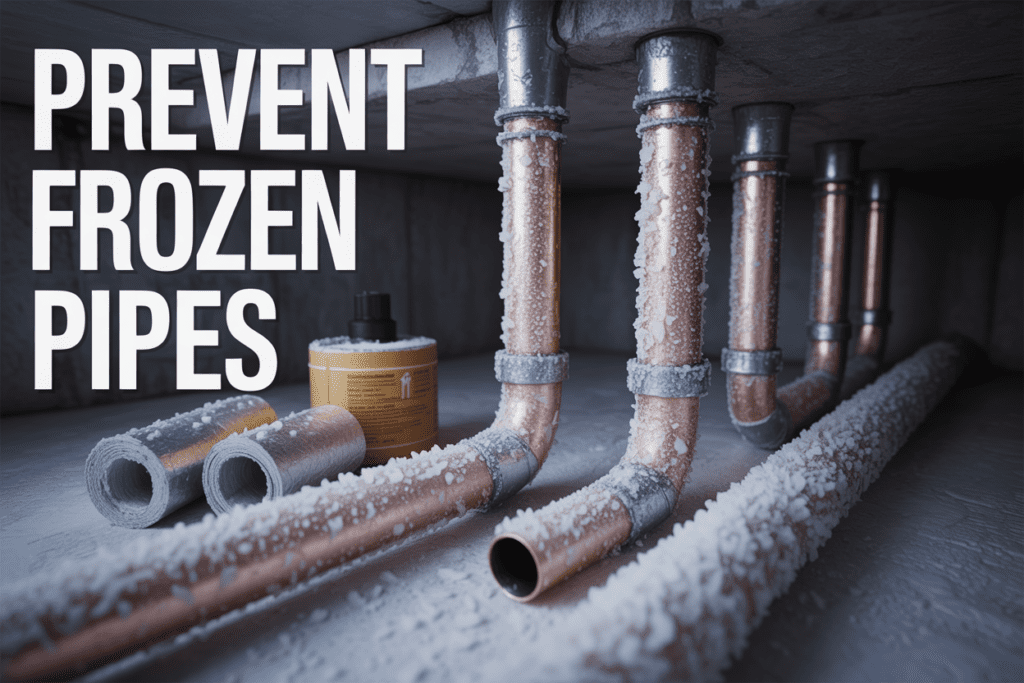
Frozen pipes can turn your comfortable winter into a plumbing nightmare that costs thousands in repairs. If you’re a homeowner preparing for cold weather or currently dealing with freezing temperatures, you need proven strategies to protect your plumbing system before disaster strikes.
UGNasons’ winter plumbing tips will help you avoid the headache and expense of burst pipes. We’ll show you why pipes freeze and cause damage, then walk you through essential preventive measures you can take before winter arrives. You’ll also learn daily winter habits that protect your plumbing and emergency steps to take when pipes begin to freeze.
Don’t wait until water stops flowing or you discover a costly leak. These frozen pipes prevention strategies will keep your home’s plumbing running smoothly all winter long.
Understanding Why Pipes Freeze and the Damage They Cause
Temperature Thresholds That Trigger Pipe Freezing
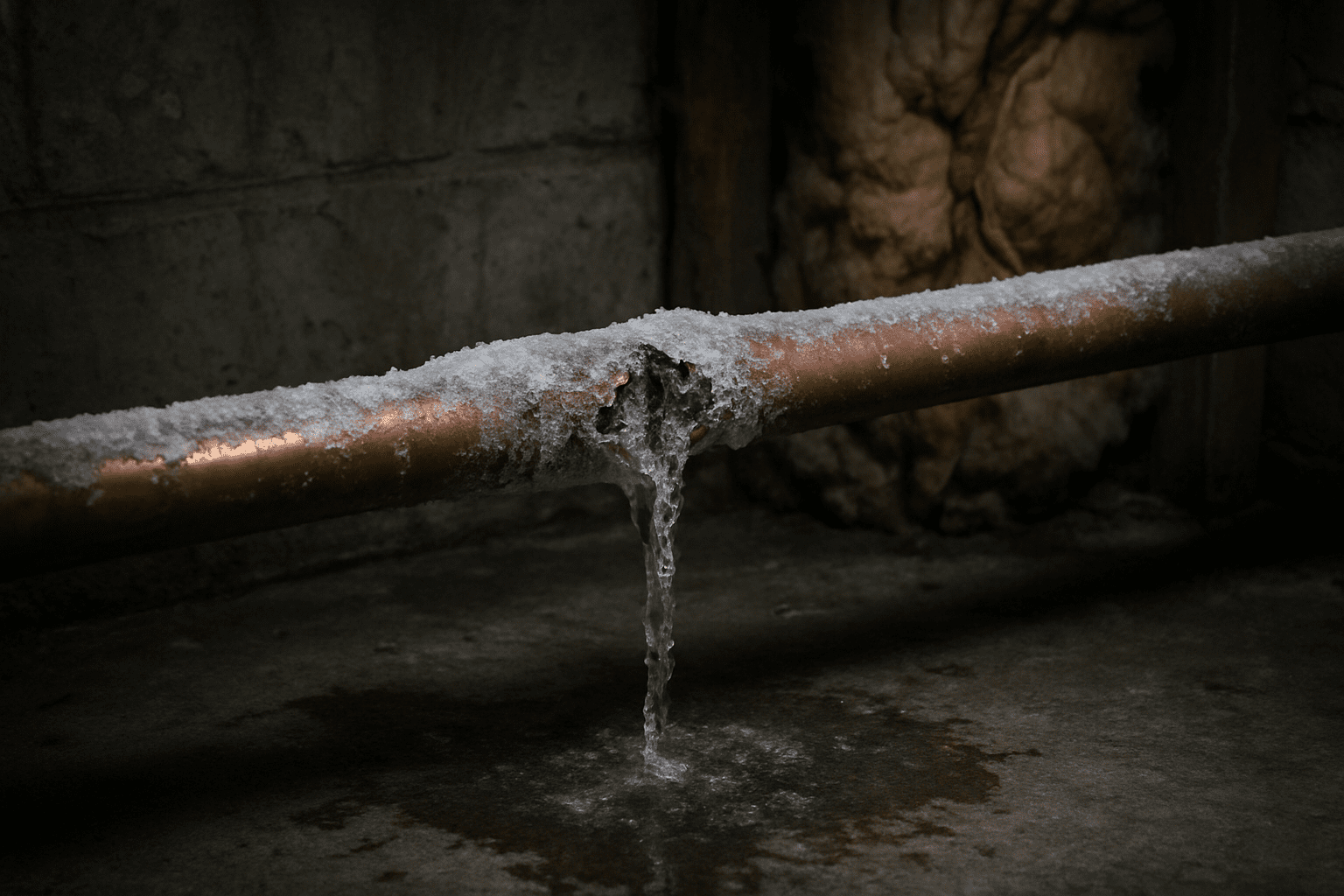
Water doesn’t just freeze at 32°F (0°C) when it comes to your plumbing system. Your pipes actually start facing serious risk when exterior temperatures drop to 20°F (-6.7°C) or lower. The key factor isn’t just the outside temperature—it’s how long those cold temperatures persist and how well your pipes are protected.
Pipes in unheated areas become vulnerable when temperatures hover around the freezing point for more than six hours. Metal pipes conduct cold better than plastic ones, making copper and steel pipes freeze faster than PVC or PEX. Wind chill also plays a major role, as moving air strips heat away from exposed pipes more quickly.
Most Vulnerable Pipe Locations in Your Home
Your basement, crawl spaces, and attic pipes face the highest risk during winter months. These areas typically lack proper heating and insulation, leaving pipes exposed to freezing temperatures. Exterior walls house another danger zone, especially pipes running along north-facing walls that receive less sunlight.
Outdoor spigots and irrigation lines top the list for frozen pipes prevention concerns. Garage pipes also freeze frequently since most garages aren’t heated. Kitchen and bathroom pipes located on exterior walls become vulnerable when cabinet doors stay closed, preventing warm air circulation.
Pay special attention to:
- Pipes in unfinished basements
- Crawl space plumbing
- Attic water lines
- Pipes near exterior doors and windows
- Vacation home plumbing systems
Financial Costs of Burst Pipe Repairs and Water Damage
A single burst pipe can cost you thousands of dollars in repairs and water damage restoration. The average homeowner faces bills ranging from $5,000 to $10,000 when pipes burst, with severe cases reaching $20,000 or more. Water damage spreads quickly, affecting flooring, walls, furniture, and personal belongings.
Your insurance might not cover all the damage, especially if they determine you didn’t take reasonable winter plumbing tips to prevent the problem. Deductibles alone can cost several hundred to thousands of dollars. Emergency plumber calls during winter storms often come with premium pricing due to high demand and dangerous working conditions.
Hidden costs include temporary housing if your home becomes uninhabitable, increased utility bills from water waste, and potential mold remediation if water damage isn’t addressed quickly. Much like choosing the right heating system for your property, investing in plumbing freeze protection upfront saves significant money long-term.
Health and Safety Risks From Frozen Plumbing Systems
Frozen pipe damage prevention goes beyond protecting your wallet—it’s about keeping your family safe and healthy. When pipes freeze, you lose access to running water for drinking, cooking, and sanitation. This creates immediate health risks, especially for families with young children or elderly members who need consistent access to clean water.
Burst pipes create perfect conditions for mold growth within 24-48 hours. Mold poses serious respiratory risks and can trigger asthma attacks, allergic reactions, and other breathing problems. Standing water also attracts pests and creates slip hazards throughout your home.
Electrical dangers emerge when water contacts outlets, appliances, or wiring systems. This combination can cause electrocution, fires, or permanent damage to your home’s electrical system. Carbon monoxide poisoning becomes a risk if you use unsafe heating methods to thaw pipes or warm your home after heating system damage.
Essential Preventive Measures Before Winter Arrives
Insulating Exposed Pipes in Basements, Attics, and Crawl Spaces
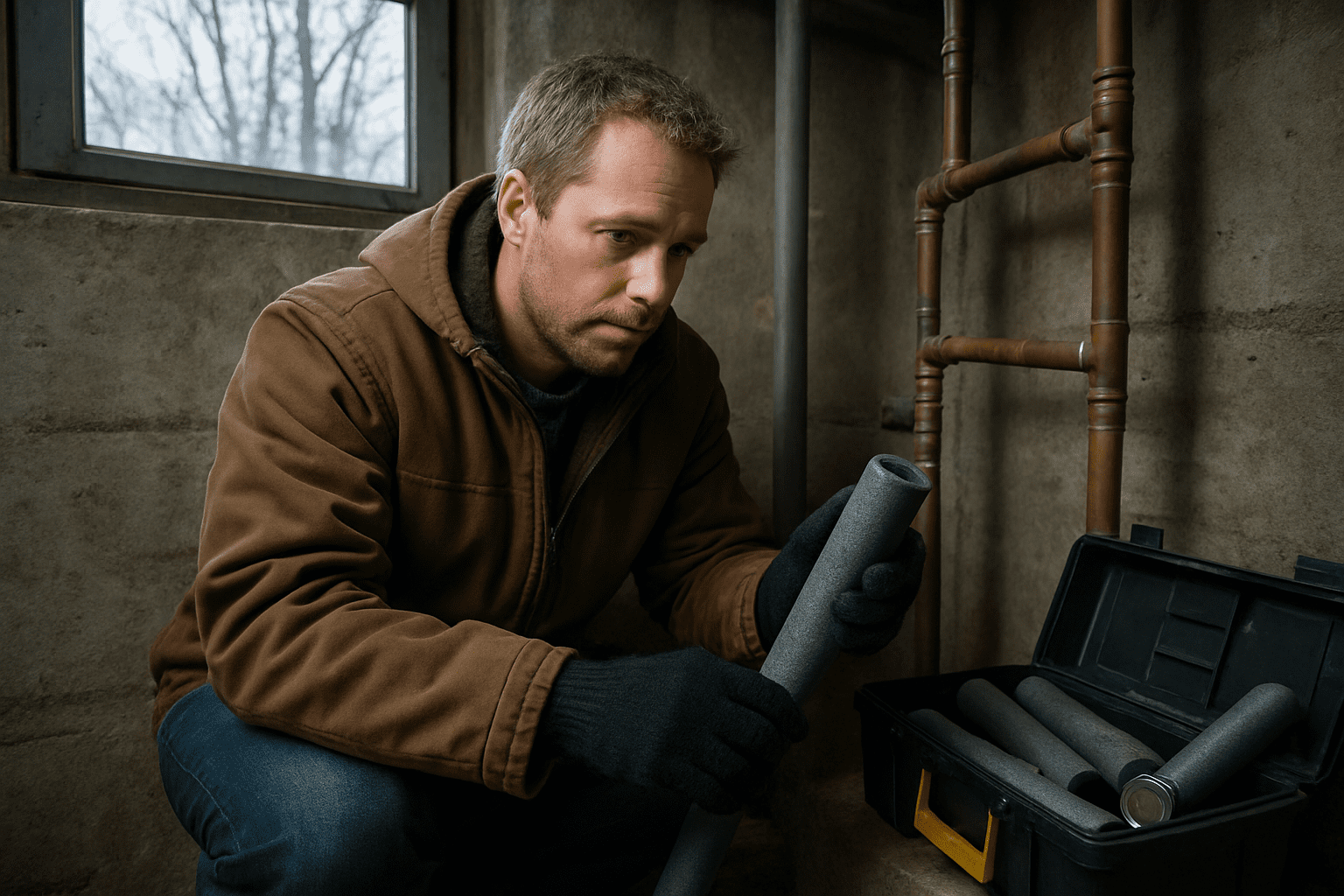
Your pipes are most vulnerable in unheated areas where winter temperatures can wreak havoc on your plumbing system. Start by identifying all exposed pipes in your basement, attic, crawl spaces, and garage. These areas typically lack adequate heating and insulation, making them prime targets for frozen pipe damage prevention.
Pipe insulation sleeves are your first line of defense. Choose foam pipe insulation that fits snugly around your pipes – measure the diameter first to ensure a proper fit. For pipes in extremely cold areas, consider adding multiple layers or upgrading to thicker insulation. Pay special attention to pipes running along exterior walls, as these face the greatest risk.
Don’t overlook the small details. Wrap pipe joints, elbows, and T-connections with extra insulation or heat tape. These fittings are often the first spots to freeze because they have more surface area exposed to cold air. For water supply lines, use insulation rated for your local climate conditions.
Sealing Air Leaks Around Pipes and Foundation Cracks
Cold air infiltration is a silent enemy of your plumbing system. Walk around your home’s perimeter and inspect where pipes enter through exterior walls, foundations, or crawl spaces. These entry points often have gaps that allow frigid air to reach your pipes directly.
Use expanding foam or caulk to seal gaps around pipe penetrations. For larger openings, stuff them with steel wool first, then apply foam over the top – this prevents rodents from entering while creating an effective air barrier. Check your rim joists where your foundation meets the first floor, as this area commonly has significant air leaks.
Foundation cracks might seem minor, but they create pathways for cold air to reach your pipes. Seal small cracks with hydraulic cement or polyurethane caulk. For larger foundation issues, you’ll need professional repair to prevent both freezing problems and structural damage.
Disconnecting and Draining Outdoor Hoses and Sprinkler Systems
Your outdoor plumbing connections are extremely vulnerable to winter weather and require complete winterization. Start by shutting off the water supply to all outdoor spigots from inside your home. Look for shut-off valves in your basement, crawl space, or utility room.
Remove all hoses from outdoor faucets and drain them completely before storing them in a heated space. Water trapped in hoses can freeze and expand back into your home’s plumbing, causing expensive damage. After disconnecting hoses, open the outdoor faucets to drain any remaining water from the pipes.
Install insulated faucet covers over outdoor spigots for additional protection. These inexpensive covers create an air pocket that helps prevent freezing. For sprinkler systems, you’ll need to blow out all water lines using compressed air – this job typically requires professional equipment and expertise to ensure complete water removal.
Servicing Your Heating System for Optimal Performance
Your heating system plays a critical role in preventing frozen pipes by maintaining consistent indoor temperatures. Schedule professional maintenance before cold weather arrives to ensure your system operates efficiently throughout winter. A well-maintained heating system reduces the risk of unexpected breakdowns that could leave your pipes vulnerable.
Replace your furnace filter and check that all vents and registers are unobstructed. Blocked airflow can create cold spots in your home where pipes might freeze. Consider upgrading to a programmable thermostat that maintains steady temperatures even when you’re away.
If you have a boiler heating system, ensure proper water levels and pressure. Boiler systems require specific maintenance to operate safely and effectively. Check radiators and baseboard heaters for proper operation, and bleed air from radiators if needed.
Don’t forget about backup heating options. Space heaters can provide emergency warmth to protect pipes during heating system failures, but use them safely and never leave them unattended. Keep your home’s temperature above 55°F at all times during winter, even when you’re traveling.
Daily Winter Habits That Protect Your Plumbing
Maintaining Consistent Indoor Temperatures Day and Night
Your heating system becomes your pipes’ best friend during winter months. Keep your thermostat set to at least 55°F even when you’re away from home or sleeping. That extra heating cost pales in comparison to the thousands you’d spend repairing burst pipes and water damage.
Don’t fall into the trap of drastically lowering your thermostat at night to save money. Pipes in unheated areas of your home rely on that ambient warmth to stay above freezing. Even a few hours at dangerously low temperatures can cause vulnerable pipes to freeze and potentially burst.
If you’re planning to leave town during winter, resist the urge to turn off your heat completely. Set your thermostat to 60-65°F to ensure consistent warmth reaches all areas of your home. This is especially important if you have pipes running through exterior walls, basements, or crawl spaces where temperatures drop faster.
Consider upgrading to a programmable thermostat that maintains steady temperatures automatically. Boiler vs Furnace Rhode Island heating systems work more efficiently when maintaining consistent temperatures rather than constantly cycling up and down.
Opening Cabinet Doors to Circulate Warm Air Around Pipes
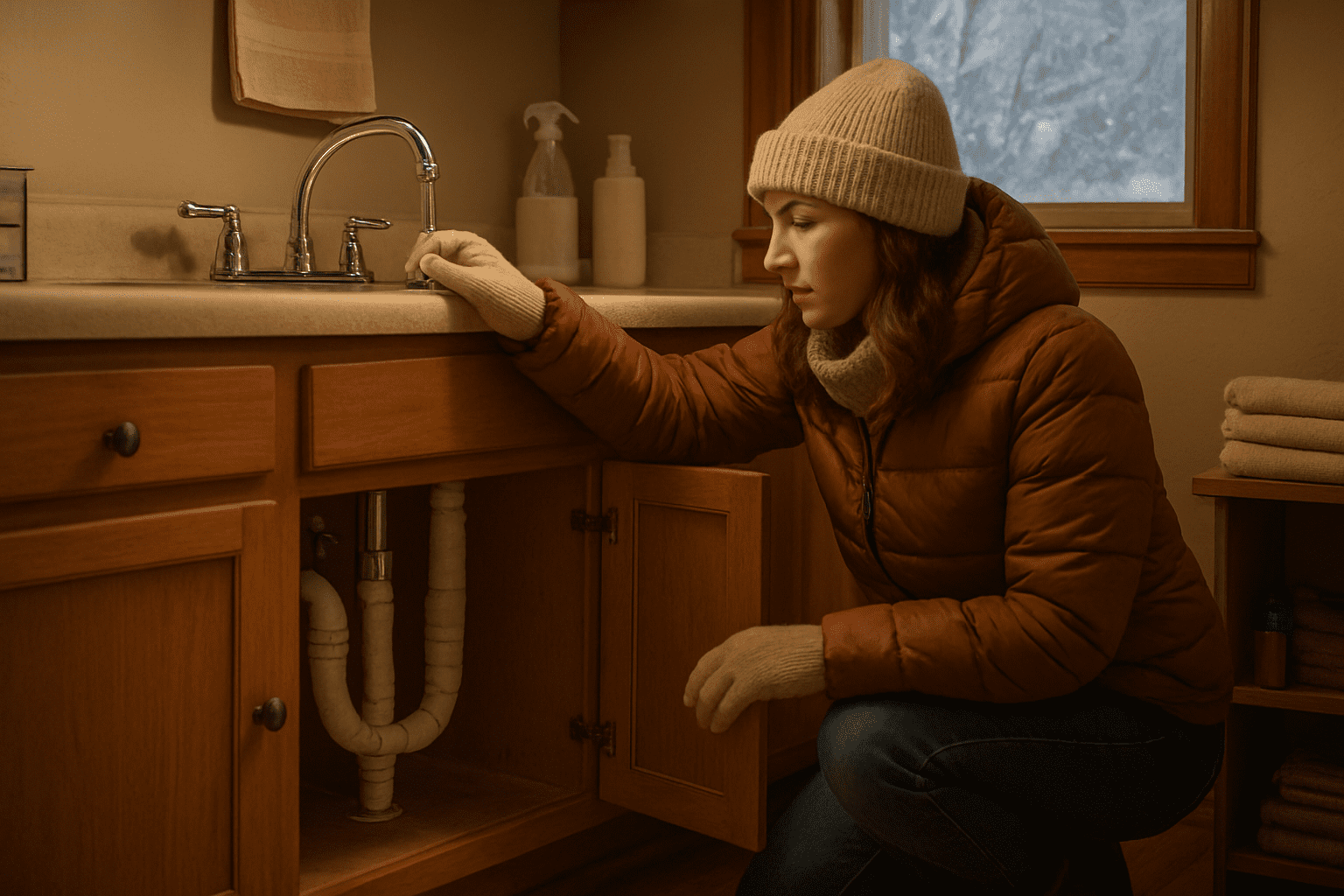
Your kitchen and bathroom cabinets hide some of your home’s most vulnerable pipes. Open those cabinet doors whenever temperatures drop below 32°F to allow warm air from your heated living spaces to circulate around the plumbing.
Focus on cabinets along exterior walls where pipes are most exposed to cold temperatures. Under-sink areas in kitchens and bathrooms are prime candidates since these pipes often run through uninsulated spaces. The simple act of opening these doors can raise the temperature around your pipes by 10-15 degrees.
Remove any stored items that might block airflow to the pipes. Cleaning supplies, towels, and other cabinet contents can create barriers that prevent warm air from reaching your plumbing. Clear a path so heated air can flow freely around all exposed pipes.
This strategy works particularly well overnight when your home’s ambient temperature naturally drops. Keep cabinet doors open during the coldest hours, typically between midnight and 6 AM, when frozen pipe damage prevention becomes most important.
Running Water at a Slow Drip During Extreme Cold Snaps
Moving water resists freezing much better than standing water. When weather forecasts predict extreme cold—typically below 20°F—let your faucets drip at a pencil-thin stream throughout the night and during the coldest part of the day.
Target faucets connected to pipes that run through exterior walls, unheated basements, or crawl spaces. You don’t need to run every faucet in your house, just those most vulnerable to freezing. Both hot and cold water lines benefit from this winter plumbing tip, so slightly open both handles if you have separate controls.
The drip doesn’t need to be heavy—just enough to keep water moving through the system. This small amount of water usage costs far less than dealing with burst pipes and water damage. A steady drip can prevent thousands of dollars in emergency plumbing repairs.
Time your dripping strategy around weather reports. Start the drip before temperatures drop and continue until daytime temperatures rise above freezing. This proactive approach to pipes freezing in winter gives you the best protection during the most dangerous weather conditions.
Emergency Steps When Pipes Begin to Freeze
Locating Your Main Water Shutoff Valve Quickly
Time is critical when dealing with emergency frozen pipe solutions. Your main water shutoff valve is your first line of defense against catastrophic water damage. Most homes have the shutoff valve located near where the water line enters your house, typically in the basement, crawl space, or utility room. In some properties, you’ll find it outside near the water meter or at the curb.
Mark your shutoff valve location with a bright tag or label before winter arrives. Practice turning it off during warmer months so you’re not fumbling in an emergency. The valve should turn clockwise to shut off water flow completely. If the valve is stuck or difficult to turn, have a professional service it before freezing weather hits.
Keep a flashlight and adjustable wrench near the valve location. During power outages or in poorly lit areas, these tools become essential. Share the valve location with all family members old enough to operate it safely.
Safely Thawing Frozen Pipes Using Approved Methods
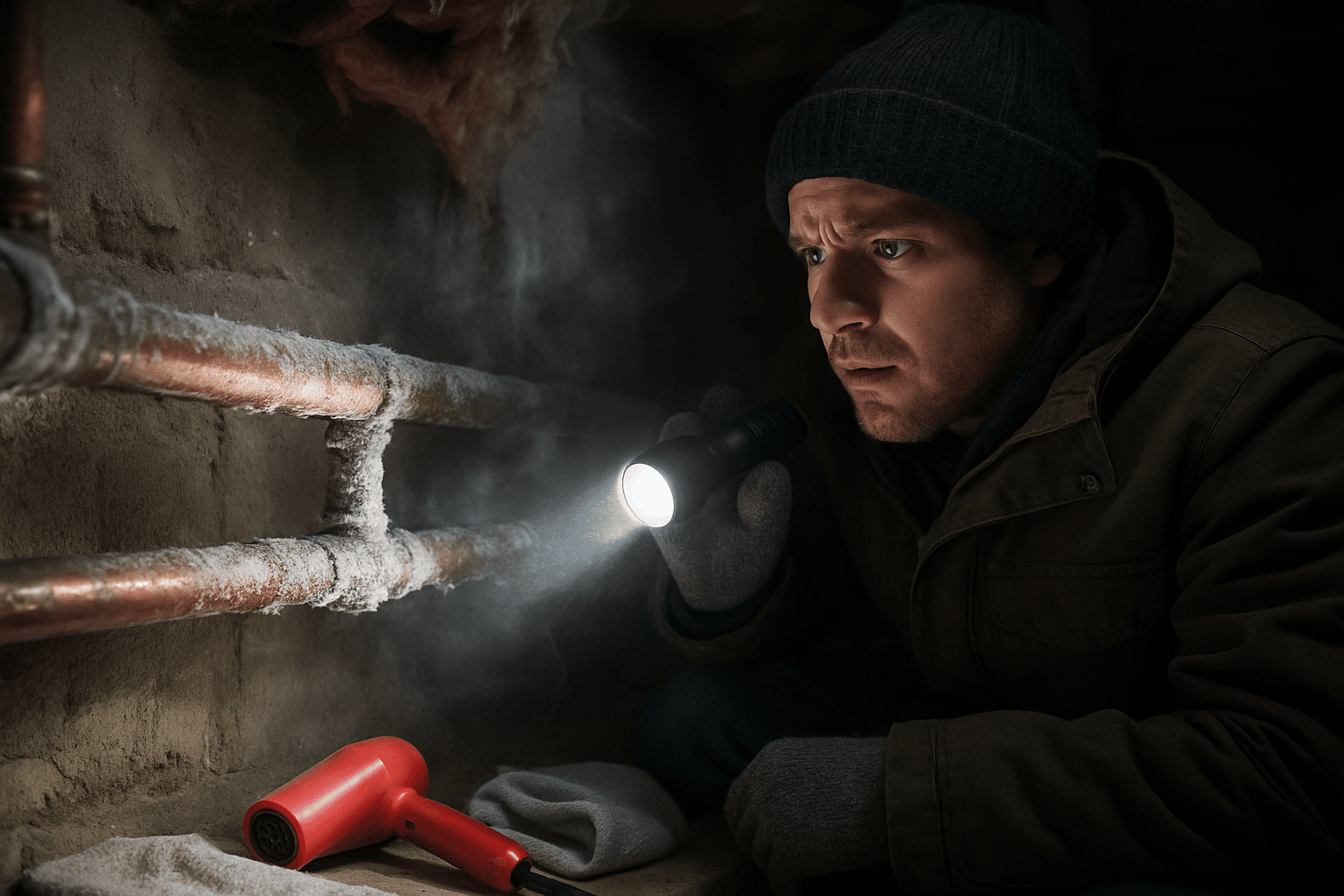
Never use open flames, propane torches, or high-heat devices on frozen pipes. These methods can damage pipes, cause fires, or lead to dangerous gas leaks. Instead, apply gentle, consistent heat using safe thawing techniques.
Hair dryers work effectively for accessible pipes. Keep the dryer moving along the pipe length, never focusing heat on one spot. Space heaters placed at a safe distance can warm entire pipe sections, but ensure proper ventilation and fire safety precautions.
Hot towels soaked in warm water provide controlled heat application. Wrap towels around the frozen section and replace them as they cool. For pipes inside walls, increase room temperature and open cabinet doors to allow warm air circulation.
Electric heating pads designed for pipes offer controlled temperatures. Wrap them around frozen sections according to manufacturer instructions. Turn on faucets slightly to allow water movement as ice melts – even a small trickle indicates progress.
Recognizing Warning Signs Before Pipes Burst
Your plumbing system gives clear warnings before complete failure occurs. Reduced water flow from faucets often signals partial ice blockage. Strange sounds like banging, gurgling, or unusual pipe noises indicate pressure buildup from ice formation.
Frost visible on exposed pipes means freezing has already begun. Check pipes in unheated areas like basements, garages, and crawl spaces regularly during cold snaps. Bulging or cracked pipe sections indicate dangerous pressure buildup requiring immediate attention.
Water stains or wet spots on walls and ceilings suggest hidden pipe problems. If you notice these signs combined with temperature drops, investigate immediately. Small leaks often precede major bursts, giving you precious time to prevent extensive damage.
When to Call Professional Plumbers Immediately
Some frozen pipe situations require professional intervention for safety and effectiveness. Call professionals when pipes are inaccessible behind walls, under slabs, or in tight crawl spaces. Attempting DIY repairs in these areas often causes more damage than the original problem.
If multiple fixtures lose water simultaneously, you’re dealing with main line freezing that needs professional equipment. Repeated freezing in the same locations indicates underlying problems requiring permanent solutions like improved heating system efficiency.
Gas line proximity to frozen water pipes creates dangerous conditions. Never attempt thawing near gas appliances or lines without professional assessment. Licensed plumbers have specialized tools and knowledge to handle these complex situations safely.
Emergency situations like visible cracks, active leaks, or burst pipes require immediate professional response. Water damage spreads rapidly, and quick professional intervention minimizes property damage and repair costs.
Long-term Solutions for Chronic Freezing Problems
Upgrading Pipe Insulation in Problem Areas
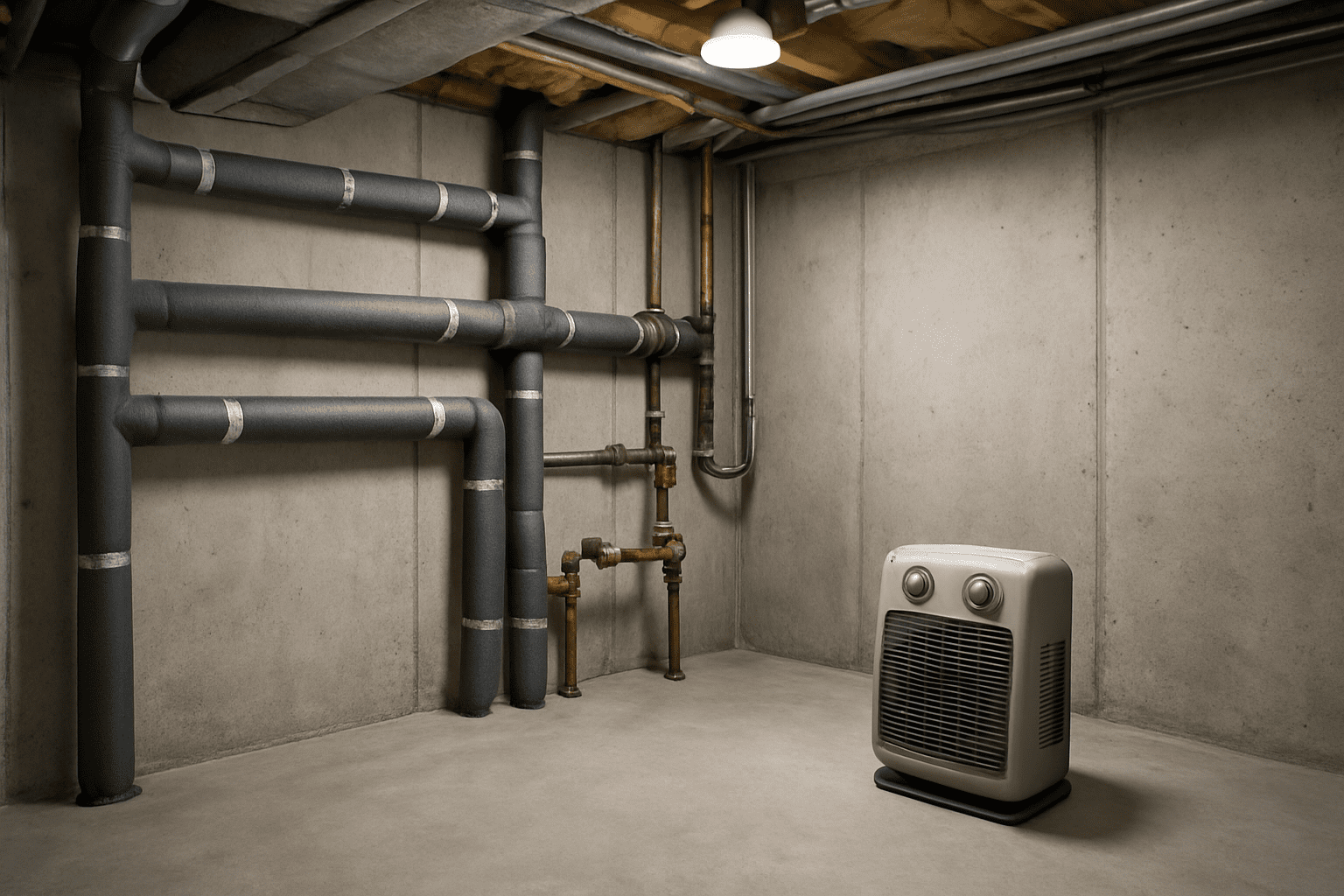
When your pipes freeze repeatedly in the same spots, standard insulation isn’t cutting it anymore. You need to identify these problem zones and upgrade to higher-grade insulation materials. Look for areas where pipes run through unheated basements, crawl spaces, or along exterior walls where cold air penetrates.
Start by removing old, inadequate insulation and installing foam pipe sleeves with R-values of at least 3.0. For severely exposed areas, consider wrapping pipes with multiple layers of insulation or using reflective foil-backed insulation that creates an additional thermal barrier. Pay special attention to pipe joints, elbows, and fittings where heat loss occurs most rapidly.
Don’t forget about the gaps around pipe penetrations through walls and floors. Seal these openings with expanding foam or caulk before applying insulation. This prevents cold air from circulating around your pipes and undermines your freeze protection efforts.
Installing Pipe Heating Cables for Vulnerable Sections
Heating cables provide active freeze protection for your most vulnerable pipes. These electric cables wrap around your plumbing and maintain temperatures above freezing, even during extreme cold snaps.
Choose between self-regulating cables that automatically adjust their heat output based on ambient temperature, or constant-wattage cables for consistent heating. Self-regulating cables cost more upfront but save energy and reduce fire risks since they won’t overheat.
Install heating cables on exposed pipes in unheated areas, focusing on sections that have frozen before. Follow manufacturer guidelines for spacing and overlap, typically wrapping cables in a spiral pattern along straight runs and creating loops at bends. Always use cables rated for your pipe material and install GFCI protection for electrical safety.
Remember to insulate over the heating cables to maximize efficiency and prevent heat loss to surrounding air.
Relocating Pipes Away from Exterior Walls
Sometimes the best solution for chronic freezing problems involves moving your pipes to warmer locations within your home. This major renovation project requires professional planning but delivers permanent results.
Consider rerouting problem pipes through interior walls, heated basements, or insulated crawl spaces where temperatures remain more stable. This works particularly well during bathroom or kitchen renovations when walls are already open.
For less invasive solutions, you might install a small heating system in the problem area. This approach works well with existing whole-house heating systems that can extend warmth to previously unheated spaces.
Moving pipes also gives you the opportunity to upgrade to larger diameter pipes or install bypass loops that keep water circulating even when fixtures aren’t in use.
Considering Whole-House Temperature Monitoring Systems
Smart temperature monitoring systems give you early warning when conditions become dangerous for your plumbing. These systems place sensors in vulnerable areas like basements, crawl spaces, and exterior walls to track temperature changes throughout your home.
Modern monitoring systems connect to your smartphone and send alerts when temperatures drop below your preset threshold, usually around 40°F. This gives you time to take action before pipes actually freeze.
Advanced systems integrate with your home’s heating system and can automatically raise temperatures in specific zones when sensors detect freezing conditions. Some models even control heating cables and can activate backup heating sources during power outages.
Consider systems that also monitor humidity levels, as these readings help you maintain optimal conditions for preventing both freezing and condensation problems that can damage your home’s structure over time.
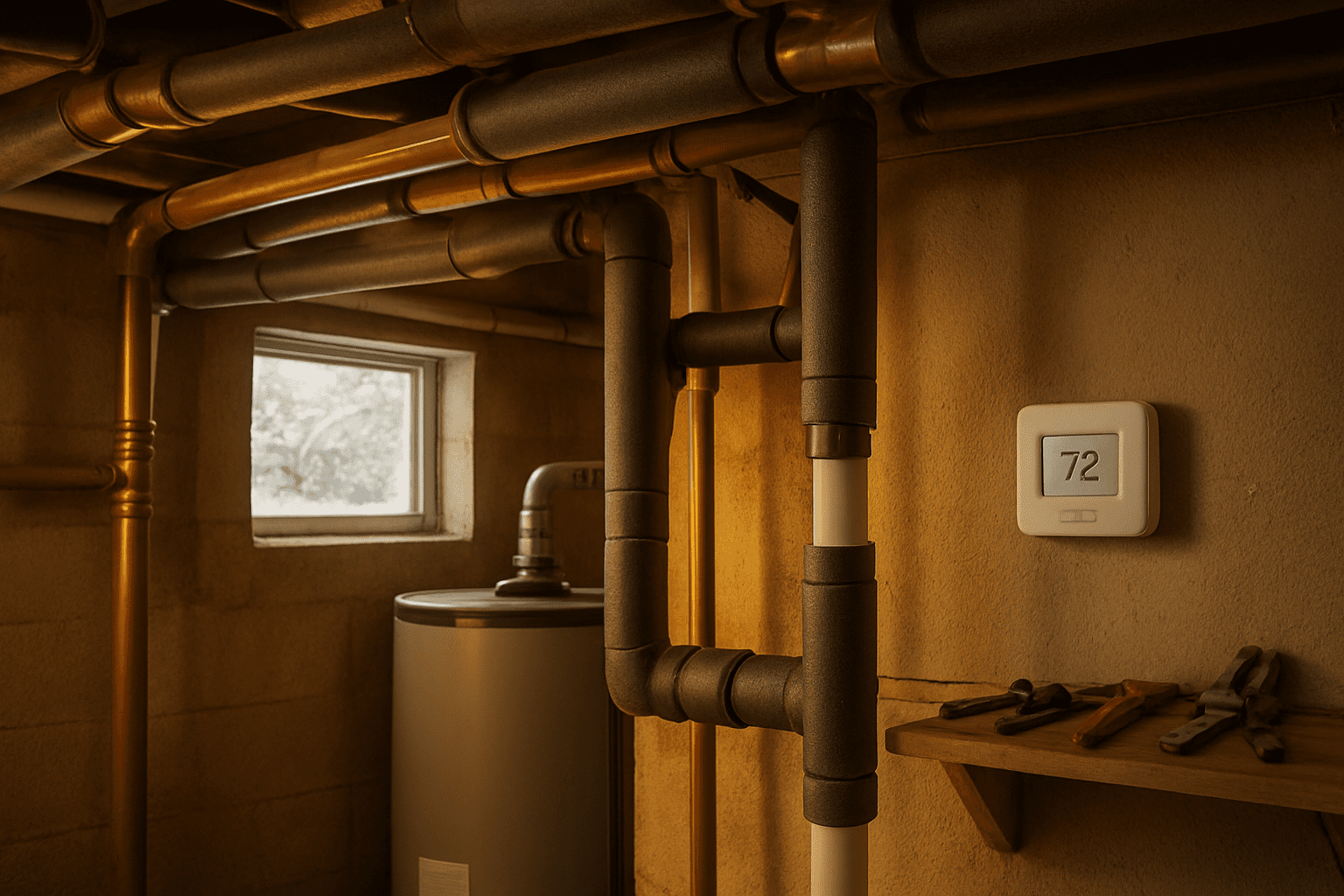
Your pipes don’t have to become winter casualties if you take the right steps now. By understanding why freezing happens and implementing the preventive measures we’ve covered, you’re setting yourself up for a stress-free cold season. Remember to seal those gaps, insulate exposed pipes, and keep water moving through your faucets when temperatures drop dangerously low.
Don’t wait until you hear that first suspicious silence from your pipes to take action. Start with the daily winter habits we discussed, and if you’re dealing with pipes that freeze year after year, it’s time to consider those long-term solutions. Your future self will thank you when you’re enjoying a hot shower while your neighbors are dealing with burst pipe headaches and costly repairs.
Don’t let frozen pipes ruin your winter! Protect your home with these expert tips, and if you need help winterizing or thawing your plumbing, the professionals at UGNasons are here for you. Contact us at ugnasons.com, call (401) 847-2497, or email [email protected] for fast, reliable service all season long.