

If you’re a Rhode Island homeowner or renter, those winter heating bills can feel like a punch to the gut when they arrive in your mailbox. You’re not alone in wondering whether you’re paying too much or if your neighbors are somehow getting better deals on their Rhode Island heating costs.
This guide is designed for Rhode Island residents who want a clearer understanding of winter heating expenses. Because heating costs change with fuel prices, weather, home efficiency, and individual energy use, there isn’t one “normal” winter heating bill that applies to every household.
We’ll break down how different heating systems and fuel types affect winter expenses so you can better understand what may be driving your own heating bills. You’ll also discover the biggest factors driving your individual heating bills – some you can control, others you can’t, but knowing the difference helps you make smarter decisions.
Most importantly, we’ll share practical strategies that can help Rhode Island homeowners manage winter heating expenses without sacrificing comfort.
Understanding Rhode Island’s Winter Heating Landscape

Climate factors that drive higher heating costs
Rhode Island’s coastal location can bring rapidly changing winter conditions, including cold temperatures, wind, and coastal storms. How much energy your home needs during these conditions depends heavily on insulation, air sealing, thermostat settings, and the condition and efficiency of your heating system.
Outdoor temperature changes directly affect heating demand. Colder periods generally require your system to run longer to maintain the same indoor temperature, while milder periods reduce heating demand.
Wind can also increase heat loss when a home has air leaks around windows, doors, attic penetrations, and other openings. Air sealing and insulation can help reduce drafts and limit unnecessary heat loss.
Average winter temperatures and duration
Rhode Island homeowners typically use heating systems through much of the colder part of the year, although the length of the heating season varies with weather and household preferences. Heating demand is generally highest during the coldest winter months, when heating systems tend to run more frequently.
January is typically one of Rhode Island’s colder winter months. During colder periods, heating systems may need to run longer to maintain indoor temperatures, which can increase energy use and heating costs.
Heating demand can also vary during the shoulder seasons as temperatures fluctuate from day to day. Wide temperature swings can make heating demand less predictable during these periods.
During sustained cold weather, heating systems may operate for longer periods to maintain indoor temperatures.
Regional variations across the state
Winter conditions can vary between Rhode Island’s coastal and inland communities. Coastal areas experience maritime influences and exposure to wind and salt air, while inland and higher-elevation areas may experience colder conditions. Home size can affect heating demand, but insulation, air sealing, equipment efficiency, thermostat settings, and layout also matter.
Breaking Down Heating System Costs by Type
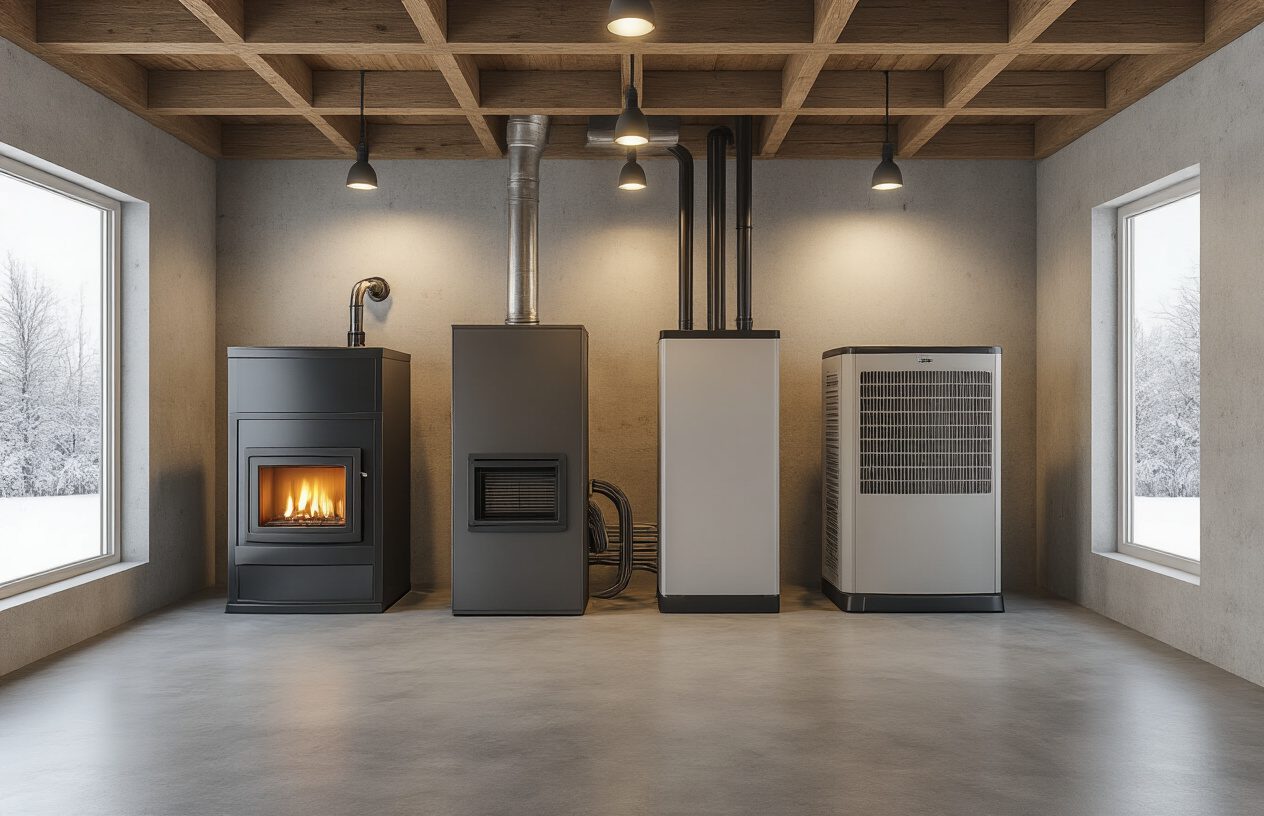
Natural Gas Heating Costs
Natural gas heating costs depend on the amount of fuel your home uses and the rates in effect during the billing period. Home size, insulation, thermostat settings, weather, and equipment efficiency all affect consumption. If you heat with natural gas, reviewing both your usage and current rate information can give you a more useful comparison than relying on a statewide monthly average.
Heating Oil Costs
Heating oil expenses can change considerably as fuel prices fluctuate. Rhode Island’s Office of Energy Resources publishes current and historical heating oil price information, which can help homeowners understand current market conditions. Your total cost also depends on how much fuel your home uses, making insulation, thermostat settings, weather, and heating-system condition important factors.
Electric Heating and Heat Pumps
Electric heating costs vary significantly depending on the type of equipment. Electric resistance heating and heat pumps use electricity differently, so they shouldn’t be treated as equivalent heating systems when comparing energy use. Heat pump performance and operating costs also depend on equipment design, outdoor temperatures, electricity rates, home efficiency, and system sizing.
Propane and Other Heating Options
Propane is another option for homes without access to natural gas, and its price can fluctuate throughout the heating season. Some Rhode Island homes also use supplemental heating systems or geothermal heat pumps. When comparing heating options, consider more than fuel price alone: installation requirements, equipment efficiency, home characteristics, maintenance needs, and current energy prices can all affect long-term costs.
Key Factors That Impact Your Individual Heating Bills

Home Size and Insulation Quality Effects
Your home’s square footage can affect heating demand, but size is only one factor. How well the home retains heat also depends on insulation, air sealing, layout, and other building characteristics. A smaller home is not always cheaper to heat if it has substantial air leakage or poor insulation.
Insulation and air sealing help reduce heat loss in cold weather. Older homes may have insulation or air-sealing gaps, particularly in attics, basements, exterior walls, windows, and doors. Drafts, cold spots, or frequent heating-system operation can be signs that your home is losing heat.
Poor insulation can increase heat loss, causing your heating system to run longer to maintain a comfortable indoor temperature. Improving insulation and sealing air leaks can reduce heat loss and help your heating system maintain indoor temperatures more efficiently.
Basements, crawl spaces, foundation walls, and rim joists can also contribute to heat loss. Drafts or unusually cold floors may be signs that these areas deserve closer attention.
Thermostat Settings and Usage Patterns
Your thermostat settings and daily heating habits can influence energy use throughout the winter. Thermostat settings affect how much heating your home requires. Lowering the temperature when appropriate can reduce heating demand, but the best settings depend on your household’s comfort needs, heating system, and schedule.
Programmable and smart thermostats can help automate temperature changes based on your household’s schedule. If you use temperature setbacks, follow recommendations appropriate for your heating system, since operating strategies can differ by equipment type.
Your daily routine also matters. Homes occupied throughout the day may require more heating than homes that are unoccupied for extended periods. Families with different schedules often struggle with thermostat battles—one person feels cold while another finds it too warm.
Zoned heating systems can provide more control over temperatures in different areas of the home. Use zoning according to your system design and comfort needs rather than relying on one setting for every space.
Age and Efficiency of Your Heating System
Heating-system efficiency and condition can affect energy use. Older equipment may be less efficient than newer systems, but age alone doesn’t determine performance. Equipment type, installation, maintenance history, condition, and efficiency rating all matter.
Maintenance history can also affect system performance. Dirty filters, worn components, or other maintenance issues may reduce airflow, reliability, or efficiency depending on the type of heating equipment.
Regular professional maintenance can help identify performance problems, worn components, and other issues that may affect reliable heating operation.
Use Your Own Heating History as a Baseline

Review Past Bills and Fuel Use
One of the best ways to estimate your upcoming winter heating expenses is to review your own bills or fuel-delivery records from previous heating seasons. Compare both cost and energy use when possible. A higher bill doesn’t always mean you used more energy; changes in fuel or utility rates can increase your total even when consumption stays similar.
Account for Changing Energy Prices
Heating oil, propane, natural gas, and electricity prices can change over time, so last winter’s dollar amount may not accurately predict this winter’s expenses. Before setting your budget, check current rate or fuel-price information from your energy provider and reliable Rhode Island energy resources.
Look at Usage, Not Just the Dollar Amount
Instead of comparing your bill with a broad statewide average, compare your home’s energy use from one winter to the next. If consumption rises substantially without a clear explanation, consider changes in weather, thermostat settings, occupancy, insulation, or heating-system performance. An energy assessment or HVAC inspection may help identify areas worth addressing.
Proven Strategies to Reduce Your Winter Heating Expenses

Energy Efficiency Improvements to Consider
Your home’s envelope can play an important role in winter heating costs. Start by looking for common sources of air leakage around windows, doors, and other openings. Appropriate weatherstripping and air sealing can help reduce unwanted heat loss.
Insulation is another important part of your home’s thermal envelope. If you’re unsure whether your attic, walls, or other areas are adequately insulated, a home energy assessment can help identify opportunities for improvement.
Older or poorly sealed windows can also contribute to drafts and heat loss. Depending on their condition, improvements may range from air sealing and weatherstripping to window replacement.
Consider a home energy assessment to identify air leakage, insulation gaps, and other efficiency opportunities. Check current Rhode Island programs and eligibility requirements before scheduling.
Smart thermostat programming techniques
Use thermostat schedules that match when your household is home, asleep, or away. Avoid heating your home more than necessary, while keeping comfort, plumbing protection, pets, and the operating characteristics of your heating system in mind.
A programmable or smart thermostat can make scheduled temperature adjustments easier and help you monitor heating patterns. Available features vary by model and heating system.
Rhode Island Rebates and Assistance Programs
Heating and energy-efficiency incentives change over time, so check current program requirements before making an upgrade decision. Rhode Island’s Office of Energy Resources provides information about available heating and cooling incentives, including Clean Heat RI and programs offered through utility providers. Eligibility and incentive amounts depend on the program, household, equipment, and project.
If you’re considering a heat pump, review current incentives before choosing equipment or beginning installation so you understand applicable eligibility requirements.
Maintenance tips to maximize system efficiency
Regular maintenance can help support efficient, reliable operation. If your heating system uses a replaceable air filter, inspect it regularly and replace it according to the equipment or filter manufacturer’s recommendations. A clogged filter can restrict airflow and affect system performance.
Schedule professional maintenance according to the requirements of your heating equipment. A technician can inspect appropriate components, identify developing problems, and confirm that the system is operating properly.
Keep indoor vents or registers unobstructed by furniture, curtains, or other items. For heat pumps, keep outdoor equipment clear of leaves, snow, debris, and other obstructions according to manufacturer recommendations.
If you have a ducted system, damaged or poorly sealed ductwork can contribute to unwanted heat loss. If you suspect duct problems, have the system inspected rather than relying on a universal duct-cleaning schedule.
Check thermostat batteries if applicable and make sure the thermostat appears to be responding properly. Persistent temperature or control problems may warrant professional inspection.
Planning and Budgeting for Rhode Island Winter Heating

Setting realistic monthly heating budgets
A realistic winter heating budget should start with your own home’s energy history. Review previous utility bills or fuel-delivery records and identify your highest-use winter months. Then consider whether current energy prices, household occupancy, thermostat settings, or equipment have changed since the previous season.
Reviewing several heating seasons can help you distinguish normal seasonal variation from an unusual increase. Building some flexibility into your household budget can also help account for colder weather or changing energy prices.
Payment plan options from utility companies
Your current utility or fuel provider may offer budget billing, payment plans, or other options that spread heating expenses across the year. Check directly with your provider to confirm which programs are currently offered and whether you qualify.
Households that need help with winter energy costs may also qualify for energy-assistance or weatherization programs. Eligibility requirements can change, so check current Rhode Island program information before applying.
Some heating-oil suppliers offer budget, automatic-delivery, or price-plan options. Terms vary by supplier, so compare the conditions carefully before enrolling.
Contact your utility or fuel provider before winter to review current options and any enrollment requirements.
Emergency heating cost preparation strategies
Unexpected heating-system repairs or unusually high energy use can make winter budgeting more difficult. System breakdowns, severe weather, or changing fuel prices can create unexpected winter expenses.
Consider including unexpected heating-system repairs or unusually high energy costs in your household emergency planning. The appropriate amount will depend on your equipment, home, and financial situation.
Keep your HVAC provider’s contact information and heating-equipment documentation accessible so you can respond quickly if the system stops working.
Winter storms can disrupt heating systems, power, or fuel deliveries, so basic emergency preparation is worthwhile. Stock emergency supplies, extra blankets, and non-perishable food that doesn’t require cooking.
If you use delivered heating fuel, monitor your supply and plan deliveries ahead of severe winter weather when possible. Local forecasts can help you prepare for conditions that may delay deliveries.
 Winter heating costs in Rhode Island can vary considerably from one household to another. Your fuel or energy source, current rates, weather, home efficiency, thermostat settings, and heating-system performance all affect what you’ll ultimately spend.
Instead of relying on a single statewide average, use your previous bills as a baseline, monitor current energy prices, and pay attention to changes in your home’s energy use. Air sealing, insulation improvements, appropriate thermostat settings, and regular HVAC maintenance can all be part of a practical strategy for managing winter heating expenses.
Concerned About Your Winter Heating Costs?
Contact UG Nasons to schedule service or discuss heating and heat pump options for your Rhode Island home.