

Living in Newport, Rhode Island means your HVAC system faces unique challenges when nor’easters and coastal storms roll in. As a Newport homeowner, you need to protect your heating and cooling equipment from salt air, high winds, and flooding that can cause expensive damage or complete system failure.
Your HVAC system works harder during storm season, and without proper Newport HVAC storm preparation, you could find yourself without heat or cooling when you need it most. Storm damage HVAC prevention starts weeks before the first weather alert hits your phone.
This guide walks you through the essential steps to safeguard your investment. You’ll learn how to handle pre-storm maintenance tasks that keep your system running smoothly, discover proven methods for protecting your outdoor HVAC equipment from wind and debris, and get a clear post-storm HVAC inspection checklist to assess any damage. By taking these proactive steps, you’ll save money on repairs and keep your family comfortable no matter what Mother Nature sends your way.
Understanding Storm Risks to Your HVAC System
Recognizing Power Outage Vulnerabilities in Newport’s Coastal Climate
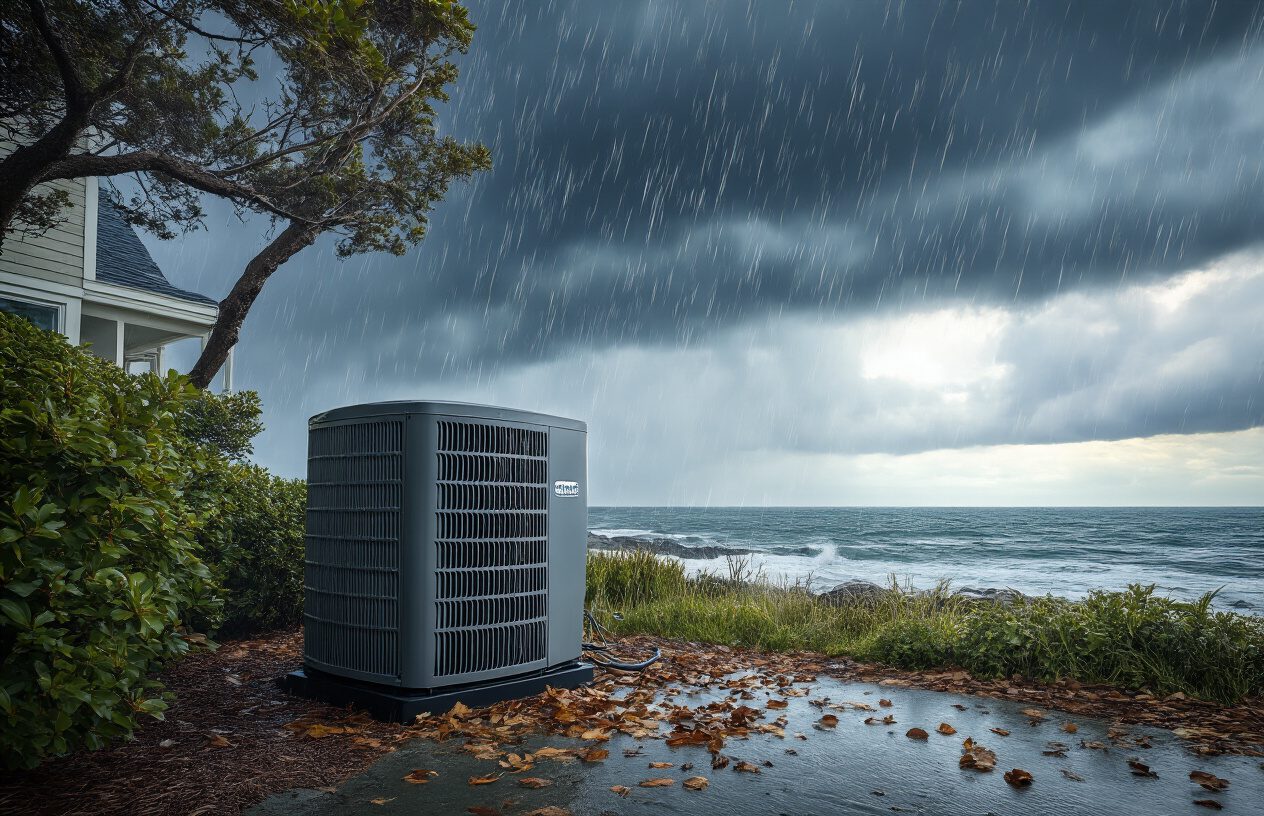
Newport’s coastal location makes your home particularly susceptible to extended power outages during nor’easters and hurricanes. When the electrical grid fails, your HVAC system faces immediate challenges beyond just losing heating or cooling capacity. Modern HVAC systems rely heavily on electronic components, including thermostats, control boards, and variable-speed motors that can suffer damage when power returns unexpectedly or surges occur.
Your backup heating sources become critical during these outages. If you have a gas furnace, remember that most still require electricity to operate the blower motor and ignition system. Heat pumps, increasingly popular in coastal Rhode Island homes, become completely non-functional without power. Consider investing in a whole-house generator or portable backup power solution to keep essential HVAC components running during extended outages.
Power fluctuations before and after storms pose another significant risk. Voltage spikes can fry sensitive electronic controls, while brownouts can damage compressor motors. Installing surge protectors specifically designed for HVAC equipment protects your investment from these electrical hazards.
Identifying Flood Damage Risks to Outdoor Units and Ductwork
Storm surge and flooding present serious threats to your HVAC system’s outdoor components. Your air conditioning condenser or heat pump unit sits at ground level, making it vulnerable to even minor flooding. Salt water is particularly destructive, corroding electrical connections, refrigerant lines, and internal components within hours of exposure.
Ductwork in basements, crawl spaces, or lower levels faces contamination risks from floodwater. Even clean water can promote mold growth, while storm water introduces bacteria and debris that compromises your indoor air quality. Flexible ducts are especially vulnerable, as they can trap water and contaminants in their corrugated surfaces.
Ground-level electrical connections and refrigerant lines also suffer flood damage. Water infiltration into electrical panels or junction boxes creates safety hazards and expensive repairs. Your refrigerant system can become contaminated if floodwater reaches connection points, requiring complete system evacuation and cleaning.
Assessing Wind Damage Threats to Rooftop Equipment
High winds during coastal storms pose unique challenges for rooftop HVAC installations common in Newport homes. Your rooftop units face direct exposure to wind speeds that can exceed 100 mph during major storms. Loose or inadequately secured equipment can become projectiles, damaging neighboring properties while destroying your own system.
Wind-driven debris creates additional hazards. Tree branches, roof shingles, and outdoor furniture can strike your equipment with tremendous force. Even smaller debris like leaves and twigs can clog intake vents and damage fan blades. Your ductwork connections are particularly vulnerable to wind damage, as sustained high winds can loosen or separate joints.
The combination of wind and rain creates unique problems for rooftop systems. Wind can drive rain horizontally into normally protected areas, flooding electrical components and control panels. This sideways rain penetration often causes more damage than vertical precipitation alone.
Understanding Salt Air Corrosion Effects on System Components
Newport’s coastal environment exposes your HVAC system to constant salt air, accelerating corrosion throughout the year. This corrosive environment becomes more aggressive during storms when salt spray travels farther inland and penetrates deeper into your equipment. Your outdoor unit’s coils, fins, and metal components suffer continuous degradation from salt exposure.
Electrical connections deteriorate faster in salt air conditions. Corroded connections create resistance, generating heat and potentially causing system failures or fire hazards. Your refrigerant lines, typically made of copper, develop pinhole leaks more quickly when exposed to salt air, especially at joints and fittings.
The aluminum fins on your condenser coils are particularly susceptible to salt air corrosion. As these fins corrode, they restrict airflow and reduce your system’s efficiency. Mini split systems installed in coastal locations require regular maintenance to combat salt air effects and maintain optimal performance.
Indoor components aren’t immune to salt air effects either. Your air handler’s metal components, including the blower housing and ductwork, can corrode over time as salt-laden air circulates through your system. This corrosion weakens structural integrity and can introduce metal particles into your home’s air supply.
Essential Pre-Storm HVAC Maintenance Tasks
Inspecting and Securing Outdoor Condenser Units
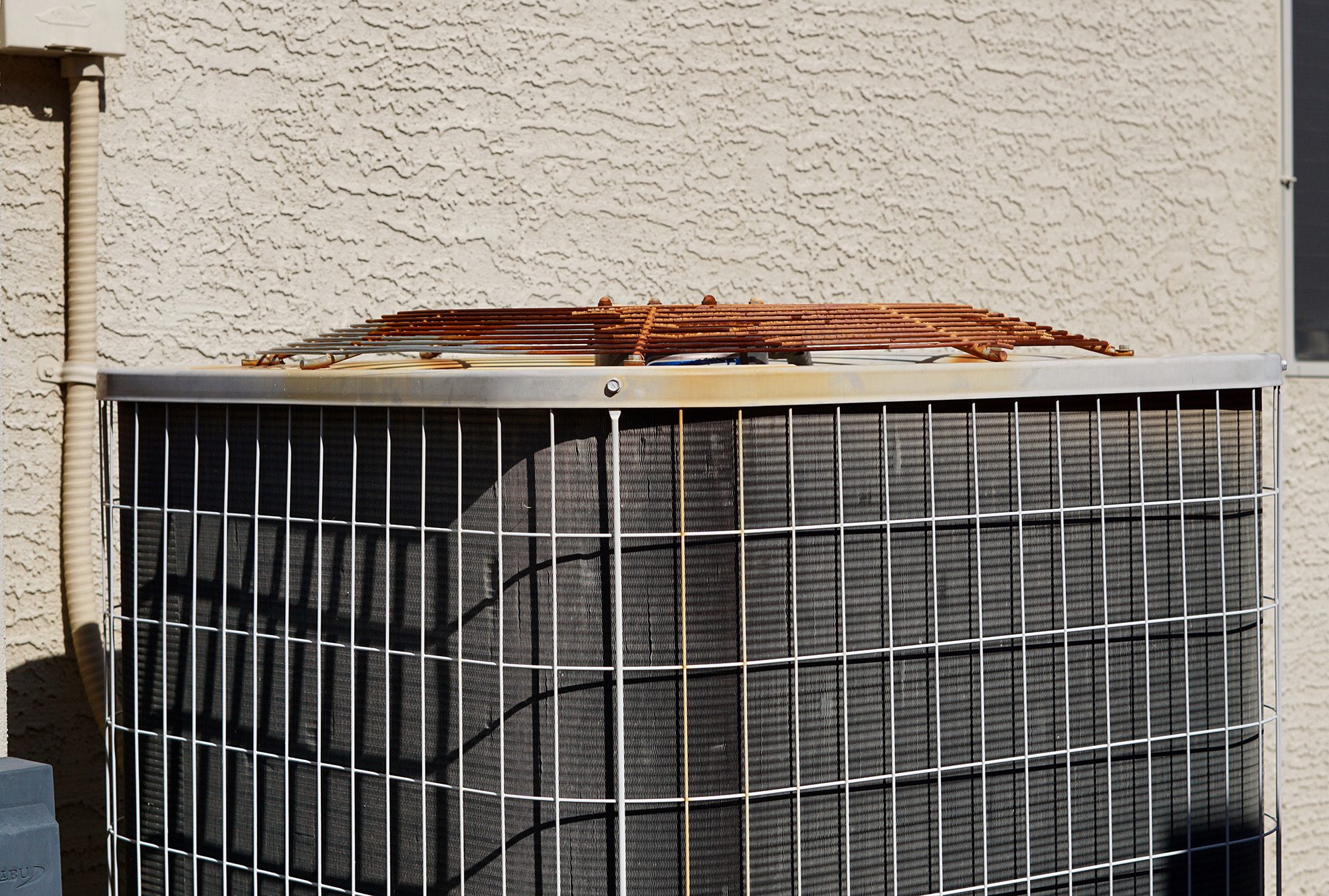
Your outdoor HVAC condenser unit faces the full brunt of coastal storms, making proper inspection and securing critical for Newport HVAC storm preparation. Start by examining the unit’s mounting brackets and concrete pad for any signs of weakness or damage. Coastal salt air can corrode mounting hardware over time, so replace any rusted bolts or brackets before storm season arrives.
Check that your condenser unit sits level on its pad and isn’t tilting or shifting. Storm winds can exploit any instability, potentially causing your unit to topple or sustain damage. If you notice movement, contact a professional to re-level and secure the unit properly.
Remove any debris, vegetation, or loose objects within a six-foot radius around your condenser. Hurricane-force winds can turn everyday items into projectiles that damage your equipment. Trim back overgrown shrubs and secure or remove patio furniture, grills, and decorations that could become airborne.
Consider installing a protective cage or hurricane straps specifically designed for HVAC units. These affordable additions can prevent wind damage and keep your system operational after the storm passes. For coastal homes in Newport, where salt spray adds another layer of concern, applying a protective coating to exposed metal components helps prevent corrosion damage during extended storm exposure.
Cleaning Gutters and Drainage Systems Around Equipment
Proper drainage around your HVAC equipment prevents catastrophic water damage during nor’easters and coastal storms. Clean your gutters thoroughly, removing all leaves, debris, and buildup that could cause water to overflow near your outdoor unit. Clogged gutters create waterfalls that can flood your condenser’s electrical components or damage the surrounding foundation.
Inspect the drainage patterns around your HVAC equipment and ensure water flows away from the unit, not toward it. Grade the soil so rainwater naturally moves away from your condenser pad. If you notice standing water around your unit after regular rainfall, address this drainage issue before storm season intensifies the problem.
Check and clean the condensate drain line that carries moisture away from your indoor unit. A blocked drain can cause water backup inside your home during storms when your system works harder to maintain comfort. Pour a cup of white vinegar down the drain line quarterly to prevent algae and mold buildup that commonly blocks these lines.
For Newport homeowners dealing with coastal flooding risks, consider installing a sump pump or French drain system around your HVAC equipment. These systems actively remove excess water and protect your investment from storm surge and heavy rainfall that can overwhelm natural drainage.
Testing Backup Power Systems and Generators
Power outages during storms can leave your HVAC system completely offline, making backup power testing essential for HVAC emergency preparedness. Test your backup generator monthly, not just before storm season. Run it under load for at least 30 minutes to ensure it can handle your HVAC system’s startup surge and continuous operation.
Check your generator’s fuel supply and storage system. Gasoline degrades over time, so use fuel stabilizer and rotate your supply regularly. For propane generators, inspect tanks for damage and verify you have adequate fuel for several days of operation. Natural gas generators need professional inspection of gas line connections and pressure regulators.
Verify that your transfer switch operates correctly and safely disconnects your home from the utility grid when generator power kicks in. A faulty transfer switch can damage your HVAC system or create dangerous backfeed conditions. Test both manual and automatic transfer switches according to manufacturer specifications.
Don’t forget about your HVAC system’s specific power requirements. Heat pumps and traditional heating systems have different electrical needs, especially during startup. Ensure your generator can handle these power demands without overloading or damaging your equipment. Consider installing a soft-start kit on your air conditioning system to reduce the electrical surge during startup, making it easier for smaller generators to power your HVAC system effectively.
Checking Refrigerant Levels and System Efficiency
Pre-storm system efficiency checks ensure your HVAC system operates at peak performance when you need it most. Low refrigerant levels force your system to work harder, increasing the likelihood of failure during storms when repair services may be unavailable for days.
Schedule a professional inspection to check refrigerant levels and look for leaks in your system. Coastal environments accelerate refrigerant line corrosion, making regular checks even more important for Newport homeowners. Small leaks that seem manageable during normal weather can become major problems when your system runs continuously during extreme temperatures.
Test your system’s overall efficiency by monitoring temperature differentials and energy consumption patterns. A system struggling to maintain temperature before a storm will likely fail completely when weather conditions worsen. Address efficiency issues now rather than discovering them during a power outage or extreme weather event.
Clean or replace air filters before storm season begins. Dirty filters restrict airflow and force your system to work harder, increasing wear on components and reducing efficiency. During storms, when your HVAC system may run continuously for days, clean filters become even more critical for preventing system overload and failure.
Check your thermostat’s accuracy and battery backup if applicable. An inaccurate thermostat can cause your system to cycle inefficiently, while dead batteries in programmable thermostats can leave you without climate control during power fluctuations common during coastal storms.
Protecting Your Outdoor HVAC Equipment

Installing Protective Covers and Anchoring Systems
Your outdoor HVAC unit faces serious threats during Newport’s coastal storms. Start by investing in a heavy-duty protective cover specifically designed for your unit’s dimensions. These covers should be made from durable, weather-resistant materials that can withstand high winds and debris impact. When selecting a cover, look for models with ventilation grilles to prevent condensation buildup while maintaining protection.
Anchoring systems are equally crucial for outdoor HVAC unit storm protection. Use hurricane straps or tie-downs rated for winds exceeding 100 mph. Secure these anchors to a concrete pad or install ground anchors deep enough to resist uplift forces. Professional-grade anchoring kits often include galvanized steel cables and turnbuckles that provide adjustable tension.
Elevating Units Above Potential Flood Levels
Newport’s proximity to the ocean makes flood protection a priority for your HVAC system nor’easter protection strategy. If your current unit sits at ground level, consider installing a raised platform at least 12-18 inches above the highest recorded flood level in your area. Concrete pads or metal platforms work best, but ensure proper drainage underneath.
For units that can’t be elevated, waterproof barriers around the perimeter can redirect water flow. Create a slight grade away from the equipment to encourage water runoff. Remember that even minor flooding can cause thousands of dollars in damage to electrical components and motors.
Clearing Debris From Around Equipment Perimeters
Maintain a clear zone of at least three feet around your outdoor unit year-round, but especially before storm season. Remove loose outdoor furniture, garden tools, potted plants, and any items that could become projectiles. Trim back vegetation, including tree branches that could fall during high winds.
Check for accumulated leaves, dirt, and debris that might clog drainage systems or block airflow. Clean the area thoroughly and secure or remove anything that isn’t permanently fixed in place. This simple step prevents most storm-related damage to HVAC equipment.
Securing Loose Components and Electrical Connections
Walk around your unit and inspect all visible components for signs of wear or looseness. Tighten any loose screws, bolts, or mounting brackets using appropriate tools. Pay special attention to the fan guard, access panels, and refrigerant lines. These components often work loose over time and can cause significant damage if they detach during a storm.
Your electrical connections deserve extra attention during Newport HVAC storm preparation. Turn off power at the breaker before inspecting electrical connections. Look for frayed wires, loose connections, or signs of corrosion, especially around the disconnect box. Consider having a professional apply weatherproof sealant around electrical entry points.
For mini-split systems, secure the outdoor condensing unit and check that refrigerant lines are properly bracketed to prevent wind damage.
Creating Proper Drainage Pathways
Good drainage protects your investment and prevents water damage during heavy coastal storms. Start by inspecting the area around your unit for proper slope – water should flow away from the equipment in all directions. If you notice pooling or poor drainage, add gravel or sand to improve water flow.
Clean out any existing drains, gutters, or channels that direct water away from your HVAC equipment. Install additional drainage if needed, such as French drains or simple gravel channels. During coastal storm HVAC maintenance, check that condensate drains from your unit are clear and flowing properly.
Consider installing a sump pump system if your equipment is in a low-lying area prone to flooding. This backup system can prevent water damage even if your primary drainage becomes overwhelmed during severe weather events.
Preparing Indoor HVAC Components for Storms
 Shutting Down Systems Safely Before Power Outages
 Shutting Down Systems Safely Before Power Outages
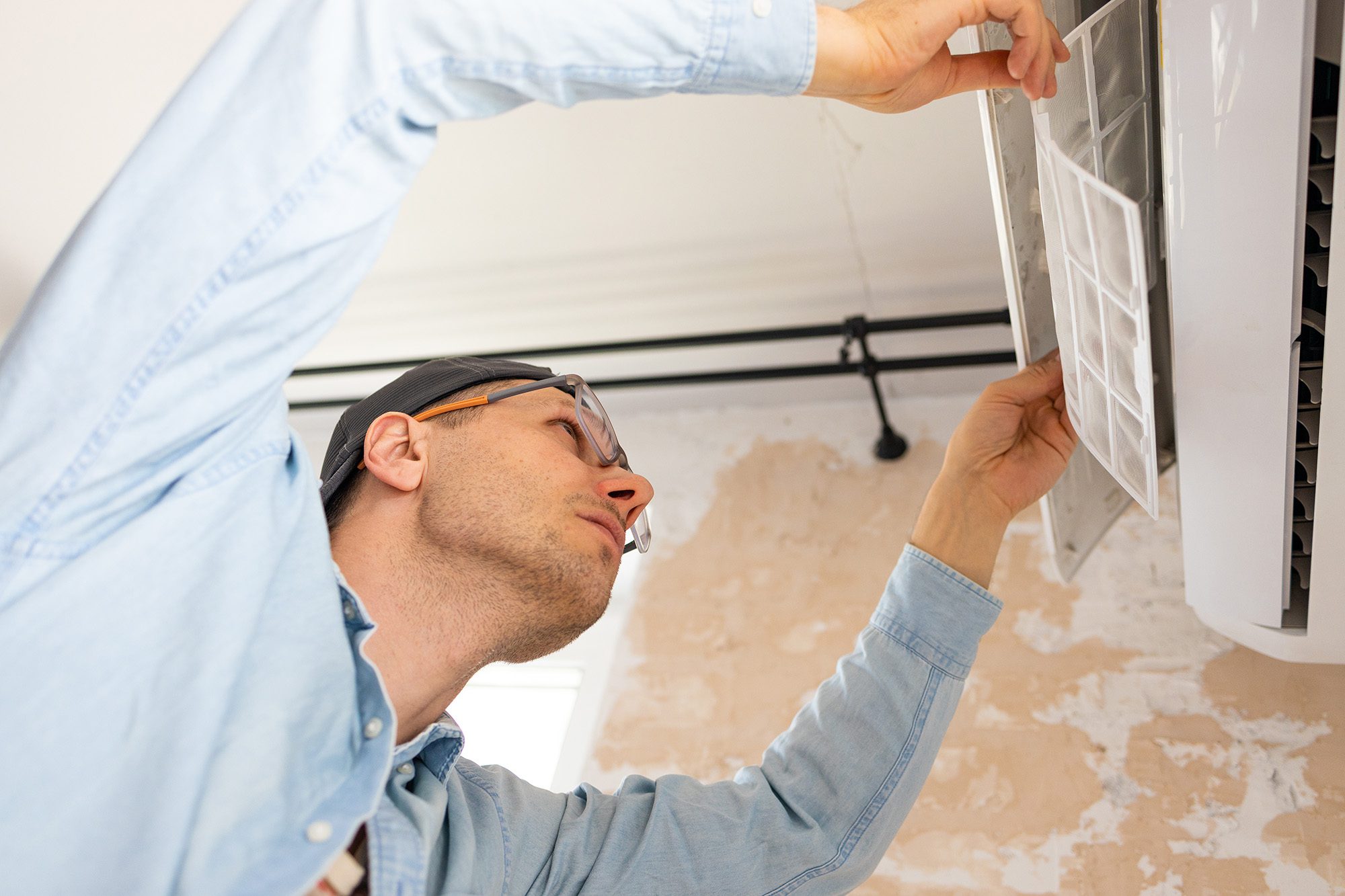
When weather forecasts predict severe coastal storms heading toward Newport, you need to power down your HVAC system properly to prevent damage from electrical surges and sudden power loss. Start by switching your thermostat to the “off” position rather than just adjusting the temperature. This prevents your system from trying to restart automatically when power fluctuations occur during the storm.
Next, locate your main electrical breaker for the HVAC system and flip it to the off position. This protects your equipment from power surges that commonly happen when electricity is restored after outages. Don’t forget about your outdoor unit’s disconnect switch – turn this off as well to provide complete electrical isolation.
If you have a mini split system, each indoor and outdoor unit may have separate controls, so check each zone individually. Document the current settings on your thermostat before shutting down so you can easily restore your preferred temperatures once the storm passes.
Protecting Ductwork From Potential Water Intrusion
Your ductwork faces serious risks during nor’easters, especially if your home has crawl spaces, basements, or attic installations. Water intrusion can lead to mold growth, damaged insulation, and compromised air quality that persists long after the storm clears.
Inspect all accessible ductwork joints and seals before the storm arrives. Use duct sealant or metal-backed tape to secure any loose connections you discover. Pay special attention to areas where ducts pass through floors, walls, or ceilings, as these transition points are particularly vulnerable to water penetration.
Move any stored items away from ductwork in basements and crawl spaces. Flooding can cause boxes, furniture, and other materials to shift and damage ducts. If you have flexible ductwork, ensure it’s properly supported and not sagging, which can create pockets where water might collect.
Consider covering exposed ductwork in flood-prone areas with plastic sheeting, securing it with tape that won’t leave residue. This temporary barrier can prevent contaminated floodwater from entering your air distribution system.
Securing Air Handler Units and Electrical Panels
Your air handler and electrical components need extra protection during coastal storms. Start by checking that your air handler is properly anchored to its platform or mounting brackets. Vibrations from high winds can cause units to shift, potentially damaging refrigerant lines and electrical connections.
Clear the area around your air handler of any loose objects that could become projectiles during the storm. This includes tools, cleaning supplies, holiday decorations, or anything else stored nearby. Create at least a three-foot clearance zone around the unit.
Inspect the electrical panel that controls your HVAC system. Make sure the cover is secure and that no moisture can enter the housing. If your electrical panel is located in a basement or crawl space prone to flooding, consider having an electrician evaluate options for temporary protection or relocation.
Test your system’s emergency shut-off switches to ensure they’re working properly. These safety devices can prevent costly damage if problems develop during the storm. Take photos of your electrical panel settings and air handler configuration before the storm – this documentation will be valuable if you need professional repairs afterward.
Check that your air handler’s condensate drain is clear and functioning. Blocked drains can cause water backup that damages your system even without direct storm infiltration.
Post-Storm HVAC System Recovery Steps

Conducting Thorough Safety Inspections Before Restart
Before you even think about turning your HVAC system back on after a nor’easter or coastal storm, you need to prioritize safety above all else. Start by visually inspecting your entire system, both indoor and outdoor components, for any obvious signs of damage. Look for dented panels, loose wiring, or displaced equipment that could pose immediate hazards.
Check your electrical panel for any tripped breakers or blown fuses related to your HVAC system. If you notice any scorch marks, burning smells, or water damage around electrical components, don’t attempt to restart the system yourself. These are clear warning signs that require professional attention immediately.
Walk around your outdoor unit and scan the surrounding area for potential safety hazards like fallen tree branches, damaged power lines, or unstable structures that could fall and cause injury. Never attempt to operate your system if you suspect any electrical damage or if flooding has affected electrical components.
Removing Debris and Standing Water from Equipment Areas
Storm cleanup around your HVAC equipment requires careful attention to detail. Begin by clearing away any leaves, branches, or debris that has accumulated around your outdoor unit. Even small twigs can interfere with your system’s airflow and efficiency, so be thorough in your cleaning efforts.
Pay special attention to standing water around your equipment. Coastal storms often bring significant flooding, and water pooling around your HVAC system can cause serious damage if not addressed promptly. Use a wet vacuum or pump to remove standing water from around the unit’s base, but avoid using electrical equipment near water without proper safety precautions.
Clean out your condensate drain lines, as storms can cause blockages that lead to water backup and potential system damage. Remove any mud, sand, or debris that may have been blown into the unit’s housing. This is particularly important for Newport homes, where salt air and coastal debris can accelerate corrosion if left unchecked.
Testing All Electrical Connections and Components
Once you’ve cleared the area and ensured basic safety, it’s time to examine your system’s electrical components more closely. Start by checking all visible wiring for signs of damage, corrosion, or loose connections. Storm winds and debris can easily damage exposed wiring, creating both safety hazards and operational problems.
Test your thermostat to ensure it’s responding properly and displaying accurate readings. Sometimes power surges during storms can damage these sensitive electronic components, even if the rest of your system appears unaffected. If your thermostat isn’t functioning correctly, don’t attempt to restart your HVAC system until it’s repaired or replaced.
Check all circuit breakers and disconnect switches to ensure they’re in the proper position. Reset any that may have tripped during the storm, but if a breaker continues to trip repeatedly, this indicates a more serious electrical problem that requires professional diagnosis.
Scheduling Professional System Evaluation and Repairs
Even if your initial post-storm HVAC inspection doesn’t reveal obvious problems, scheduling a professional evaluation is one of the smartest decisions you can make. Experienced HVAC technicians can spot subtle damage that might not be immediately apparent to homeowners, potentially saving you from costly repairs down the road.
Professional technicians have specialized tools and expertise to thoroughly test your system’s performance, check refrigerant levels, and verify that all components are operating within normal parameters. They can also identify potential problems that might develop into major issues if left unaddressed.
When scheduling your professional evaluation, prioritize companies with experience in post-storm HVAC recovery. They understand the specific types of damage that coastal storms can cause and know what to look for when assessing storm-related issues. Consider exploring energy-efficient heating options if your system sustained significant damage and requires replacement.
Don’t wait weeks to schedule this evaluation – storm damage can worsen over time, and many other homeowners will be seeking similar services, potentially creating scheduling delays. The sooner you can get your system properly assessed and any necessary repairs completed, the better protected you’ll be for future weather events.
 Your HVAC system faces unique challenges during Newport’s harsh coastal storms, but with proper preparation, you can keep your home comfortable and avoid costly repairs. The key steps include scheduling pre-storm maintenance, securing outdoor units with covers and elevated platforms, checking indoor components like filters and electrical connections, and knowing how to safely restart your system after the storm passes. These proactive measures protect your investment and ensure your family stays warm and safe when severe weather hits.
Don’t wait until the next nor’easter warning to start thinking about your HVAC system’s storm readiness. Create a seasonal maintenance checklist now, establish relationships with reliable local contractors, and consider upgrading vulnerable components before the next storm season arrives. Your future self will thank you when you’re staying cozy indoors while the wind howls outside, confident that your well-prepared HVAC system can handle whatever Mother Nature throws your way.
Protect Your Home Before the Next Storm Hits
Don’t wait until the weather forecast shows another nor’easter heading our way. UGNasons has been protecting Rhode Island homes from storm damage for over 100 years, and we know exactly what coastal properties need to weather any storm. Our experienced technicians can inspect your HVAC system, secure outdoor units, and recommend backup heating solutions to keep your family comfortable no matter what Mother Nature brings. Schedule your storm preparation service today by calling (401) 847-0675 or visiting our Newport office. When the next big storm arrives, you’ll be glad you chose Rhode Island’s most trusted HVAC professionals.