

Living in a coastal Rhode Island home brings ocean breezes and scenic views, but it also creates unique indoor air quality challenges that can affect your family’s health and comfort. If you’re a Rhode Island homeowner dealing with persistent allergies, musty odors, or concerns about hidden mold growth, you’re not alone in facing these coastal-specific air quality issues.
This guide is designed for Rhode Island residents who want to take control of their home’s air quality and create a healthier living environment. Whether you’re in a historic Newport cottage, a modern Warwick ranch, or a seaside Narragansett home, you’ll discover practical solutions tailored to our state’s humid coastal climate.
We’ll walk you through identifying hidden allergen sources and mold growth patterns specific to coastal homes, plus show you how professional indoor air quality testing can reveal problems you might not even know exist. You’ll also learn about proven home air purification systems and mold prevention strategies that work particularly well in Rhode Island’s challenging humidity conditions.
By the end, you’ll have a clear roadmap for improving your indoor air quality and protecting your family from the allergens and mold that commonly plague coastal New England homes.
Understanding Rhode Island’s Unique Indoor Air Quality Challenges

High Humidity Levels from Ocean Proximity
Living in coastal Rhode Island means dealing with consistently higher humidity levels than inland areas. Your home’s proximity to Narragansett Bay and the Atlantic Ocean creates a year-round moisture challenge that directly affects your indoor air quality Rhode Island residents know all too well. Ocean air carries substantial water vapor that infiltrates your home through windows, doors, and ventilation systems.
During summer months, outdoor humidity often exceeds 70%, and without proper climate control, your indoor levels can mirror these uncomfortable conditions. High humidity creates the perfect breeding ground for dust mites, which thrive in environments above 50% relative humidity. You’ll notice these conditions worsen allergen symptoms and create that sticky, uncomfortable feeling throughout your home.
Winter presents unique challenges as heated indoor air meets cold, humid ocean breezes. This temperature differential causes condensation on windows, walls, and other surfaces, leading to moisture accumulation that feeds mold growth. Your HVAC system works harder to maintain comfort levels, often requiring winter preparation strategies to handle the demanding coastal climate effectively.
Seasonal Allergen Patterns in Coastal New England
Your coastal home allergens follow distinct seasonal patterns that differ from inland regions. Spring brings tree pollen from oak, maple, and birch trees, typically peaking in April and May. However, coastal winds can extend these seasons by carrying pollen from inland areas directly to your doorstep.
Summer introduces grass pollen and increased mold spore activity. The combination of warm temperatures and ocean moisture creates ideal conditions for outdoor mold growth, which then infiltrates your home through air circulation. Ragweed dominates fall allergen concerns, often lasting well into October due to the moderating effect of ocean temperatures.
Seasonal Allergen Timeline:
- March-May: Tree pollen (oak, maple, birch)
- June-August: Grass pollen, outdoor mold spores
- September-November: Ragweed, continued mold activity
- December-February: Indoor allergens (dust mites, pet dander, indoor mold)
Common Mold Species Thriving in Rhode Island Climate
Your coastal location supports several mold species that pose specific health risks. Aspergillus niger and Aspergillus fumigatus commonly develop in areas with consistent moisture exposure, such as basements, bathrooms, and poorly ventilated crawl spaces. These species can trigger respiratory issues and allergic reactions.
Stachybotrys chartarum, known as black mold, thrives in consistently wet conditions often found in coastal homes with water intrusion issues. This species produces mycotoxins that can cause serious health problems with prolonged exposure. Penicillium species frequently appear on water-damaged materials and can spread rapidly throughout your home’s ventilation system.
Cladosporium grows both indoors and outdoors, making it particularly problematic for coastal residents. This mold easily becomes airborne and enters your home through open windows and doors. It commonly develops on fabrics, wood surfaces, and in areas with poor air circulation.
Impact of Salt Air on Indoor Air Systems
Salt air presents unique challenges for your home’s HVAC and air filtration systems. Sodium chloride particles from ocean spray can travel several miles inland, affecting your equipment’s performance and longevity. These particles accumulate on coils, filters, and ductwork, reducing efficiency and creating maintenance challenges.
Your air conditioning system’s evaporator coils are particularly vulnerable to salt corrosion. Over time, this leads to decreased cooling capacity and increased energy consumption. Salt buildup also affects your system’s ability to control Rhode Island humidity problems, making it harder to maintain optimal indoor conditions.
Regular maintenance becomes even more critical in coastal environments. You’ll need to replace filters more frequently and schedule professional cleaning of your HVAC components to prevent salt-related damage. Consider upgrading to corrosion-resistant materials and specialized coastal-grade equipment designed to withstand these harsh conditions.
The salt content in your indoor air can also affect your family’s respiratory health, particularly for those with existing conditions like asthma. Installing high-efficiency air purification systems helps remove these particles while improving overall air quality throughout your home.
Identifying Hidden Sources of Allergens and Mold in Your Home

HVAC Systems as Breeding Grounds for Contaminants
Your home’s HVAC system can become a hidden highway for distributing coastal home allergens throughout every room. In Rhode Island’s humid climate, air ducts accumulate moisture that creates perfect breeding conditions for mold spores, dust mites, and bacteria. When your system kicks on, it pushes these contaminants directly into your living spaces.
Check your air filters monthly—they often reveal shocking amounts of trapped particles. Dirty ductwork, especially in older homes, harbors years of accumulated debris. The evaporator coils in your air conditioning unit are particularly vulnerable to mold growth since they constantly handle moisture removal. If you notice musty odors when your system starts up, that’s often mold colonies releasing spores into your airstream.
Winter storm preparation for your HVAC system becomes even more critical when dealing with existing contamination issues, as damaged systems can spread pollutants more aggressively.
Basement and Crawl Space Moisture Issues
Basements and crawl spaces are moisture magnets in coastal Rhode Island properties. These below-grade areas naturally collect humidity from the surrounding soil, creating ideal environments for mold prevention Rhode Island challenges. You’ll often find water seepage through foundation walls, especially during heavy rains or snow melts.
Poor drainage around your foundation compounds the problem. Standing water in crawl spaces creates persistent dampness that feeds mold colonies and attracts allergen-producing pests. Even without visible standing water, elevated humidity levels above 60% can trigger widespread mold growth on organic materials like wooden floor joists, cardboard storage boxes, and fabric items.
Temperature differences between your basement and upper floors create condensation on cold surfaces. This moisture appears on pipes, ductwork, and walls, providing the water source that mold spores need to establish colonies.
Window and Door Seal Failures
Failing weatherstripping and worn window seals allow more than just drafts into your home. These gaps become entry points for outdoor allergens, moisture, and even small amounts of rainwater during coastal storms. You might not notice the gradual deterioration until Rhode Island humidity problems manifest as condensation buildup around window frames.
Water infiltration through compromised seals creates hidden moisture pockets within wall cavities. This trapped moisture becomes a breeding ground for mold that you can’t see but will eventually smell. Double-hung windows are particularly susceptible, as their multiple moving parts create more opportunities for seal failure over time.
Sliding glass doors present unique challenges in coastal environments. Salt air accelerates the deterioration of rubber seals, while sand and debris can prevent proper closing, leaving persistent gaps that admit moisture and allergens.
Bathroom and Kitchen Ventilation Problems
Inadequate ventilation in high-moisture areas creates persistent indoor air quality Rhode Island challenges. Your bathroom exhaust fan might run, but if it’s undersized or clogged with lint, it can’t effectively remove steam and humidity. This trapped moisture condenses on walls, ceilings, and hidden areas behind fixtures.
Kitchen ventilation failures are equally problematic. Range hoods that vent back into the room instead of outside simply recirculate cooking moisture and grease particles. Over time, this creates sticky residues that trap allergens and provide nutrients for mold growth.
Check behind your toilet, under sink cabinets, and around tub surrounds for signs of moisture damage. These areas often develop mold colonies because they stay damp longer than visible surfaces. Poor caulking around bathtubs and showers allows water to penetrate into wall cavities, creating extensive hidden mold problems.
Hidden Water Damage Behind Walls
Water damage behind walls represents one of the most dangerous sources of indoor air contamination. Slow leaks from plumbing pipes, especially in older Rhode Island homes with aging copper or galvanized steel systems, create persistent moisture that feeds mold colonies you can’t see.
Ice dam damage during winter storms can force water under roof shingles and into wall cavities. This moisture might not appear on interior surfaces for weeks, giving mold plenty of time to establish extensive colonies within your wall structure. Previous flood damage, even if professionally dried, can leave moisture in hard-to-reach spaces that eventually develops into mold problems.
Pay attention to subtle warning signs: paint that bubbles or peels without obvious cause, wallpaper that lifts at edges, or mysterious musty odors that seem to come from within walls themselves. These symptoms often indicate hidden water damage that requires professional mold assessment to locate and remediate properly.
Water heaters, washing machines, and dishwashers can develop slow leaks that go unnoticed for months. The constant moisture creates extensive mold growth in surrounding wall cavities, floor systems, and even into adjacent rooms through shared wall spaces.
Professional Air Quality Testing and Assessment Methods

When to Schedule Indoor Air Quality Testing
You should consider indoor air quality testing Rhode Island when persistent health symptoms affect your family without an obvious cause. Symptoms like frequent headaches, respiratory issues, or unexplained fatigue often point to poor air quality. Schedule testing immediately if you smell musty odors, notice visible mold growth, or experience allergy symptoms that worsen indoors.
Recent water damage requires prompt testing within 48-72 hours. Flooding, roof leaks, or plumbing issues create perfect conditions for mold growth and bacterial contamination. Don’t wait for visible signs – microscopic threats can establish themselves quickly in coastal Rhode Island’s humid environment.
Consider annual testing if your home is over 20 years old, especially if you’ve never had professional mold assessment. Older homes often have hidden moisture problems that accumulate over time. New home purchases also warrant testing to establish baseline air quality before moving in.
Seasonal testing makes sense for coastal properties. Spring testing reveals winter moisture damage, while fall assessments help you prepare your home for winter humidity challenges. If you’ve recently completed renovations, testing ensures construction dust and chemical emissions have cleared.
Understanding Air Quality Test Results and Readings
Your indoor air quality testing results will include several key measurements that reveal your home’s air health. Particulate matter readings show PM2.5 and PM10 levels – particles small enough to penetrate your lungs. Safe PM2.5 levels stay below 12 micrograms per cubic meter, while PM10 should remain under 55 micrograms per cubic meter.
Volatile Organic Compounds (VOCs) appear as parts per billion or milligrams per cubic meter. Total VOC levels above 500 ppb indicate potential health risks from cleaning products, furniture, or building materials. Individual VOCs like formaldehyde should stay below 0.1 ppm for safe long-term exposure.
Mold spore counts compare indoor versus outdoor levels. Indoor counts exceeding outdoor levels by more than 1,000 spores per cubic meter suggest active mold growth. Pay attention to specific mold types – toxic varieties like Stachybotrys require immediate attention even at lower concentrations.
Humidity readings between 30-50% indicate optimal conditions. Coastal Rhode Island homes often show readings above 60%, creating perfect breeding grounds for coastal home allergens and mold. Carbon dioxide levels above 1,000 ppm suggest inadequate ventilation requiring immediate improvement.
Temperature variations throughout your home reveal HVAC efficiency issues. Consistent temperatures within 2-3 degrees indicate proper air circulation, while larger variations suggest ductwork problems or equipment failure.
Mold Inspection Techniques for Coastal Homes
Mold removal coastal homes requires specialized inspection approaches that account for salt air exposure and constant moisture challenges. Visual inspections start in your basement, crawl spaces, and attic where condensation typically accumulates first. Look for dark spots, discoloration, or fuzzy growth on walls, ceilings, and around windows.
Moisture meters help identify problem areas before visible mold appears. Professional inspectors use pin and pinless meters to measure moisture content in drywall, wood, and other building materials. Readings above 20% in wood or 2.0% in drywall indicate conditions ripe for mold growth.
Thermal imaging cameras reveal hidden moisture behind walls without destructive testing. Cold spots often indicate water intrusion or poor insulation that creates condensation. These cameras are particularly valuable in coastal homes where salt air accelerates hidden corrosion and moisture problems.
Air sampling captures airborne mold spores throughout your home. Inspectors collect samples from multiple rooms and compare them to outdoor baseline levels. Surface sampling uses tape lifts or swabs to identify specific mold types on suspected growth areas.
Borescope inspections allow visual examination inside wall cavities, ductwork, and other inaccessible areas. This minimally invasive technique reveals mold growth that standard visual inspections miss. Professional inspectors often use borescopes around windows, doors, and plumbing penetrations where moisture commonly enters.
Rhode Island humidity problems require specialized attention to HVAC systems. Ductwork inspections reveal whether your system adequately controls moisture and prevents mold growth in air distribution systems. Dirty or contaminated ducts can spread mold spores throughout your entire home, making thorough HVAC assessment critical for coastal properties.
Essential Equipment for Improving Indoor Air Quality
High-Efficiency Air Purifiers for Allergen Removal
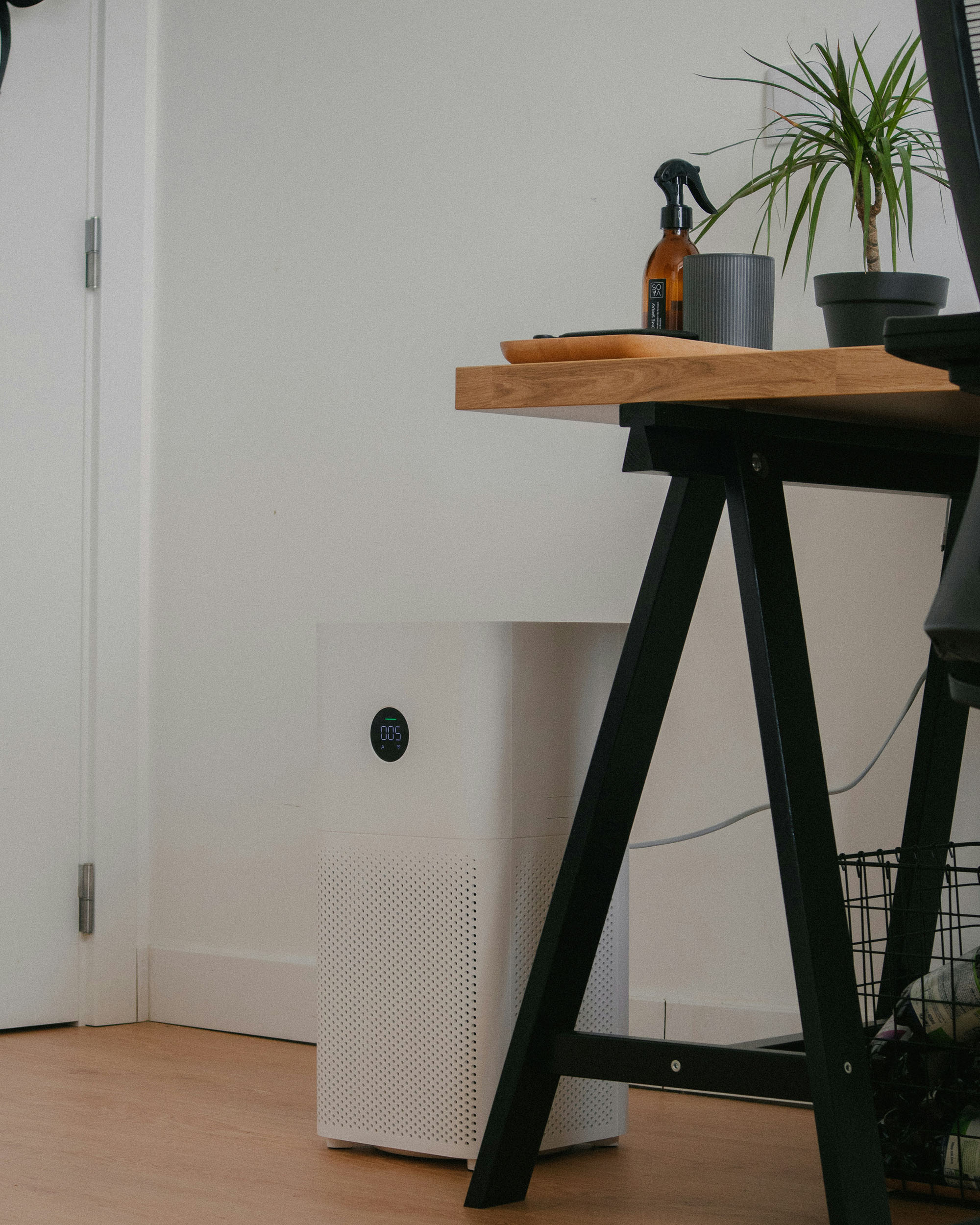
Your coastal Rhode Island home needs more than just any air purifier to tackle the unique challenges of salt air, pollen, and persistent moisture-related allergens. High-efficiency particulate air (HEPA) purifiers capture 99.97% of particles as small as 0.3 microns, making them your first line of defense against dust mites, pet dander, and outdoor allergens that find their way indoors.
When choosing an indoor air quality Rhode Island solution, look for purifiers with activated carbon filters alongside HEPA technology. These dual-filter systems excel at removing both particles and odors, which is especially important in coastal environments where salt air can carry musty smells and marine-based allergens.
Size your purifier correctly for maximum effectiveness. A unit rated for 300 square feet won’t adequately clean a 500-square-foot living room. Calculate your room’s square footage and choose a purifier rated for at least 20% larger than your actual space to ensure proper air circulation and filtration.
Smart features like air quality sensors and automatic speed adjustments help your purifier respond to changing conditions throughout the day. These sensors detect particle levels and ramp up filtration when allergen counts spike, giving you consistent protection without constant manual adjustments.
Dehumidifiers Sized for Rhode Island’s Climate
Rhode Island’s coastal climate creates perfect conditions for excess humidity, making dehumidifiers essential home air purification systems components. Your indoor humidity should stay between 30-50% to prevent mold growth and dust mite proliferation, but coastal homes often struggle with levels reaching 60-70% or higher.
Whole-house dehumidifiers integrate directly with your HVAC system, providing consistent moisture control throughout your entire home. These units handle Rhode Island’s high humidity more effectively than portable models, which often can’t keep up with the moisture load in coastal properties.
For basement and crawl space applications, choose dehumidifiers specifically rated for cooler temperatures. Standard units lose efficiency below 65°F, but low-temperature models continue operating effectively in unheated spaces where moisture problems often start.
| Dehumidifier Type | Coverage Area | Best For | Energy Efficiency |
|---|---|---|---|
| Whole-House | 2,000-3,000 sq ft | Full home protection | High |
| Basement-Specific | 1,000-1,500 sq ft | Below-grade spaces | Medium |
| Portable | 300-700 sq ft | Single rooms | Variable |
Consider models with built-in pumps if your installation location lacks floor drains. These units automatically pump collected water to existing drainage systems, eliminating the need for manual emptying and ensuring continuous operation.
UV Light Systems for Mold Prevention
Ultraviolet germicidal irradiation (UVGI) systems installed in your HVAC ductwork destroy mold spores, bacteria, and viruses before they circulate through your home. These systems are particularly valuable for mold prevention Rhode Island homes because they target airborne contaminants at their source.
Install UV lights near your evaporator coils, where moisture naturally collects and creates ideal conditions for mold growth. The constant UV exposure keeps these surfaces sterile, preventing the musty odors and health concerns associated with dirty coils.
Whole-duct UV systems treat air as it passes through your HVAC system, providing comprehensive protection throughout your home. These installations require professional setup to ensure proper positioning and safety, but they operate silently and require minimal maintenance once installed.
Replace UV bulbs annually to maintain effectiveness. Most residential systems use low-pressure mercury vapor lamps that gradually lose intensity over time. Mark your calendar for annual replacements, typically during your fall HVAC maintenance routine to ensure year-round protection.
Advanced HVAC Filtration Upgrades
Your HVAC system’s filtration capabilities directly impact your indoor air quality improvement efforts. Standard 1-inch fiberglass filters barely capture large particles, leaving smaller allergens and contaminants to circulate freely through your home.
Upgrade to pleated filters with MERV ratings between 8-13 for optimal balance between filtration efficiency and airflow. Higher MERV ratings capture smaller particles but can restrict airflow in systems not designed for dense filtration media.
Consider installing 4-inch or 5-inch media filters that provide significantly more surface area than standard filters. These thicker filters capture more contaminants while maintaining proper airflow, and they typically last 6-12 months compared to monthly replacements for thin filters.
Electronic air cleaners use charged plates to attract and capture particles, providing washable, reusable filtration. While these systems require regular cleaning to maintain effectiveness, they offer long-term cost savings and capture particles smaller than most mechanical filters.
Before making major filtration upgrades, consult with HVAC professionals to ensure your system can handle increased static pressure. Some older systems may need modifications to accommodate advanced filtration without compromising performance or efficiency, especially important during your winter HVAC preparation when system efficiency matters most.
Proven Strategies for Mold Prevention and Removal

Controlling Moisture Levels Throughout Your Home
Moisture control stands as your first line of defense against mold growth in Rhode Island homes. Keep indoor humidity levels between 30-50% year-round, as this range discourages mold development while maintaining comfort. Invest in digital hygrometers for each level of your home to monitor humidity consistently.
Target problem areas like basements, bathrooms, and laundry rooms where moisture accumulates naturally. Run dehumidifiers in these spaces during humid summer months, and ensure proper drainage around your home’s foundation. Check for and repair any leaks in pipes, roofs, or windows immediately – even small moisture intrusions can create perfect breeding grounds for mold.
Your crawl spaces deserve special attention in coastal home environments. Install vapor barriers over dirt floors and ensure proper insulation to prevent condensation. During colder months, maintain adequate heating to prevent moisture from condensing on cold surfaces.
Proper Ventilation Installation and Maintenance
Effective ventilation systems remove stale, humid air and replace it with fresh outdoor air. Install exhaust fans in all bathrooms, laundry rooms, and kitchen areas. These fans should run during activities that generate moisture and continue for at least 30 minutes afterward.
Your whole-house ventilation system requires regular attention. Clean or replace HVAC filters every 1-3 months, depending on usage and local conditions. Dirty filters restrict airflow and can actually contribute to moisture problems.
Consider upgrading to energy recovery ventilators (ERVs) or heat recovery ventilators (HRVs), which exchange stale indoor air with fresh outdoor air while maintaining energy efficiency. These systems work particularly well in Rhode Island’s variable climate conditions.
Attic ventilation plays a crucial role in mold prevention. Ensure soffit and ridge vents allow proper air circulation to prevent moisture buildup in your roof structure. Poor attic ventilation can lead to ice dams in winter and excessive heat and humidity in summer.
Safe DIY Mold Cleaning Techniques
Small mold problems (less than 10 square feet) can often be handled safely with proper precautions. Wear N95 masks, rubber gloves, and eye protection when cleaning any visible mold. Open windows and run fans to improve ventilation during cleaning.
For non-porous surfaces like tile, glass, and metal, use a solution of one part white vinegar to one part water, or a mixture of 1/4 cup bleach per gallon of water. Spray the solution on the affected area, let it sit for 10 minutes, then scrub with a stiff brush and rinse thoroughly.
Never mix different cleaning products, especially bleach with ammonia or vinegar, as this creates dangerous chemical reactions. For porous materials like drywall or carpet padding, removal and replacement often proves more effective than cleaning attempts.
After cleaning, dry the area completely using fans and dehumidifiers. Monitor the cleaned area for several weeks to ensure mold doesn’t return, which could indicate an ongoing moisture problem.
When to Call Professional Mold Remediation Services
Professional mold assessment becomes necessary when you discover mold covering more than 10 square feet, or when mold returns repeatedly after cleaning. Hidden mold behind walls, under flooring, or in HVAC systems requires professional detection and removal equipment.
Call professionals immediately if anyone in your household experiences persistent respiratory symptoms, allergies, or other health issues that might be mold-related. Professional remediation teams have specialized equipment like HEPA vacuums, negative air machines, and moisture meters that ensure complete removal.
Structural mold problems, such as those affecting floor joists, wall studs, or roof decking, demand professional expertise. These situations often require partial demolition and reconstruction, along with addressing the underlying moisture source.
Before major renovations or after water damage events, consider professional mold assessment to establish baseline conditions and ensure proper remediation if needed. Taking care of your HVAC system through regular maintenance, as outlined in this Fall HVAC Checklist, can prevent many moisture-related mold issues from developing in the first place.
Professional services also provide documentation and warranties for their work, which can be valuable for insurance claims or real estate transactions.
Long-Term Maintenance Plans for Optimal Air Quality

Seasonal HVAC System Maintenance Schedules
Your HVAC system works overtime in Rhode Island’s coastal climate, battling high humidity in summer and freezing temperatures in winter. Creating a seasonal maintenance schedule keeps your system running efficiently while maintaining optimal indoor air quality throughout the year.
Spring Maintenance (March-April)
- Schedule professional HVAC inspection and cleaning
- Replace air filters with high-efficiency options
- Clean air ducts and vents of accumulated debris
- Test dehumidification systems before humid season begins
- Inspect and clean outdoor units of salt buildup from winter storms
Summer Maintenance (June-July)
- Monitor and adjust humidity levels to stay below 50%
- Clean evaporator coils monthly during peak season
- Check condensate drains for proper drainage
- Replace filters every 30-60 days due to increased system usage
Fall Maintenance (September-October)
Your Fall HVAC Checklist becomes critical for winter preparation. Clean heating components, test carbon monoxide detectors, and ensure proper ventilation before sealing your home for winter.
Winter Maintenance (December-January)
- Protect outdoor units from coastal weather damage
- Monitor indoor humidity levels to prevent condensation
- Replace filters more frequently due to closed-home conditions
- Schedule mid-winter system check for peak performance
Regular Filter Replacement and Cleaning Protocols
Your air filters are the first line of defense against coastal home allergens and mold spores. In Rhode Island’s humid environment, filters work harder and need more attention than in drier climates.
Filter Replacement Schedule:
- Standard filters: Every 30 days during peak seasons
- High-efficiency filters: Every 60-90 days
- HEPA filters: Every 6-12 months depending on usage
- Pre-filters in multi-stage systems: Monthly cleaning or replacement
Cleaning Protocols for Reusable Filters:
- Remove filters carefully to avoid redistributing trapped particles
- Vacuum loose debris using soft brush attachment
- Rinse with lukewarm water in opposite direction of airflow
- Use mild detergent for stubborn buildup
- Allow complete drying (24-48 hours) before reinstalling
- Never reinstall damp filters as this promotes mold growth
**Signs
Living in coastal Rhode Island means dealing with unique air quality challenges that require ongoing attention and the right approach. From the hidden moisture problems that create perfect breeding grounds for mold to the seasonal allergens that seem to find their way into every corner of your home, you now have the knowledge and tools to tackle these issues head-on. Professional testing helps you understand what you’re really dealing with, while the right equipment and prevention strategies give you control over your indoor environment.
Your home’s air quality isn’t something you can fix once and forget about. Regular maintenance, smart moisture control, and staying ahead of potential problems will keep your family breathing clean, healthy air year-round. Start with the areas that need immediate attention, invest in quality air purification systems, and create a routine that works for your lifestyle. The coastal humidity and seasonal changes in Rhode Island don’t have to dictate the quality of air in your home – you do.
Don’t let poor indoor air quality affect your family’s health and comfort. UG Nasons specializes in comprehensive indoor air quality solutions tailored to Rhode Island’s unique coastal climate challenges. From whole-home air purifiers to advanced dehumidification systems, our certified technicians will assess your home and recommend the right solutions to help you breathe easier. Contact UG Nasons today for a free indoor air quality assessment. Call (401) 847-0675 or schedule your consultation online!