

It’s 102 degrees outside, your skin is sticky with sweat, and suddenly your AC makes a concerning noise before shutting down completely. Now what?
When your air conditioner fails during a Narragansett heat wave, those minutes between breakdown and repair feel like hours. Every homeowner dreads this scenario – especially when overnight temperatures barely dip below 80.
The good news? Emergency AC repair in Narragansett doesn’t have to mean suffering through unbearable heat or making panic-driven decisions. Most cooling emergencies follow predictable patterns that have straightforward solutions.
Before you grab the phone and call the first repair service you find, there are smart steps that could save you hundreds of dollars and potentially fix the problem without professional help. But here’s what most homeowners get wrong when their system fails…
Understanding AC Emergencies During Heat Waves
A. Common causes of sudden AC failures
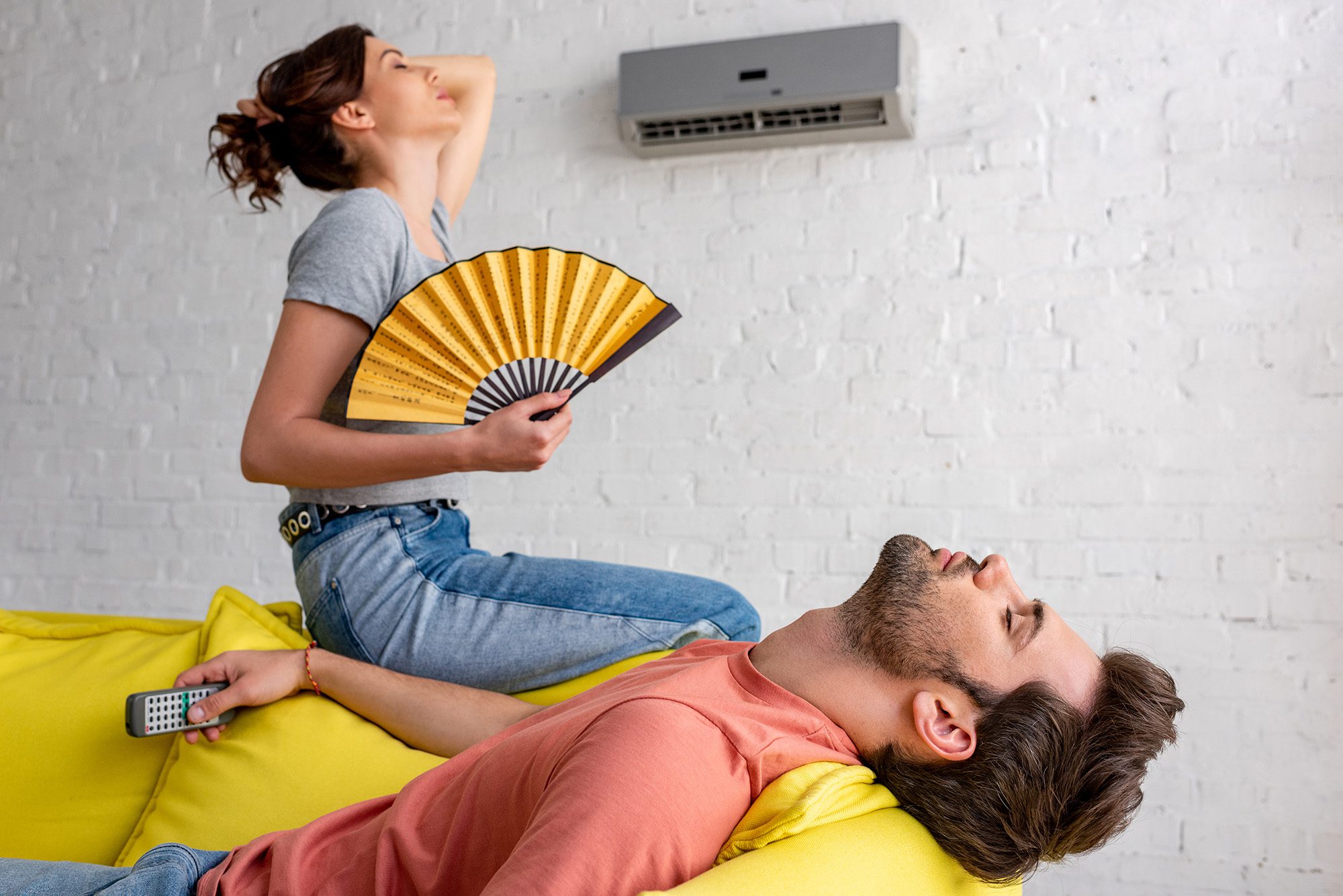
When your AC gives up during a heatwave, it’s usually not random bad luck. Most failures happen because of electrical problems like tripped circuit breakers or blown fuses. Your compressor might also be the culprit – these workhorses can burn out after years of service or from running non-stop during extreme heat.
Refrigerant leaks are another common emergency. If your system is low on refrigerant, it can’t cool properly and will eventually shut down completely. And don’t overlook your condenser unit – when it gets clogged with dirt, leaves, or debris, your AC struggles to release heat and eventually fails.
Fan motors frequently burn out during heatwaves too. When they stop working, your system overheats and shuts down to prevent damage.
B. Warning signs your system is about to fail
Your AC usually sends distress signals before completely breaking down. Pay attention if your home isn’t cooling as efficiently as before or if certain rooms feel warmer than others.
Strange noises are your system’s way of crying for help. Grinding, squealing, or banging sounds mean something’s seriously wrong. Weird smells are equally concerning – especially burning odors that could indicate electrical problems.
Watch your electric bill too. A sudden spike often means your system is working harder than it should. And if your AC starts turning on and off rapidly (short cycling), consider it a five-alarm warning that failure is imminent.
C. Why heat waves put extra strain on air conditioners
During a heat wave, your AC doesn’t get any downtime. It’s running constantly, trying to maintain your set temperature against outdoor temperatures that keep climbing.
This non-stop operation puts enormous strain on all components, especially your compressor. Think of it like running your car at maximum speed for days without stopping – something’s going to wear out.
Heat waves also create a double whammy effect: as outdoor temperatures rise, your AC must work harder, which generates more heat in the system itself. This creates a dangerous cycle that can quickly lead to component failure.
The temperature difference your system must overcome also gets larger. When it’s 75° outside, cooling to 72° is easy. When it’s 95°, that’s a 23-degree difference your system must fight against continuously.
D. Health risks associated with extreme heat exposure
When your AC fails during a heat wave, it’s not just uncomfortable—it can be dangerous. Your body’s natural cooling system gets overwhelmed in extreme heat, leading to heat exhaustion or even heat stroke, which can be life-threatening.
The elderly and young children are particularly vulnerable. Their bodies can’t regulate temperature as effectively as healthy adults. If you have seniors or little ones at home, you need to take AC failures especially seriously.
People with chronic conditions like heart disease, diabetes, or respiratory issues face heightened risks too. The stress of extreme heat can worsen these conditions or trigger complications.
Dehydration happens quickly in hot environments, causing headaches, dizziness, and confusion. Without proper cooling, you’ll also face sleep disruption, which weakens your immune system and impairs cognitive function.
Remember that extreme heat kills more Americans annually than any other weather event. Don’t underestimate the danger when your AC stops working during those scorching summer days.
Immediate DIY Steps Before Calling a Professional
 A. Safety precautions before inspecting your AC
 A. Safety precautions before inspecting your AC
When your AC fails during a heat wave, you might be tempted to dive right in and fix it yourself. But hold up – safety first! Before touching anything:
- Cut power to your AC unit completely by turning off the circuit breaker
- Wait at least 30 minutes for capacitors to discharge
- Wear protective gloves to prevent cuts from sharp metal edges
- Have a flashlight handy for better visibility
- Never touch electrical components if there’s standing water nearby
- If you smell gas or burning odors, back away immediately and call a professional
B. Quick troubleshooting tips for common issues
Got your safety gear on? Great! Now try these quick fixes:
- Check if the outdoor unit is running but no cool air is coming in (could be a frozen evaporator coil)
- Listen for unusual noises (buzzing might indicate electrical problems)
- Look for water leaks around the indoor unit (possible drain clog)
- Feel the air coming from vents (weak airflow often means blocked ducts)
- Check if the outdoor unit is dirty or surrounded by debris (restricts airflow)
C. How to check and replace air filters
Dirty filters are often the culprit when ACs fail. Here’s what to do:
- Locate your filter (usually in the return air duct or inside the indoor air handler)
- Pull it out gently
- Hold it up to the light – if you can’t see through it, it needs replacement
- Note the size printed on the filter’s frame
- Install the new filter following the airflow direction arrows
D. Thermostat verification and simple reset procedures
Your thermostat might be the actual problem. Try these steps:
- Check if it’s set to “COOL” mode (sounds obvious, but happens!)
- Make sure the temperature setting is at least 5 degrees below current room temperature
- Replace batteries if the display is dim
- For digital thermostats, try a reset by turning off power for 30 seconds
- Clean dust from inside the thermostat carefully using a soft brush
E. When to stop DIY attempts to prevent further damage
Know when to wave the white flag. Stop your DIY efforts when:
- You smell burning wires or electrical components
- The unit makes grinding or screeching noises
- You notice refrigerant leaks (oil spots or hissing sounds)
- The circuit breaker trips repeatedly after resets
- Your troubleshooting requires opening sealed components
- The compressor won’t turn on despite other components working
Remember, attempting complex repairs without proper knowledge can void warranties and potentially create more expensive problems. When in doubt, call a professional.
Finding Emergency AC Repair Services in Narragansett
Local HVAC Companies Offering 24/7 Emergency Services
 Local HVAC Companies Offering 24/7 Emergency Services
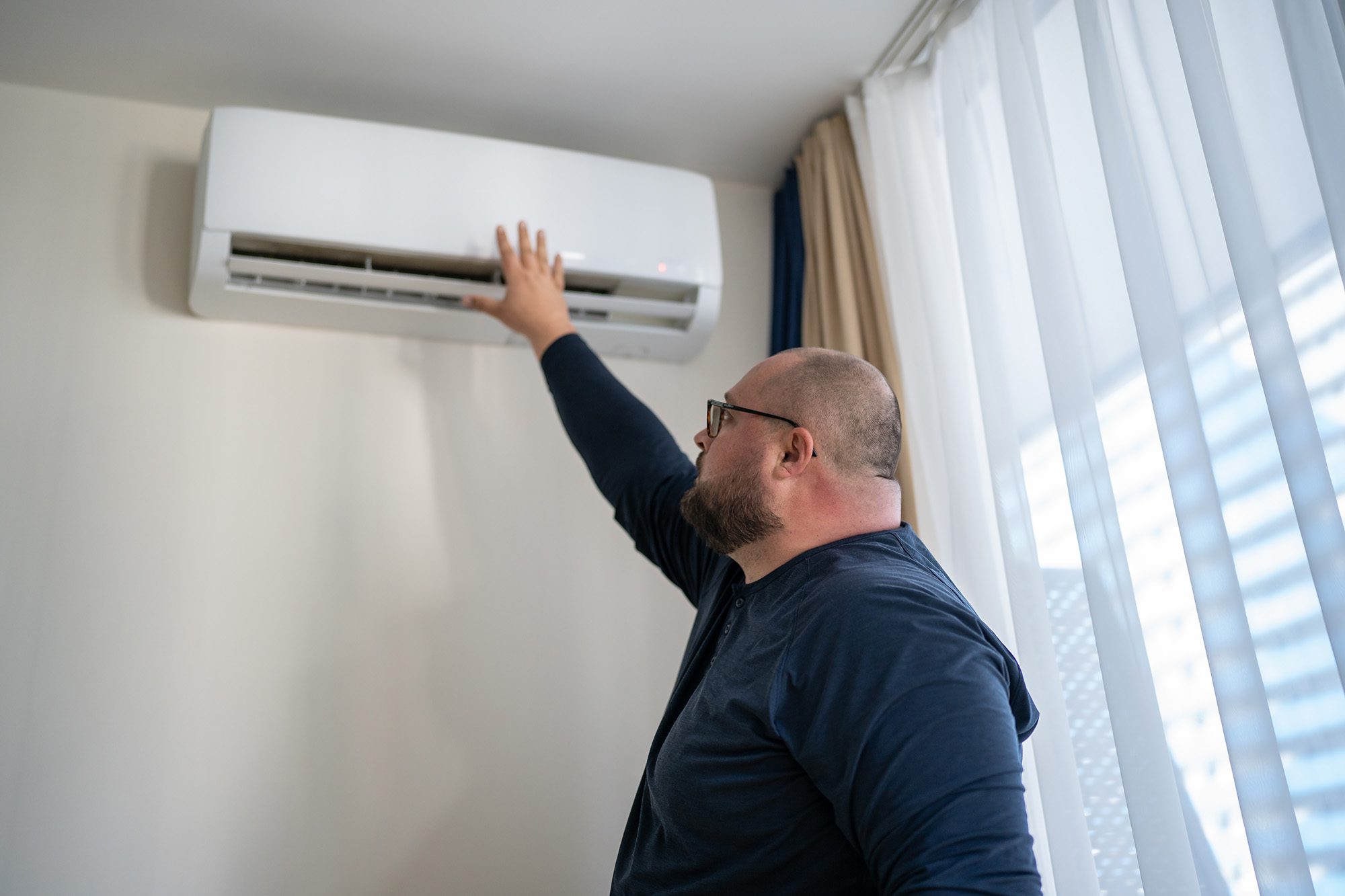
When your AC crashes during a scorching Narragansett heat wave, you need help fast. Several reliable HVAC companies in the area offer round-the-clock emergency services:
- Ocean State Cooling Solutions: Family-owned with technicians throughout Narragansett who typically arrive within 90 minutes
- Rhode Island Comfort Systems: Specializes in emergency repairs with a dedicated night crew
- Coastal HVAC Pros: Offers 24/7 service with live dispatchers (not just voicemail)
- Narragansett Temperature Control: Maintains emergency parts inventory for common AC failures
Save these numbers in your phone now, before you need them. Many local companies also offer online booking for emergency services, but calling directly is usually faster when you’re in crisis mode.
Questions to Ask Before Hiring an Emergency Technician
Before you agree to service, get answers to these questions:
- “What’s your exact ETA?” (Get a specific window, not just “soon”)
- “Do you charge a diagnostic fee separate from repair costs?”
- “What emergency rates apply after hours or on weekends?”
- “Are your technicians NATE-certified?”
- “Can you provide a quote before starting work?”
- “Do you guarantee your emergency repairs?”
Smart homeowners also ask about payment options before the technician arrives. Most emergency services require payment immediately upon completion, and you don’t want surprises when you’re already dealing with the stress of no AC.
Typical Response Times During Peak Heat Waves
Reality check: during extreme heat waves, even the best companies get swamped. Here’s what to expect:
| Time Period | Typical Wait Time |
|---|---|
| Regular hours during heat wave | 3-5 hours |
| Evenings during heat wave | 4-6 hours |
| Weekends during heat wave | 5-8 hours |
| Holiday during heat wave | 6-10+ hours |
Companies typically prioritize calls based on several factors – elderly or medically vulnerable customers often move to the front of the line. Some companies offer “priority service” for customers with service contracts, cutting wait times significantly.
Understanding Emergency Service Fees and Surcharges
Emergency AC repair isn’t cheap, but knowing the fee structure helps you avoid sticker shock:
Base emergency call-out fees in Narragansett typically range from $150-300, just to get a technician to your door. This is separate from actual repair costs. After-hours surcharges usually add 50-100% to standard rates.
Weekend and holiday calls command premium prices, sometimes double the weekday rate. Many companies charge in 15 or 30-minute increments after the first hour.
Ask if your emergency service includes temporary solutions while waiting for parts. Some technicians can provide portable cooling units or temporary fixes to get you through until permanent repairs are complete.
Temporary Cooling Solutions While Awaiting Repairs
Creating cross-ventilation in your home
 Creating cross-ventilation in your home
When your AC crashes during a heatwave, proper airflow becomes your new best friend. Open windows on opposite sides of your home to create a cross-breeze. This works best early morning and evening when outside temperatures drop. Try placing a damp sheet over an open window on the shady side of your house – as air passes through, it’ll cool down before entering your space. Remember to close windows and blinds during the hottest parts of the day to keep that scorching heat outside where it belongs.
Effective use of fans to maximize air circulation
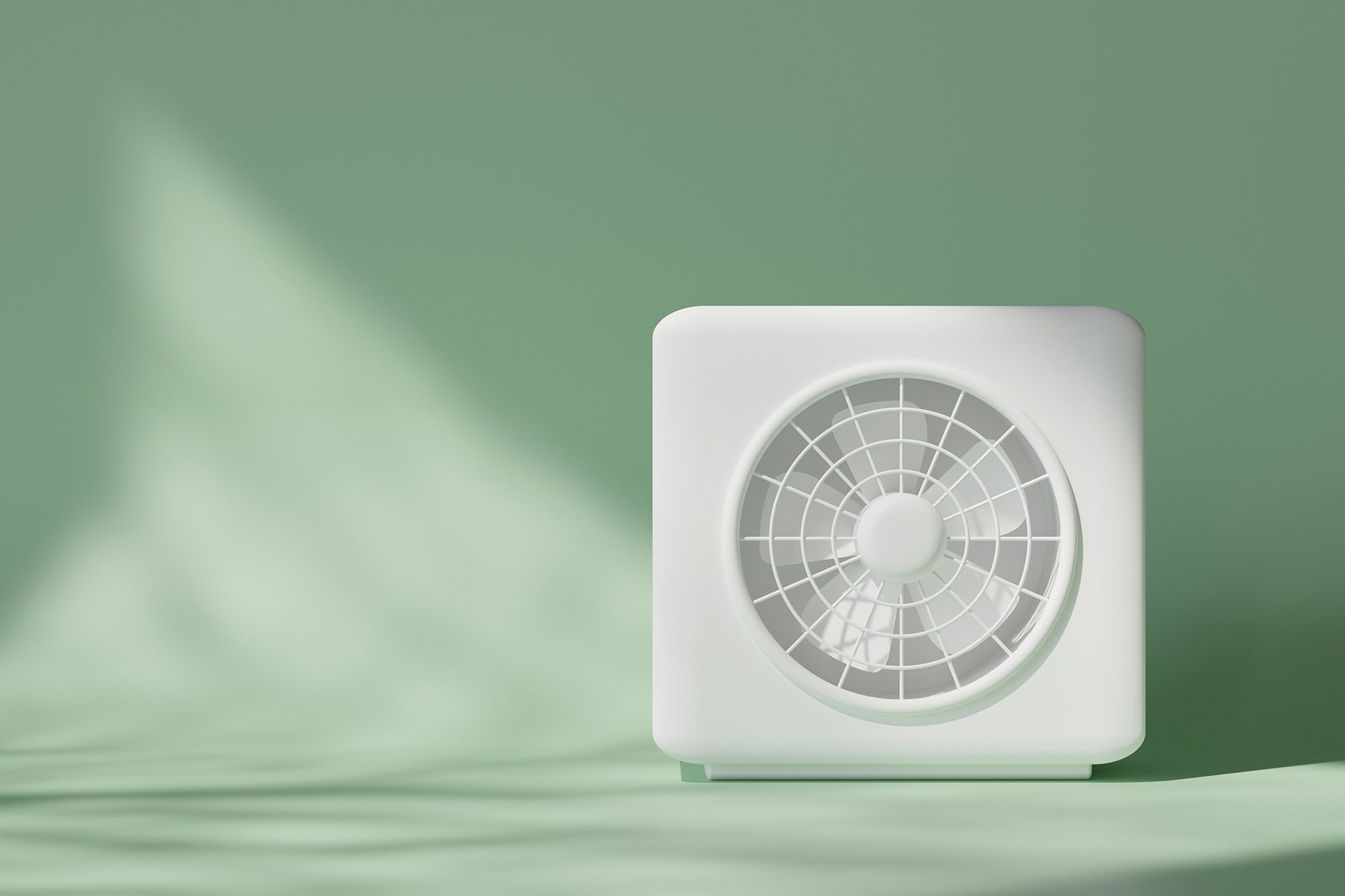
Got fans? Time to use them strategically! Place box fans in windows facing outward on the sunny side of your home to push hot air outside. Meanwhile, use other fans to draw cooler air in from shaded areas. Ceiling fans should rotate counterclockwise in summer to create a cooling downdraft. For a quick cool-down, place a bowl of ice or frozen water bottles in front of a fan – instant DIY air conditioning that’ll make you feel 5-10 degrees cooler instantly.
DIY cooling methods that actually work
You don’t need fancy equipment to cool down in a pinch. Wet a bandana or cloth with cold water and place it on your pulse points (wrists, neck, elbows, ankles). Take lukewarm showers – surprisingly more effective than cold ones that cause your body to generate heat afterward. Create a “cooling station” with frozen water bottles wrapped in towels that you can press against your skin when the heat becomes unbearable. And don’t forget to stay hydrated – your body cools more efficiently when properly hydrated.
Safe use of portable air conditioners and cooling units
If you’ve got a portable AC unit or are considering renting one while awaiting repairs, placement matters. Set it up in your most-used room, ensuring the exhaust hose has a clear path outside. Check the BTU rating – you’ll need about 20 BTUs per square foot for effective cooling. Keep filters clean for maximum efficiency. If using window AC units, secure them properly to prevent accidents. Always follow manufacturer guidelines for electrical requirements to avoid overloading circuits – the last thing you need during a heatwave is a power outage!
Places to go if your home becomes dangerously hot
When home temperatures climb to unsafe levels, it’s time to seek cooler spaces. Public libraries, shopping malls, and movie theaters offer air-conditioned relief and don’t require spending money to stay. Many communities open cooling centers during extreme heat events – check your local government website or call 211 for locations. Consider a day trip to the beach (the ocean breeze can be significantly cooler) or visit friends or family with working AC. Remember, extreme heat is no joke – if you’re feeling unwell, especially if you’re elderly or have health conditions, don’t hesitate to seek cooler shelter.
Preventing Future AC Emergencies
A. Essential maintenance schedule for Narragansett’s climate
 A. Essential maintenance schedule for Narragansett’s climate
Living in Narragansett means your AC system faces unique challenges – salt air, humidity, and those unpredictable New England temperature swings. To keep your system running when you need it most, follow this maintenance timeline:
Spring (April-May):
- Replace air filters
- Clean outdoor condenser unit and remove winter debris
- Check refrigerant levels
- Test thermostat operation
Summer (Monthly):
- Replace filters every 30 days during heavy use
- Clear vegetation around outdoor unit (maintain 2-foot clearance)
- Clean condensate drain line with vinegar
Fall (September-October):
- Schedule professional inspection before winter
- Clean or replace filters
- Check for salt air corrosion on coastal units
B. Professional services worth investing in annually
Skip the DIY route for these critical services that will save you money and headaches in the long run:
- Comprehensive System Tune-up: Professional technicians spot issues before they become emergencies, typically costing $80-150 but saving thousands in repairs.
- Ductwork Inspection and Sealing: Leaky ducts waste up to 30% of your cooling energy.
- Electrical Component Testing: Pros can identify worn capacitors and contactors before they fail during peak heat.
- Refrigerant Level Checks: Only certified technicians can legally handle refrigerant, and they’ll ensure optimal levels for efficiency.
C. Smart thermostat benefits for system longevity
Your old thermostat might be secretly killing your AC. Smart thermostats do more than convenience – they extend system life by:
- Reducing run time when you’re away (less wear and tear)
- Maintaining more consistent temperatures (fewer hard starts)
- Providing maintenance alerts when filter changes are needed
- Tracking usage patterns to identify potential problems
- Allowing remote adjustments during unexpected weather changes
Many Narragansett homeowners report 15-20% energy savings, meaning your $200 investment typically pays for itself within a year.
D. How to prepare your AC system before predicted heat waves
When the forecast shows scorching temps heading your way:
- Replace air filters immediately (dirty filters reduce airflow by up to 15%)
- Close blinds and curtains during peak sun hours
- Run ceiling fans counterclockwise to improve air circulation
- Set your thermostat 2-3 degrees higher than normal for a few days before the heat wave
- Verify your condensate drain is clear (pour a cup of vinegar through it)
- Check your outdoor unit for debris and clean if necessary
- Test your system 24-48 hours before the heat wave arrives
Taking these steps gives you time to schedule service before emergency rates kick in if you spot any issues.
 When your air conditioner fails during a Narragansett heat wave, quick action is crucial. Start with basic troubleshooting like checking your thermostat and circuit breaker, then call a reliable emergency AC repair service that offers 24/7 support. While waiting for help, implement temporary cooling methods such as using fans strategically, creating cross-ventilation, or setting up a DIY cooling station.
Don’t let this emergency happen again. Schedule regular maintenance before summer arrives, replace air filters monthly, keep outdoor units clear of debris, and consider a smart thermostat to monitor system performance. For Narragansett residents facing AC emergencies, remember that professional help is just a call away—but these prevention strategies will help ensure your comfort system remains reliable through even the hottest summer days.