

Ever noticed how your AC struggles on those scorcher days when Narragansett Bay’s humidity creeps through your windows? You’re not alone. Three out of four local homeowners report summer cooling issues directly linked to our unique coastal conditions.
That’s exactly why your HVAC system needs special attention before the summer heat hits Rhode Island shores.
For Narragansett homeowners, summer HVAC maintenance isn’t just about comfort—it’s about protecting your investment from salt air corrosion and moisture challenges that mainland residents never face.
I’ve spent 15 years helping coastal homeowners prepare their cooling systems, and I’ll walk you through the exact maintenance checklist that keeps my clients’ homes cool when temperatures soar. But first, let me tell you about the costly mistake most people make with their outdoor condensers…
Understanding Narragansett’s Coastal Climate Challenges
How Salt Air Affects HVAC Systems
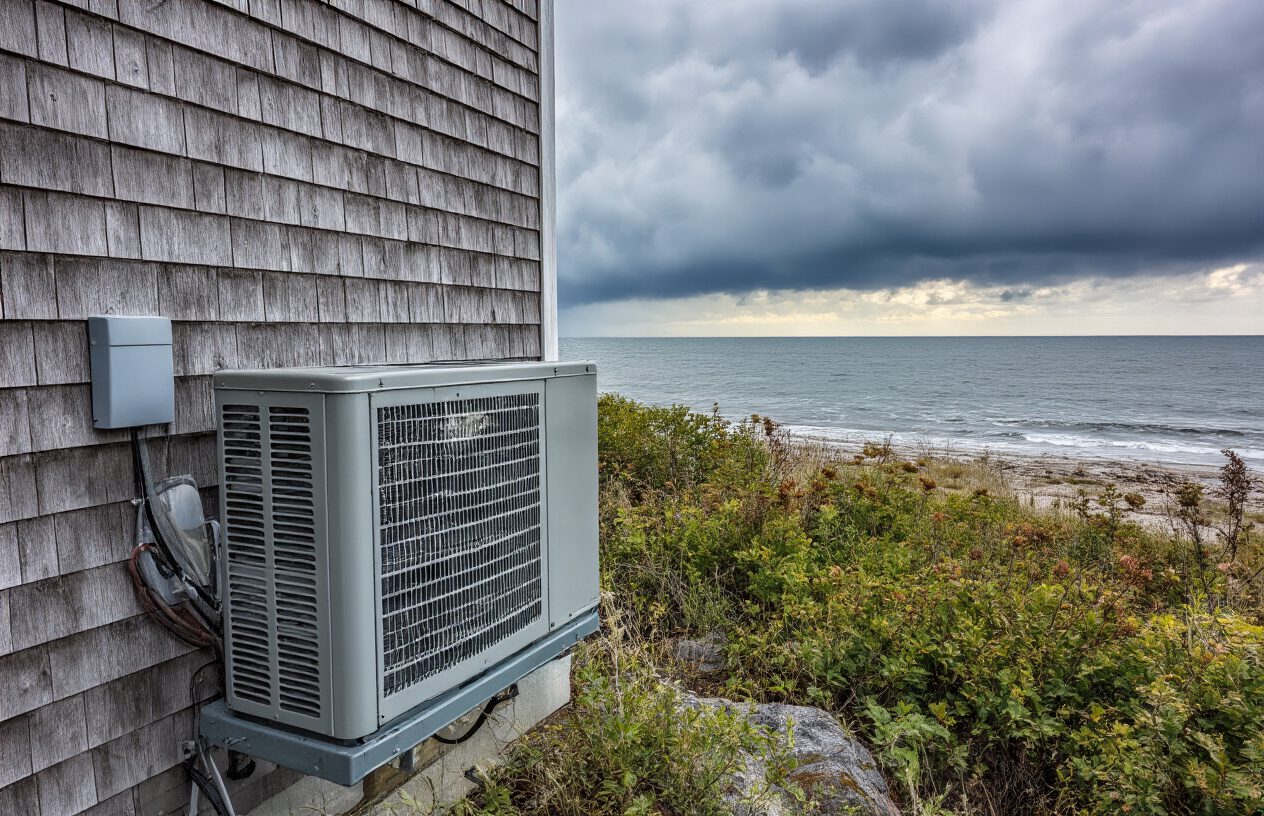
Living in Narragansett means your HVAC system faces a tough opponent: salt air. That coastal breeze you love? It’s carrying microscopic salt particles straight to your AC unit. Salt is incredibly corrosive and attacks the metal components of your system like a silent predator.
You’ll notice the damage first on outdoor condenser units where salt buildup creates a crusty residue on coils and fins. This isn’t just unsightly – it’s actively reducing your system’s efficiency and lifespan. The aluminum fins can corrode within just 1-2 years without proper maintenance, compared to 5+ years for inland homes.
Your copper refrigerant lines are particularly vulnerable. Once salt corrosion penetrates these, you’re looking at refrigerant leaks and potentially expensive repairs or full system replacement.
Temperature Fluctuations in Coastal Rhode Island
The temperature swings in Narragansett can drive you crazy. One minute you’re enjoying a perfect 78°F day, and an hour later a sea breeze drops it to 68°F.
These rapid fluctuations force your HVAC system to cycle on and off frequently, creating extra wear and tear on components. Your system wasn’t designed for this stop-and-go operation – it’s like city driving versus highway miles for your car.
Summer evenings in Narragansett often bring temperature drops of 10-15°F after sunset. Your thermostat might struggle to keep up with these changes, especially if it’s not properly calibrated for coastal living.
Humidity Concerns for Summer Months
The summer humidity in Narragansett is no joke. While inland areas might see humidity levels around 50-60%, your coastal property regularly deals with 70-80% humidity or higher.
Your AC doesn’t just cool your home – it’s your primary dehumidifier. When humidity levels spike, your system works overtime removing moisture from the air. This extra workload means your AC runs longer cycles, using more energy and experiencing additional strain.
High humidity also creates the perfect breeding ground for mold and mildew inside your ductwork and air handler. You might notice that musty smell when you first turn on your system – that’s a warning sign your HVAC needs attention.
Impact of Ocean Breezes on System Efficiency
Those refreshing ocean breezes seem like nature’s air conditioning, but they’re actually complicating your HVAC system’s operation.
When strong sea breezes hit the side of your home with the outdoor unit, they can disrupt normal airflow patterns. Your condenser needs consistent airflow to reject heat properly. Ocean winds can either force too much air through the unit or create dead zones with insufficient airflow.
You’ll find this especially problematic during afternoon sea breezes when your AC is already working hardest. The efficiency of your system can drop by 10-15% during these windy periods.
Smart Narragansett homeowners position outdoor units away from prevailing ocean winds when possible, or install windbreaks that protect without restricting normal airflow. This simple step can improve system performance and reduce those cooling bills that spike during summer months.
Essential Pre-Summer HVAC Inspections
A. Checking for Salt Corrosion on Outdoor Units
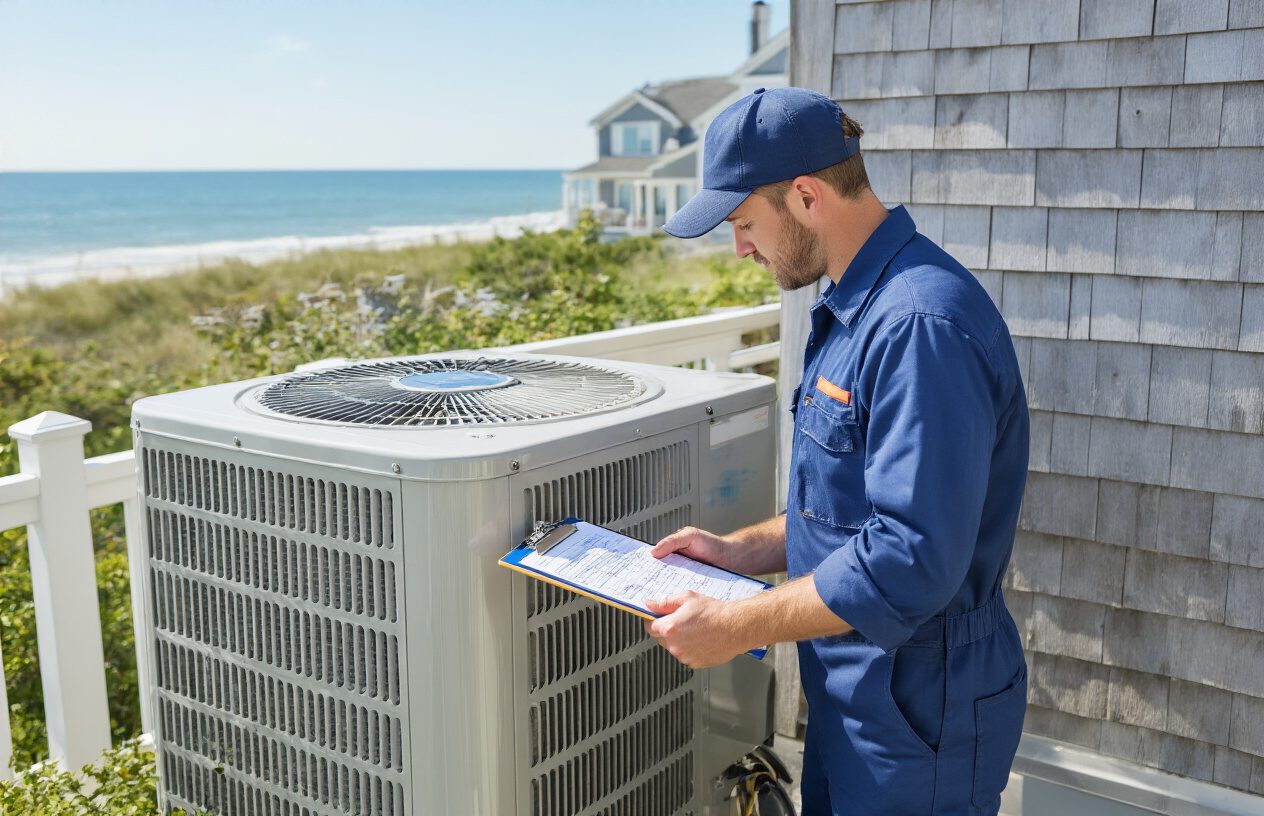
Living in Narragansett means your HVAC system faces a tough enemy: salt air. That coastal breeze you love? It’s secretly attacking your outdoor unit. Before summer hits, take a close look at your condenser unit for any signs of salt buildup or corrosion. You’ll want to check the coil fins, metal casing, and all those connecting pipes.
Salt corrosion looks like whitish-green spots that gradually eat away at metal surfaces. If you spot early signs, grab a soft brush and a specialized HVAC coil cleaner (not regular household cleaners – they can make things worse). For units closer to the shoreline, you might need to do this check monthly instead of just seasonally.
B. Inspecting Electrical Connections and Components
Salt air doesn’t just attack metal – it’s also rough on electrical connections. Turn off power to your unit completely before you start poking around. Look for any signs of corrosion on wiring terminals, loose connections, or discolored wires. These are all red flags that could lead to system failure during that first real heatwave.
Pay special attention to the contactor (that’s the switch that controls power to your compressor) and capacitor, as these components often fail first in coastal areas. If you notice any burnt smells or melted plastic, call a pro immediately – that’s beyond DIY territory.
C. Evaluating Refrigerant Levels
Your AC needs the right amount of refrigerant to cool effectively. In coastal areas like Narragansett, refrigerant lines can degrade faster due to salt exposure, leading to tiny leaks you might not notice until your system struggles on a hot day.
How can you tell? Look for these warning signs:
- Your home takes forever to cool down
- The air coming from vents isn’t very cold
- You hear hissing noises near refrigerant lines
- Ice forms on refrigerant lines or the evaporator coil
Low refrigerant isn’t just an inconvenience – it forces your system to work harder, increasing your energy bills and potentially causing compressor damage. Since handling refrigerant requires special certification, this is one job best left to professionals.
D. Testing Thermostat Accuracy
Your thermostat is the brain of your HVAC system. When it’s not reading temperatures correctly, your whole system gets confused. Rhode Island’s fluctuating coastal temperatures make accurate readings even more important.
To test accuracy, grab a reliable household thermometer and place it near (but not touching) your thermostat. Wait about 15 minutes, then compare readings. If they’re more than 2 degrees apart, you’ve got a calibration issue. Modern programmable or smart thermostats can usually be recalibrated, but older models might need replacement.
While you’re at it, check that your thermostat is away from direct sunlight, drafts, lamps, or appliances that generate heat – all these can throw off readings.
E. Examining Ductwork for Leaks or Damage
Ductwork problems can waste up to 30% of your cooling efforts – money literally disappearing into your walls or attic. In Narragansett’s humid coastal climate, leaky ducts also invite moisture into the system, potentially leading to mold growth.
Walk through your home listening for whistling sounds from vents or registers when the system runs. Check exposed ductwork in attics, basements, or crawlspaces for disconnected joints, visible holes, or crushed sections. Look for dust streaks around duct connections – that’s a telltale sign of air leaks.
For minor leaks, specialized metal-backed tape (not regular duct tape) or mastic sealant works well. For major damage or if ducts are in hard-to-reach areas, you’ll want a professional evaluation to ensure your system runs efficiently through those humid summer months.
DIY Maintenance Tasks for Coastal Homeowners
 Proper Cleaning of Exterior Condenser Units
 Proper Cleaning of Exterior Condenser Units
Living by the Narragansett coast means your AC condenser deals with salt spray, sand, and coastal debris daily. You’ll want to clean your outdoor unit every 2-3 months during summer to prevent efficiency loss and system damage.
Start by turning off power at both the disconnect switch and breaker panel—safety first! Once powered down, remove any obvious debris like leaves or twigs by hand. Next, gently rinse the exterior fins with a garden hose (not a pressure washer, which can bend the delicate fins).
For stubborn salt buildup, mix a mild solution of dish soap and water, apply it with a soft brush, and rinse thoroughly. While cleaning, check for any bent fins, which you can carefully straighten with a fin comb tool available at hardware stores.
Don’t forget the area around your unit. Clear vegetation and debris within a 2-foot radius to ensure proper airflow. This simple maintenance can boost efficiency by up to 30% and add years to your system’s life.
Replacing Air Filters for Salt Air Environments
Your standard HVAC filters aren’t designed for coastal challenges. The salt-laden air in Narragansett requires more frequent filter changes—every 30 days during peak summer instead of the typical 90 days.
Look for filters with a MERV rating of 8-11, which balance good filtration with airflow. Higher ratings trap more salt particles but make your system work harder. For severe salt exposure, consider electrostatic filters that attract and hold salt particles better than standard options.
When replacing filters, vacuum the return air registers too. Salt accumulates here first and will quickly dirty new filters if not removed.
Keep a stockpile of filters on hand for summer. Running out during a heat wave means choosing between comfort and system protection—not a choice you want to make when it’s 95° with coastal humidity.
Clearing Drainage Systems to Prevent Moisture Issues
Coastal humidity plus salt equals drainage system nightmares. Your AC’s condensate drain line is particularly vulnerable to clogs from algae growth and salt accumulation.
Every month, pour one cup of white vinegar down the drain line to dissolve buildup and kill algae. Follow with a gallon of hot (not boiling) water to flush the line completely.
Locate your condensate pump (if your system has one) and clean its reservoir with equal parts water and bleach. This prevents the musty odors and water damage that plague many Narragansett homes.
Don’t overlook your overflow drain pan. Wipe it clean monthly and sprinkle a small amount of baking soda to absorb odors and prevent mold. A tablespoon of bleach in the drain pan also keeps growth at bay.
For added protection, consider installing a float switch that automatically shuts off your system if water starts backing up—a small investment that prevents major water damage when you’re away from home.
Professional Maintenance Services Worth Investing In
Professional Coil Cleaning Benefits
 Professional Coil Cleaning Benefits
Ever opened up your AC unit and seen what’s lurking inside? In Narragansett’s coastal environment, your HVAC coils collect salt, sand, and moisture at an alarming rate. When these coils get dirty, your system works harder, costs more to run, and breaks down faster.
Professional coil cleaning isn’t just a fancy add-on service. It’s the difference between an AC unit that lasts 5 years versus 15 years in our salt-heavy air. Pros have specialized equipment that can get deep into the fins without causing damage – something your garden hose simply can’t do.
What you’ll notice immediately after a professional cleaning:
- Lower electric bills (often 20-30% reduction)
- Cooler air flowing through your vents
- Quicker cooling response when you adjust the thermostat
- Reduced musty smells throughout your home
System Calibration for Coastal Weather Conditions
The temperature swings along Narragansett’s coast can throw your HVAC system out of whack. One day it’s 65°F with fog, the next it’s 85°F with blazing sun. Your system needs proper calibration to handle these unique coastal patterns.
During calibration, technicians adjust your system’s settings to match our specific climate challenges. They’ll fine-tune your humidity controls (crucial for those muggy August days), optimize temperature differentials, and ensure your system isn’t constantly cycling on and off.
You might wonder if calibration makes a real difference. Think about this: an improperly calibrated system can miss its temperature target by 3-5 degrees, leading to comfort issues and wasted energy.
Refrigerant Checks and Top-ups
The refrigerant in your system is like the blood in your body – when levels are low, nothing works right. In coastal areas, your system might experience more refrigerant leaks due to accelerated corrosion from salt air.
During a professional maintenance visit, technicians will:
- Check refrigerant pressure and levels
- Locate and repair any small leaks before they become major problems
- Add refrigerant if needed (following strict EPA guidelines)
- Test system performance after adjustments
The cost of a refrigerant check now is pocket change compared to replacing your entire system because it ran low and burned out the compressor.
Safety Inspections for Older Systems
If your HVAC system is over 10 years old (which many Narragansett homes have), safety inspections aren’t optional – they’re essential.
Older systems installed near the coast face unique hazards:
- Electrical connections corroded by salt air
- Condensate drains clogged with salt and sand
- Weakened mounting hardware from years of exposure
- Worn insulation on refrigerant lines
Professional technicians check these potential failure points plus test for carbon monoxide leaks in heating systems. They’ll also verify your system meets current code requirements, which have changed significantly over the past decade.
Your family’s safety is worth the investment in a thorough inspection, especially before cranking up the AC for another intense Rhode Island summer.
Protecting Your HVAC System from Coastal Elements
A. Recommended Coverings and Shields
 A. Recommended Coverings and Shields
Living near the beautiful Narragansett shoreline means your HVAC system faces unique challenges. Salt air is relentless on outdoor units. You need specialized coverings that allow proper airflow while keeping salt spray at bay.
Consider these options for your outdoor condenser:
- Custom vinyl covers: Use these during off-seasons only, as covering while operating causes overheating
- Aluminum mesh screens: Perfect for year-round protection without restricting airflow
- Marine-grade metal shields: Install these on the sides facing prevailing ocean winds
Don’t go cheap on these protective items. A quality cover costs $50-100 but saves thousands in premature replacement costs.
B. Strategic Landscaping Around Outdoor Units
Your landscaping choices can make or break your HVAC system’s longevity in coastal conditions.
Plant salt-tolerant vegetation as natural windbreaks around your unit, but keep plants at least 2 feet away to maintain airflow. Beach roses and bayberry shrubs work wonderfully in Narragansett’s climate while providing natural filtration for salt-laden air.
Avoid mulch directly around the unit base—it retains moisture. Instead, create a 2-foot perimeter of crushed stone or gravel to improve drainage and reduce splash-back during heavy coastal rains.
C. Rust Prevention Treatments and Products
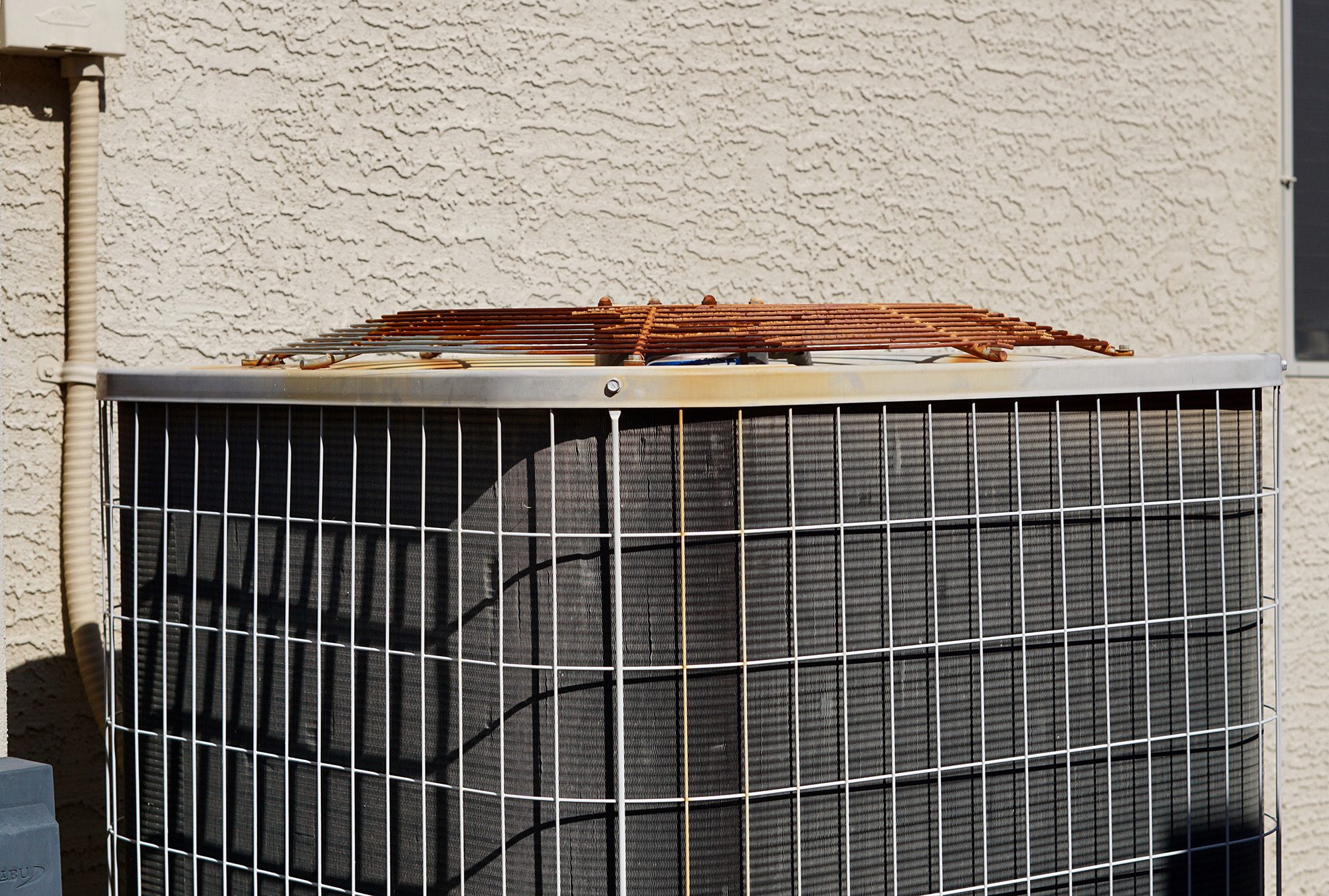
Salt air turns metal components into rust magnets. You’re fighting a constant battle that requires regular attention.
Apply marine-grade rust inhibitors to exposed metal surfaces quarterly. Products containing zinc or aluminum work best in coastal environments. Look for sprays specifically designed for HVAC equipment in marine settings.
For your outside unit, try this maintenance schedule:
| Season | Treatment |
|---|---|
| Spring | Full cleaning + rust inhibitor application |
| Summer | Monthly rinse with fresh water |
| Fall | Full cleaning + heavy-duty protective coating |
| Winter | Spot treatment as needed |
D. Weatherproofing Techniques for Seaside Homes
Your Narragansett home’s proximity to the ocean requires specialized weatherproofing strategies.
Seal all ductwork with mastic sealant rather than standard tape—it stands up better to humid coastal air. Insulate exposed refrigerant lines with UV-resistant foam covers to prevent deterioration from intense summer sun reflection off the water.
Consider upgrading your thermostat placement. Installing it on an interior wall away from windows facing the ocean prevents false readings from sea breezes.
For window units, create custom weatherstripping from marine-grade materials. The standard stuff just won’t cut it against persistent salt air infiltration.
Remember to schedule bi-annual professional inspections specifically mentioning your coastal location so technicians come prepared with appropriate treatments and parts.
Energy Efficiency Tips for Summer in Narragansett
A. Programmable Thermostat Settings for Coastal Living
 A. Programmable Thermostat Settings for Coastal Living
Living in Narragansett means dealing with unique coastal temperature patterns. Your programmable thermostat is your best friend for staying comfortable while keeping energy bills in check. Set your thermostat to 78°F when you’re home during summer months – every degree below this increases your cooling costs by about 3-5%.
Program your thermostat to automatically increase the temperature by 7-10 degrees when you’re away. For those Narragansett mornings when the ocean air is naturally cooler, program your system to take advantage by using less cooling until around 11am.
Many newer smart thermostats can even adjust based on humidity levels – a game-changer for coastal living where humidity often makes it feel hotter than it actually is.
B. Supplementing HVAC with Ocean Breezes
You’re paying a premium to live near the ocean – might as well use those natural breezes to your advantage! Create cross-ventilation by opening windows on opposite sides of your home during cooler mornings and evenings. The natural salt air can provide refreshing cooling without touching your thermostat.
Position portable fans near windows to pull in the cool ocean air. During those perfect Narragansett summer days when temperatures hover in the 70s, turn off your AC completely and let Mother Nature do the work.
Keep track of wind patterns in your specific neighborhood – coastal breezes typically blow inland during the day and reverse at night. Time your window opening strategy accordingly.
C. Ceiling Fan Optimization Strategies
Your ceiling fans need to be working with you, not against you. Remember the simple summer rule: counter-clockwise rotation. This creates a direct downdraft effect that makes you feel cooler without changing the actual temperature.
Adjust those fan speeds based on the room’s use. Higher speeds work better in living areas where you’re moving around, while medium speeds are perfect for bedrooms.
Don’t waste energy running fans in empty rooms – they cool people, not spaces. A ceiling fan can make you feel about 4°F cooler, allowing you to raise your thermostat setting without sacrificing comfort.
For maximum efficiency in Narragansett’s sometimes humid conditions, position fans about 8-9 feet above the floor and 10-12 inches below the ceiling when possible.
D. Window Treatments to Reduce Cooling Load
The intense summer sun beating through your windows can raise indoor temperatures by up to 10-20 degrees. Install light-colored blinds or reflective window films that bounce sunlight away from your home.
Thermal curtains aren’t just for winter – they work year-round by creating an insulating barrier between your cooled interior and those hot windows. Close them during the peak heat hours (typically 10am-4pm).
South and west-facing windows get the most direct sunlight in Narragansett. Prioritize these areas for exterior awnings which can reduce solar heat gain by up to 77% while still preserving your ocean views.
Consider solar screens on east-facing windows to block morning sun while still allowing you to catch those spectacular Atlantic sunrise views that make coastal living so special.
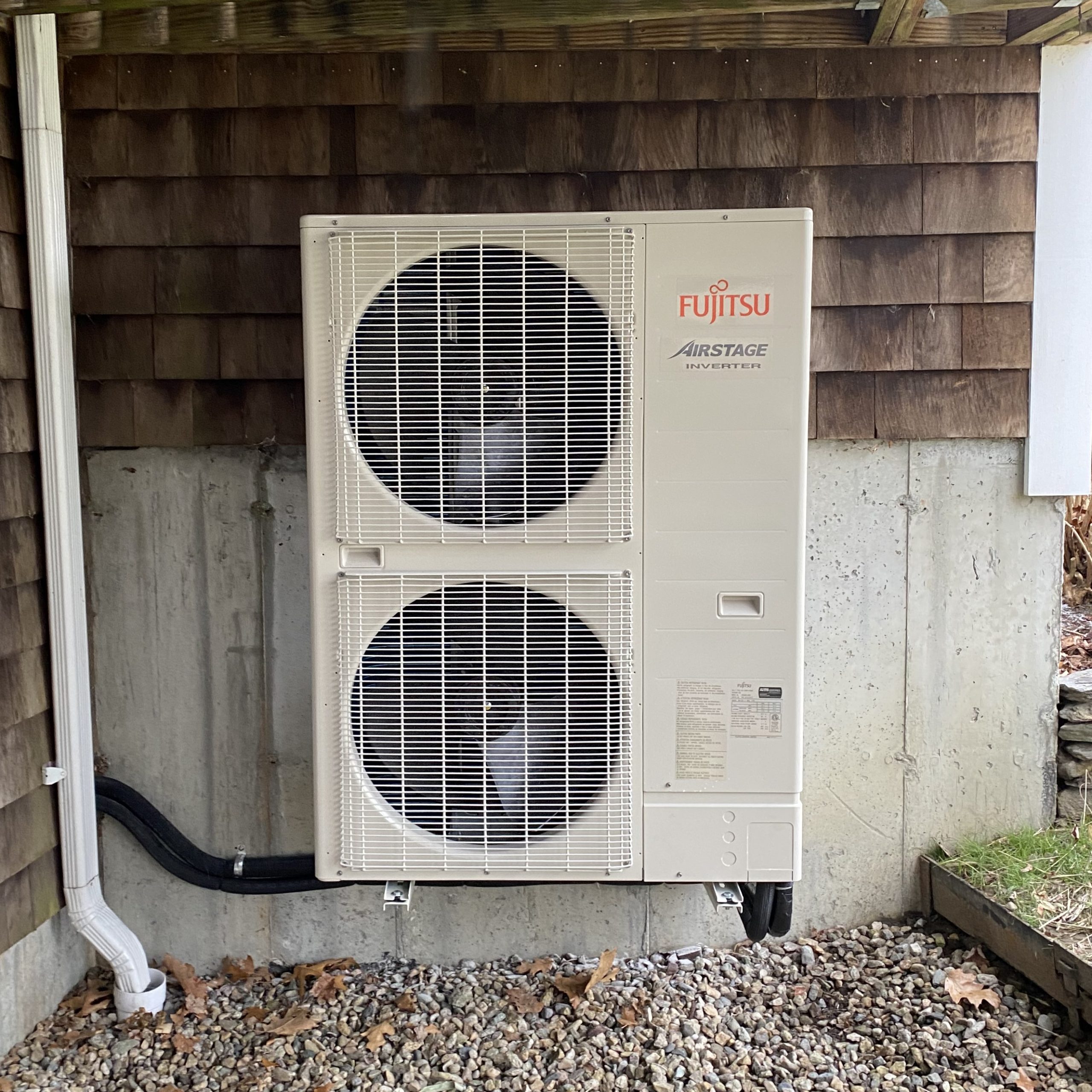 As Narragansett’s unique coastal weather patterns approach, taking proactive steps with your HVAC system isn’t just about comfort—it’s about protecting your investment. By following this maintenance checklist, from essential inspections and DIY tasks to professional services, you’ll ensure your system operates efficiently despite the challenges of salt air and humidity. Remember that proper protection against coastal elements will significantly extend your equipment’s lifespan.
Don’t wait until the first heat wave hits to discover problems with your cooling system. Schedule your professional maintenance appointment today, implement the recommended energy efficiency measures, and enjoy both a comfortable home and lower utility bills throughout the summer months. Your HVAC system works hard to keep you comfortable in Narragansett’s summer conditions—giving it the proper care now will pay dividends in reliable performance when you need it most.