
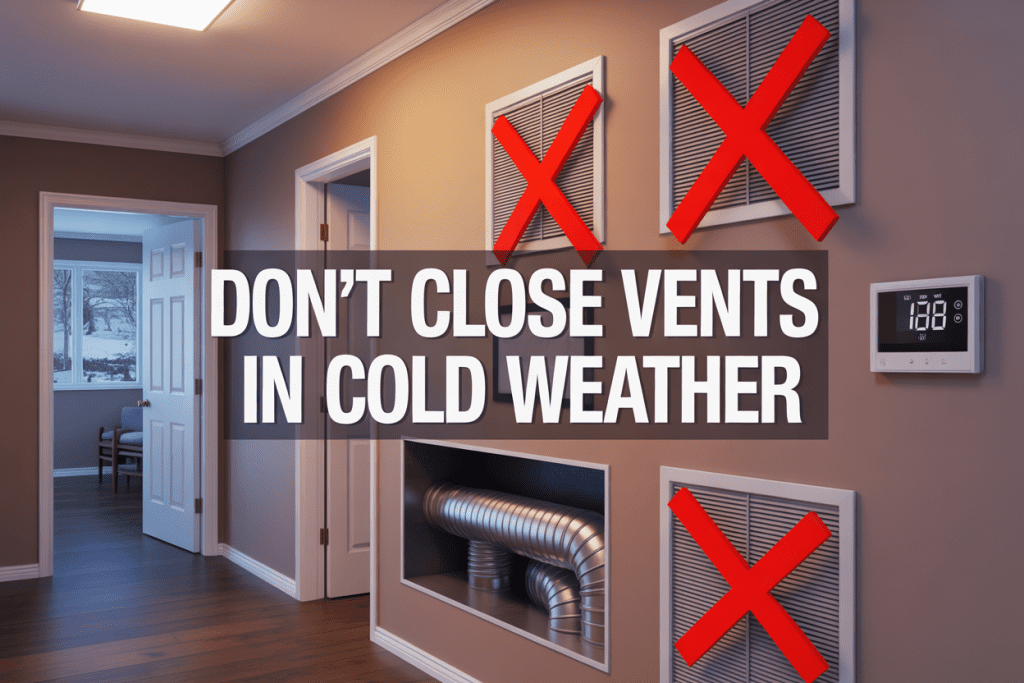
Many homeowners think closing vents in unused rooms saves money during winter, but this common practice can actually cost you more and damage your heating system. If you’re a homeowner looking to cut your energy bills winter expenses without breaking your HVAC system, you need to understand why this seemingly logical approach backfires.
This guide is for homeowners who want to stay warm while keeping costs down—without making costly HVAC maintenance mistakes that lead to expensive repairs. You’ll discover how closing vents in unused rooms disrupts your HVAC system balance and creates pressure problems that force your heating equipment to work harder, not smarter. We’ll also explore the hidden health risks from poor air circulation and share practical energy saving alternatives that actually work to improve your home heating efficiency.
By the end, you’ll know exactly why your heating system damage risks skyrocket when you close those vents, plus you’ll have better winter heating tips that protect both your wallet and your equipment.
How Closing Vents Disrupts Your HVAC System Balance
Creates Pressure Imbalances That Strain System Components
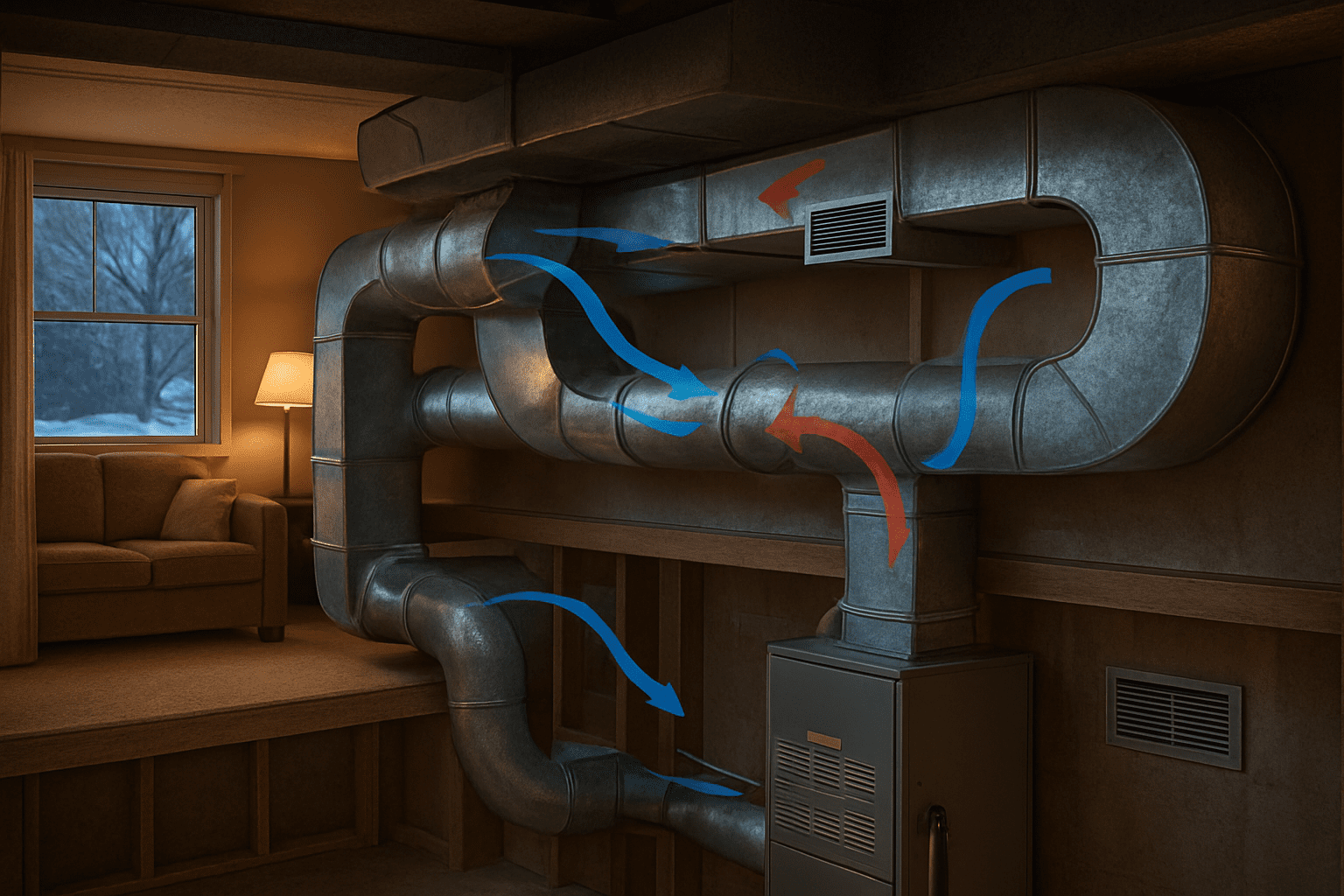
When you close vents in unused rooms, you’re essentially asking your HVAC system to push the same amount of heated air through fewer openings. This creates significant pressure buildup throughout your ductwork, similar to pinching a garden hose while the water is still running at full force.
Your heating system was designed with a specific airflow pattern in mind. Every vent, return air grille, and duct was carefully sized to handle a predetermined volume of air. When you block off vents, you force your system to work against increased static pressure, causing your blower motor to work harder than intended. This added strain can lead to premature motor failure, damaged ductwork, and costly repairs that far exceed any imagined savings from closing those vents.
The pressure imbalance also affects your heat exchanger, which relies on consistent airflow to operate safely and efficiently. Without proper air circulation, your heat exchanger can overheat, potentially cracking and creating dangerous carbon monoxide risks in gas-powered systems.
Forces Air Through Unintended Pathways and Leaks
Closing vents doesn’t make heated air disappear – it has to go somewhere. When you block the intended exit routes, that pressurized air finds alternative pathways through your home’s hidden spaces. You’ll notice this forced air pushing through gaps around light fixtures, electrical outlets, and unsealed areas in your ductwork.
Your ductwork wasn’t designed to handle this redirected airflow, which means you’re essentially heating spaces like your attic, crawl spaces, and wall cavities instead of your living areas. This represents a massive waste of energy since you’re paying to heat areas that don’t contribute to your comfort.
Even worse, this forced air can push through small leaks in your ductwork that normally wouldn’t be problematic. Under increased pressure, these minor leaks become major energy drains, allowing conditioned air to escape into unconditioned spaces where it provides no benefit to your home’s comfort levels.
Reduces Overall System Efficiency and Performance
Your HVAC system’s efficiency depends on balanced airflow throughout your home. When you disrupt this balance by closing vents in unused rooms, you’re creating a domino effect that impacts your entire system’s performance. The reduced airflow means your system takes longer to reach your desired temperature, running more frequently and consuming more energy.
This efficiency loss becomes particularly noticeable during cold weather when your heating system needs to work hardest. Instead of operating in its optimal range, your system struggles against the artificial restrictions you’ve created, similar to how your car’s engine works harder when driving uphill in the wrong gear.
The temperature variations throughout your home also become more pronounced. Rooms with open vents may become uncomfortably warm as your system compensates for the restricted airflow, while the closed-off rooms often become uncomfortably cold, potentially leading to frozen pipes and other moisture-related problems that can damage your home’s structure and create expensive repair bills.
The Hidden Costs of Vent Closure on Energy Bills

Increases Energy Consumption Despite Common Misconceptions
Contrary to popular belief, closing vents in unused rooms actually forces your heating system to work harder, not smarter. When you shut off airflow to certain areas, your furnace doesn’t automatically adjust its output to match the reduced demand. Instead, it continues operating at its designed capacity while pushing heated air through a restricted system. This creates resistance that your blower motor must overcome, drawing more electricity to maintain proper air movement throughout your home.
Your HVAC system was engineered with specific airflow calculations in mind. When you disrupt this balance by closing vents, you’re essentially asking your equipment to perform outside its optimal parameters. The result? Higher energy consumption as your system struggles to compensate for the artificial restrictions you’ve created.
Causes Longer Heating Cycles and Higher Utility Costs
Closed vents create pressure imbalances that prevent your thermostat from getting accurate temperature readings. Since heated air can’t circulate properly, your thermostat may register lower temperatures than what’s actually being produced by your furnace. This miscommunication triggers longer heating cycles as your system attempts to reach the set temperature.
These extended run times directly translate to increased energy bills winter after winter. Your heating equipment runs for longer periods while consuming the same amount of fuel or electricity per minute of operation. The math is simple: more runtime equals higher costs, regardless of whether those extra minutes actually improve your home’s comfort levels.
Creates Wasted Energy Through System Inefficiencies
Closing vents forces heated air to find alternative pathways, often leading to significant energy waste through ductwork leaks and unsealed connections. When air pressure increases due to blocked vents, your system pushes more conditioned air through existing gaps in your ductwork – air you’ve already paid to heat.
This wasted energy compounds over time, especially during peak heating months when your system operates most frequently. You’re essentially paying to heat unused spaces like attics, crawl spaces, or wall cavities instead of the rooms where you actually spend time.
Leads to Premature Equipment Replacement Expenses
The strain placed on your HVAC components by closed vents accelerates wear and tear on critical system parts. Your blower motor works overtime against increased resistance, while heat exchangers may experience uneven temperatures that cause metal fatigue. These stresses reduce equipment lifespan significantly, forcing you to face expensive repairs or complete system replacement years earlier than necessary.
Professional HVAC technicians report that systems operating with multiple closed vents often require major repairs within 5-7 years instead of the typical 10-15 year lifespan. Just like Lower AC Energy Bills This Summer | Energy Efficient Cooling Tips demonstrates for cooling systems, proper airflow is essential for equipment longevity and energy efficiency year-round.
Serious Damage Risks to Your Heating Equipment

Overworks the Blower Motor and Reduces Lifespan
Your blower motor works harder when you close vents in unused rooms, creating a domino effect of heating equipment risks. When vents are shut, your system builds up static pressure, forcing the motor to push air through a restricted network. This increased resistance means your blower runs longer cycles and draws more electricity to maintain the same airflow.
The extra strain shortens your motor’s lifespan significantly. What should last 15-20 years might fail after just 8-10 years of fighting against closed vents. You’ll notice warning signs like unusual noises, frequent cycling, or higher electric bills as the motor struggles. Replacement costs typically range from $300-800, not including labor – an expensive consequence of what seems like a simple energy-saving trick.
Causes Heat Exchanger Stress and Potential Cracking
Your heat exchanger faces serious danger when airflow gets restricted by closing vents. This critical component needs consistent air movement to regulate temperature and prevent overheating. When you block vents, reduced airflow causes the heat exchanger to run hotter than designed, creating thermal stress that weakens the metal over time.
Repeated heating and cooling cycles with insufficient airflow lead to metal fatigue and eventual cracking. A cracked heat exchanger creates a safety hazard, potentially allowing carbon monoxide to leak into your home’s air supply. Professional inspection and replacement can cost $1,500-4,000 depending on your system type.
The temperature swings become more extreme when airflow is compromised. Your heat exchanger expands and contracts beyond normal limits, accelerating wear patterns that would normally take decades to develop.
Increases Wear on Ductwork Seals and Connections
Closing vents creates pressure imbalances that stress your entire duct system. The increased static pressure pushes against joints, seals, and connections with more force than they’re designed to handle. Over time, this excess pressure causes seals to fail and connections to loosen.
You might hear popping or banging sounds as ducts expand under pressure – these noises signal potential damage developing in your system. Loose connections allow heated air to escape into walls, crawl spaces, or attics where it provides no benefit. This air leakage forces your system to work even harder to maintain comfortable temperatures.
Ductwork repairs often require accessing hard-to-reach areas, making fixes both time-consuming and expensive. Similar to how efficient air conditioning requires proper airflow, your heating system depends on balanced pressure throughout the ductwork to operate safely and efficiently.
Health and Comfort Issues from Poor Air Circulation

Creates Stagnant Air Pockets That Harbor Moisture and Mold
When you close vents in unused rooms, you’re essentially creating dead air zones where moisture loves to settle and stay put. Without proper airflow, these rooms become breeding grounds for mold and mildew, especially during winter when temperature differences create condensation. The warm, humid air that naturally circulates through your home gets trapped in these sealed-off spaces, creating perfect conditions for fungal growth.
You’ll notice musty odors developing first, followed by visible mold patches on walls, ceilings, and around windows. This isn’t just an aesthetic problem – mold spores circulate through your entire home via return air ducts, affecting your family’s respiratory health. Poor air circulation health issues can range from minor allergies to serious breathing problems, particularly for children and elderly family members.
Develops Uneven Temperatures Throughout Your Home
Closing vents disrupts your heating system’s ability to maintain consistent temperatures across all living spaces. You’ll experience uncomfortable hot and cold spots that make certain areas of your home nearly uninhabitable. Your main living areas might feel stuffy and overheated while hallways and adjacent rooms remain uncomfortably cold.
This temperature imbalance forces your heating system to work harder as it struggles to reach the thermostat setting. The result is a cycle where some rooms overheat while others never warm up properly, creating an uncomfortable living environment that defeats the purpose of trying to save energy.
Reduces Indoor Air Quality in Closed-Off Areas
Without fresh air circulation, closed-off rooms accumulate dust, allergens, and stale air that can’t escape. These areas become repositories for airborne contaminants that would normally be filtered through your HVAC system. Pet dander, cooking odors, and household chemicals concentrate in these spaces, creating unhealthy air pockets.
The lack of air movement also means your home’s air filtration system can’t properly clean these areas. Dust settles on surfaces and stays there, building up over time and potentially triggering allergies when you eventually re-enter these rooms.
Allows Humidity Buildup Leading to Structural Damage
Moisture accumulation in poorly ventilated rooms can cause serious structural problems over time. You’ll see paint peeling, wallpaper bubbling, and wood surfaces warping or rotting. Window frames and sills are particularly vulnerable to moisture damage when air can’t circulate properly to carry humidity away.
The trapped moisture can seep into walls, causing insulation to lose effectiveness and potentially damaging electrical wiring. Over time, this humidity buildup can compromise your home’s structural integrity, leading to expensive repairs that far exceed any energy savings you might have hoped to achieve by closing those vents.
Smart Alternatives to Achieve Energy Savings
Adjust Thermostat Settings for Optimal Efficiency
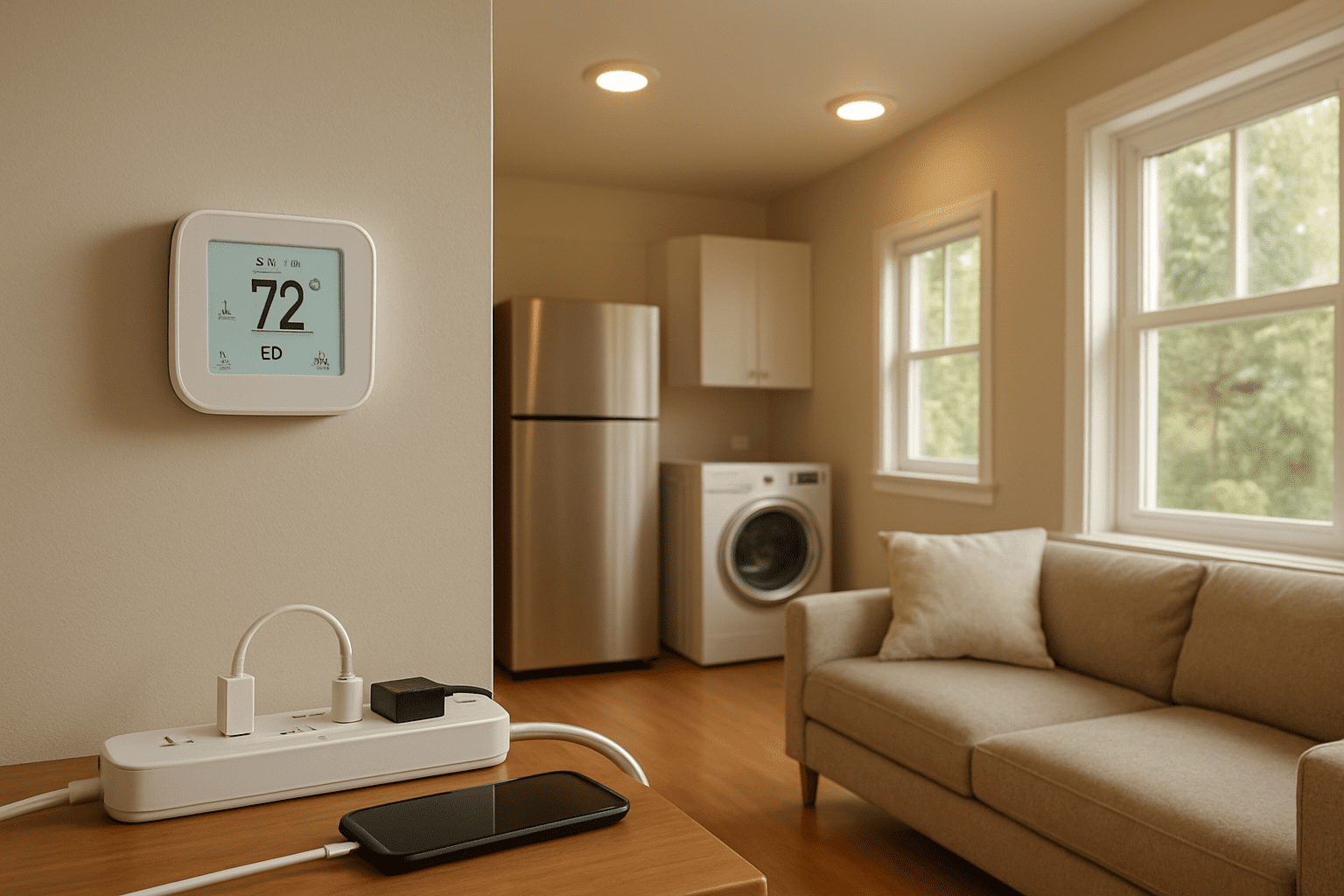
Your thermostat is your first line of defense against high energy bills during winter. Instead of closing vents in unused rooms, focus on smart temperature management. Set your thermostat to 68°F during the day when you’re home and drop it to 65°F at night or when you’re away. This simple adjustment can save you up to 10% on your heating costs without compromising your HVAC system balance.
Consider the “setback” strategy: lower your temperature by 7-10 degrees for 8 hours daily. Your heating system will work more efficiently when it maintains consistent airflow through all vents while operating at slightly lower temperatures.
Use Programmable Thermostats for Zone-Based Control
Programmable thermostats give you precise control over your home’s heating schedule without disrupting airflow. You can program different temperatures for various times of day, ensuring energy savings while maintaining proper air circulation throughout your home.
Smart thermostats take this concept even further, learning your habits and adjusting automatically. Some models offer room sensors that help balance temperatures across different areas of your home without requiring you to close vents or damage your heating equipment.
improve Insulation and Seal Air Leaks Instead
Your home loses significant heat through poor insulation and air leaks, making vent closure seem appealing. However, addressing these root causes delivers better results. Check for drafts around windows, doors, and electrical outlets. Weather stripping costs pennies compared to potential heating system damage from blocked vents.
Add insulation to your attic, basement, and crawl spaces. These improvements complement your HVAC system rather than fighting against it. You’ll achieve the energy savings you want while keeping your heating equipment healthy and maintaining good air quality throughout your home.
Install Dampers or Zoning Systems for Targeted Heating
Professional zoning systems offer the room-by-room control you’re seeking without the risks of closing vents in unused rooms. These systems use motorized dampers within your ductwork, controlled by multiple thermostats throughout your home.
Zone dampers work with your HVAC system’s design, gradually reducing airflow rather than creating the sudden blockages that damage equipment. While the upfront investment is higher than simply closing vents, you’ll avoid costly repairs and achieve genuine energy savings.
Maintain Proper Airflow While Reducing Waste
Your HVAC system needs consistent airflow to operate safely and efficiently. Instead of blocking vents, partially close them in less-used rooms—never fully shut them. Leave bedroom and bathroom vents open to prevent moisture problems and maintain healthy air circulation.
Regular maintenance supports your energy saving efforts. Clean or replace filters monthly, keep vents unobstructed by furniture, and schedule annual professional tune-ups. These practices work with your system’s design, similar to how efficient air conditioning strategies optimize cooling costs during summer months.
Focus on reducing heat loss through windows by using heavy curtains or thermal blinds. Close doors to unused rooms while keeping their vents open—this reduces the volume of space your system heats while maintaining necessary airflow for equipment protection and indoor air quality.
Closing vents in unused rooms might seem like an easy way to save money, but you’re actually creating more problems than you’re solving. Your HVAC system works as a balanced network, and when you block airflow, you’re forcing it to work harder and less efficiently. This leads to higher energy bills, potential equipment damage, and uncomfortable living conditions throughout your home. You might also notice stuffiness, poor air quality, and uneven temperatures that make your daily life less pleasant.
Instead of closing vents, try adjusting your thermostat by a few degrees, sealing air leaks around windows and doors, or investing in a programmable thermostat. These simple changes will give you real energy savings without putting stress on your heating system. Keep those vents open and let your HVAC system do what it was designed to do – keep your entire home comfortable and efficient all winter long.
Keep your home efficient and your HVAC system healthy—don’t fall for the closed vent myth! For airflow assessments or energy-saving tips, contact UGNasons. Visit ugnasons.com, call (401) 847-2497, or email [email protected] for expert winter guidance.