
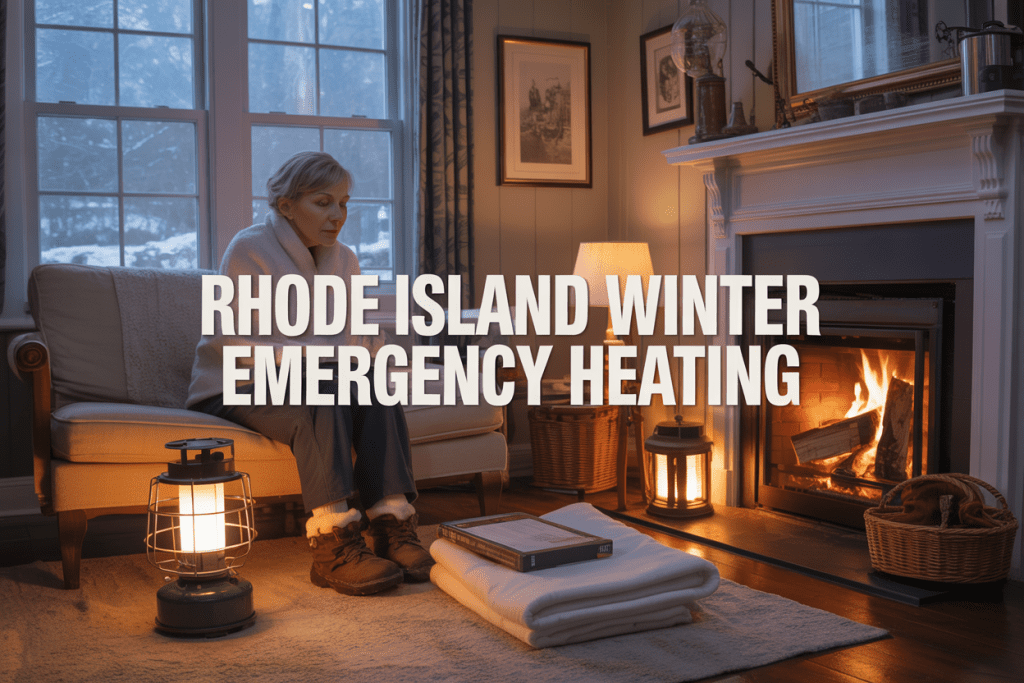
Winter storms can knock out power across Rhode Island for hours or even days, leaving you without your primary heat source when temperatures drop below freezing. This guide helps Rhode Island homeowners and renters prepare for winter power outages with safe, effective emergency heating options that work when the lights go out.
You’ll discover practical heating alternatives that don’t need electricity, from portable propane heaters to wood-burning stoves that can keep your family warm and safe. We’ll also cover the essential emergency heating supplies you should stock before winter storms arrive, plus smart heat conservation strategies that help you create warm zones in your home using minimal fuel. Finally, you’ll learn which heating methods pose serious safety risks during power outages, so you can avoid dangerous mistakes that could put your family in harm’s way.
Understanding Power Outage Risks During Rhode Island Winters

How Severe Winter Storms Impact Electrical Infrastructure
Rhode Island’s coastal location makes it particularly vulnerable to devastating winter storms that can cripple your electrical infrastructure. Ice storms pose the greatest threat, as freezing rain coats power lines with heavy ice that snaps cables and brings down entire pole systems. When temperatures hover around freezing, this deadly combination creates widespread outages that can last for days.
Nor’easters pack a double punch, combining hurricane-force winds with heavy snow that topples trees onto power lines and damages transformers. Your state’s aging electrical grid struggles under these conditions, especially in coastal areas where salt spray accelerates corrosion of equipment year-round. Winter storm prep becomes critical when you consider that a single storm can knock out power to hundreds of thousands of residents simultaneously.
The interconnected nature of Rhode Island’s power grid means that damage in one area often triggers cascading failures across multiple regions. When major transmission lines fail, entire neighborhoods lose power, regardless of local infrastructure conditions.
Average Duration of Winter Power Outages in Rhode Island
Your typical winter power outage in Rhode Island lasts between 4-12 hours, but severe weather events can extend outages for days or even weeks. The infamous ice storm of 2008 left some residents without power for over two weeks, while more recent storms have caused outages lasting 3-7 days in the hardest-hit areas.
Coastal communities face longer restoration times due to challenging access conditions and saltwater damage to equipment. Inland areas with dense tree coverage also experience extended outages when fallen trees block repair crews from reaching damaged infrastructure.
| Storm Type | Typical Outage Duration | Affected Households |
|---|---|---|
| Ice Storm | 3-14 days | 200,000+ |
| Nor’easter | 1-7 days | 150,000+ |
| Blizzard | 6-48 hours | 75,000+ |
| Freezing Rain | 12-72 hours | 100,000+ |
Life-Threatening Dangers of Losing Heat in Sub-Zero Temperatures
When your heating system fails during sub-zero temperatures, hypothermia becomes a real threat within hours. Your body temperature can drop dangerously low in as little as 30 minutes in an unheated home when outside temperatures plummet below zero. Elderly individuals and young children face the highest risk, as their bodies struggle to regulate temperature effectively.
Frozen pipes create additional hazards beyond just property damage. When water lines freeze and burst, flooding can force you from your home into dangerous outdoor conditions. Without heat, indoor temperatures can match outdoor conditions within 6-12 hours, depending on your home’s insulation and construction.
Carbon monoxide poisoning becomes a deadly concern when people resort to unsafe heating methods. Every winter, emergency rooms treat dozens of Rhode Islanders for carbon monoxide exposure from using grills, camp stoves, or generators indoors during power outages.
Vulnerable Populations Most at Risk During Heating Emergencies
Seniors over 65 face the greatest danger during heating emergencies, as age-related health conditions make temperature regulation difficult. If you’re caring for elderly family members, their medications may also lose effectiveness in extreme cold, compounding health risks.
Families with infants and young children under 5 need special attention, as children lose body heat much faster than adults. Pregnant women also face increased risks, as cold stress can trigger complications.
People with chronic medical conditions like diabetes, heart disease, or respiratory issues become extremely vulnerable when heat fails. Those dependent on electrically powered medical equipment face life-threatening situations when power goes out.
Low-income households often struggle most during extended outages, lacking resources for hotel stays or alternative heating sources. Mobile home residents face particular challenges, as these structures offer poor insulation and heat retention compared to traditional homes.
Safe Indoor Heating Alternatives That Don’t Require Electricity
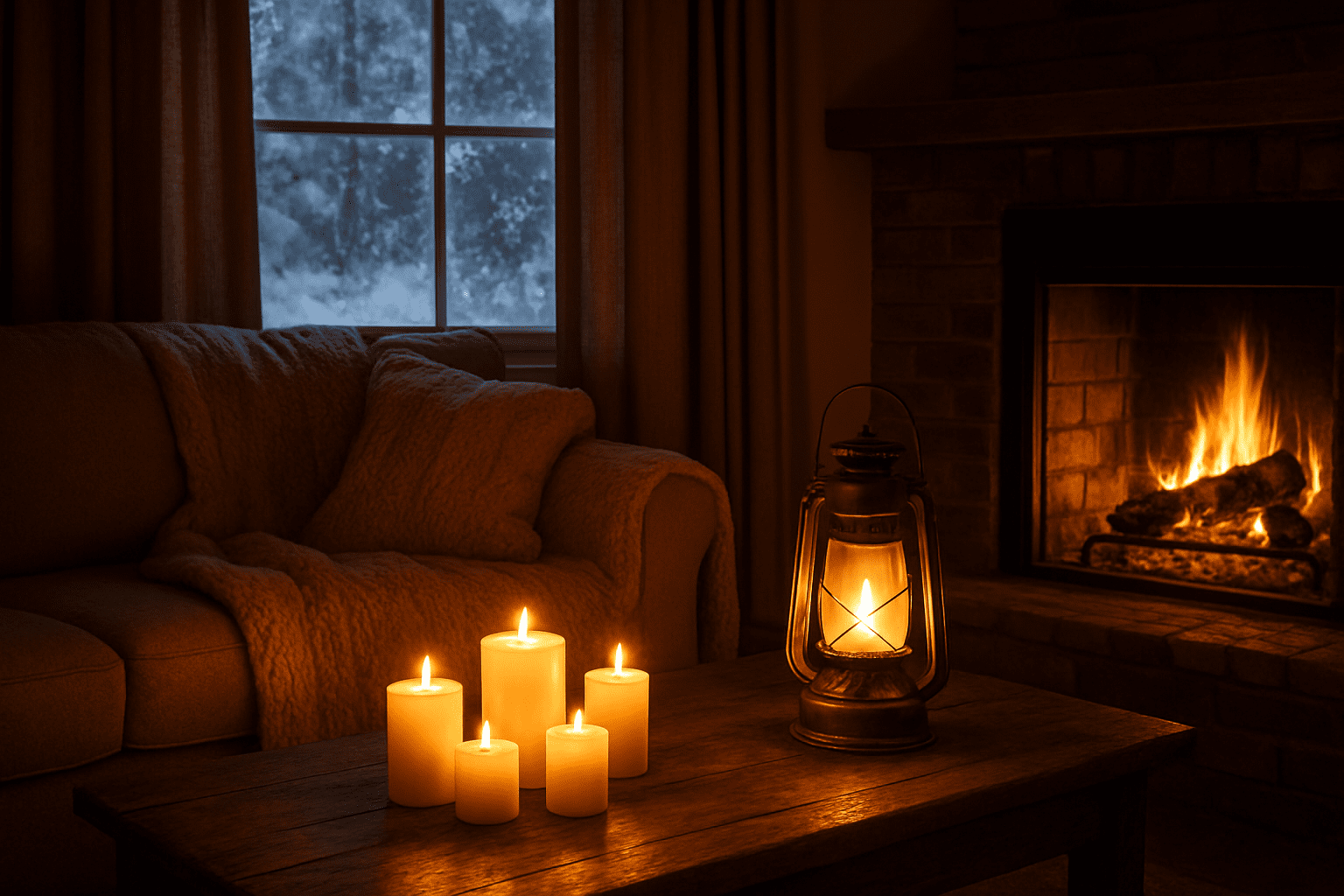
Wood-Burning Stoves and Fireplaces with Proper Ventilation
Wood-burning stoves and traditional fireplaces remain your most reliable emergency heating options Rhode Island residents can count on during extended power outages. These heating sources don’t depend on electricity and can effectively warm large areas of your home for days or even weeks if you have adequate fuel supplies.
Before relying on your fireplace or wood stove during an emergency, you need to ensure proper ventilation and recent chimney maintenance. Schedule annual inspections and cleanings to prevent dangerous carbon monoxide buildup and house fires. Check that your chimney damper opens and closes properly, and clear any debris from the flue.
Stock up on seasoned hardwood like oak, maple, or hickory, which burns longer and produces more heat than softwoods. Store at least a full cord of wood in a dry, accessible location. Keep kindling, newspaper, and waterproof matches in a convenient spot near your heating source.
Always open the damper fully before lighting a fire and keep it open until the ashes are completely cold. Never burn treated lumber, trash, or other materials that can release toxic fumes. Install battery-operated carbon monoxide detectors near your heating area and check them regularly.
For optimal safe heating without electricity, create a heat circulation system by placing battery-powered fans near your wood stove to distribute warm air throughout nearby rooms.
Portable Propane Heaters Approved for Indoor Use
Indoor-approved portable propane heaters offer excellent heating alternatives power outage situations when you need targeted warmth in specific rooms. These units provide instant heat and typically run for 5-7 hours on a standard 1-pound propane cylinder, making them perfect for Rhode Island winter emergency supplies.
Look for heaters with built-in safety features including automatic shut-off mechanisms, tip-over protection, and oxygen depletion sensors. Popular models include ceramic and radiant heaters rated between 4,000-9,000 BTUs, suitable for heating rooms up to 200 square feet.
Key safety requirements for indoor propane heating:
- Only use heaters specifically labeled for indoor use
- Maintain adequate ventilation by cracking a window slightly
- Never leave heaters unattended while sleeping
- Keep heaters at least three feet from combustible materials
- Store extra propane cylinders outside in a well-ventilated area
- Check connections for leaks using soapy water before each use
Before winter storms hit, stock multiple 1-pound propane cylinders and consider investing in an adapter hose that connects your heater to larger 20-pound tanks for extended use. This setup can provide heat for several days during prolonged outages.
Regular maintenance includes cleaning the heater’s surfaces and checking for proper flame color – it should burn blue, not yellow or orange, which indicates incomplete combustion.
Battery-Powered Electric Blankets and Heated Clothing
Battery-powered heating solutions have revolutionized personal warming during power outages, offering winter power outage safety tips that keep you comfortable without relying on dangerous heating methods. Modern battery-operated electric blankets can provide up to 10 hours of continuous warmth on a single charge.
Rhode Island winter storm heating preparations should include investing in rechargeable heated clothing options. Battery-powered heated jackets, vests, gloves, and socks use lithium-ion batteries and provide targeted warmth for 3-8 hours depending on heat settings. Many models offer multiple temperature levels and can be recharged using portable power banks.
For maximum effectiveness during outages:
- Charge all batteries before storm warnings
- Keep backup power banks fully charged
- Layer heated clothing under regular winter gear
- Focus heated blankets on your core body area
- Use heated clothing for essential outdoor tasks like clearing snow or checking generators
Battery-heated sleeping bags represent another excellent option for overnight warmth when your home’s temperature drops significantly. These sleeping systems maintain comfortable temperatures even in rooms that fall below 40°F.
Consider USB-powered heating pads for localized warmth while conserving battery life. These smaller devices work well for warming hands and feet while using minimal power from portable battery packs.
Plan to have enough battery capacity to power your heating devices for at least 72 hours, and remember that cold temperatures reduce battery performance, so store backup batteries in insulated containers.
Emergency Heating Supplies Every Rhode Island Home Should Stock
Essential Fuel Supplies and Safe Storage Methods
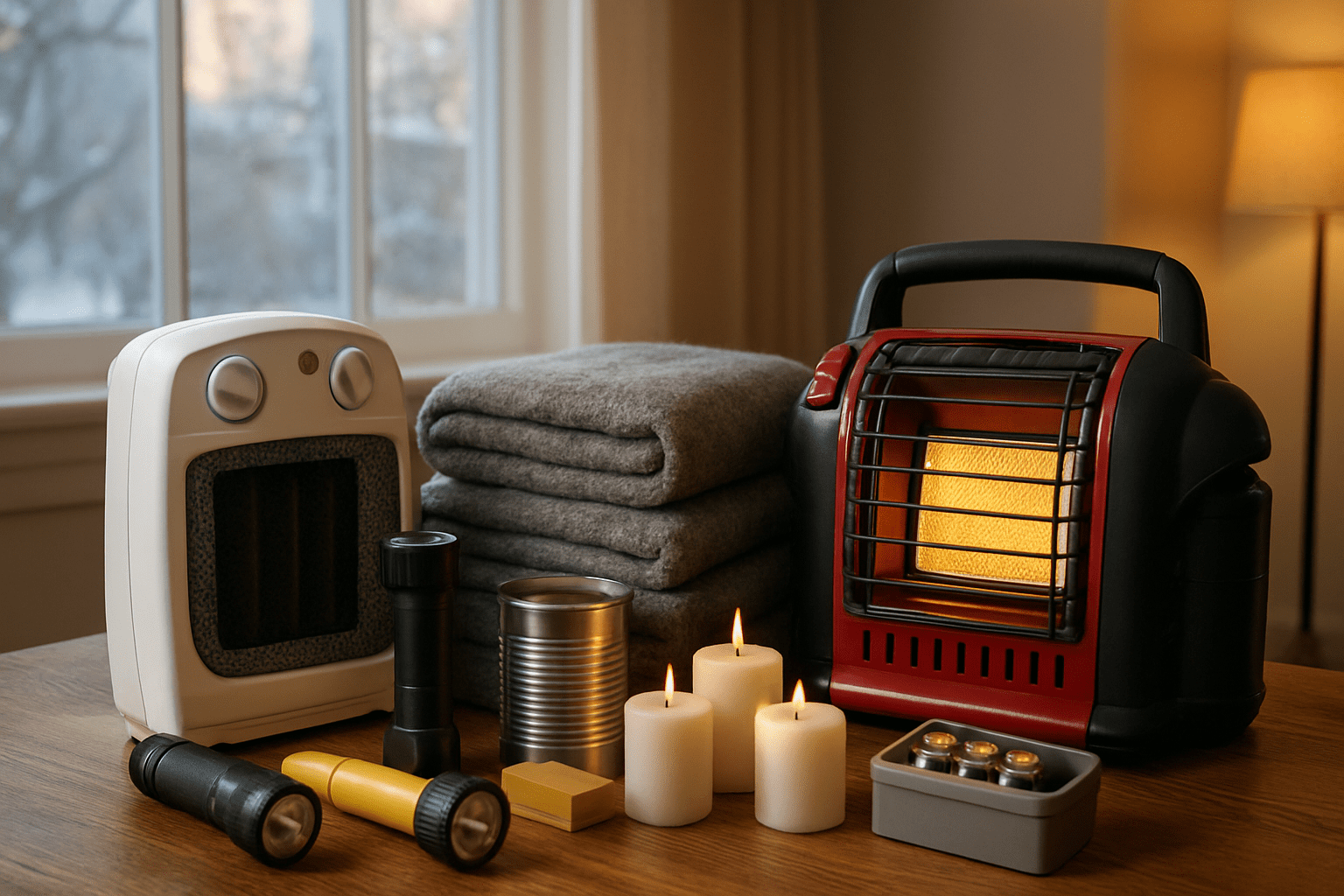
Stocking the right fuel supplies before winter storms hit is crucial for your family’s safety during power outages. You’ll want to keep a minimum 72-hour supply of fuel for your emergency heating options Rhode Island residents rely on most.
For propane heaters, maintain at least two 20-pound tanks in addition to what’s currently connected to your equipment. Store propane tanks outdoors in an upright position, away from your home’s foundation and any ignition sources. Never store propane indoors or in enclosed spaces like garages or basements.
If you’re using kerosene heaters, keep a week’s worth of K-1 grade kerosene in approved containers. Store kerosene in a cool, dry location away from heat sources and direct sunlight. Label containers with purchase dates since kerosene can degrade over time.
Wood-burning stove owners should maintain a cord of seasoned hardwood, stored at least 30 feet from structures. Stack wood off the ground using pallets or lumber to prevent moisture absorption. Cover the top while leaving sides exposed for air circulation.
Create a fuel rotation system by dating your supplies and using older stock first. Check local fire codes for storage quantity limits and maintain proper distances from your home. Store all fuels in original containers or approved alternatives, never in food or beverage containers that could cause dangerous confusion during emergencies.
Carbon Monoxide Detectors with Battery Backup
Carbon monoxide poisoning poses the greatest threat during power outage heating emergencies, making battery-powered CO detectors absolutely essential for your Rhode Island winter emergency supplies. You need detectors that continue working when electricity fails.
Install battery-operated CO detectors on every level of your home, especially near sleeping areas and wherever you plan to use emergency heat sources. Place them at least 15 feet away from fuel-burning appliances to avoid false alarms while ensuring they can detect dangerous buildup.
Choose detectors with digital displays showing CO levels, not just basic alarm models. Digital readouts help you monitor increasing concentrations before they reach dangerous levels. Look for units with peak level memory that record the highest CO reading since last reset.
Replace batteries twice yearly, even in newer lithium models. Keep spare batteries specifically for your CO detectors in your emergency supply kit. Test detectors monthly by pressing the test button – if the alarm doesn’t sound clearly, replace the unit immediately.
Consider combination smoke and CO detectors for areas where space is limited, but ensure they’re battery-powered models. Some newer units offer 10-year sealed battery systems that eliminate the need for battery changes during the detector’s lifetime.
Never ignore CO detector alarms, even if they seem false. Evacuate immediately, ventilate the area, and identify the source before returning. When using any heating alternatives power outage situations require, keep detectors functioning and check them frequently.
Emergency Blankets and Cold-Weather Gear
Your emergency blanket collection should go far beyond basic bedding to include specialized gear designed for retaining body heat during power outages. Space blankets, also called emergency blankets, reflect up to 90% of body heat back to you while weighing only a few ounces.
Stock heavy wool blankets for each family member plus extras for guests. Wool retains warmth even when damp and provides better insulation than cotton or synthetic materials. Layer multiple blankets rather than relying on one thick covering for maximum heat retention.
Sleeping bags rated for temperatures 10-15 degrees below your area’s typical winter lows offer excellent backup warmth. Mummy-style bags retain heat most efficiently, while rectangular bags allow more movement. Store sleeping bags in compression sacks to save space and prevent moisture damage.
Keep warm clothing readily accessible in your emergency kit: thermal underwear, wool socks, insulated boots, winter hats, and waterproof gloves. Layer systems work better than single heavy garments – base layers wick moisture, insulating layers trap heat, and outer layers block wind and moisture.
Hand and foot warmers provide targeted heat for up to 10 hours each. Stock both air-activated disposable warmers and reusable gel packs that activate when clicked. These small heat sources can make the difference between comfort and dangerous cold exposure.
Include emergency bivvy sacks or survival shelters that create personal warming zones. These lightweight shelters trap body heat and block drafts, essentially creating a micro-environment around individuals who need extra protection.
Backup Power Sources for Critical Heating Equipment
Portable generators can power essential heating equipment during outages, but you must understand their limitations and safety requirements. Size your generator properly – heating systems typically need substantial power, often 3,000-7,000 watts depending on your equipment type.
Never run generators indoors, in garages, or near windows and doors. Position them at least 20 feet from your home with the exhaust pointing away from all openings. Use heavy-duty, outdoor-rated extension cords designed for the generator’s output. For more comprehensive guidance on Emergency Heating Backup Options Rhode Island homes need, consult professional resources.
Battery backup systems work well for heating system controls, thermostats, and circulation fans. Uninterruptible Power Supply (UPS) units keep these critical components running for several hours, allowing your heating system to operate if the main power source (like a generator) experiences brief interruptions.
Solar power banks and portable power stations offer quiet alternatives for small heating devices and system controls. While these won’t power full heating systems, they can run heated blankets, small space heaters, and circulation fans for extended periods.
Install transfer switches for permanent generators to safely connect backup power to your home’s electrical system. This prevents dangerous back-feeding that can electrocute utility workers and damage equipment. Professional installation ensures safe operation and code compliance.
Keep generator maintenance current with regular oil changes, fuel stabilizer, and monthly test runs. Store adequate fuel supplies following local fire codes, and consider natural gas or propane models that connect to existing fuel lines for unlimited runtime during extended outages.
Creating Warm Zones and Heat Conservation Strategies
Selecting the safest room for emergency heating
When power goes out during Rhode Island’s harsh winters, your first priority should be choosing the right room to keep warm. Pick your smallest bedroom or a central room with minimal windows – these spaces are much easier to heat and hold warmth longer. Avoid rooms with vaulted ceilings, large windows, or exterior walls on multiple sides, as they’ll drain your emergency heating efforts quickly.
Your ideal warm room should have a door you can close completely and be located away from prevailing winds that typically come from the northwest in Rhode Island. If you’re using any safe heating without electricity options like battery-powered heaters or body warmth, a smaller space means your efforts go much further. Consider rooms on upper floors if possible, since heat rises naturally and these spaces often stay warmer longer.
Make sure your chosen room has adequate ventilation for safety, especially if you’re using any fuel-based emergency heat sources indoors. You want warmth, but never at the expense of proper air circulation. Stock this room ahead of time with blankets, sleeping bags, and emergency supplies so you’re not scrambling in the dark during an actual outage.
Insulating windows and doors to trap warmth
Your windows and doors are the biggest heat thieves during power outages, so sealing them properly can make a dramatic difference in your survival comfort. Hang heavy blankets, quilts, or sleeping bags over windows as makeshift insulation – even old towels work better than bare glass. For extra protection, create an air gap by hanging materials a few inches away from the window surface.
Draft-proof your doors by rolling up towels and placing them against the bottom gap. If you have weather stripping that’s seen better days, now’s the time it really matters. Consider keeping a emergency heating supplies stash that includes plastic sheeting and duct tape – you can create temporary storm windows by taping plastic over window frames.
For Rhode Island winter emergency supplies, add foam pipe insulation to your emergency kit. You can slice it lengthwise and press it into window and door cracks for instant sealing. Close interior doors to unused rooms and hang blankets in doorways to create smaller, more manageable heating zones. Every bit of warm air you can trap and hold makes your emergency heating options Rhode Island residents rely on work more effectively.
Body heat preservation techniques and layering methods
Your body generates about 100 watts of heat naturally – that’s like a bright light bulb working for you constantly. The key is keeping that heat close to your skin through smart layering. Start with moisture-wicking base layers, add insulating middle layers like wool or fleece, and top with a windproof outer shell. Avoid cotton completely since it loses insulating properties when damp from perspiration.
Focus on covering your extremities where you lose heat fastest. Wear a hat indoors – you can lose up to 40% of your body heat through your head and neck. Double up on socks, but make sure your shoes still fit properly since tight footwear cuts circulation and makes your feet colder. Keep extra pairs of gloves handy and rotate them if they get damp.
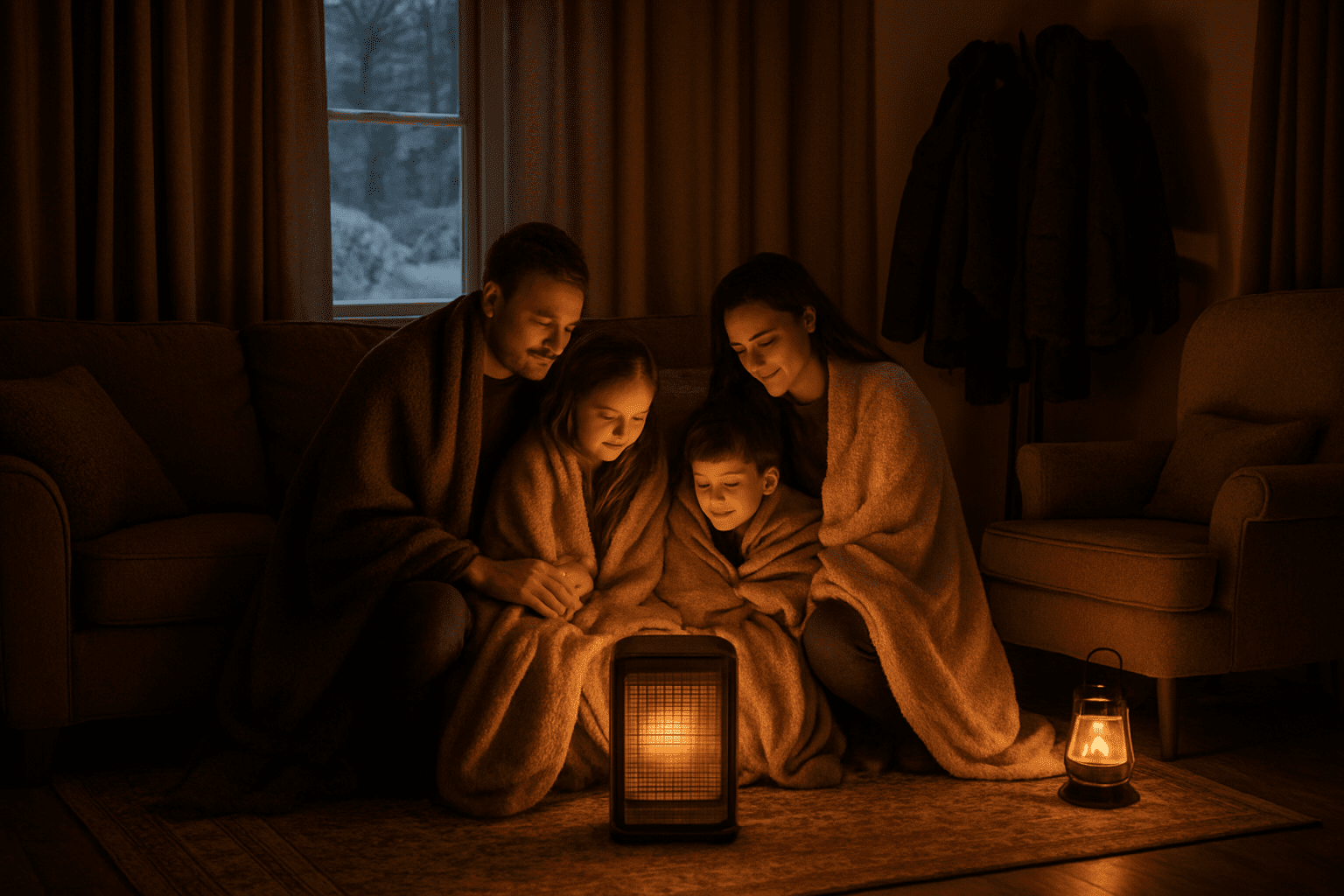
Share body heat safely by staying close together under shared blankets. Create a “buddy system” where family members check each other for signs of hypothermia like shivering, confusion, or drowsiness. Keep moving with light exercises like jumping jacks or push-ups to maintain circulation, but avoid sweating since wet clothes become dangerous quickly in cold conditions.
Layer your sleeping arrangements too – put blankets below and above you since the ground will steal your heat. Fall HVAC Checklist Rhode Island preparation can help prevent power outages, but when they happen, your body becomes your most reliable heat source.
Dangerous Heating Methods to Avoid During Power Outages

Why Indoor Grills and Camping Stoves Create Deadly Risks
Indoor grills and camping stoves pose serious carbon monoxide poisoning risks when used inside your home during power outages. These devices burn fuel that produces deadly, odorless carbon monoxide gas, which can quickly build to lethal levels in enclosed spaces. Your barbecue grill, whether gas or charcoal, should never come inside your house, garage, or basement—even temporarily.
Camping stoves and portable gas burners create similar dangers. While they might seem like convenient solutions for heating small spaces or cooking during outages, they consume oxygen and release carbon monoxide. Without proper ventilation, these gases accumulate rapidly, causing headaches, dizziness, nausea, and potentially death within hours.
The risk increases dramatically during Rhode Island winter storms when homes are sealed tight against cold weather. Your windows and doors remain closed, preventing fresh air circulation that might otherwise dilute dangerous gases. Even cracking a window doesn’t provide adequate ventilation for safe indoor use of these devices.
Car Exhaust Heating Dangers and Garage Safety
Running your car for heat during power outages creates multiple life-threatening scenarios. Carbon monoxide from vehicle exhaust can seep into your home through shared walls, windows, or ventilation systems connected to your garage. Even with garage doors open, wind patterns during winter storms can push exhaust back into enclosed areas.
Never attempt to heat your garage by running vehicles inside, even briefly. Your garage shares air space with your living areas through small gaps, electrical outlets, and ventilation systems. Carbon monoxide travels through these pathways, poisoning occupants without warning signs.
Some people mistakenly believe sitting in their running car provides safe warmth. However, snow can block exhaust pipes, causing carbon monoxide to accumulate inside your vehicle. During Rhode Island blizzards, snow drifts form quickly and can completely cover tailpipes within minutes.
Improvised Heating Devices That Cause House Fires
Homemade heating solutions often become fire hazards that spread rapidly through homes during power outages. Candles placed too close to curtains, furniture, or papers ignite materials within seconds. Multiple candles grouped together generate enough heat to start fires even when placed on seemingly safe surfaces.
Space heaters designed for electricity become dangerous when modified to work with alternative fuel sources. People sometimes attempt to convert electric heaters or create makeshift heating devices using alcohol, kerosene, or other flammable liquids. These improvised contraptions lack safety controls and can explode or create uncontrollable fires.
Tea light heaters and clay pot warming systems, while popular on social media, produce minimal heat while creating significant fire risks. These setups can tip over, overheat surfaces beneath them, or ignite nearby materials. During power outages, you might not have adequate lighting to monitor these devices properly.
Open flames from improvised heating sources become especially dangerous when combined with emergency lighting like additional candles or oil lamps. Your home contains more combustible materials during winter—extra blankets, stored firewood, holiday decorations—that can ignite quickly. For comprehensive winter safety planning, consider reviewing winter storm preparation strategies that protect both your heating systems and your family’s safety during Rhode Island’s harsh winter weather.
Emergency Preparedness Planning Before Winter Storms Hit

Developing a family heating emergency action plan
Creating a comprehensive heating emergency action plan keeps your family safe when winter storms knock out power across Rhode Island. Start by assigning specific roles to each family member—designate who handles gathering emergency supplies, who monitors weather alerts, and who’s responsible for checking on elderly neighbors or relatives. Document your plan in writing and keep copies in multiple locations, including your emergency kit and each family member’s wallet or phone.
Your plan should include a communication strategy with out-of-state contacts who can coordinate information if local phone lines fail. Establish meeting points both inside your home (typically the warmest room) and outside in case evacuation becomes necessary. Practice your emergency heating procedures during good weather, so everyone knows how to safely operate backup heating equipment like wood stoves or propane heaters.
Include evacuation triggers in your plan—specific conditions that signal when it’s time to leave for a warming center. These might include indoor temperatures dropping below 45°F, signs of carbon monoxide exposure, or structural damage from ice or snow. Keep your emergency heating supplies organized and easily accessible, and review your plan twice yearly before winter storm season begins.
Identifying local warming centers and emergency shelters
Research your community’s warming centers and emergency shelters before winter weather hits Rhode Island. Contact your local emergency management office, Red Cross chapter, or town hall to get updated lists of facilities that open during power outages. Many communities use schools, community centers, libraries, or religious buildings as temporary warming centers when traditional shelters reach capacity.
Keep contact information for these facilities saved in your phone and written down in your emergency kit. Note their typical operating hours, pet policies, and what supplies they provide versus what you need to bring. Some warming centers offer meals and basic supplies, while others simply provide heated space and electrical outlets for charging devices.
Plan multiple route options to reach these locations since winter storms can make roads impassable. Consider transportation challenges—if your car won’t start or roads are blocked, identify neighbors or family members who might share rides. Register with your local emergency management office if anyone in your household has special medical needs or mobility requirements that could affect shelter placement.
Maintaining heating equipment and safety devices year-round
Regular maintenance of your heating equipment prevents dangerous malfunctions during winter emergencies when you depend on these systems most. Schedule annual professional inspections for your primary heating system, fireplace, or wood stove before cold weather arrives. Professional HVAC maintenance catches small problems before they become expensive repairs or safety hazards during power outages.
Test all smoke detectors and carbon monoxide detectors monthly, replacing batteries twice yearly when daylight saving time changes. Install carbon monoxide detectors on every level of your home, especially near sleeping areas and potential sources like fireplaces or backup generators. Keep spare batteries in your emergency kit since power outages can drain battery-powered safety devices faster than normal.
Clean and inspect portable heating equipment regularly, checking for damaged cords, cracked components, or blocked ventilation. Store propane tanks in well-ventilated outdoor areas, checking connections and dates regularly. Keep fire extinguishers accessible and ensure family members know how to use them safely. Replace emergency lighting batteries annually and test flashlights monthly to avoid discovering dead batteries during actual emergencies.
Create a maintenance schedule with monthly, seasonal, and annual tasks clearly marked on your calendar. This systematic approach prevents critical safety checks from being forgotten during busy periods and keeps your emergency heating equipment ready when Rhode Island winter storms threaten your power supply.
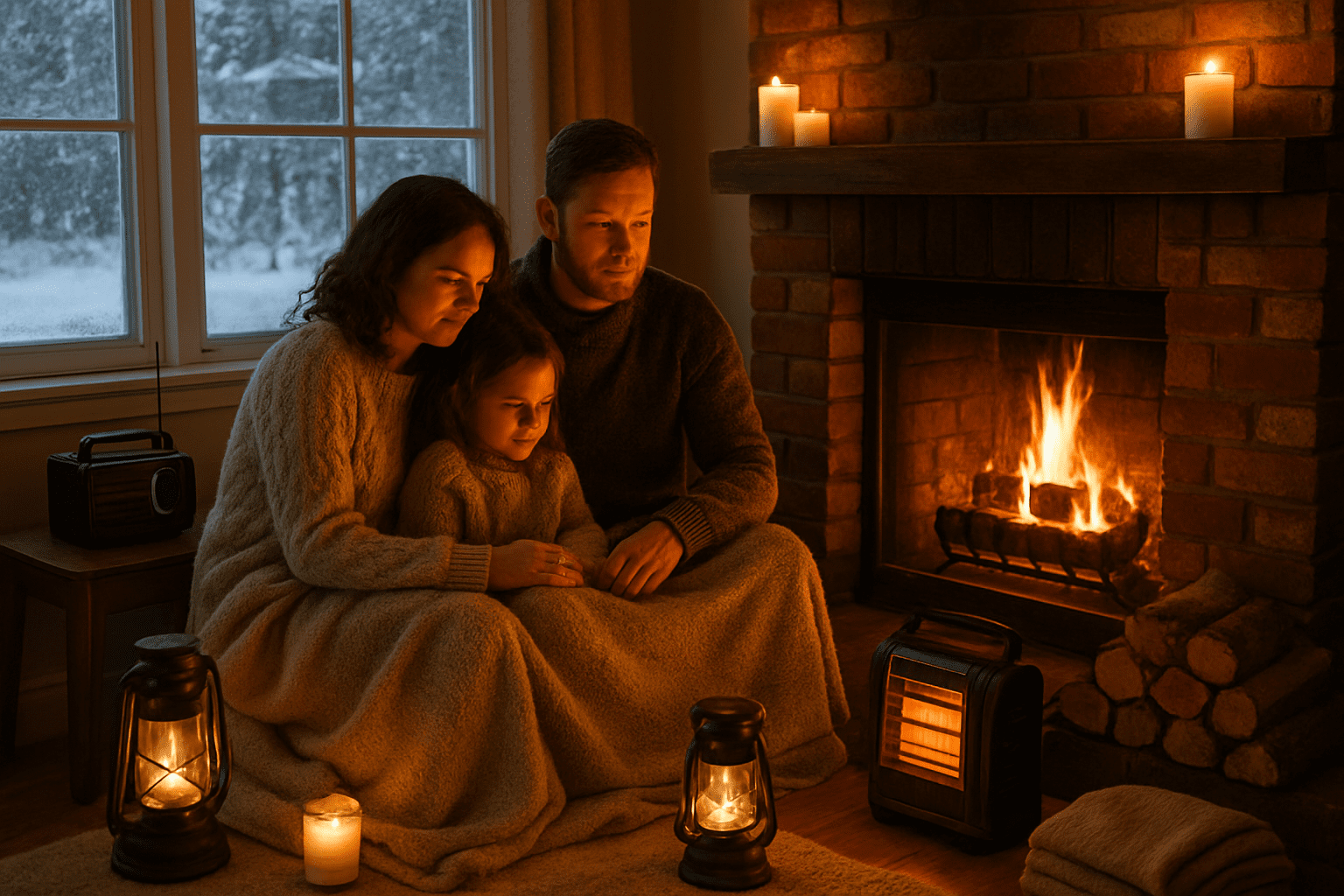
Rhode Island winters can be brutal, and power outages make them even more dangerous. You now have the knowledge to keep your family warm and safe when the lights go out. Stock up on battery-powered radios, extra blankets, and safe heating alternatives like propane heaters before storm season arrives. Create your warm zones, avoid risky heating methods like ovens or grills indoors, and make sure everyone in your household knows the emergency plan.
Don’t wait until the next blizzard warning to prepare. Check your emergency heating supplies now, practice your heat conservation strategies, and review what to do if the power goes out. Your preparation today could save lives when Rhode Island’s next winter storm strikes. Stay warm, stay safe, and remember that being ready is always better than scrambling in the dark and cold.
Don’t get left in the cold during a power outage—know your safe heating options! For advice, backup system installation, or emergency service, contact UGNasons. Visit ugnasons.com, call (401) 847-2497, or email [email protected] for reliable winter support.