
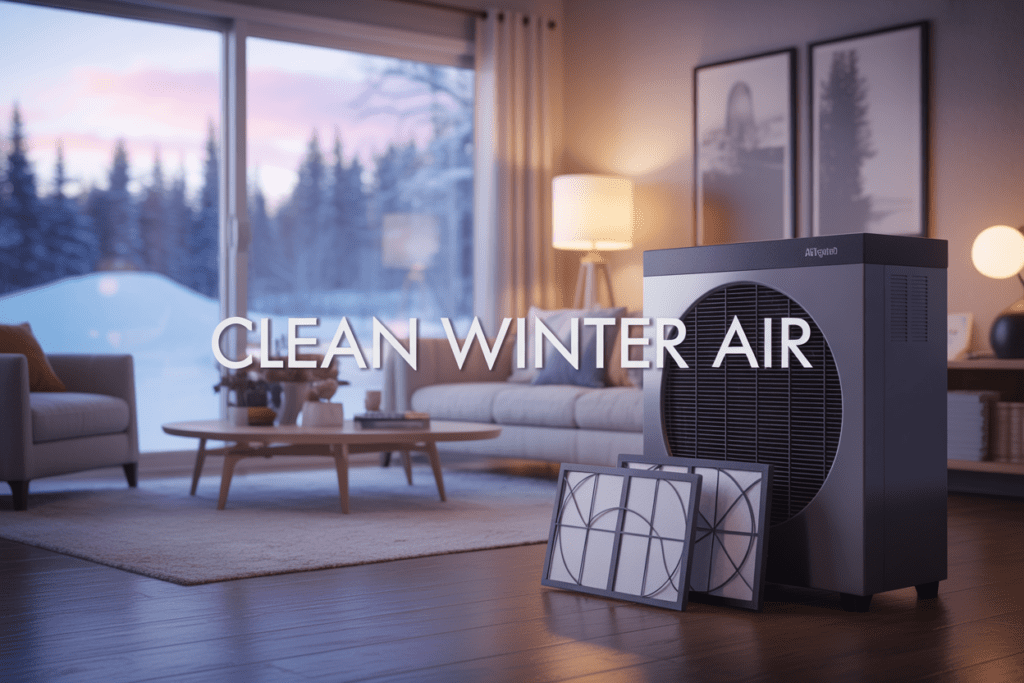
Winter air trapped inside your home can become a breeding ground for dust, allergens, and pollutants that make you and your family sick. Air filters for winter become your first line of defense when cold weather forces you to seal up your house and rely on heating systems that can circulate contaminated air.
This guide helps homeowners, renters, and anyone concerned about breathing cleaner air during the colder months. You’ll discover which air filter types comparison works best for your specific needs and budget, plus learn the key features to consider when selecting winter air filters that actually improve your indoor environment.
We’ll walk you through the unique challenges winter brings to your indoor air quality, compare HEPA filters winter air performance against other popular options, and show you practical ways to maximize your filter’s effectiveness when temperatures drop. You’ll also get cost-smart recommendations for different home sizes so you can breathe easier without breaking the bank.
Understanding Winter Indoor Air Quality Challenges
Common pollutants that accumulate during winter months
Your home becomes a magnet for various pollutants during winter, creating a cocktail of contaminants that can seriously impact your health. Pet dander multiplies rapidly in closed spaces, while dust mites thrive in the warm, humid conditions created by your heating system. Cooking fumes from holiday meals and everyday food preparation linger longer without proper ventilation, and volatile organic compounds (VOCs) from cleaning products, paints, and furniture off-gassing build up to concerning levels.
Outdoor pollutants also find their way inside despite your best efforts. Fine particulate matter from wood-burning fireplaces and vehicle exhaust seeps through even the smallest gaps in your home’s envelope. Pollen from late-season allergens gets tracked in on shoes and clothing, while mold spores from damp basements or poorly ventilated bathrooms circulate freely through your HVAC system.
The concentration of these pollutants becomes particularly problematic because winter air typically holds less moisture, allowing particles to remain airborne longer. Your heating system constantly recirculates this contaminated air throughout your living spaces, creating a cycle that choosing air filters home solutions can effectively break.
Health risks from poor indoor air circulation
Poor indoor air circulation during winter months puts your family at risk for both immediate and long-term health issues. You might notice increased respiratory symptoms like coughing, sneezing, and throat irritation as pollutants accumulate in your breathing space. Asthma sufferers often experience more frequent attacks, while those with allergies find their symptoms persist year-round instead of being seasonal.
Your immune system takes a beating from constant exposure to concentrated indoor pollutants. This weakened state makes you more susceptible to winter colds and flu viruses that spread easily in poorly ventilated spaces. Children and elderly family members face elevated risks, as their respiratory systems are more vulnerable to airborne contaminants.
Long-term exposure to poor indoor air quality can lead to serious health complications including chronic respiratory conditions, heart disease, and even cognitive impacts. Headaches, fatigue, and difficulty concentrating often stem from breathing polluted indoor air day after day. The EPA estimates that indoor air can be 2-5 times more polluted than outdoor air, making Indoor Air Quality Solutions RI a critical investment for your family’s wellbeing.
Why sealed homes trap more contaminants
Modern homes are built to be energy-efficient, which means they’re also highly effective at trapping everything inside – including the air you don’t want to breathe. Your well-insulated walls, sealed windows, and tight door frames create an envelope that prevents natural air exchange with the outdoors. While this design saves money on heating bills, it also means pollutants have nowhere to go.
The stack effect that naturally ventilates older homes is virtually eliminated in today’s construction. Without proper mechanical ventilation, your indoor air becomes stagnant, allowing contaminants to build up to unhealthy levels. Every activity – from cooking breakfast to using cleaning products – adds to the pollution load without adequate fresh air dilution.
Your HVAC system compounds the problem by constantly recirculating the same contaminated air. Without quality air filters for winter protection, your heating system becomes a distribution network for pollutants rather than a source of comfort. The tighter your home’s construction, the more critical it becomes to actively filter and purify your indoor air rather than relying on natural ventilation that simply doesn’t exist in modern buildings.
Essential Air Filter Types for Winter Protection
HEPA Filters for Maximum Particle Removal
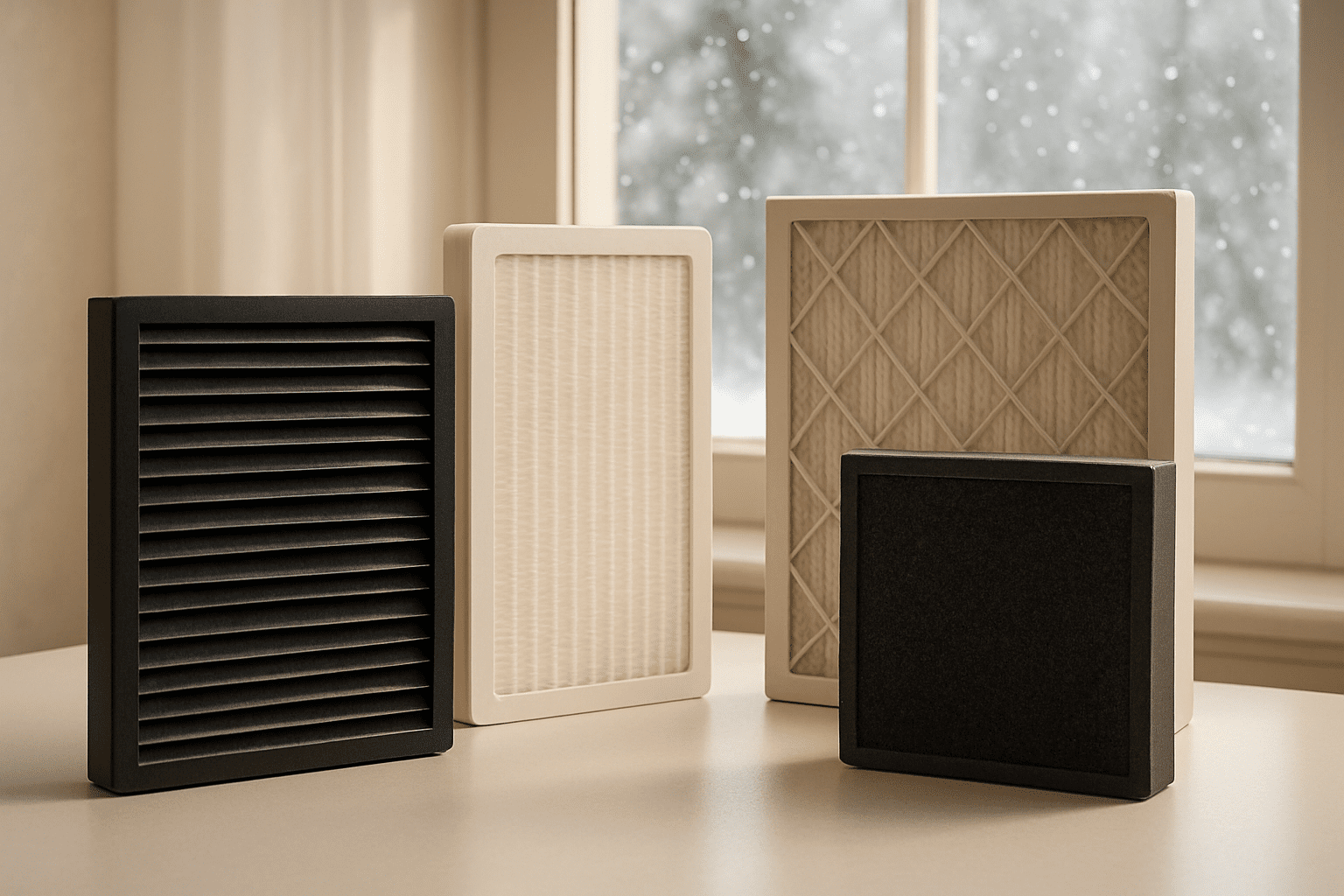
When winter air quality becomes your top concern, HEPA filters deliver unmatched protection against microscopic threats. These high-efficiency filters capture 99.97% of particles as small as 0.3 microns, making them your strongest defense against dust, pollen, pet dander, and even some bacteria that circulate more heavily during closed-window months.
Your winter air contains surprisingly high levels of fine particles that standard filters miss completely. HEPA technology uses densely woven fibers that trap particles through three mechanisms: impaction, interception, and diffusion. This triple-action approach means you’re getting comprehensive filtration that dramatically improves your indoor air quality during those long winter months when natural ventilation isn’t an option.
The investment in HEPA filters pays off quickly through reduced allergy symptoms and cleaner air throughout your home. You’ll notice the difference within days as your HVAC system works with premium filtration to maintain healthier indoor environments.
Activated Carbon Filters for Odor and Chemical Control
Winter months trap more than just particles in your home – they also concentrate odors and volatile organic compounds (VOCs) that can make indoor air feel stale and unhealthy. Activated carbon filters excel at absorbing these chemical pollutants and unwanted smells that become more noticeable when your home stays sealed up.
The porous structure of activated carbon acts like a sponge for gaseous pollutants. Cooking odors, cleaning product fumes, paint vapors, and even outdoor pollution that seeps indoors get absorbed into the carbon’s microscopic pores. This process, called adsorption, removes these contaminants from your air circulation completely.
You’ll particularly appreciate activated carbon filtration if your home tends to feel stuffy during winter or if you notice lingering odors from holiday cooking and entertaining. Many homeowners combine carbon filters with other filtration types for comprehensive air cleaning that addresses both particles and gases.
Electrostatic Filters for Cost-Effective Filtration
Budget-conscious homeowners often find electrostatic filters provide excellent winter air quality improvement without the ongoing costs of disposable filters. These reusable filters use static electricity to attract and capture airborne particles, offering a middle-ground solution between basic fiberglass filters and premium HEPA options.
The electrostatic charge builds up as air passes through the filter’s synthetic fibers, creating a magnetic effect that pulls particles from your air stream. You can wash these filters monthly and reuse them for years, making them particularly attractive for families looking to maintain good indoor air quality without recurring filter replacement costs.
Your electrostatic filter’s effectiveness improves over time as it collects particles, but regular cleaning prevents it from becoming clogged. The washable design means you’re always ready for winter’s demanding filtration needs without emergency trips to buy replacement filters.
UV Filters for Bacterial and Viral Protection
Ultraviolet light filtration adds an extra layer of protection against biological contaminants that become more concerning during winter’s cold and flu season. UV-C light effectively neutralizes bacteria, viruses, and mold spores that can circulate through your HVAC system, providing peace of mind when your family spends more time indoors.
These systems install directly into your ductwork and work silently to sterilize air as it passes through your heating system. The UV light damages the DNA of microorganisms, preventing them from reproducing and causing illness. This technology becomes especially valuable during winter months when respiratory illnesses spread more easily in closed indoor environments.
UV filters work best as part of a comprehensive filtration strategy rather than standalone solutions. You’ll get optimal results by pairing UV sterilization with particle filtration to address both biological and physical contaminants in your winter air.
Key Features to Consider When Selecting Winter Air Filters
MERV Ratings and Their Impact on Air Quality
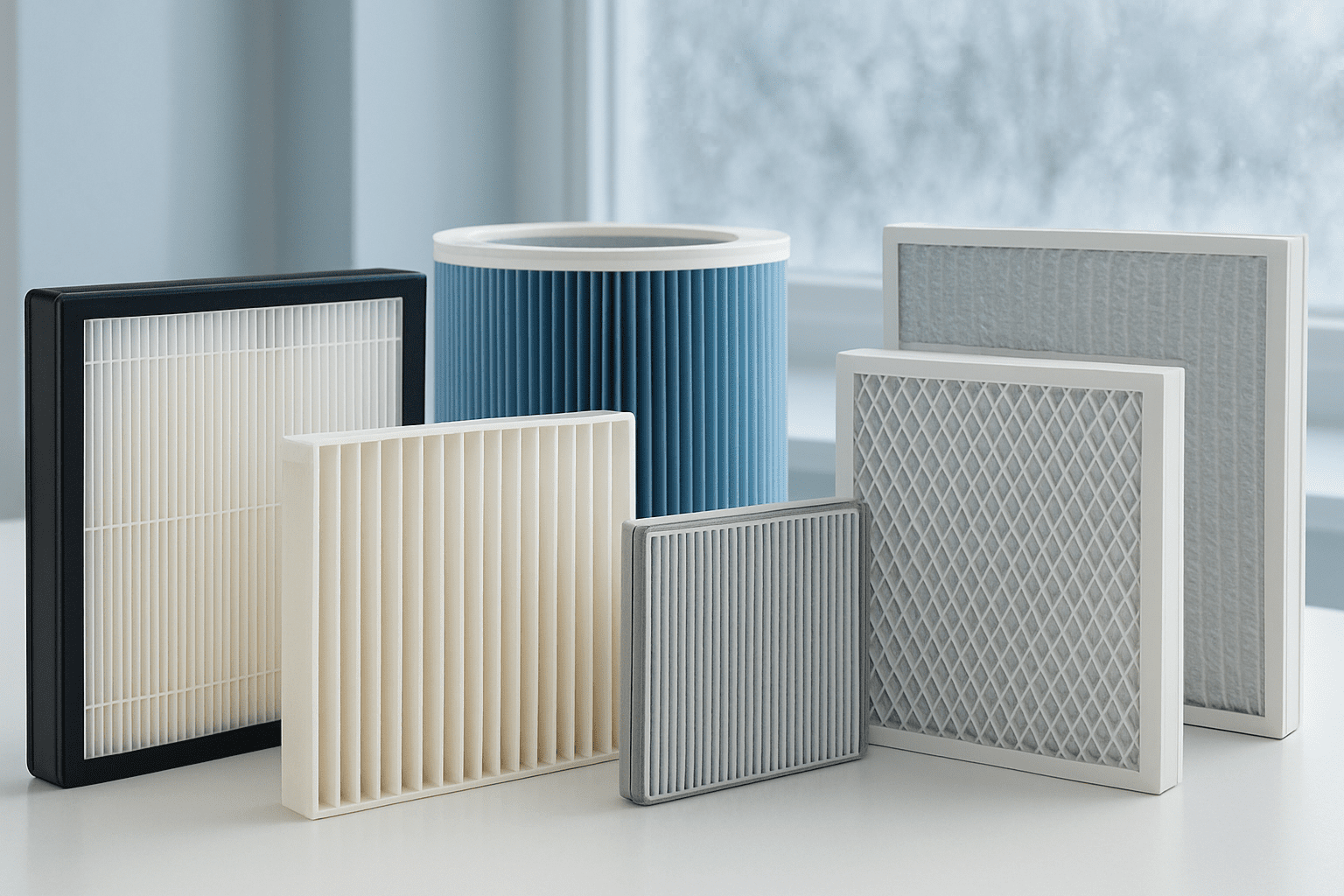
Your air filter’s MERV rating directly determines what particles it can capture from your indoor air. MERV stands for Minimum Efficiency Reporting Value, and the scale runs from 1 to 20. For winter air quality improvement, you’ll want to focus on filters with ratings between 8 and 13.
MERV 8-11 filters work well for most homes, capturing dust, pollen, and pet dander that become more concentrated during winter months when windows stay closed. These filters strike a good balance between air cleaning power and airflow efficiency for your HVAC system.
MERV 13 filters offer superior protection by catching smaller particles like bacteria and smoke, making them excellent choices if you have allergies or respiratory concerns. However, these higher-rated filters can restrict airflow if your system wasn’t designed to handle them.
Here’s what different MERV ratings capture:
| MERV Rating | Particle Size | What It Removes |
|---|---|---|
| 8-11 | 3-10 microns | Dust, pollen, pet dander, mold spores |
| 12-13 | 1-3 microns | Bacteria, smoke, fine dust |
| 14-16 | 0.3-1 microns | Cooking smoke, smog, virus carriers |
Avoid going higher than MERV 13 unless your HVAC professional specifically recommends it. Super-high ratings can strain your system and actually reduce air circulation, which defeats the purpose of better indoor air quality.
Filter Size Compatibility with Your HVAC System
Getting the right size matters more than you might think. Your filter needs to fit snugly in its slot without gaps around the edges – even small openings let unfiltered air bypass the system entirely.
Check your current filter for size markings, typically printed on the cardboard frame. Common residential sizes include 16x20x1, 20x25x1, and 16x25x1 inches. The last number represents thickness, which usually ranges from 1 to 5 inches.
Thicker filters generally last longer and provide better filtration, but your system must have enough space to accommodate them. Don’t force a thicker filter into a slot designed for a thinner one – this creates gaps and reduces efficiency.
If you’re unsure about sizing, measure your filter slot yourself. Write down the length, width, and depth, then match these dimensions exactly when shopping. Some filters come in “nominal” sizes that are actually slightly smaller than listed to ensure proper fit.
Maintenance Requirements and Replacement Frequency
Winter conditions affect how often you’ll need to change your air filters. Cold weather keeps homes sealed tight, meaning your HVAC system works harder and filters collect particles faster than during milder seasons.
Standard 1-inch filters typically need replacement every 30-60 days during winter, while thicker pleated filters can last 90 days. However, several factors can shorten this timeline:
- Pets in the home: Replace filters every 20-30 days
- Allergies or asthma: Change monthly regardless of filter type
- High dust levels: Check monthly and replace as needed
- Frequent system use: Cold snaps mean more runtime and faster clogging
Set calendar reminders to check your filters monthly. Hold the filter up to a light source – if you can’t see through it clearly, it’s time for a replacement. Don’t wait until filters look completely dirty, as restricted airflow forces your system to work harder and increases energy costs.
Consider buying filters in bulk during sales to ensure you always have replacements ready. Proper winter preparation includes stocking up on the right filters before cold weather arrives.
Store spare filters in a dry location away from moisture and temperature extremes. Cardboard frames can warp in damp conditions, affecting their fit and performance when you need them most.
Maximizing Filter Performance During Cold Months
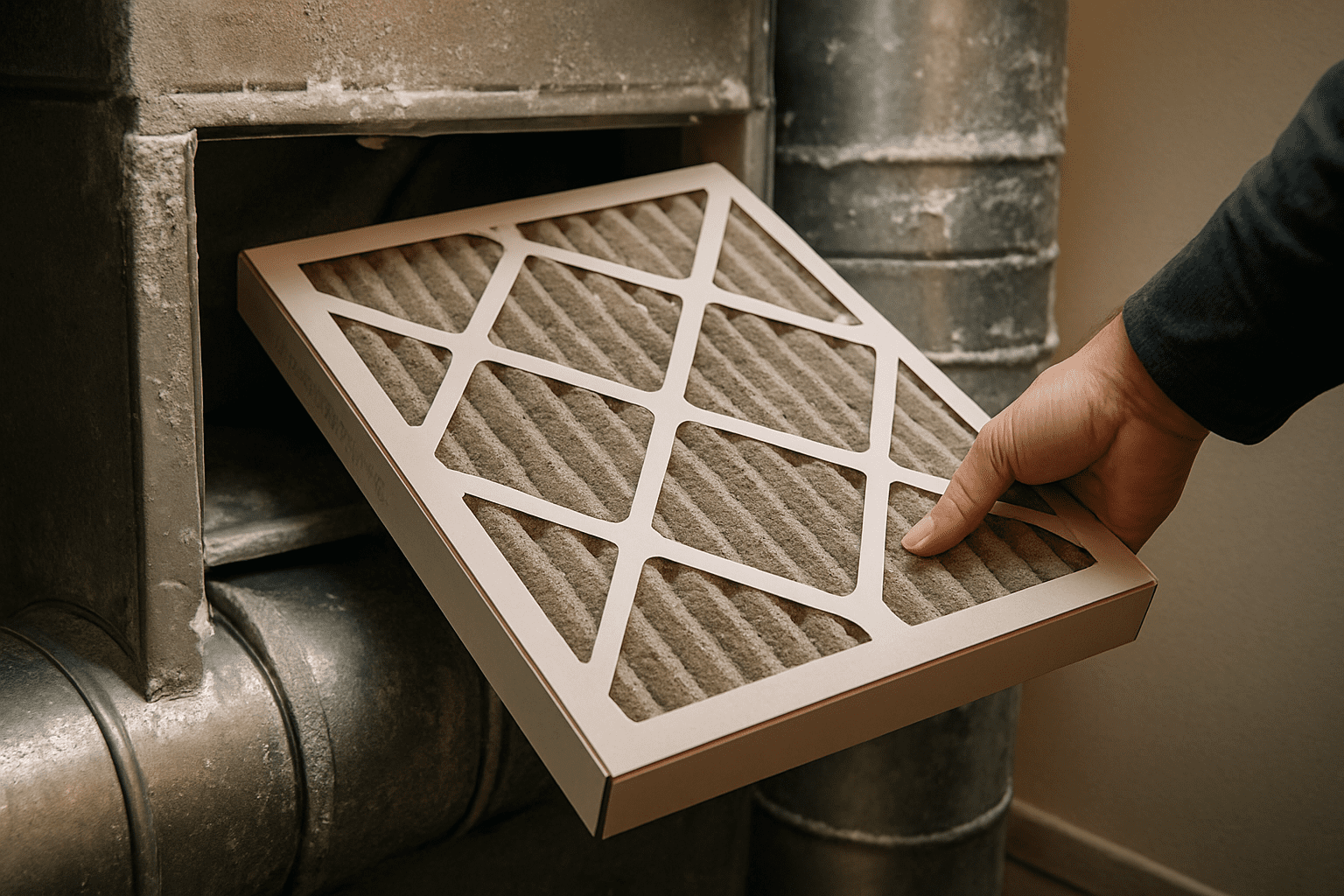
Proper Installation Techniques for Optimal Airflow
Getting your air filters for winter installed correctly makes the difference between clean air and wasted money. Start by turning off your HVAC system completely before handling any filters. Check the airflow direction arrow printed on your filter frame – this arrow must point toward the blower motor, not against it. Installing a filter backward reduces efficiency by up to 40% and puts unnecessary strain on your system.
Pay attention to filter fit. Your filter should slide snugly into place without forcing it. Gaps around the edges allow unfiltered air to bypass the system entirely. If you notice spaces, you’re either using the wrong size or your filter housing needs adjustment. Measure your filter compartment before purchasing replacements, as sizes can vary by half-inches.
Clean the filter housing before installing new filters. Dust buildup in the tracks prevents proper seating and creates air leaks. A quick vacuum or wipe-down takes minutes but significantly improves performance.
Strategic Placement for Whole-Home Coverage
Your main HVAC filter handles the bulk of air purification, but strategic placement of additional HEPA filters winter air units maximizes coverage throughout your home. Position portable air purifiers in bedrooms first – you spend roughly eight hours breathing this air nightly during winter months when windows stay closed.
Focus on high-traffic areas next. Living rooms, kitchens, and home offices benefit from dedicated units, especially if you have pets or cooking odors. Place units at least three feet from walls and furniture to ensure proper air circulation. Avoid corners where air tends to stagnate.
Consider your home’s natural airflow patterns. Cold air naturally sinks while warm air rises, so placing units strategically captures both air layers. Position purifiers away from heating vents to prevent interference with your HVAC system’s distribution.
Regular Monitoring and Maintenance Schedules
Winter demands more frequent filter monitoring than other seasons. Check your main HVAC filter monthly instead of the standard three-month recommendation. Cold weather means closed windows, increased system runtime, and higher particle loads from heating systems and fireplaces.
Create a visual inspection routine. Hold your filter up to a light source – if you can’t see light through it clearly, it’s time for replacement. Don’t wait until filters look completely black; this indicates you’ve already reduced your system’s efficiency.
Track your utility bills as an early warning system. A sudden spike often signals a clogged filter forcing your system to work harder. Most homeowners overlook this connection, but it’s one of the most reliable indicators of filter performance issues.
Set smartphone reminders for filter checks. Winter months fly by quickly, and forgetting filter maintenance leaves your family breathing compromised air during the season when indoor air quality matters most. For comprehensive winter HVAC care, check out this Fall HVAC Checklist to ensure your entire system runs efficiently.
Combining Multiple Filter Types for Enhanced Protection
Layering different air filter types comparison creates comprehensive protection against winter’s unique air quality challenges. Start with a high-MERV pleated filter in your HVAC system for general particle capture. These handle dust, pollen, and larger debris effectively while maintaining airflow.
Add activated carbon filters for odor control. Winter brings cooking smells, fireplace smoke, and reduced ventilation – carbon filters absorb these gaseous pollutants that standard filters miss. Position carbon units in kitchens and near fireplaces for maximum impact.
HEPA filters excel in bedrooms and nurseries where particle removal is critical. These capture 99.97% of particles 0.3 microns and larger, including allergens and fine dust that accumulate during winter’s closed-window months.
UV-C purifiers complement particle filters by targeting airborne microorganisms. Winter’s dry air and close quarters create ideal conditions for virus and bacteria transmission. UV units work silently alongside other filters without affecting airflow.
Time your filter combinations strategically. Run HEPA units during sleeping hours for clean bedroom air. Activate carbon filters during cooking or fireplace use. This targeted approach maximizes effectiveness while managing energy costs during winter’s peak usage months.
Monitor each filter type separately – they have different replacement schedules and indicators. This systematic approach to indoor air purification winter ensures consistent protection throughout the cold season when your family depends most on clean indoor air.
Cost-Effective Solutions for Different Home Sizes
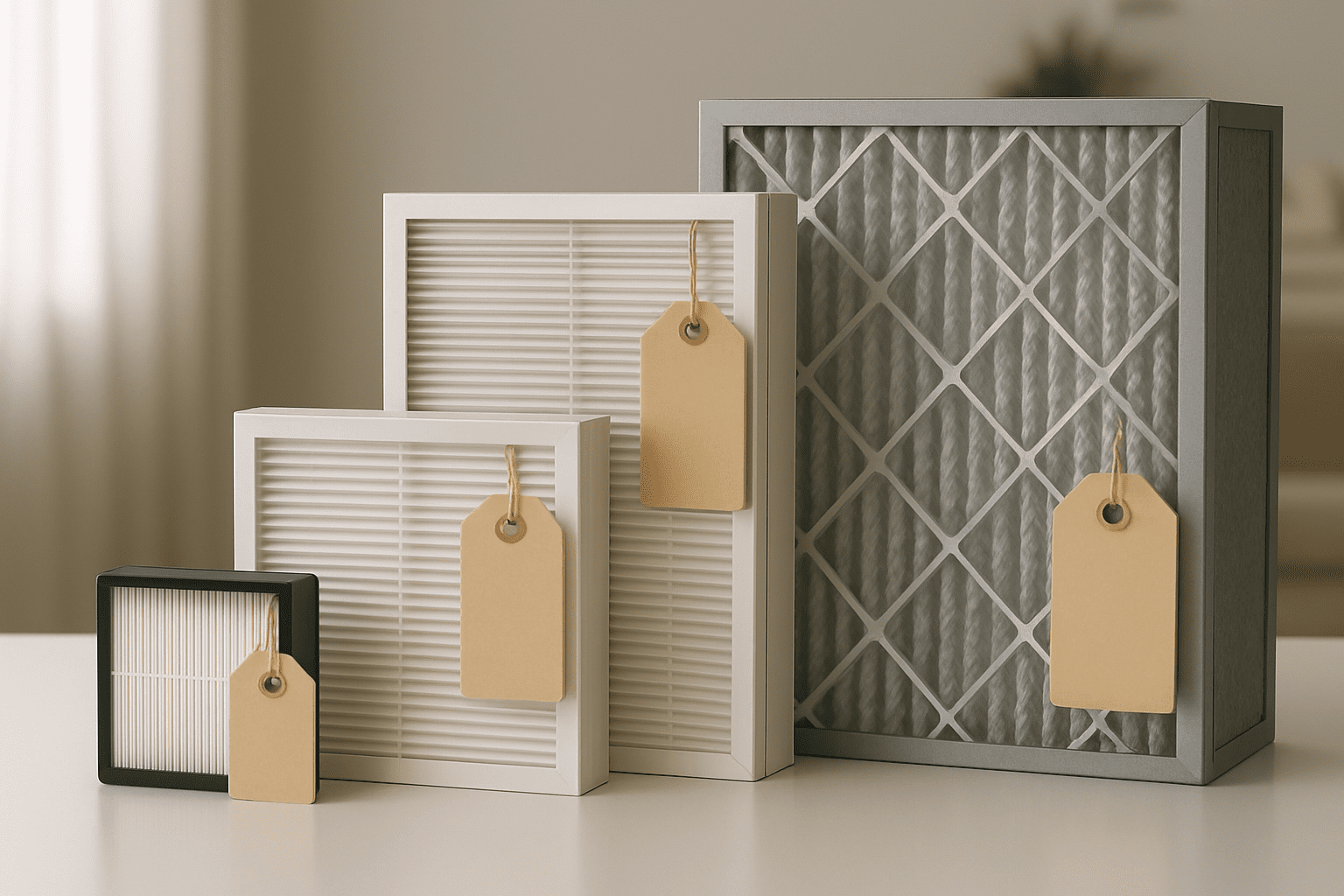
Budget-friendly options for small apartments
Living in a small space doesn’t mean you have to compromise on air quality during winter. Your apartment’s compact size actually works in your favor when selecting cost-effective air filters for winter protection. Basic pleated filters with MERV ratings between 8-11 deliver excellent performance without breaking your budget. These filters typically cost $15-30 each and effectively capture dust, pollen, and common household allergens that become more concentrated indoors during cold months.
Portable air purifiers offer another smart solution for apartment dwellers. You can find quality units with HEPA filters for $80-150 that cover spaces up to 300 square feet. Look for models with multiple fan speeds and timer functions to maximize energy efficiency. Since you’re likely renting, these portable options give you the flexibility to take your indoor air purification winter solution with you when you move.
Don’t overlook your HVAC system’s existing filter slot. Upgrading from basic fiberglass filters to pleated options can dramatically improve your indoor air quality for just a few extra dollars per month. Change filters every 60-90 days during winter when your heating system runs constantly.
Mid-range filters for average family homes
Your typical 1,500-2,500 square foot home requires more robust filtration to handle increased occupancy and activity levels. Mid-range HEPA filters for winter air cleaning provide the sweet spot between performance and affordability, typically ranging from $40-80 per filter depending on size and brand.
MERV 11-13 rated filters work exceptionally well for family homes, capturing 85-95% of particles down to 1 micron. These filters handle pet dander, cooking odors, and the inevitable dust that accumulates when everyone’s spending more time indoors. Expect to replace these filters every 45-60 days during peak winter months.
Consider investing in a whole-house air purification system if your family includes members with allergies or respiratory sensitivities. Systems ranging from $800-1,500 integrate directly with your existing HVAC setup and provide consistent air cleaning throughout your home. Many homeowners find these systems pay for themselves through reduced allergy medications and fewer sick days.
For homes with older HVAC systems, electrostatic filters offer a washable, reusable option that performs well over time. While the initial investment of $60-120 might seem steep, these filters last 3-5 years with proper maintenance, making them incredibly cost-effective for choosing air filters for your home.
Premium systems for large residences
Large homes over 3,000 square feet demand sophisticated home air filtration systems capable of handling multiple zones and varying air quality needs. Your investment in premium filtration pays dividends through improved health, reduced maintenance costs, and enhanced comfort throughout your expansive living space.
Whole-house HEPA systems represent the gold standard for large residences, with installations ranging from $2,500-5,000. These systems integrate seamlessly with your existing HVAC infrastructure and provide hospital-grade filtration that removes 99.97% of particles 0.3 microns and larger. The superior air filter performance in cold weather becomes especially valuable when your family gathers for extended periods during winter months.
UV-C light purification adds another layer of protection, eliminating bacteria, viruses, and mold spores that traditional filters might miss. Combined systems that incorporate both HEPA filtration and UV-C treatment cost $3,000-6,000 but provide comprehensive air treatment that’s particularly beneficial for indoor air quality solutions in larger spaces.
Smart air quality monitoring systems allow you to track particle levels, humidity, and volatile organic compounds throughout your home. These $200-500 additions to your premium setup provide real-time data that helps optimize your filtration system’s performance and alert you when filter changes are needed. The investment becomes worthwhile when you consider the long-term health benefits and energy savings from properly maintained air filtration systems.
Consider zoned filtration for homes with distinct wings or levels, allowing you to customize air treatment based on specific usage patterns and occupancy levels in different areas of your residence.
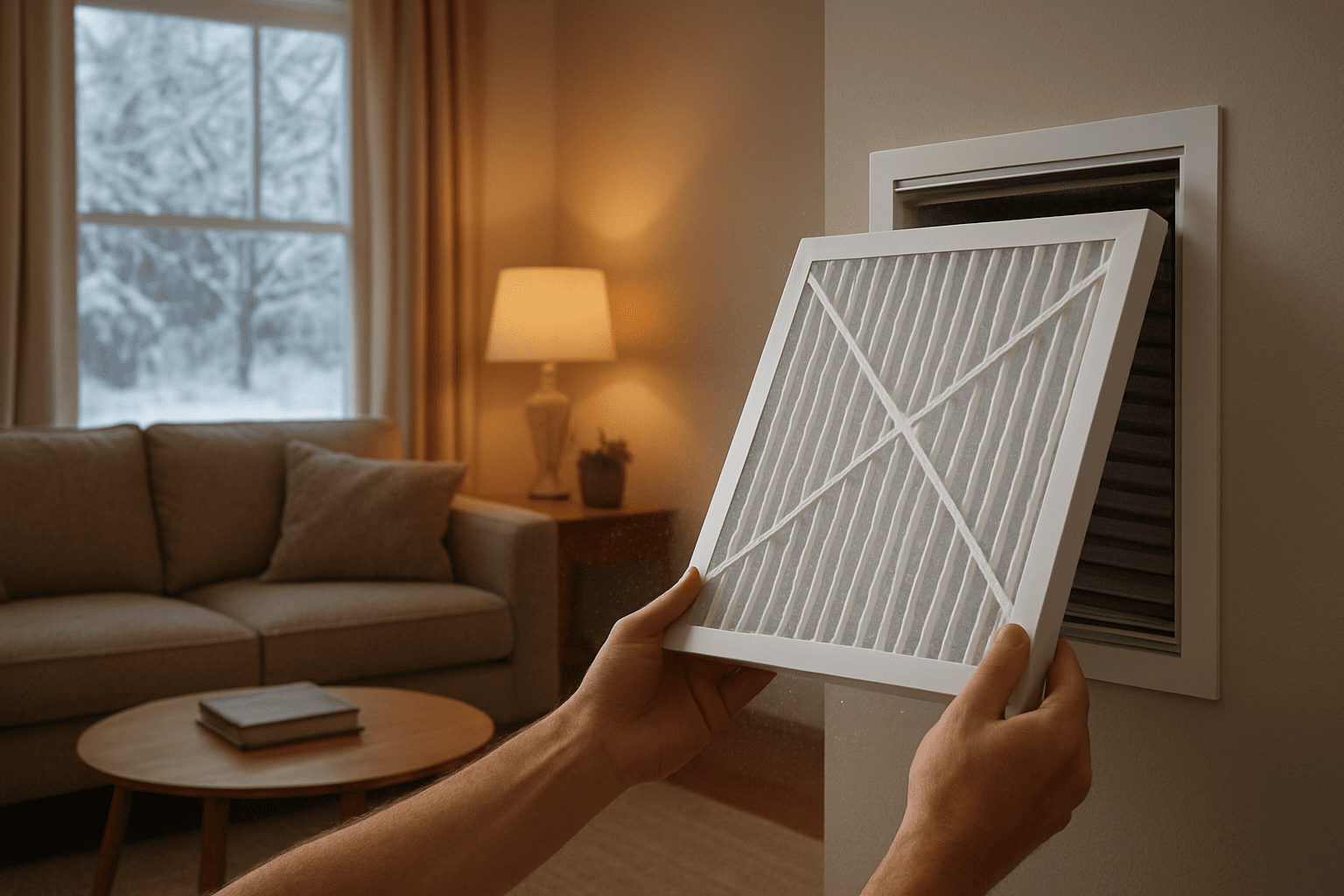
Winter brings unique challenges to your indoor air quality, from increased dust and allergens to poor ventilation from sealed windows and doors. You’ve learned about the different filter types that work best during colder months, from HEPA filters for maximum protection to pleated options that balance performance with affordability. The key features you should prioritize include proper MERV ratings, correct sizing, and materials designed to handle winter’s specific pollutants.
Getting the most from your air filters means staying on top of regular replacements and understanding how your heating system affects filter performance. You don’t need to break the bank to breathe cleaner air – there are cost-effective solutions for every home size and budget. Start by assessing your current air quality, choose filters that match your specific needs, and create a maintenance schedule that keeps your indoor air fresh all winter long. Your family’s health and comfort depend on the choices you make today.
Breathe easier this winter with the right air filters for your HVAC system. For recommendations, installation, or replacement, trust the experts at UGNasons. Visit ugnasons.com, call (401) 847-2497, or email [email protected] for cleaner, healthier indoor air all season.