

Heavy snow can knock out your heating system when you need it most, leaving you and your family in dangerous cold conditions. This comprehensive snowstorm heating prep guide is designed for homeowners who want to protect their heating systems and maintain warmth throughout severe winter weather.
You’ll learn how to conduct essential pre-storm heating system inspections that catch problems before they become emergencies. We’ll cover proven strategies for protecting heating during snowstorm conditions, including how to safeguard outdoor equipment and maintain proper airflow when snow piles up around your home. Finally, you’ll discover the key steps for post storm heating damage assessment to get your system running safely after the weather clears.
Don’t wait until the forecast shows heavy snow heading your way. Taking action now with proper winter heating system maintenance can mean the difference between staying cozy and facing a heating crisis when temperatures drop and repair crews are overwhelmed with emergency calls.
Essential Pre-Storm Heating System Inspections and Maintenance
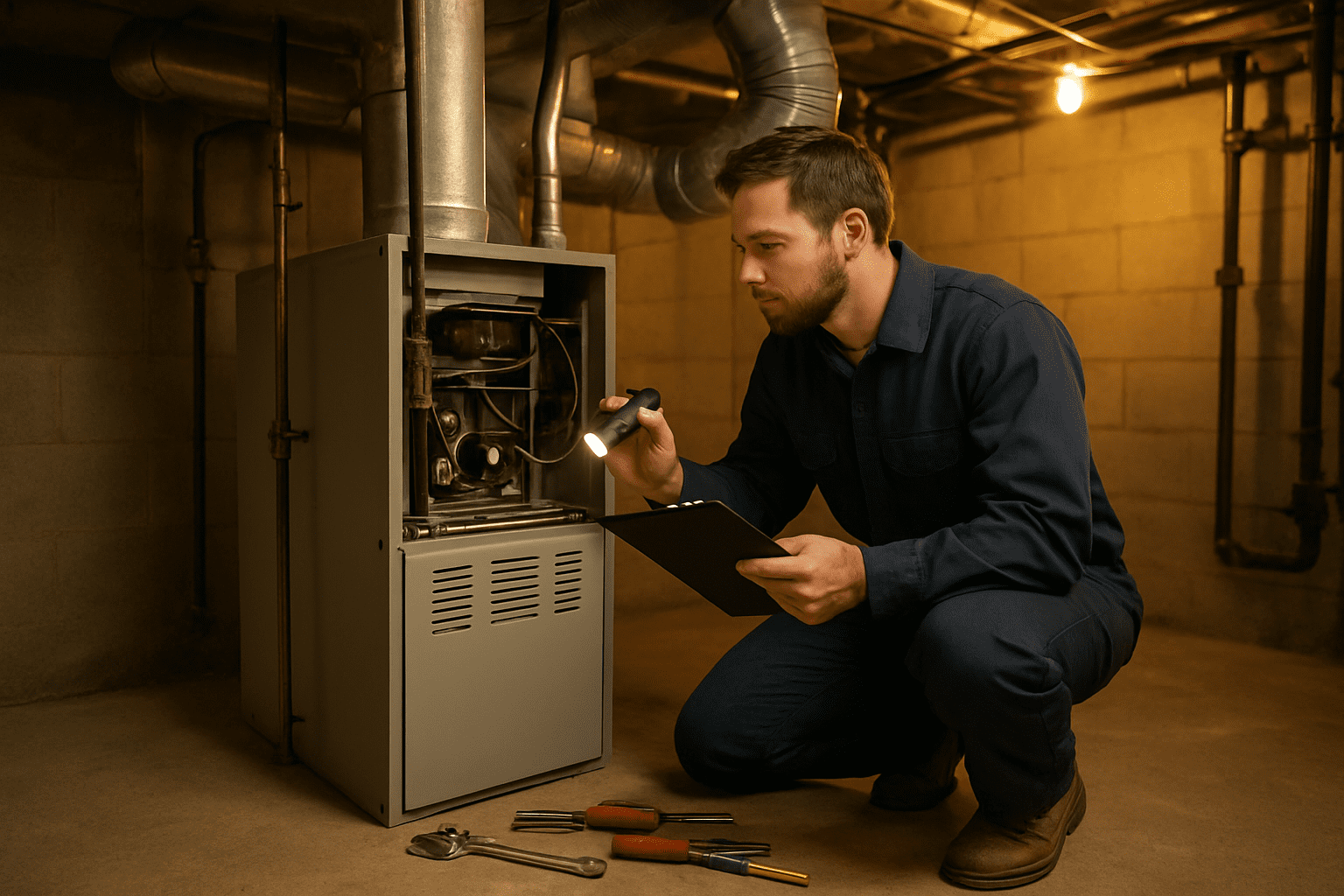
Check and Replace Furnace Filters for Optimal Airflow
Your furnace filter is your heating system’s first line of defense against dust, debris, and reduced efficiency. Before any snowstorm hits, pull out your current filter and examine it closely. If it’s gray, clogged, or hasn’t been changed in the last three months, replace it immediately. A dirty filter forces your system to work harder, which increases energy costs and reduces heating capacity when you need it most.
Choose high-quality filters with a MERV rating between 8-11 for optimal balance between air quality and airflow. Stock up on extra filters before storm season—you’ll want replacements ready if your system runs continuously during extended cold snaps. Clean filters improve indoor air quality and prevent your system from overworking during peak demand periods.
Test Thermostat Functionality and Calibrate Settings
Your thermostat controls your entire heating operation, so testing it thoroughly prevents mid-storm failures. Check that your thermostat responds accurately to temperature adjustments and verify that heating cycles start and stop properly. Replace batteries in programmable units, even if they seem fine—cold weather drains batteries faster.
Calibrate your settings by comparing the thermostat reading to an accurate thermometer placed nearby. If there’s more than a 2-degree difference, your thermostat may need professional recalibration. Program reasonable temperature schedules that account for potential power fluctuations during storms, and familiarize yourself with manual override functions.
Inspect Heating Vents and Clear Any Blockages
Walk through your home and inspect every heating vent and return air grille. Remove furniture, curtains, or stored items that block airflow—even partial obstructions reduce system efficiency significantly. Vacuum dust and debris from vent covers and check that dampers open and close properly.
Pay special attention to basement and crawl space vents where debris accumulates easily. Clear outdoor intake vents of leaves, snow buildup, and ice formations. Blocked vents force your system to work harder and create uneven heating throughout your home, leaving some rooms uncomfortably cold during storms.
Schedule Professional HVAC System Tune-Up
Professional maintenance catches problems before they become expensive emergency repairs during storms. A qualified technician will inspect your heat exchanger, test safety controls, clean burner assemblies, and verify proper ventilation. They’ll also check refrigerant levels in heat pumps and test backup heating elements.
Winter HVAC maintenance should include carbon monoxide testing, electrical connection inspection, and system performance evaluation. Schedule this service at least two weeks before predicted storms—HVAC companies get extremely busy once severe weather hits, and you don’t want to wait for emergency service calls during a snowstorm.
Securing Your Home’s Heat Sources Before the Storm Hits
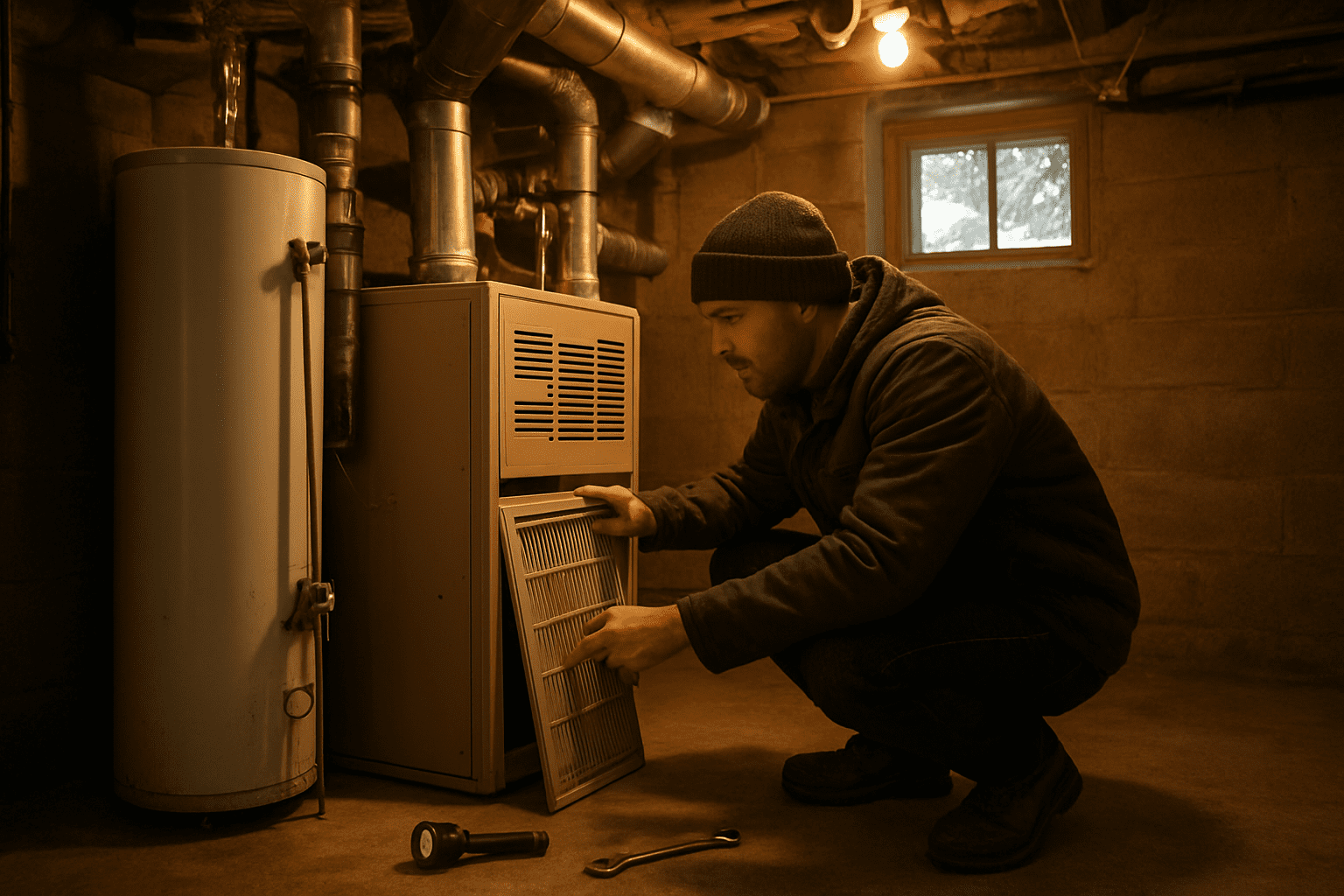
Stock up on backup heating fuel and supplies
Your primary heating system might fail during a storm, so having backup fuel and supplies ready can be the difference between staying warm and facing a dangerous cold emergency. Start by checking your fuel levels well before the storm arrives – propane tanks, oil reserves, and wood supplies should all be topped off.
For oil heating systems, keep your tank at least three-quarters full. Oil can gel in extremely cold temperatures, and having extra fuel means you won’t run out if the storm lasts longer than expected. Propane users should have spare tanks on hand, especially if you rely on propane for both heating and cooking.
If you have a wood-burning fireplace or stove, stock up on seasoned hardwood. Wet or green wood creates more smoke, burns inefficiently, and can cause dangerous creosote buildup. Store wood in a dry location away from your home’s exterior to prevent pest issues.
Keep essential supplies like flashlights, batteries, matches, and portable radios easily accessible. Consider investing in a battery-powered or hand-crank radio to stay informed about storm conditions and power outage updates. Having these items organized in one location saves precious time when the power goes out.
Install emergency heating equipment safely
Setting up emergency heating equipment before the storm gives you peace of mind and ensures everything works properly when you need it most. Portable space heaters can provide targeted warmth, but they require careful placement and constant attention to prevent fires.
Choose electric space heaters with automatic shut-off features and tip-over protection. Place them on flat, stable surfaces away from curtains, furniture, and foot traffic. Never use extension cords with space heaters – plug them directly into wall outlets. If you must use an extension cord, make sure it’s heavy-duty and rated for the heater’s wattage.
Emergency heating backup options can vary significantly based on your home’s layout and existing systems. Gas-powered generators offer excellent backup power but must be operated outdoors, at least 20 feet from windows, doors, and vents to prevent carbon monoxide poisoning.
Test all emergency heating equipment before the storm arrives. Run space heaters for 30 minutes to check for unusual smells or sounds. If you have a generator, start it up and verify it’s producing power correctly. Clean any dust or debris from equipment that’s been stored, and replace batteries in carbon monoxide detectors.
Insulate pipes to prevent freezing and bursting
Frozen pipes can burst and flood your home, creating expensive damage and cutting off your water supply when you need it most. Focus your pipe protection efforts on areas where freezing is most likely – basements, crawl spaces, attics, and exterior walls.
Wrap exposed pipes with foam insulation sleeves or heating tape designed specifically for plumbing. Pay special attention to pipes near exterior walls, in unheated garages, and around foundation areas where cold air can seep in. Don’t forget about outdoor spigots and hose connections – these freeze first and can cause problems throughout your plumbing system.
Open cabinet doors under sinks to allow warm air to circulate around pipes. This simple step can prevent freezing in kitchen and bathroom areas. For pipes in particularly vulnerable locations, consider leaving faucets dripping slightly during the storm. Moving water is much harder to freeze than standing water.
Check your home’s insulation around pipe areas. Gaps in insulation create cold spots where pipes are more likely to freeze. Use caulk or expanding foam to seal any air leaks around pipes where they enter your home through exterior walls. Weather stripping around basement windows and doors also helps maintain warmer temperatures in areas where pipes are located.
If you’re planning to be away during the storm, keep your thermostat set to at least 55 degrees Fahrenheit. This temperature keeps pipes warm enough to prevent freezing while conserving energy. Never turn off your heat completely, even if you’re trying to save money – the cost of frozen pipe repairs far exceeds any heating savings.
Smart Energy Conservation Strategies During Heavy Snowfall
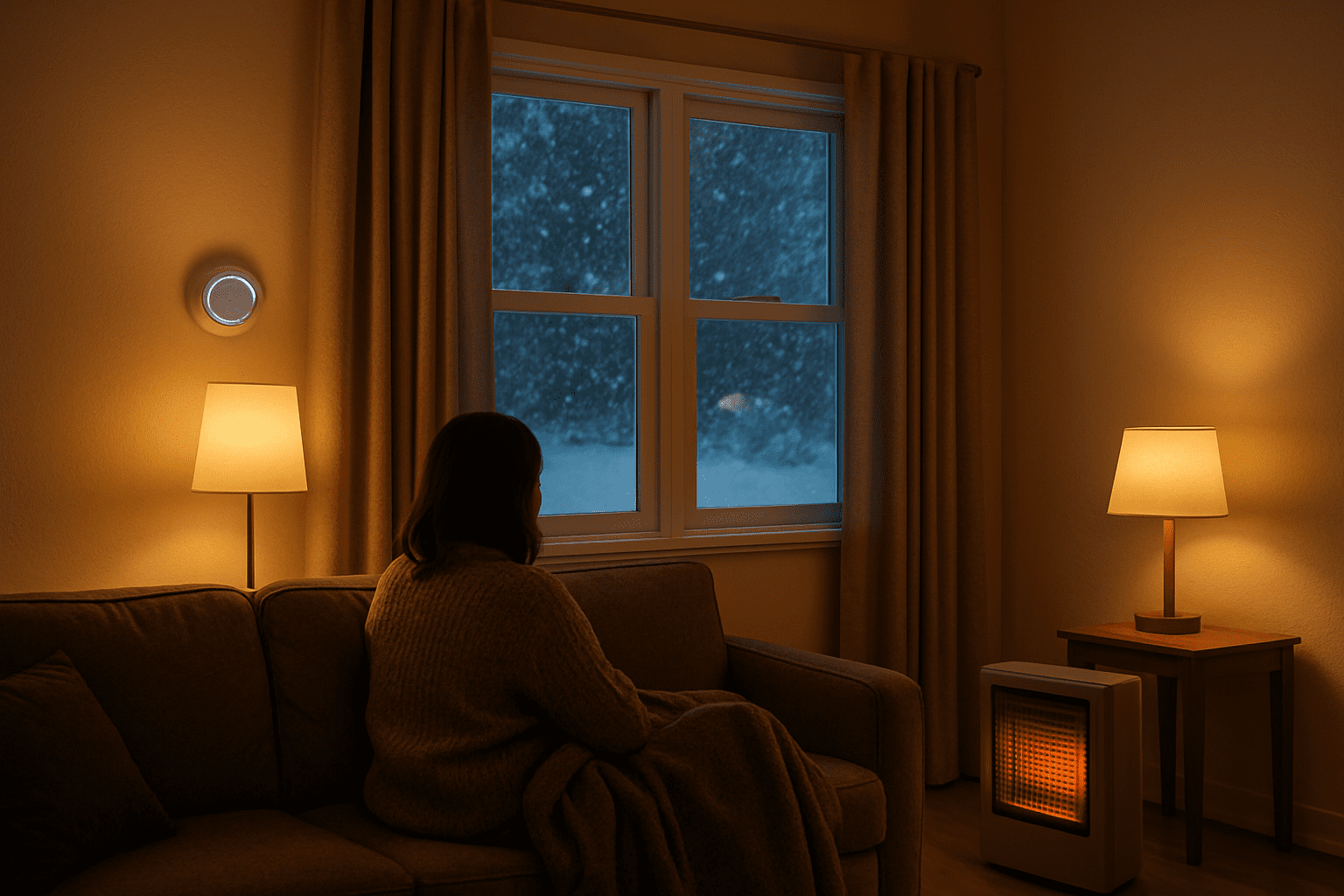
Optimize thermostat settings for efficiency and comfort
During heavy snowfall, your heating bill can skyrocket if you’re not strategic with your thermostat settings. Set your thermostat to 68°F during the day when you’re home and awake, then drop it to 60-65°F at night or when you’re away. This simple adjustment can reduce your energy consumption by up to 10% for every degree you lower the temperature.
Avoid the common mistake of cranking up the heat when you feel cold—your system won’t warm the house faster, but it will waste energy. Instead, program your thermostat to start heating 30 minutes before you wake up or return home. If you have a smart thermostat, take advantage of its learning features to automatically adjust based on your schedule and the outdoor temperature patterns during the storm.
Seal air leaks around windows and doors
Cold air infiltration becomes your worst enemy during energy conservation during snowfall. Walk around your home with an incense stick or candle—wherever the smoke wavers, you’ve found an air leak that’s stealing your heat and money. Focus on windows, doors, electrical outlets, and anywhere pipes or cables enter your walls.
Use weatherstripping around doors and movable window parts, and apply caulk to seal stationary cracks. For quick temporary fixes during an active storm, use plastic sheeting, draft stoppers, or even rolled towels at the base of doors. Don’t forget about your attic hatch, basement doors, and the space around your fireplace damper—these spots often get overlooked but can account for significant heat loss.
Use zone heating to maximize warmth in occupied areas
Rather than heating your entire house to the same temperature, create warm zones where you spend most of your time. Close vents and doors to unused rooms, and use space heaters strategically in your primary living areas. This approach can cut your heating costs by 20-40% during extended storms.
Electric space heaters work well for small rooms, but make sure they’re properly rated and have safety features like tip-over protection. If you have a fireplace, use it to supplement your main heating system, but remember to close the damper when not in use. For homes with multiple heating zones, adjust each zone based on actual occupancy rather than maintaining uniform temperatures throughout.
Layer insulation and thermal curtains
Your windows can lose up to 30% of your home’s heat, making thermal window treatments essential during snowstorms. Heavy curtains, cellular shades, or insulated panels create an extra barrier against heat loss. Close them at sunset and open them during sunny periods to capture solar heat gain.
Add extra blankets to beds and keep throws handy in living areas. Wear layers indoors—adding a sweater allows you to lower your thermostat by 2-3 degrees without sacrificing comfort. Consider placing rugs on hard floors, especially over basements or crawl spaces, as they provide additional insulation between your feet and cold surfaces.
Monitor heating system performance for early problem detection
Keep a close eye on your heating system’s performance throughout the storm. Check that all vents are blowing warm air consistently and listen for unusual sounds like grinding, banging, or continuous cycling. If you notice weak airflow, check and replace your air filter—snow and wind can cause filters to clog faster than normal.
Watch your energy usage patterns and indoor temperature consistency. If rooms aren’t reaching set temperatures or your system runs constantly without maintaining comfort, you may have developing issues that need immediate attention. Maximizing heat pump efficiency becomes especially critical during extreme weather when your system works hardest. Document any performance changes so you can report them accurately if you need professional help after the storm passes.
Protecting Your Heating System During Active Snowstorms

Keep Outdoor Vents and Exhaust Systems Clear of Snow
Heavy snowfall can quickly block your heating system’s outdoor vents, creating dangerous situations and forcing your equipment to work harder than necessary. Your furnace exhaust vents, air intake vents, and any outdoor HVAC components need constant attention during active storms.
Check these areas every few hours during heavy snowfall. Snow accumulation around vents can cause carbon monoxide to back up into your home or prevent proper air circulation. Use a shovel or broom to carefully clear snow from around all exterior vents, maintaining at least three feet of clearance on all sides.
Pay special attention to side-wall vents that are closer to ground level, as these fill up fastest. If you have a heat pump, keep the outdoor unit completely free of snow and ice buildup. Even a few inches can reduce efficiency and potentially damage the equipment.
Don’t forget about your water heater vents if they’re located outside. These often get overlooked but are just as critical for safe operation. When clearing snow, be gentle around vent caps and terminations to avoid damaging these components.
Maintain Consistent Indoor Temperatures to Prevent System Strain
Temperature fluctuations during snowstorms put unnecessary stress on your heating system, leading to higher energy costs and potential breakdowns. Set your thermostat to a consistent temperature and resist the urge to constantly adjust it, even if the house feels cold temporarily.
Avoid dramatic temperature swings by keeping your thermostat within 2-3 degrees of your normal setting. When you crank up the heat significantly, your system works overtime trying to reach that higher temperature quickly, often cycling on and off repeatedly.
If certain rooms feel colder than others, focus on improving heat distribution rather than raising the overall temperature. Open interior doors to allow warm air to circulate, and close curtains or blinds to reduce heat loss through windows. You can also use ceiling fans on low speed to help move warm air around.
Emergency heating backup options become crucial if your primary system struggles to keep up. Having a backup plan ready prevents you from overworking your main heating system during extreme weather.
Monitor for Warning Signs of Heating System Failure
Your heating system will give you warning signs before it fails completely, but these signals become harder to notice during the chaos of a major snowstorm. Stay alert for unusual sounds, smells, or performance changes that could indicate trouble brewing.
Listen for grinding, banging, or squealing noises coming from your furnace or heat pump. These sounds often mean moving parts are wearing out or something is blocking normal operation. Strange odors, especially burning smells or gas odors, require immediate attention and may mean you need to shut off the system entirely.
Watch your energy usage patterns too. If your heating bills spike dramatically or your system runs constantly without maintaining temperature, something’s wrong. Cold spots in your home, frequent cycling on and off, or visible ice buildup on outdoor equipment all signal potential problems.
Keep a flashlight handy for checking your system during power outages or late-night inspections. Document any issues you notice with photos or notes, as this information helps repair technicians diagnose problems more quickly once the storm passes.
Check your carbon monoxide detectors regularly during storms, as blocked vents or damaged equipment can create dangerous situations. If these alarms sound, evacuate immediately and call for professional help.
Post-Storm Heating System Recovery and Damage Assessment

Inspect Heating Equipment for Snow and Ice Damage
After the storm passes, your first priority should be checking your heating equipment for any snow or ice accumulation that could compromise its operation. Start by examining your outdoor HVAC unit, looking for ice buildup on coils, fins, or the condenser fan. Heavy snow can block air intake vents and exhaust pipes, creating dangerous conditions or preventing your system from operating efficiently.
Check your roof area around chimneys, vents, and exhaust pipes. Snow and ice can block these critical pathways, leading to carbon monoxide buildup or system malfunctions. Remove any snow carefully using a soft brush or broom—never use sharp tools that could damage equipment surfaces.
Pay special attention to your heat pump’s defrost cycle if you have one. Ice accumulation on outdoor units is normal during winter operation, but excessive buildup after a storm may indicate damage to the defrost system. Look for bent fins, damaged fan blades, or loose connections that may have occurred during high winds accompanying the snowstorm.
Restart Heating Systems Safely After Power Outages
Power outages during snowstorms can shut down your heating system abruptly, requiring careful restart procedures to avoid damage. Before attempting to restart any equipment, wait at least 30 minutes after power restoration to allow electrical components to stabilize and reset.
Check your circuit breakers and ensure all heating system switches are in the “on” position. For gas furnaces, verify that the pilot light is lit or that electronic ignition systems are functioning properly. If you smell gas during this process, leave your home immediately and contact your gas company.
Start with your thermostat settings—set them to a reasonable temperature rather than cranking the heat up immediately. This prevents your system from working too hard as it comes back online. Monitor your system’s operation for the first few hours, listening for unusual noises or observing any irregular cycling patterns that might indicate storm-related damage.
Address Frozen Pipes and Restore Water Circulation
Frozen pipes pose a serious threat to your heating system, especially if you have a boiler or hydronic heating setup. Begin by locating your main water shutoff valve in case you discover burst pipes during your inspection. Check exposed pipes in basements, crawl spaces, and along exterior walls where freezing is most likely to occur.
For steam and hot water heating systems, inspect the water level in your boiler. Low water levels could indicate leaks caused by frozen and burst pipes. Never attempt to restart a boiler with insufficient water levels, as this can cause severe damage to the heat exchanger.
If you find frozen pipes, apply gentle heat using a hair dryer, heating pad, or warm towels. Work from the faucet end toward the blockage, and keep the faucet open to allow melted ice to escape. Never use open flames or high-heat sources like torches, which can damage pipes or create fire hazards.
For complex hydronic systems, consider consulting Winter Storm HVAC Protection professionals who understand the intricacies of restoring circulation after freezing events.
Document Storm-Related Heating System Damage for Insurance Claims
Proper documentation of post storm heating damage assessment is crucial for successful insurance claims. Start by taking detailed photographs of all visible damage before making any repairs or cleanup efforts. Capture wide shots showing the overall condition and close-ups highlighting specific damage points.
Create a written inventory of all affected components, including:
- Model numbers and ages of damaged equipment
- Description of damage (ice damage, electrical issues, physical damage)
- Date and time when damage was discovered
- Any emergency repairs needed for safety
Keep all receipts for temporary heating solutions, emergency repairs, or professional inspections you arrange immediately after the storm. Contact your insurance company as soon as possible to report the claim and understand their requirements for professional assessments.
Take notes about how the damage occurred and any contributing factors like ice dams, falling branches, or flooding. This information helps insurance adjusters understand the scope of storm-related versus pre-existing issues. Professional HVAC inspections may be required for significant damage claims, so be prepared to schedule these quickly while maintaining detailed records of all communications and documentation.
Your heating system is your lifeline during a snowstorm, and taking the right steps before, during, and after heavy snow can mean the difference between staying warm and facing a freezing emergency. By inspecting your system ahead of time, securing heat sources, and conserving energy smartly during the storm, you’ll keep your home comfortable even when the weather turns brutal. Don’t forget to protect your equipment while snow is actively falling and clear away any debris or blockages as soon as it’s safe to do so.
Once the storm passes, take time to assess your heating system for any damage and address issues quickly before they become bigger problems. Your future self will thank you for being proactive – there’s nothing worse than discovering your heat isn’t working properly when the next cold snap hits. Start preparing now, and you’ll have peace of mind knowing your home will stay warm no matter what winter throws your way.
Be ready for whatever winter throws your way! For personalized snowstorm prep or post-storm heating help, reach out to UGNasons. Visit ugnasons.com, call (401) 847-2497, or email [email protected] to keep your home safe, warm, and comfortable all winter long.