
Spring brings warmer weather and the perfect opportunity to properly shut down your hydronic heating system for the season. If you’re a homeowner with radiant floor heating or a property manager overseeing multiple boiler systems, following the right spring maintenance routine protects your investment and keeps everything running smoothly when cold weather returns.
Your hydronic heating system works hard all winter long, circulating heated water through pipes, radiators, or radiant floor loops to keep your space comfortable. Proper spring maintenance can help identify wear, leaks, corrosion, and other issues before the next heating season. Addressing problems during the warmer months also gives you time to schedule service before you need your heating system again.
We’ll walk through spring shutdown considerations, homeowner-friendly cleaning tasks, warning signs to watch for, and maintenance items that may require professional attention. You’ll also learn how proper documentation and seasonal planning can help prepare your hydronic heating system for the next heating season.
Proper System Shutdown Procedures for Maximum Equipment Protection
Boiler Shutdown Considerations for Spring
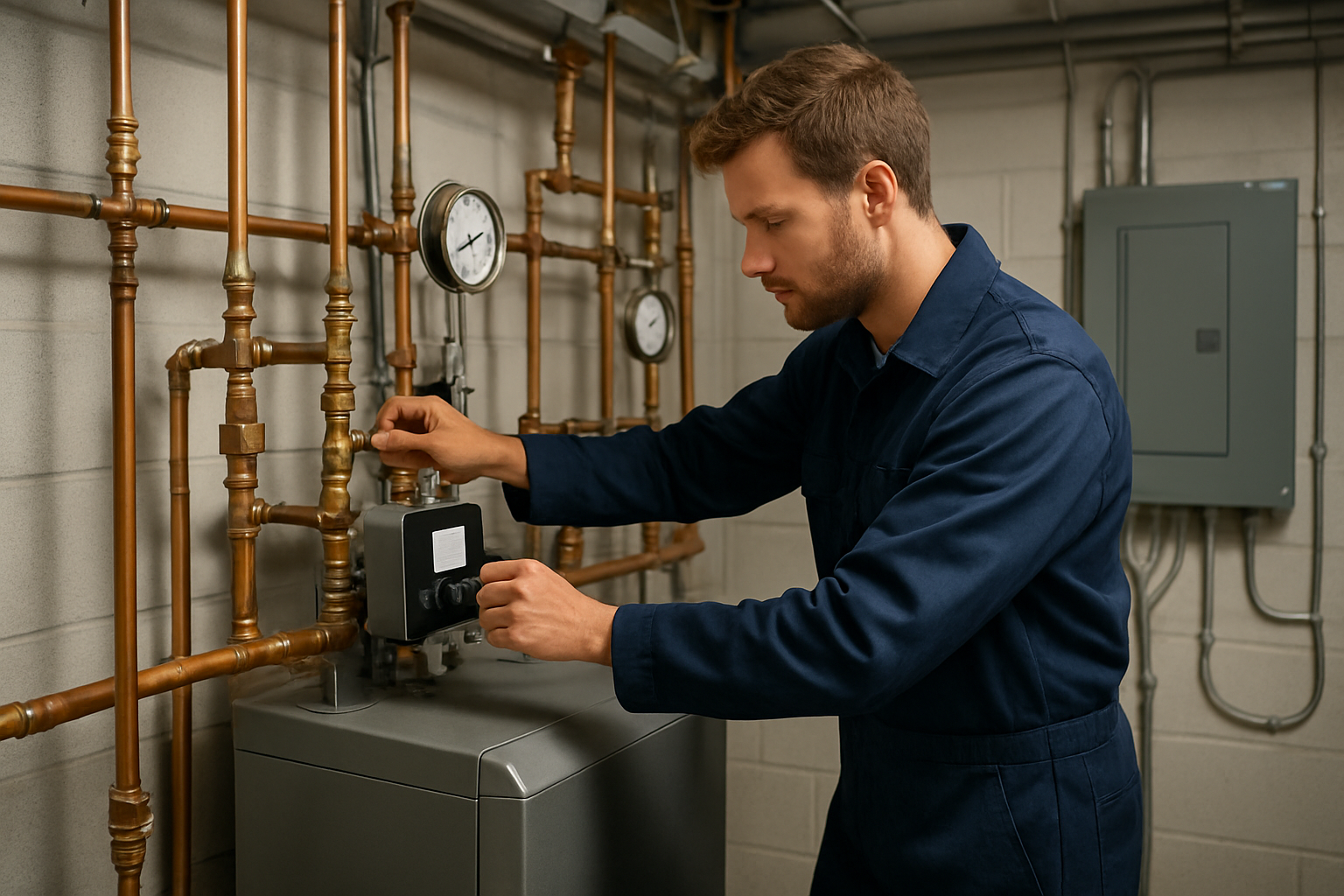
The right shutdown procedure depends on your hydronic system and how it is designed to operate during the warmer months. Some systems may remain filled and pressurized, while others require specific seasonal steps. Review the manufacturer’s instructions for your boiler and controls before making changes. Avoid draining the system or adjusting fuel, electrical, or pressure components unless those steps are specifically recommended for your equipment. If you’re unsure how your system should be left for the season, have an HVAC professional confirm the proper shutdown procedure.
Pressure Relief and Drainage Considerations
Visually inspect the boiler and accessible piping for signs of leaking, corrosion, or mineral buildup. Pressure-relief components and system drainage should be handled according to the equipment manufacturer’s instructions. If you notice unusual pressure readings, leaking around a relief valve, or other concerns, have the system evaluated by a qualified HVAC professional rather than attempting to drain or adjust it yourself.
Circulator Pump Inspection Considerations
Circulator pumps move heated water through the system and should be checked for signs of wear before the next heating season. Look for visible leaks, corrosion, or other damage around accessible pump connections. If you noticed unusual noises, poor circulation, or uneven heating during the winter, mention those symptoms when scheduling professional maintenance. Follow the equipment manufacturer’s recommendations for any off-season pump maintenance.
Zone Valve Inspection Considerations
Zone valves control water flow to different heating areas and can develop problems that affect comfort from one zone to another. If a zone was slow to respond, failed to heat, or behaved inconsistently during the winter, note the issue for your technician. Off-season valve positioning and service requirements vary by system, so follow the manufacturer’s recommendations rather than manually changing valve positions or electrical connections.
Essential Spring Cleaning Tasks for Optimal System Performance
Boiler Combustion Chamber Inspection and Cleaning
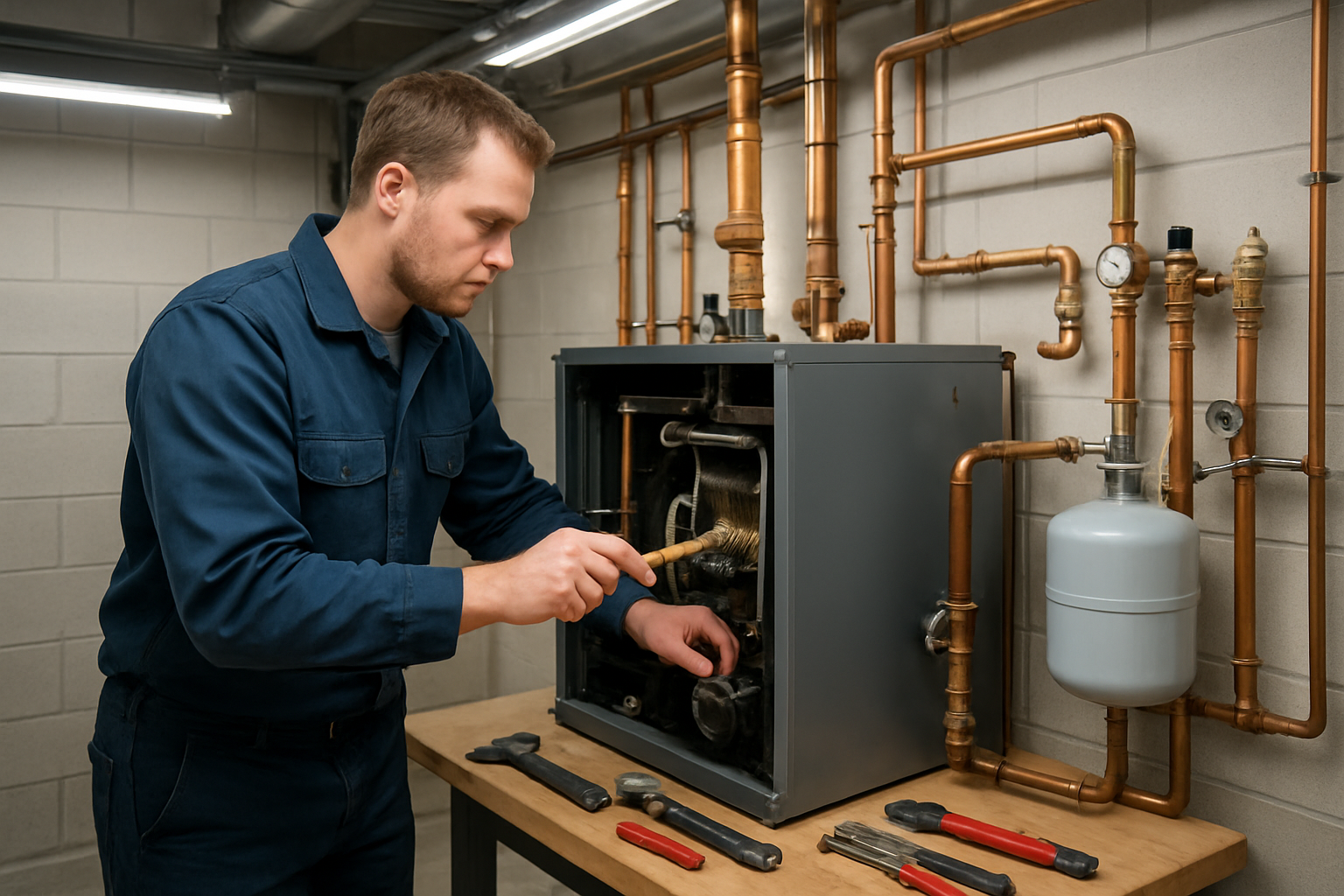
The boiler’s combustion chamber, burner, venting, and related components should be inspected as part of professional maintenance. A technician can check for soot, corrosion, combustion problems, venting concerns, and other conditions that may affect safe and reliable operation. If you notice unusual odors, visible soot, or signs of damage around the boiler, schedule service rather than opening or cleaning combustion components yourself.
Heat Exchanger Maintenance for Improved Efficiency
A professional hydronic heating inspection can include checking the heat exchanger for corrosion, buildup, leakage, or other signs of deterioration. Cleaning methods vary by equipment, so heat exchanger service should follow the boiler manufacturer’s procedures. Identifying problems during spring maintenance provides time to address them before the next heating season.
Expansion Tank Assessment and Air Removal
The expansion tank helps accommodate changes in system pressure as water heats and cools. During a visual inspection, look for corrosion, leaking, or obvious physical damage around the tank and its connections. Pressure testing, adjustment, and system air removal should follow the requirements of your specific equipment. If you experienced pressure fluctuations, recurring air in the system, or unusual piping noises, have a technician evaluate the cause.
Radiator and Baseboard Cleaning Procedures
Your radiators and baseboards can collect dust, pet hair, and debris throughout the heating season, which can interfere with airflow and heat distribution. Begin by vacuuming all accessible surfaces using a brush attachment, paying special attention to the fins and spaces between radiator sections where debris commonly accumulates.
If your radiator or baseboard covers are designed for routine removal, follow the manufacturer’s instructions to access areas where dust can collect. Use a vacuum or soft brush to remove accessible debris without bending fins or disturbing piping and other components.
Wipe down all visible surfaces with a damp cloth to remove any remaining dust and grime. For painted radiators, use a mild detergent solution and avoid abrasive cleaners that could damage the finish. Check for signs of rust, corrosion, or leaking while cleaning and note anything that may need professional attention.
Inspect each radiator or baseboard unit for proper mounting and support. Look for loose brackets, sagging sections, or damaged mounting hardware that could cause problems when thermal expansion occurs during the next heating season.
Clean the surrounding floor areas and remove any furniture or storage items that might have been placed too close to heating units during the off-season. Keeping furniture and other items away from radiators and baseboards helps avoid obstructing heat distribution when the system is running.
Critical Component Inspections That Prevent Costly Breakdowns
Pressure Gauge Inspection Considerations
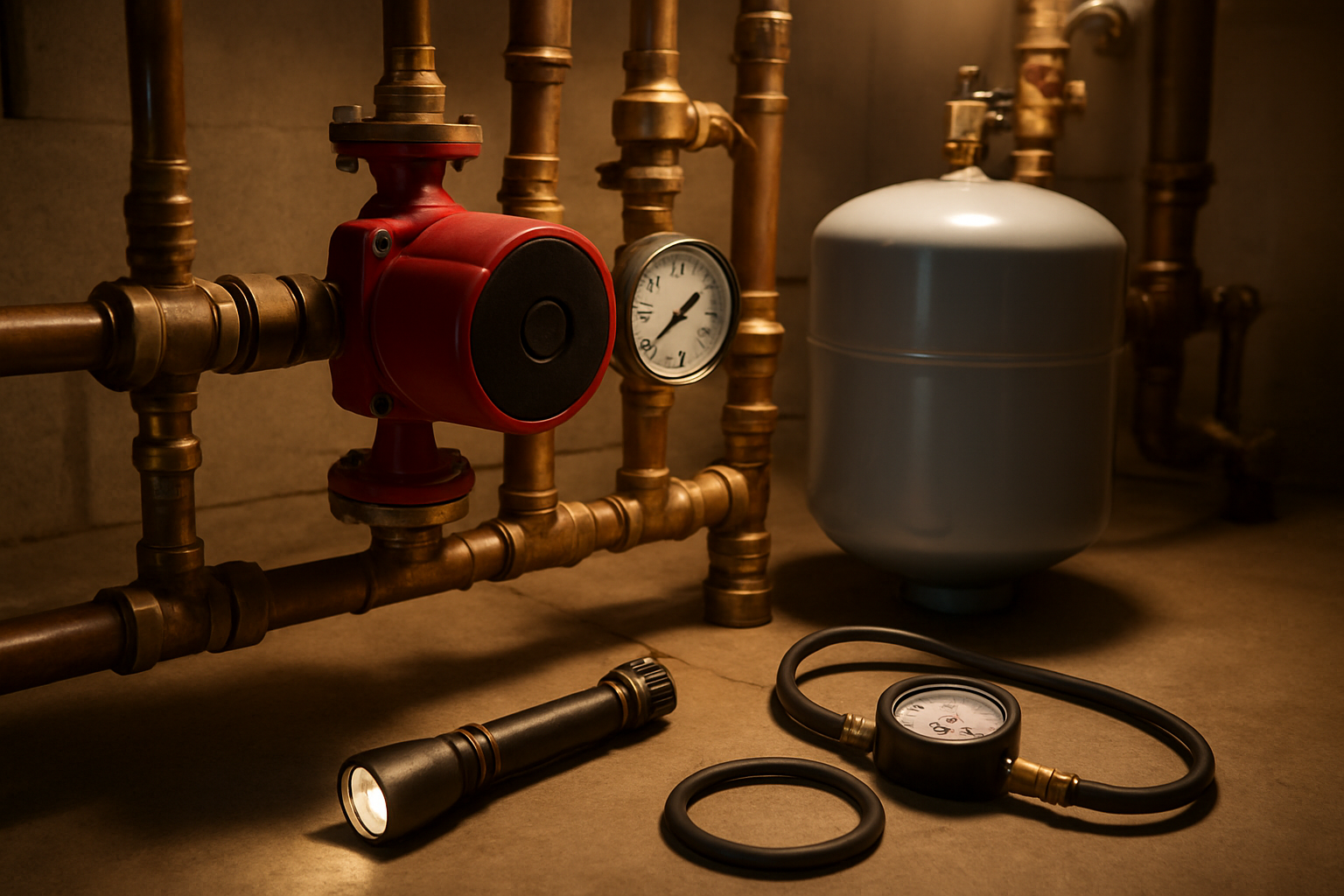
Check the boiler’s pressure gauge for obvious physical damage, moisture, or readings that appear unusual compared with normal system operation. Appropriate pressure varies with system design and equipment specifications. If the gauge appears damaged or system pressure seems abnormal, have a technician verify the gauge and determine whether further service is needed.
Safety Valve Inspection Considerations
Safety and pressure-relief components are important system protections and should be evaluated according to the boiler manufacturer’s requirements. Visually check for leaking, corrosion, mineral buildup, or damage around accessible valves and discharge piping. If a safety valve is leaking or appears damaged, have it inspected by a qualified professional rather than attempting to adjust or repair it yourself.
Thermostat Checks Before the Next Heating Season
Before the next heating season, check that your thermostat displays normally, replace batteries if applicable, and review programmed schedules or settings. If room temperatures consistently differed from the thermostat setting or certain zones did not respond properly, those symptoms may point to a thermostat, control, or system issue worth having inspected.
Water Quality Management for Extended System Lifespan
Chemical Treatment Evaluation and Adjustment
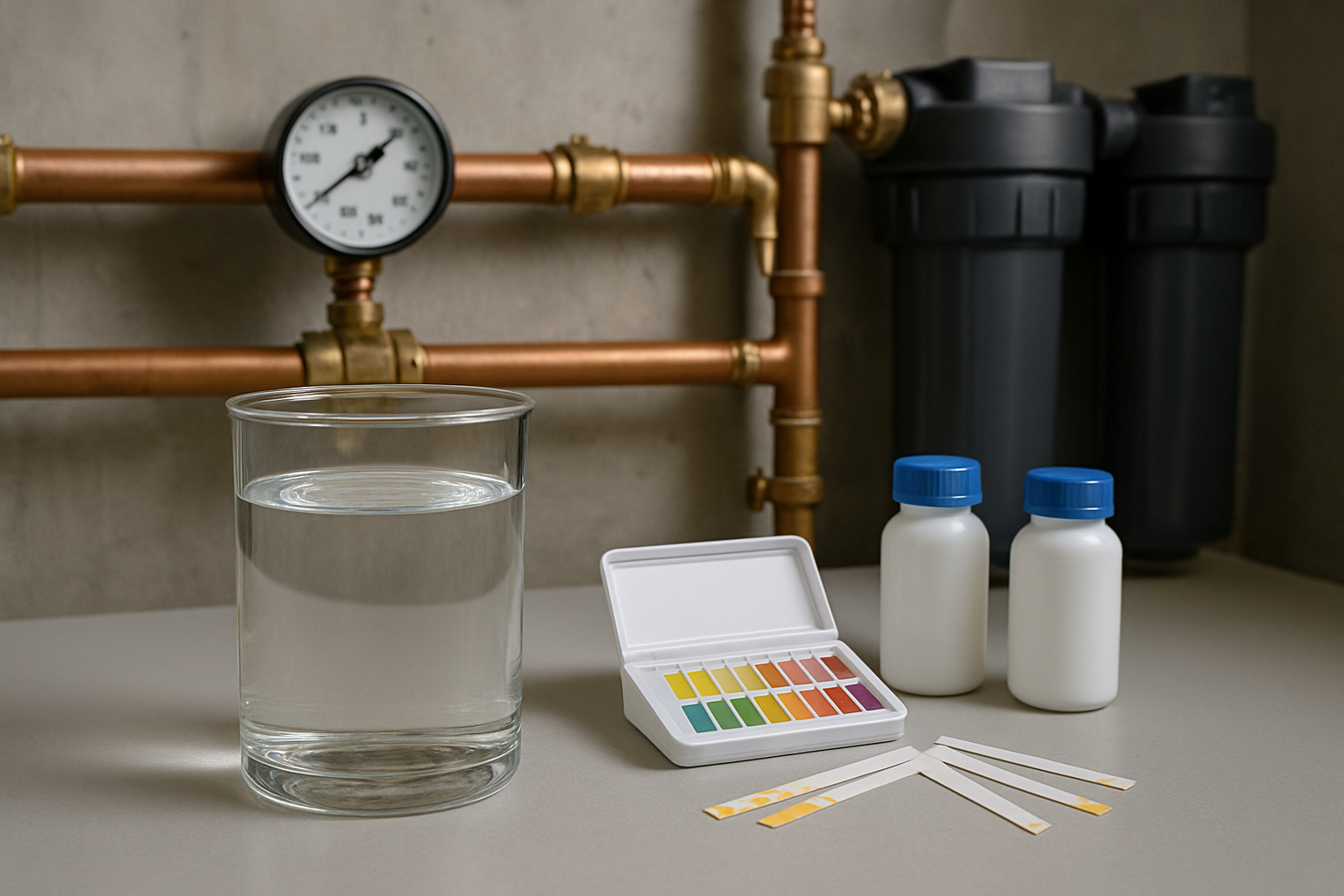
Some hydronic systems use glycol or other water-treatment products for freeze and corrosion protection. The appropriate fluid type, condition, and concentration depend on the system and manufacturer requirements. A qualified technician can test the fluid and determine whether treatment, adjustment, flushing, or replacement is appropriate.
System Flushing Procedures for Debris Removal
Hydronic systems do not necessarily require the same flushing schedule or procedure. If water quality, sediment, corrosion, or circulation problems indicate that flushing may be needed, have the system evaluated and follow the equipment and water-treatment manufacturer’s recommendations. Avoid draining or chemically flushing the system simply as a routine annual step unless your system specifically calls for it.
Professional Maintenance Schedule Planning for Year-Round Reliability
Annual Service Checklist Creation and Implementation
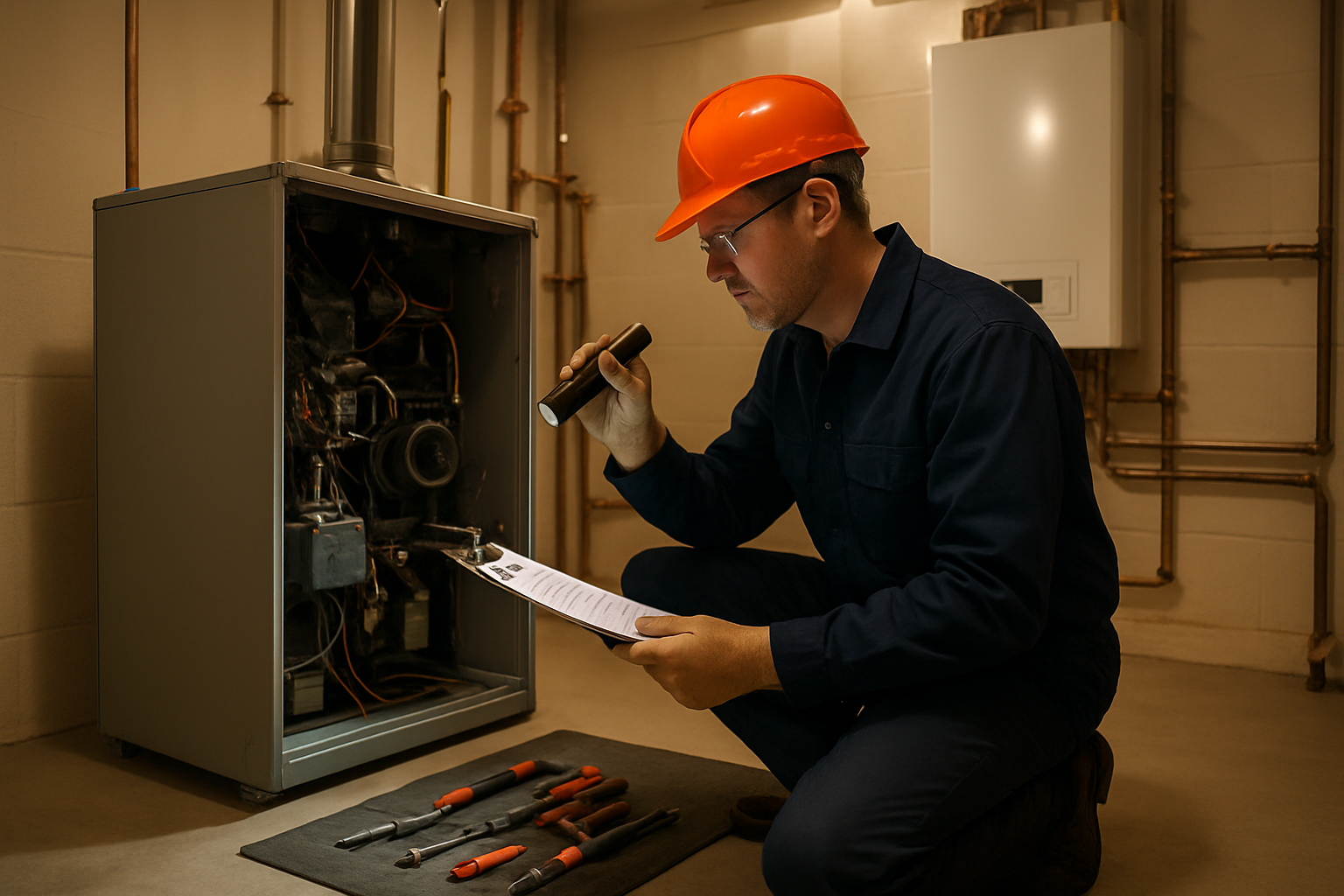
A useful annual maintenance record can include the boiler, circulator pumps, expansion tank, zone controls, thermostats, and accessible piping, along with any problems you noticed during the heating season. Keep manufacturer documentation and professional service records together so maintenance can follow the requirements of your specific equipment.
Seasonal Maintenance Timing Optimization
Spring and early fall are practical times to address hydronic heating maintenance because the system is under less demand. Spring gives you time to investigate problems noticed during winter, while an early-fall check can help confirm the system is ready before heating season begins. Follow manufacturer-recommended service intervals rather than relying on a single maintenance schedule for every hydronic system.
Emergency Preparedness and Backup System Checks
Keep your HVAC provider’s contact information and your equipment documentation accessible in case the system fails during cold weather. Make sure household members know where the heating system is located and how to recognize warning signs such as leaking, unusual odors, abnormal noises, or a loss of heat. Equipment-specific emergency shutdown procedures should follow the manufacturer’s instructions.
Documentation and Record-Keeping Best Practices
Maintain basic records of professional maintenance, repairs, and any performance issues you notice during the heating season. Service reports can help you and your HVAC technician track recurring problems and understand the system’s maintenance history.
Keep equipment model information, installation dates, warranty documents, and professional service history together for easy reference. Photos of the equipment and system layout can also be useful when discussing a problem with your HVAC technician.
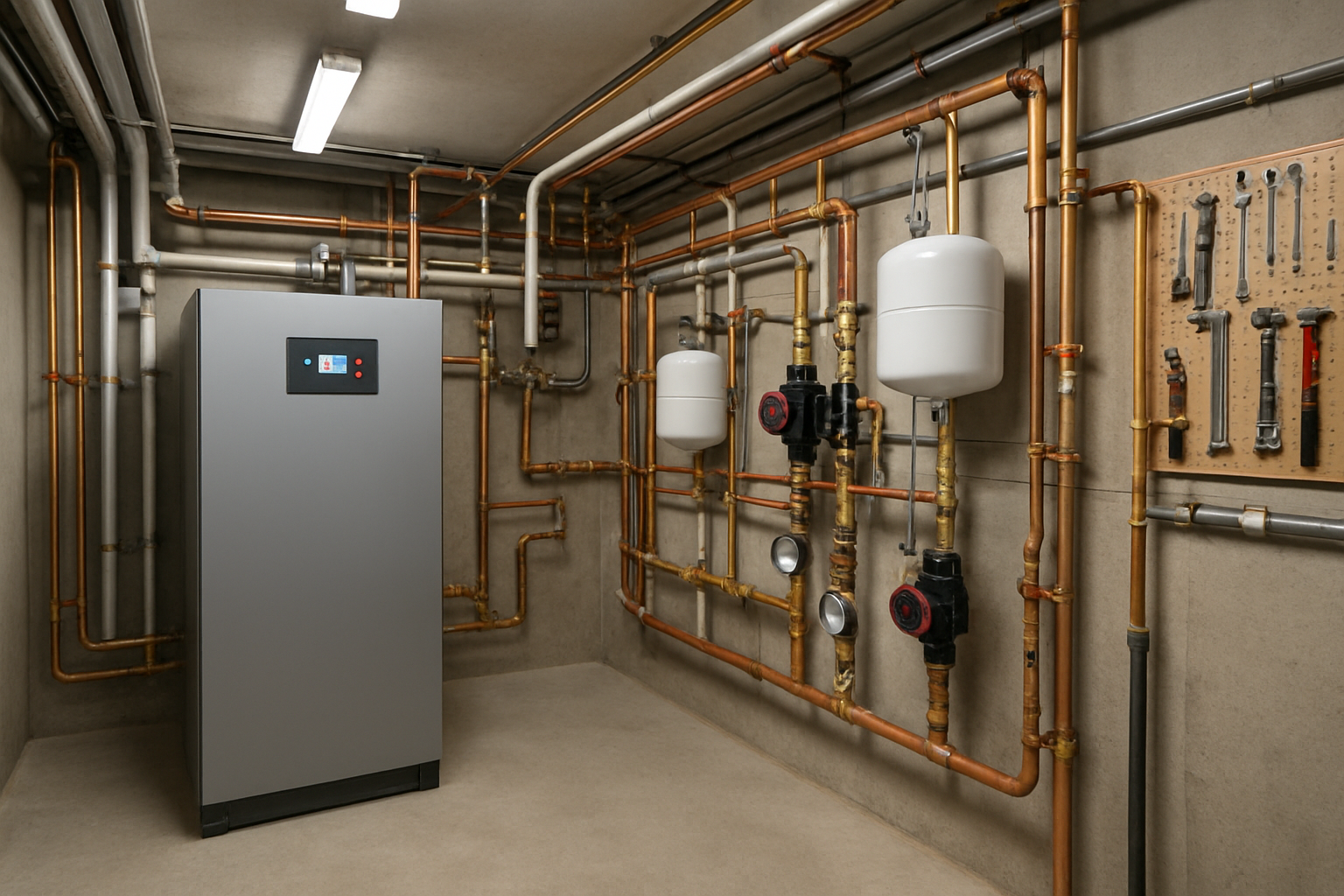
Your hydronic heating system has worked throughout another New England winter, and spring is a good time to note any problems and prepare for the next heating season. Simple cleaning and visual checks can be handled by homeowners, while boiler components, safety controls, system pressure, water quality, and equipment-specific shutdown procedures are best addressed according to manufacturer guidance and professional service recommendations.
If you noticed leaks, corrosion, pressure changes, unusual noises, uneven heating, or other performance problems this winter, addressing them during the warmer months can help you avoid waiting until the first cold weather to discover a problem. Keep a record of any symptoms you noticed so your technician has useful information when servicing the system.
Need help with your hydronic heating system? Contact UG Nasons to schedule service and address heating system concerns before the next heating season.