
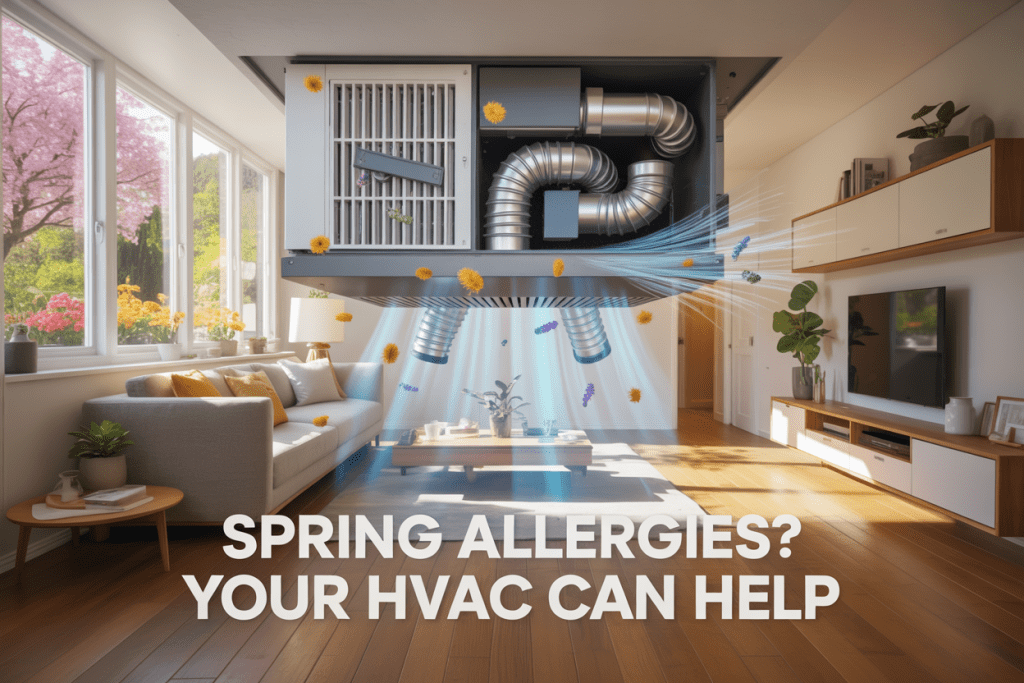
Spring is here, and if you’re one of the millions dealing with sneezing, watery eyes, and congestion, you know how miserable spring allergies can make life indoors. While you can’t control pollen counts outside, you have more power over your home’s air quality than you might think.
This guide is for homeowners who want to transform their living space into an allergy-safe haven using their existing HVAC system. Your heating and cooling system isn’t just about temperature control—with the right approach, it becomes your strongest ally in the fight against indoor allergen removal and spring allergy relief home.
We’ll walk you through how spring allergies HVAC systems work together, covering the essential HVAC upgrades air quality improvements that make the biggest difference, and the simple maintenance practices that keep your system running at peak allergy-fighting performance. You’ll also discover additional air filtration for allergies strategies that work alongside your HVAC system allergen control efforts.
By the end, you’ll have a clear roadmap for turning your home into the comfortable, breathable space you deserve this allergy season.
Understanding Spring Allergies and Their Impact on Your Home

Common spring allergens that invade indoor spaces
Your home becomes a battleground against invisible invaders every spring. Pollen from trees like oak, birch, and maple leads the charge, followed closely by grass pollens that peak in late spring and early summer. These microscopic particles don’t stay outdoors – they hitchhike on your clothes, pets, and shoes, settling into carpets, upholstery, and every corner of your living space.
Mold spores multiply rapidly in spring’s increased humidity, thriving in damp basements, bathrooms, and poorly ventilated areas. Dust mites also flourish during this season, feeding on dead skin cells and multiplying in bedding, furniture, and carpets. Even pet dander becomes more problematic as your furry friends shed their winter coats and spend more time outdoors, bringing additional allergens inside.
How outdoor pollutants enter your home through air circulation
Your home’s air circulation system acts like a highway for spring allergens HVAC professionals see every day. Open windows and doors create direct pathways for pollen and outdoor contaminants. Your HVAC system’s intake vents can pull in allergen-laden outdoor air, especially if filters are dirty or inadequate.
Air leaks around windows, doors, and ductwork allow pollen to sneak in continuously. Poor ventilation traps these particles inside, where they recirculate through your home’s air system. Every time your heating or cooling system runs, it can distribute allergens throughout multiple rooms, creating a cycle of indoor air quality problems that affects your entire household.
Health symptoms caused by poor indoor air quality
Poor indoor air quality turns your sanctuary into a source of suffering. You’ll experience persistent sneezing, runny nose, and congestion that seems worse indoors than outside. Itchy, watery eyes become constant companions, making it difficult to focus on work or enjoy family time.
Respiratory symptoms escalate quickly – coughing, wheezing, and shortness of breath can develop or worsen, particularly affecting family members with asthma. Sleep quality plummets as nasal congestion forces mouth breathing, leading to dry throat and disrupted rest patterns. You might notice increased fatigue, headaches, and difficulty concentrating as your body fights the constant allergic response.
Skin irritation often accompanies respiratory symptoms, with eczema flare-ups and general itchiness becoming more frequent. These symptoms create a domino effect, impacting your mood, productivity, and overall quality of life during what should be an enjoyable season.
The hidden costs of untreated seasonal allergies
Ignoring spring allergies HVAC maintenance can prevent costs you far more than just discomfort. Medical expenses pile up quickly – over-the-counter medications, prescription treatments, and doctor visits create ongoing financial strain. Emergency room visits for severe asthma attacks or allergic reactions can result in thousands of dollars in unexpected medical bills.
Lost productivity affects your earning potential as missed workdays and reduced performance impact your professional life. Children’s school attendance and academic performance suffer, potentially requiring tutoring or additional educational support. Your family’s sleep disruption leads to increased healthcare needs and reduced immune function.
Home maintenance costs escalate when allergens damage your HVAC system. Clogged filters force your system to work harder, increasing energy bills and accelerating component wear. Professional cleaning services become necessary more frequently to manage allergen buildup. Indoor Air Quality Solutions RI become essential investments to protect both your health and your home’s systems from the compounding effects of untreated seasonal allergies.
Your HVAC System’s Role in Fighting Allergens
How Air Filtration Systems Capture Airborne Particles
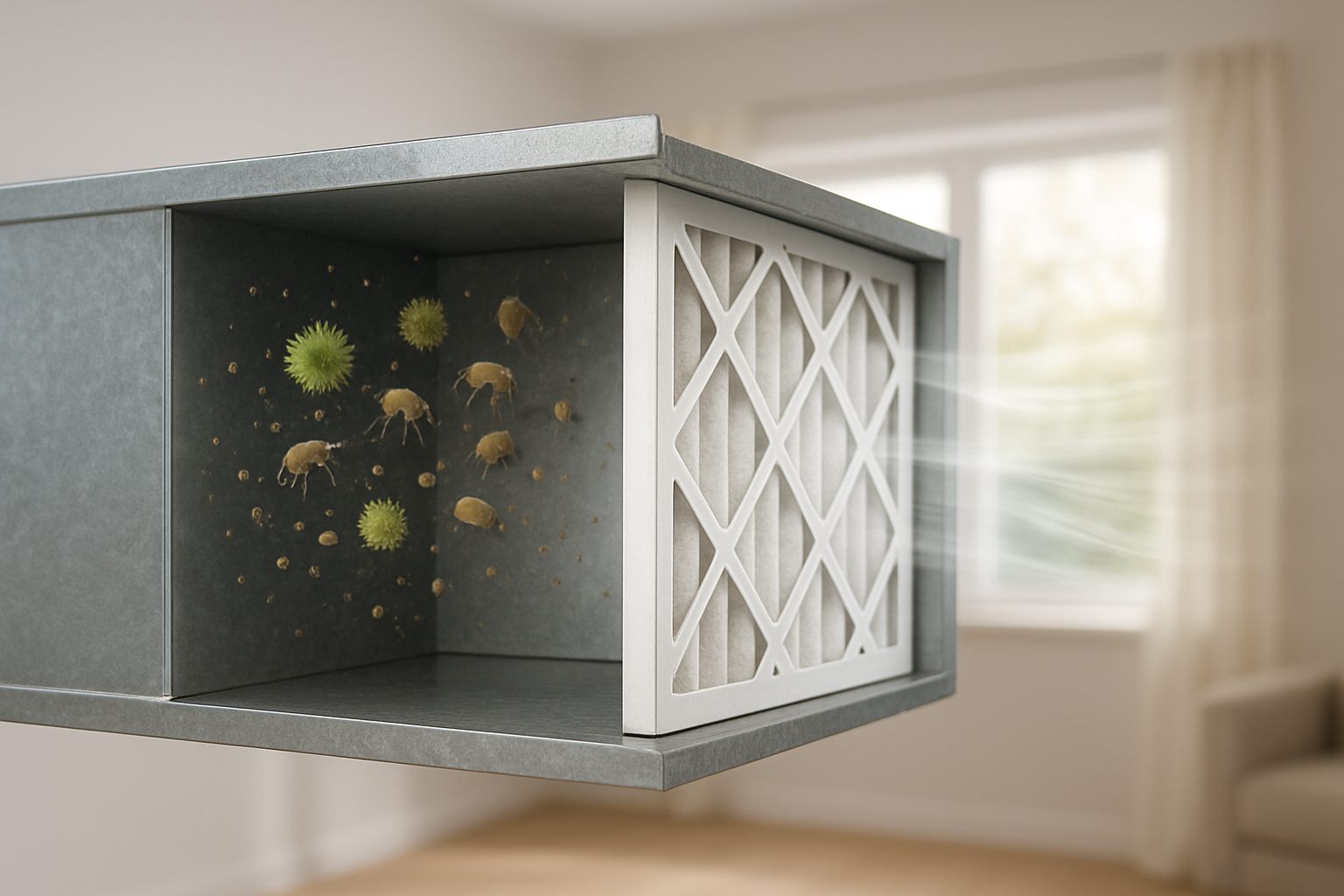
Your HVAC system acts as your home’s first line of defense against spring allergens through its air filtration capabilities. Every time your system cycles on, it pulls air from throughout your home through return ducts, forcing it through filters that trap pollen, dust mites, pet dander, and other microscopic particles before circulating clean air back into your living spaces.
Standard fiberglass filters capture larger particles, but upgrading to high-efficiency filters dramatically improves your indoor air quality improvement. HEPA filters can remove up to 99.97% of particles as small as 0.3 microns, while pleated filters with higher MERV ratings effectively catch smaller allergens that basic filters miss. The key is finding the right balance between filtration efficiency and airflow – too restrictive a filter can strain your system and reduce performance.
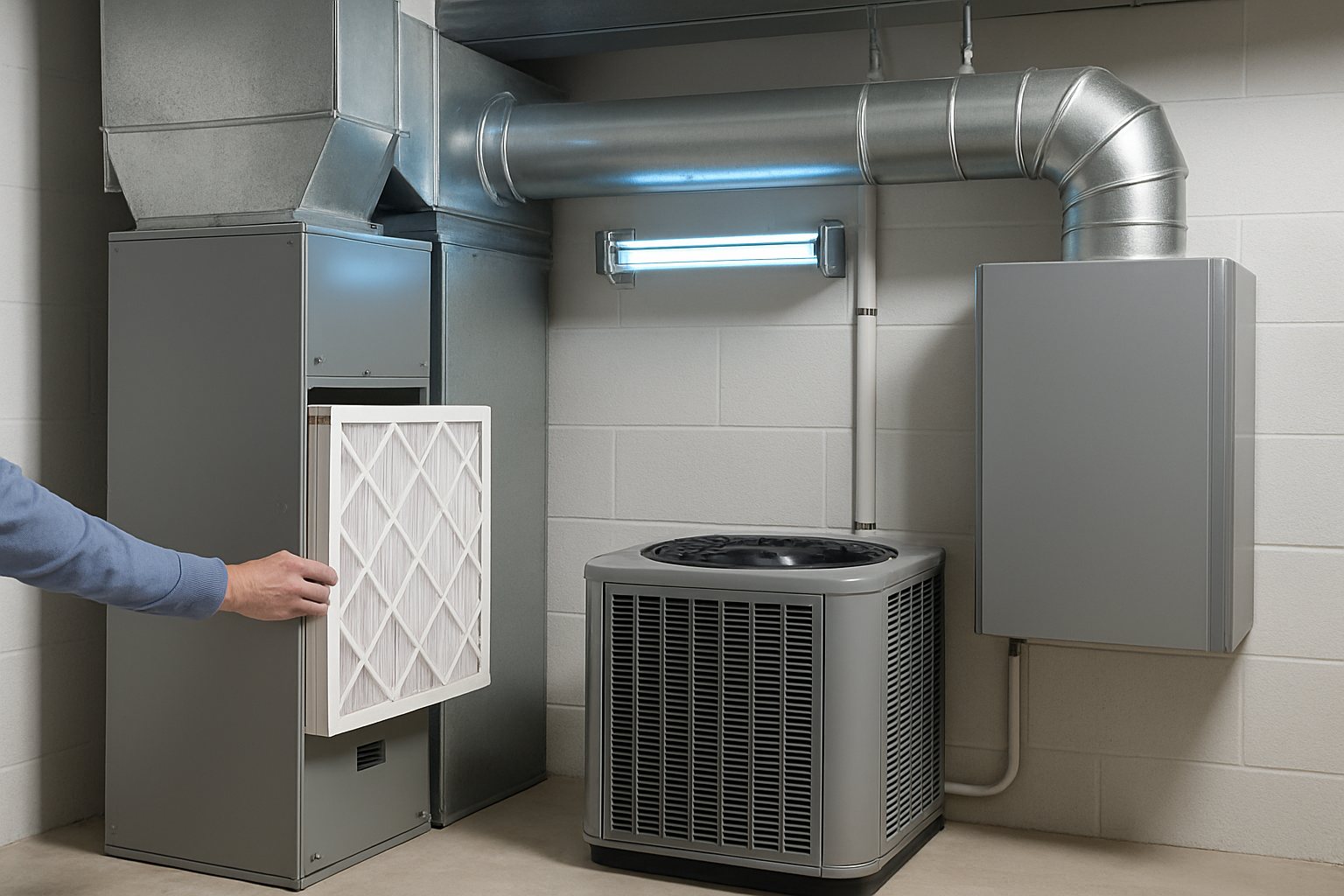
For maximum HVAC system allergen control, consider adding whole-home air purifiers that work alongside your existing filtration. These units use advanced technologies like UV lights or electronic filters to neutralize allergens and pathogens that traditional filters can’t eliminate. Choosing the right air filters becomes even more critical during allergy season when pollen counts soar.
Proper Ventilation Reduces Allergen Concentration Indoors
Your ventilation system plays a crucial role in diluting indoor allergen concentrations by continuously exchanging stale indoor air with filtered outdoor air. Without adequate ventilation, allergens become trapped and concentrated inside your home, creating a breeding ground for respiratory issues.
Modern spring allergies HVAC systems use controlled ventilation to maintain optimal air exchange rates. Energy recovery ventilators (ERVs) and heat recovery ventilators (HRVs) bring in fresh outdoor air while maintaining energy efficiency. These systems pre-condition incoming air, filtering out pollen and other outdoor allergens before they enter your living spaces.
Strategic ventilation timing makes a significant difference in allergy prevention HVAC effectiveness. Running your system’s fan continuously, rather than on auto mode, ensures constant air circulation and filtration. This approach keeps allergens from settling on surfaces and maintains consistent indoor air quality throughout your home.
Temperature and Humidity Control Prevents Allergen Growth
Temperature and humidity regulation directly impacts allergen proliferation in your home. Dust mites thrive in warm, humid conditions above 50% relative humidity, while mold growth accelerates in moisture-rich environments. Your HVAC system’s ability to maintain optimal conditions creates an inhospitable environment for these allergens.
Keeping indoor humidity between 30-50% significantly reduces dust mite populations and prevents mold growth. Your system’s dehumidification capabilities during cooling cycles help maintain these levels, but you might need supplemental dehumidification in particularly humid climates or poorly ventilated areas like basements.
Temperature consistency also matters for indoor allergen removal. Frequent temperature fluctuations can create condensation issues that promote mold growth and increase allergen circulation. Modern programmable thermostats help maintain steady temperatures while optimizing energy efficiency and allergen control throughout allergy season.
Essential HVAC Upgrades for Maximum Allergy Relief
High-efficiency particulate air filters that trap microscopic allergens
Your HVAC system’s standard filter might catch the big stuff, but spring allergies demand serious firepower. HEPA filters represent the gold standard for indoor air quality improvement, capturing 99.97% of particles as small as 0.3 microns. That means pollen, pet dander, dust mites, and even some bacteria don’t stand a chance.
When shopping for filters, you’ll see MERV ratings ranging from 1 to 16. For spring allergies HVAC protection, aim for MERV 11-13 filters. These strike the perfect balance between allergen removal and airflow efficiency. Going higher than MERV 13 in residential systems can actually strain your equipment and reduce efficiency.
Replace your high-efficiency filters every 30-60 days during allergy season. A clogged filter becomes counterproductive, forcing your system to work harder while letting allergens slip through. Mark your calendar or set phone reminders – your nose will thank you.
UV light purification systems eliminate bacteria and mold spores
UV-C light systems installed in your ductwork act like microscopic bouncers, destroying harmful microorganisms before they reach your living spaces. These systems target the DNA of bacteria, viruses, and mold spores, rendering them harmless without adding chemicals to your air.
Position UV lights near your evaporator coil where moisture creates perfect breeding conditions for mold. The constant exposure keeps coils clean and prevents that musty smell that often accompanies spring humidity. Most UV systems run 24/7, using minimal electricity while providing continuous protection.
Professional installation ensures proper placement and safety. UV-C light can damage skin and eyes, so these systems require careful positioning away from areas where you might accidentally expose yourself during maintenance.
Whole-house air purifiers provide comprehensive protection
Beyond filtration, whole-house air purifiers use advanced technologies like photocatalytic oxidation and ionization to neutralize airborne contaminants. These systems integrate directly into your existing ductwork, treating every cubic foot of air that circulates through your home.
Electronic air cleaners use charged plates to attract and trap particles, while some models combine multiple technologies for maximum effectiveness. You’ll notice the difference immediately – less dust on surfaces, reduced odors, and most importantly, easier breathing during peak allergy season.
Smart thermostats optimize air quality automatically
Modern smart thermostats do more than control temperature – they can monitor indoor air quality and adjust your HVAC system allergen control accordingly. Some models track humidity levels, filter life, and even outdoor pollen counts to optimize your system’s performance automatically.
Set up custom schedules that run your fan continuously during high-pollen days, ensuring constant air circulation and filtration. Smart systems can also remind you when filters need changing and alert you to potential air quality issues before they become problems.
Duct sealing prevents contaminated air infiltration
Even the best filtration system fails if contaminated air bypasses it entirely. Leaky ductwork allows unfiltered air from crawl spaces, attics, and wall cavities to enter your living spaces, carrying dust, allergens, and potentially mold spores.
Professional duct sealing using mastic or metal tape stops these leaks at the source. Indoor air quality solutions often start with addressing these hidden pathways that compromise your system’s effectiveness. Properly sealed ducts also improve energy efficiency by ensuring conditioned air reaches its intended destination rather than heating or cooling unused spaces.
Focus on sealing connections near your air handler, major trunk lines, and any ductwork in unconditioned spaces. This upgrade typically pays for itself through improved comfort and reduced energy costs while dramatically boosting your allergy prevention HVAC efforts.
Maintenance Practices That Boost Your System’s Allergy-Fighting Power
Regular Filter Replacement Schedules for Peak Performance
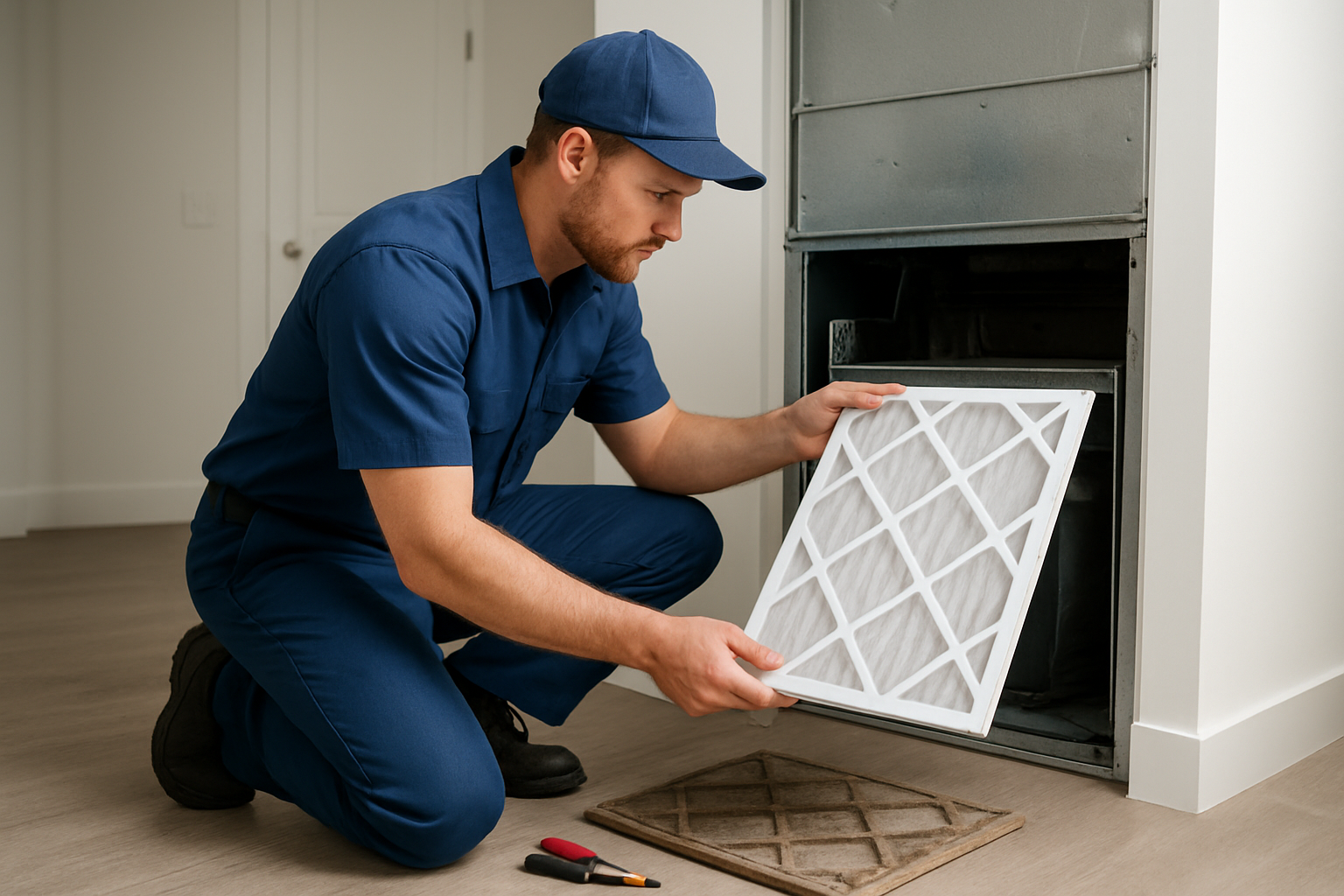
Your HVAC system’s air filter is your first line of defense against spring allergens, but only when it’s working at full capacity. Dirty, clogged filters can’t trap pollen, dust, and other airborne particles effectively, allowing them to circulate throughout your home.
Create a replacement schedule based on your filter type and home conditions. Standard 1-inch filters typically need changing every 1-3 months, while higher-efficiency pleated filters can last 3-6 months. If you have pets or live in a particularly pollen-heavy area, you’ll want to check your filters monthly and replace them more frequently.
Mark your calendar with specific replacement dates rather than trying to remember when you last changed them. During peak spring allergy season (March through May), consider stepping up your replacement schedule by 2-4 weeks to maintain optimal HVAC maintenance allergies protection.
Don’t wait until your filter looks visibly dirty – by that point, it’s already compromising your indoor air quality improvement efforts. A clean filter not only captures more allergens but also helps your system run more efficiently, reducing energy costs while keeping your family comfortable.
Professional Duct Cleaning Removes Accumulated Allergens
Your ductwork can become a highway for allergens, collecting years of dust, pollen, pet dander, and other particles that get stirred up every time your system runs. Professional duct cleaning removes this built-up contamination that regular filter changes can’t address.
Schedule duct cleaning every 3-5 years, or more frequently if you’ve noticed increased allergy symptoms or visible dust accumulation around your vents. A thorough cleaning process involves specialized equipment that reaches deep into your ductwork, removing allergens from every corner of your system.
The benefits extend beyond just spring allergies HVAC control. Clean ducts improve airflow, help your system operate more efficiently, and reduce the overall allergen load in your home. You’ll likely notice fresher-smelling air and less dust on your furniture within days of a professional cleaning.
Professional technicians can also identify damaged ductwork, loose connections, or areas where outside air might be infiltrating your system – all factors that can worsen your indoor allergen removal efforts.
Seasonal System Inspections Identify Potential Air Quality Issues
Spring tune-ups do more than just prepare your system for summer cooling – they’re essential for identifying air quality problems before they impact your family’s comfort. A comprehensive Spring HVAC Tune-Up Rhode Island inspection catches issues that could compromise your system’s ability to filter allergens effectively.
During these inspections, technicians check your system’s airflow, examine ductwork for leaks or damage, and verify that all components are working together to maintain optimal air filtration for allergies. They’ll also assess whether your current filtration setup is adequate for your home’s specific needs.
These seasonal checkups often reveal problems you might not notice on your own – like a partially blocked return air vent or a malfunctioning damper that’s affecting air circulation. Catching these issues early prevents them from becoming bigger problems that could leave you suffering through allergy season with poor indoor air quality.
Your technician can also recommend timing for other maintenance tasks, suggest upgrades that would benefit your specific situation, and help you develop a comprehensive strategy for year-round allergy prevention HVAC management. This proactive approach keeps your system running at peak performance when you need it most.
Additional Strategies to Maximize Indoor Air Quality Benefits

Strategic landscaping reduces allergen sources near your home
Your outdoor environment directly affects your indoor air quality, making smart landscaping choices a powerful weapon against spring allergens. Start by identifying and removing high-pollen plants near your home’s exterior walls, windows, and air conditioning units. Trees like oak, maple, and birch are notorious for releasing massive amounts of pollen, while grasses and weeds add to the problem.
Replace problematic plants with low-pollen alternatives. Female trees and shrubs produce little to no pollen, making them excellent choices for allergy-sensitive households. Consider planting boxwood, azaleas, or female holly varieties instead of high-pollen producers. Keep grass areas well-maintained and consider replacing traditional lawn grass with ground covers that don’t require frequent mowing.
Create buffer zones around your home by planting dense, leafy shrubs that can trap airborne particles before they reach your windows and HVAC intake vents. Position taller plants strategically to redirect wind patterns away from your home’s main living areas. Regular pruning and maintenance prevent overgrowth that can harbor mold and increase pollen production.
Proper home sealing techniques keep outdoor pollutants outside
Air leaks in your home’s envelope work against even the most advanced HVAC system allergen control by allowing unfiltered outdoor air to bypass your filtration systems. Focus on sealing common problem areas where allergens typically infiltrate your living space.
Weather stripping around doors and windows provides your first line of defense. Check and replace worn strips annually, paying special attention to areas that show visible gaps or damage. Caulk cracks around window frames, door jambs, and any penetrations through exterior walls where utilities enter your home.
Your attic and basement require particular attention since these areas often contain multiple air leakage points. Seal around recessed lighting fixtures, electrical boxes, and plumbing penetrations using appropriate materials for each application. Don’t forget about your fireplace damper – keep it closed when not in use to prevent outdoor air from entering through the chimney.
Indoor Air Quality Solutions RI can help identify and address specific sealing needs in your coastal home, where salt air and humidity create unique challenges for maintaining proper air barriers.
Indoor humidity management prevents dust mites and mold growth
Controlling moisture levels inside your home creates an environment where common allergens struggle to survive and multiply. Dust mites thrive in humidity levels above 50%, while mold begins growing when moisture levels consistently exceed 60%. Your goal is maintaining humidity between 30-50% year-round.
Your HVAC system plays a central role in humidity control through proper ventilation and dehumidification. Bathroom and kitchen exhaust fans should run during and after activities that generate moisture. Set timers to ensure fans operate long enough to remove excess humidity completely.
Consider installing a whole-house dehumidifier that works with your existing HVAC system to maintain consistent moisture levels throughout your home. These units automatically monitor and adjust humidity levels, providing more precise control than portable units while treating your entire living space simultaneously.
Monitor problem areas like basements, crawl spaces, and poorly ventilated rooms where moisture tends to accumulate. Use moisture meters to identify trouble spots before they become breeding grounds for mold and dust mites. Address water leaks immediately and improve ventilation in areas where humidity levels consistently run high.
Proper insulation also supports humidity control by preventing condensation on cold surfaces during temperature transitions. This becomes particularly important during spring months when outdoor temperatures fluctuate dramatically, creating conditions that can lead to moisture problems inside your home.
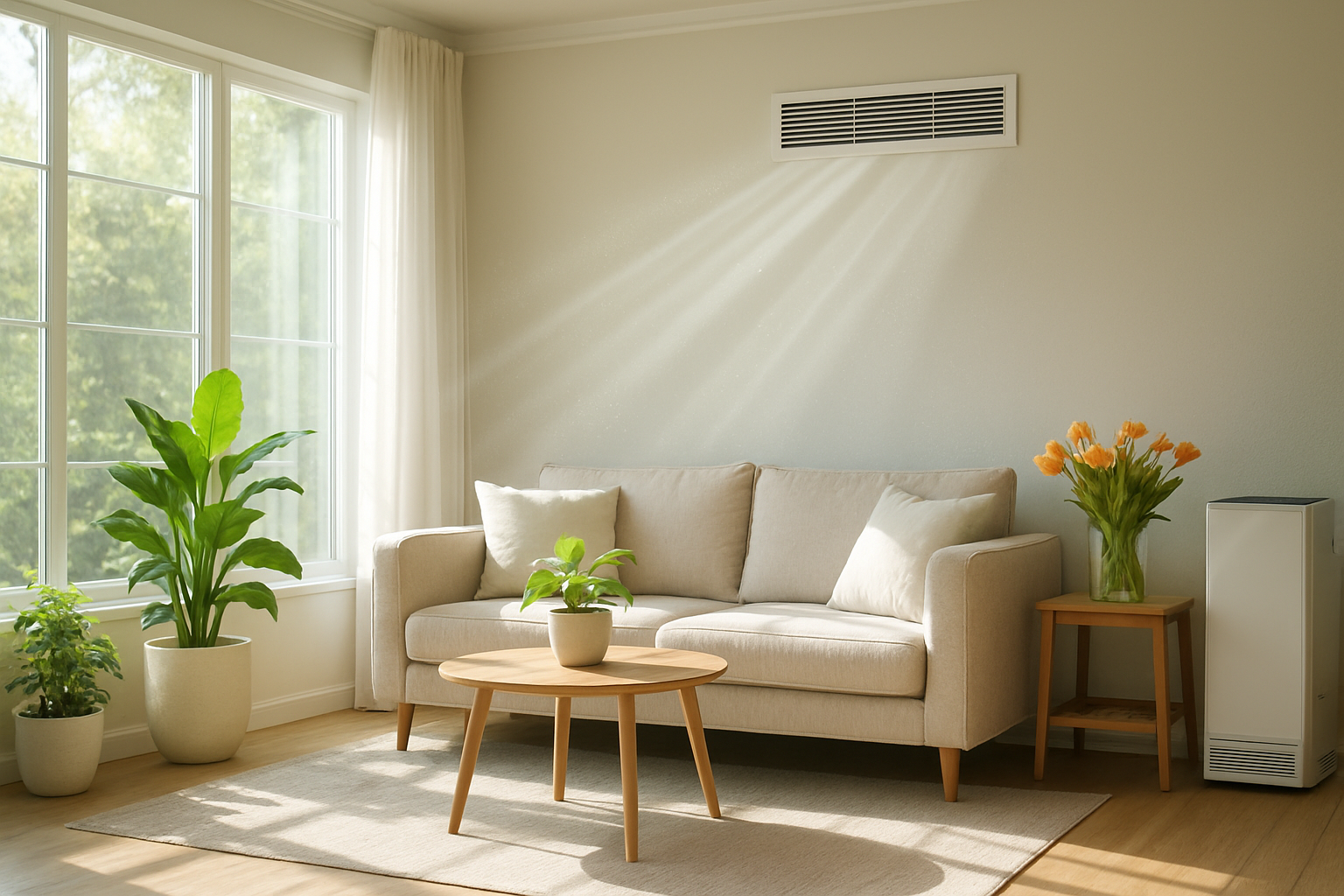
Your HVAC system can be your strongest ally in the fight against spring allergies. By upgrading to high-efficiency filters, installing UV lights, and keeping your ductwork clean, you’re creating a protective barrier that captures pollen, dust, and other irritating particles before they can make you miserable. Regular maintenance like changing filters monthly and scheduling professional tune-ups keeps your system running at peak performance when you need it most.
Don’t let spring allergies keep you trapped indoors or constantly reaching for tissues. Take action now by assessing your current HVAC setup and making the necessary improvements. Start with a simple filter upgrade, then work your way up to more advanced solutions like whole-home air purifiers or humidity controls. Your nose, eyes, and overall comfort will thank you for investing in cleaner, healthier indoor air that lets you actually enjoy the beautiful spring weather from the comfort of your own home.
Ready to make sure your home is comfortable and efficient this spring? Contact UG Nasons today for expert HVAC maintenance, upgrades, and emergency service across Rhode Island. Get in touch now!