
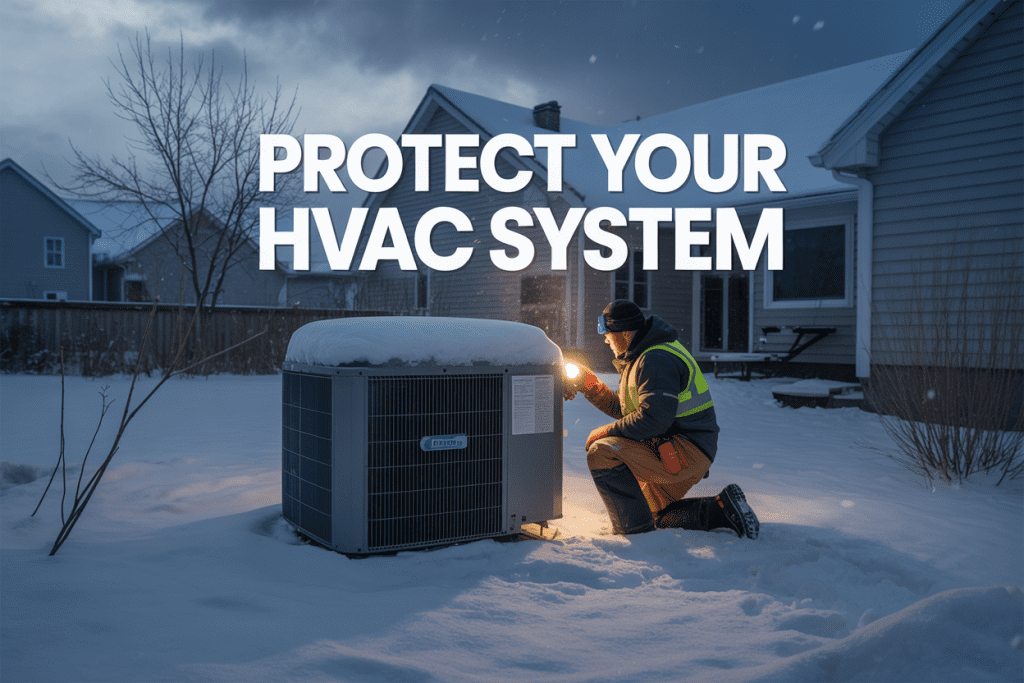
When temperatures plummet and winter storms hit your area, your HVAC system faces serious risks that can lead to costly breakdowns and emergency repairs. This guide is for homeowners who want to protect HVAC system cold weather damage and keep their heating running smoothly through the harshest conditions.
Frozen pipes, damaged outdoor units, and system failures don’t have to catch you off guard. With the right HVAC freeze protection strategies, you can winterize HVAC system components before trouble starts and know exactly what to do when extreme cold threatens your equipment.
We’ll walk you through pre-season preparation steps that set your system up for success, outdoor unit winter protection techniques that shield your equipment from ice and snow, and emergency response strategies for those middle-of-the-night breakdowns. You’ll also learn how to assess your system after severe weather passes and spot potential issues before they turn into expensive repairs.
Pre-Cold Season HVAC System Preparation
Schedule Professional Maintenance and Inspection
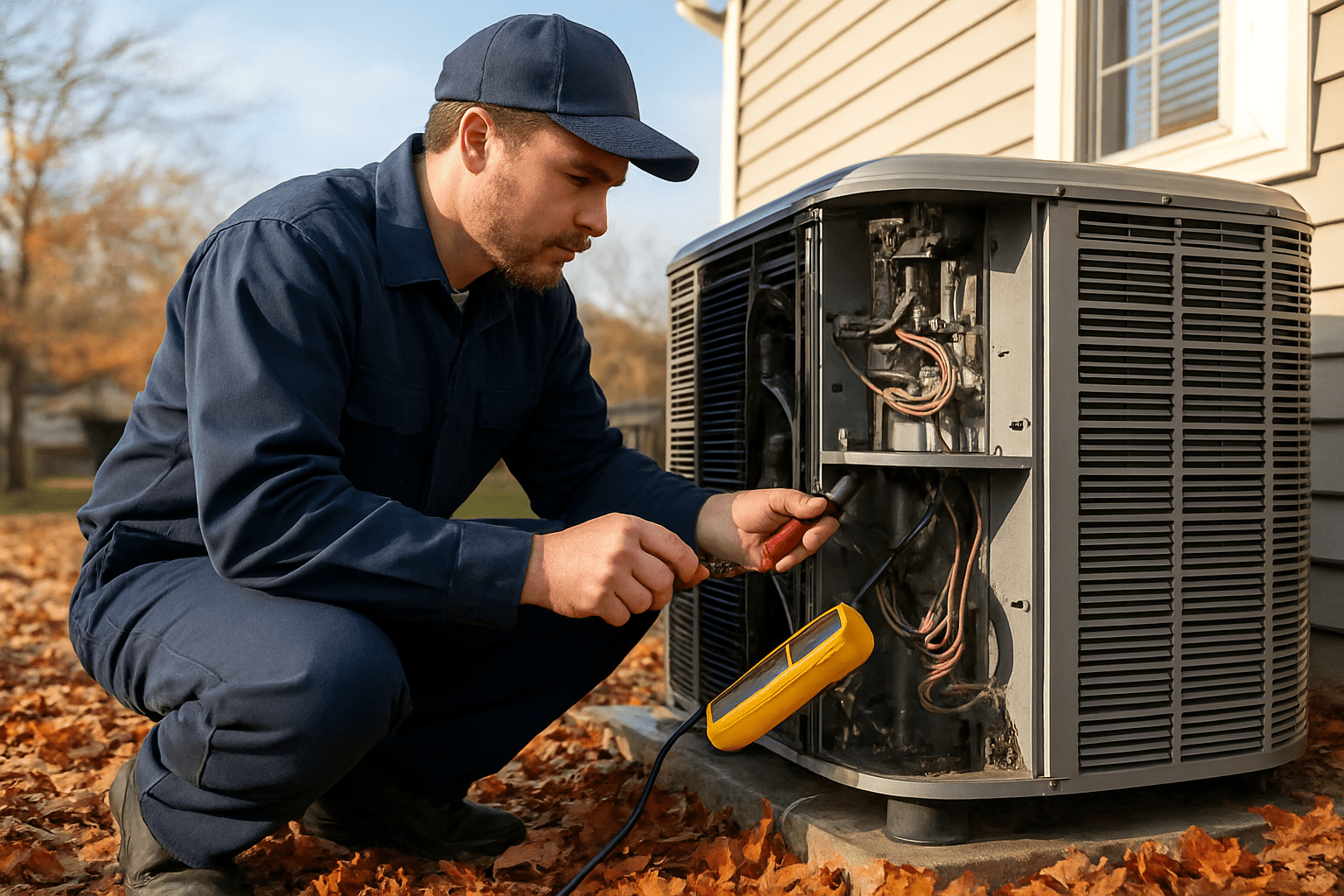
Book your annual HVAC inspection at least 6-8 weeks before winter hits. Professional technicians can spot potential problems that might leave you shivering during the coldest months. During this service, they’ll check refrigerant levels, inspect electrical connections, clean coils, and test safety controls. Your technician will also examine the heat exchanger for cracks, which can be dangerous if left unaddressed.
Don’t wait until temperatures drop to discover your heating system has issues. A comprehensive Fall HVAC Checklist Rhode Island ensures your system runs efficiently when you need it most. Professional maintenance typically includes lubricating moving parts, tightening electrical connections, and calibrating your thermostat for accurate temperature control.
Replace Air Filters for Optimal Airflow
Dirty air filters force your HVAC system to work harder, especially during extreme cold when heating demands peak. Replace your filters every 1-3 months, depending on your home’s conditions and filter type. High-efficiency filters capture more particles but may need more frequent changes to prevent airflow restrictions.
During winter preparation, install fresh filters to ensure maximum airflow efficiency. Clogged filters can cause your system to overheat or freeze up, leading to costly repairs. Mark your calendar for regular filter changes throughout the winter season. Choosing the right air filters becomes even more important during winter months when indoor air quality matters most.
Check and Seal Ductwork for Energy Efficiency
Inspect your ductwork for leaks, gaps, or damaged insulation before cold weather arrives. Sealed ducts prevent heated air from escaping into unconditioned spaces like crawlspaces or attics. Use duct sealant or professional-grade tape to close small gaps, but call professionals for major repairs.
Poor ductwork can waste up to 30% of your heating energy, forcing your system to work overtime during cold snaps. Check that dampers open and close properly, and clear any obstructions from vents and registers. Proper ductwork maintenance helps protect your HVAC system from overworking during extreme temperatures.
Test Thermostat Settings and Battery Backup
Program your thermostat for efficient winter operation before the cold season begins. Set reasonable temperatures that balance comfort with energy efficiency – typically 68°F during the day and 65°F at night. Test all heating modes and fan settings to confirm everything works correctly.
Replace thermostat batteries if your unit uses them, even if they seem fine. Dead batteries during a cold snap can leave you without heat when you need it most. Consider upgrading to a programmable or smart thermostat that can optimize heating schedules and alert you to system problems before they become emergencies.
Essential Outdoor Unit Protection Measures
Clear Snow and Ice Buildup from Equipment
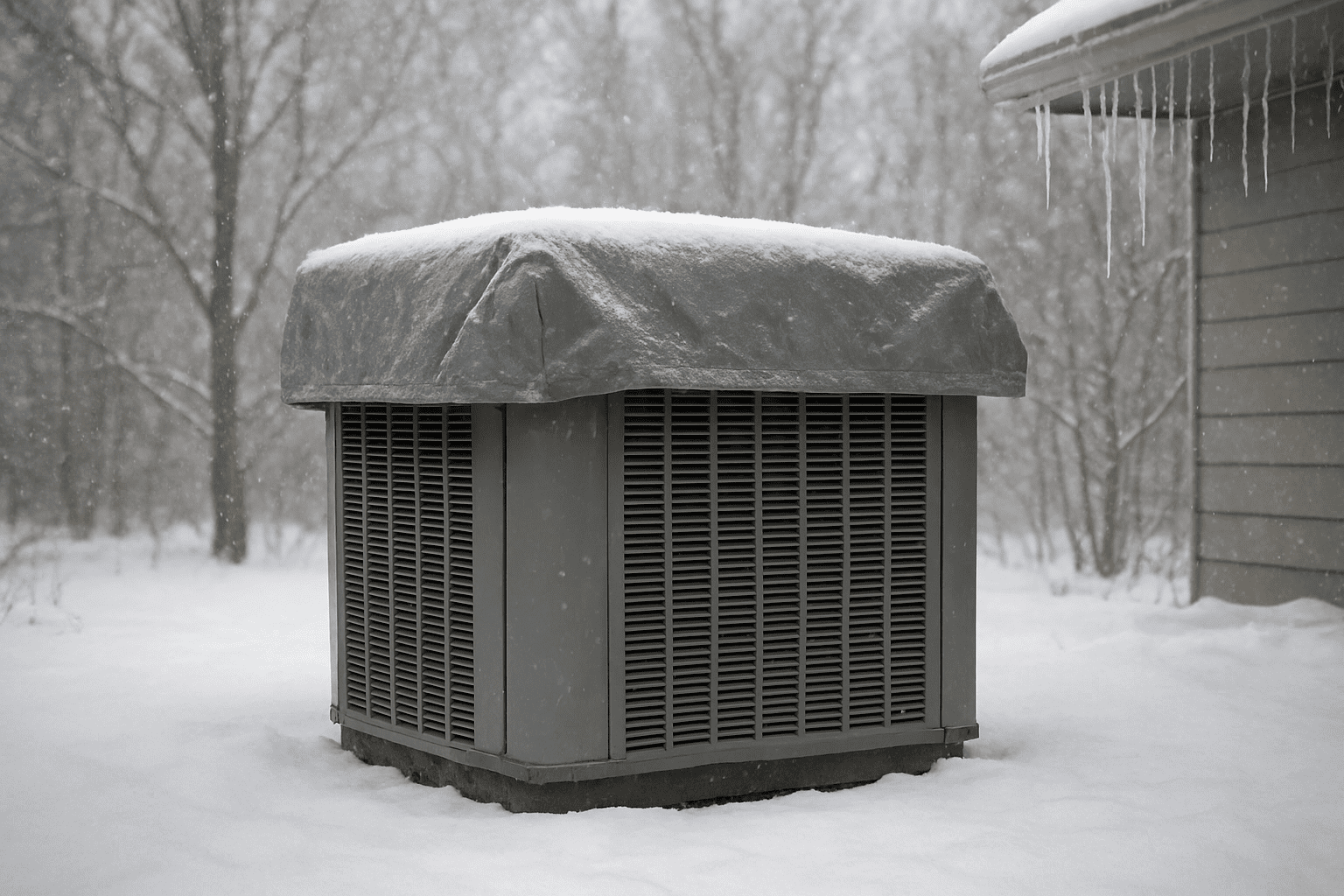
Your outdoor HVAC unit can quickly become a victim of winter weather if you don’t stay on top of snow and ice removal. Heavy snow accumulation around your unit restricts airflow and forces your system to work harder, potentially leading to costly repairs or complete system failure during the coldest days when you need heat most.
Check your outdoor unit every few hours during active snowfall. Remove snow buildup that’s more than 2-3 inches deep around the unit’s perimeter, maintaining at least 18 inches of clearance on all sides. Use a soft brush or broom rather than a shovel to avoid damaging the delicate fins and coils. Never use hot water to melt ice, as the rapid temperature change can crack components and cause expensive damage.
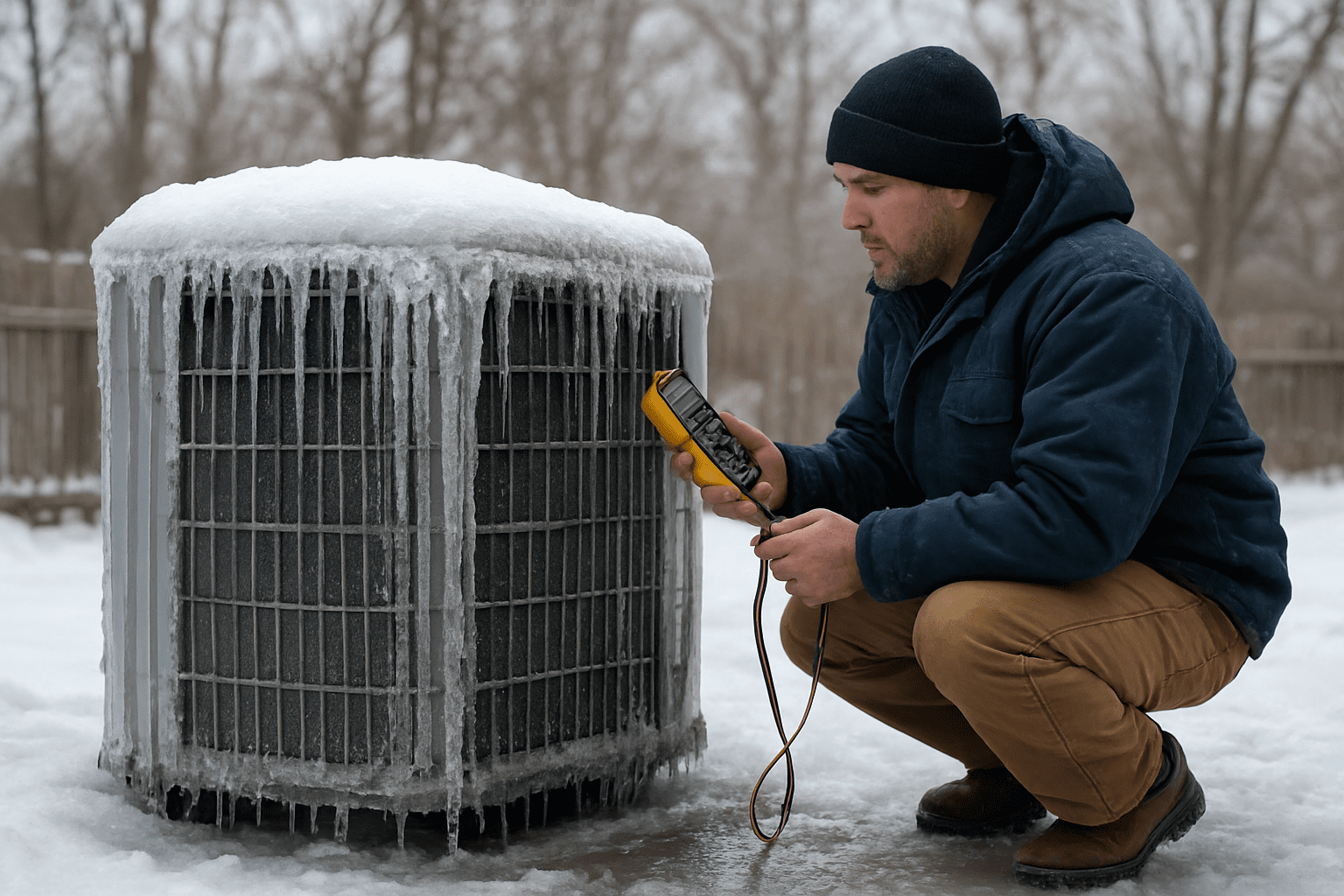
Pay special attention to the top of your unit where snow can block the fan and create dangerous ice dams. If ice forms on the coils, turn off your system and let it thaw naturally before restarting. Attempting to chip away ice can puncture refrigerant lines and leave you without heat during a cold snap.
Install Wind Barriers to Shield from Harsh Elements
Brutal winter winds can wreak havoc on your outdoor HVAC equipment, reducing efficiency and potentially causing freeze damage to critical components. Installing strategic wind barriers around your unit creates a protective microclimate that helps maintain optimal operating conditions even during the harshest weather.
Position barriers 3-4 feet away from your unit on the sides where prevailing winds typically hit. Temporary plywood panels, tarps stretched between stakes, or decorative lattice screens work well as emergency solutions. Make sure your barriers don’t block the top or intake areas – your unit still needs proper airflow to function correctly.
For permanent protection, consider installing a three-sided windscreen or decorative fence around your unit. These structures should be tall enough to deflect wind over the unit but not so tall that they create a dead air pocket. Professional HVAC maintenance includes assessing your outdoor unit’s exposure to harsh elements and recommending appropriate wind protection strategies.
Elevate Units Above Ground Level to Prevent Freezing
Ground-level HVAC units face unique challenges during extreme cold snaps, including ground frost that can freeze condensate drains and snow drifts that completely bury equipment. Proper elevation protects your investment and ensures reliable operation throughout winter.
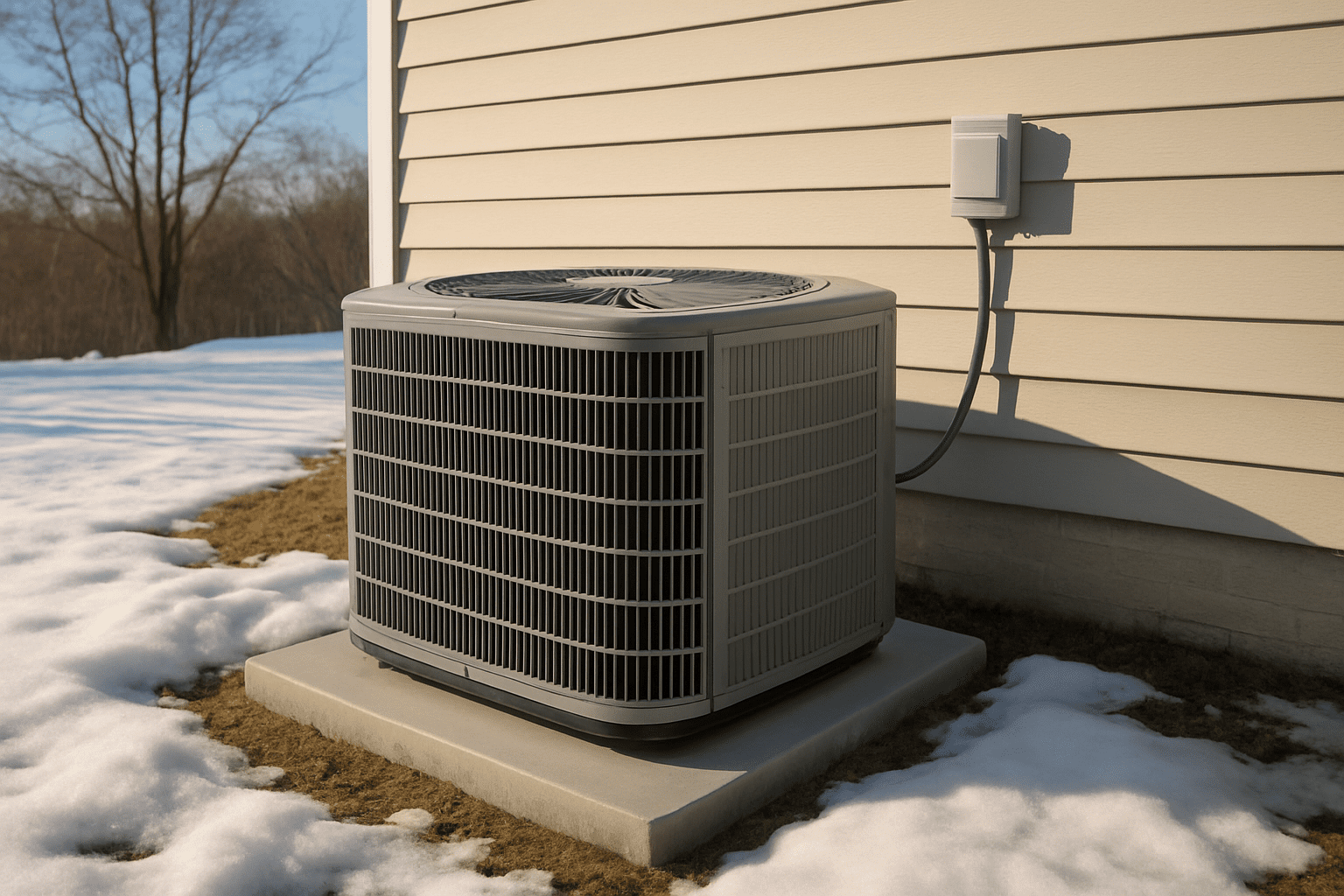
Your outdoor unit should sit on a stable platform at least 6-8 inches above ground level. Concrete pads work best because they provide solid support and excellent drainage. If your unit currently sits directly on the ground or on blocks that have settled, now’s the time to address this vulnerability before the next cold snap hits.
For heat pump owners, elevation becomes even more critical. Heat pumps generate condensate even in cold weather, and this moisture needs somewhere to go. A properly elevated unit with good drainage prevents ice buildup around the base that can damage the unit and reduce efficiency. If water pools around your unit during milder winter days, you’ll likely face serious freeze damage when temperatures drop below freezing.
Consider adding a drainage system around elevated units in areas prone to heavy snow or ice accumulation. Simple gravel beds or French drains can channel water away from your equipment and prevent the freeze-thaw cycles that damage HVAC components over time.
Indoor System Safeguards During Freezing Temperatures

Maintain Consistent Temperature Settings to Prevent System Strain
Your HVAC system works hardest when you constantly adjust the thermostat during extreme cold. Set your temperature between 68-70°F and resist the urge to crank it higher when temperatures plummet. Large temperature swings force your system to work overtime, increasing the risk of component failure and higher energy bills.
Avoid dropping the temperature at night by more than 2-3 degrees. While you might save money during milder weather with aggressive setbacks, extreme cold makes recovery periods incredibly taxing on your equipment. Your system may run continuously for hours trying to reach your desired temperature, putting unnecessary stress on the compressor, blower motor, and other critical components.
If you have a smart thermostat, program gradual temperature changes rather than sudden jumps. This allows your HVAC system to maintain steady operation and prevents the freeze protection mechanisms from triggering unnecessarily.
Keep Interior Doors Open for Proper Air Circulation
Closed doors create pressure imbalances that can seriously compromise your HVAC system’s efficiency during cold snaps. When you shut off rooms, you restrict airflow and force your system to work harder to maintain temperature in the remaining spaces.
Open all interior doors throughout your home, including bedroom, bathroom, and closet doors. This simple step helps maintain balanced air pressure and ensures warm air reaches every corner of your house. Without proper circulation, some areas may become significantly colder, causing your system to run longer cycles and potentially freeze up.
Pay special attention to rooms with return air vents. Blocking these areas forces your system to pull air from wherever it can find it, often through gaps and cracks that introduce cold outdoor air directly into your ductwork.
Monitor System Performance for Warning Signs
During extreme cold, watch for these critical warning signs that indicate your system is struggling:
- Unusual sounds: Grinding, squealing, or rattling noises often signal mechanical stress
- Reduced airflow: Weak air coming from vents suggests blockages or system strain
- Ice formation: Frost or ice on indoor components indicates serious problems
- Frequent cycling: Short, rapid on-off cycles mean your system can’t maintain temperature efficiently
- Cold spots: Rooms that won’t warm up despite continuous operation
Check your outdoor unit every few hours during severe weather. If you notice ice buildup on the coils or refrigerant lines, your system may be entering defrost mode more frequently than normal. While some ice is expected, excessive accumulation requires immediate attention.
Monitor your energy usage through your utility app or smart meter. Sudden spikes in consumption during consistent outdoor temperatures often indicate your system is working inefficiently and may need professional intervention.
Use Supplemental Heating Sources Safely When Needed
When temperatures drop below your HVAC system’s effective range, supplemental heating can reduce strain on your primary system. Space heaters, fireplaces, and radiant heaters can warm specific areas without forcing your central system to work beyond its capacity.
Place electric space heaters in rooms you use most frequently, but never use them as a complete replacement for your HVAC system. Keep your central system running at a reduced temperature (around 65°F) to prevent pipes from freezing and maintain baseline comfort throughout your home.
Safety guidelines for supplemental heating:
- Keep space heaters at least 3 feet from flammable materials
- Never use extension cords with high-wattage heaters
- Turn off space heaters when leaving rooms unattended
- Ensure proper ventilation if using fuel-burning supplemental heaters
- Install carbon monoxide detectors near any combustion appliances
Avoid using your oven or stovetop for heating. These appliances aren’t designed for space heating and create serious safety hazards, including carbon monoxide poisoning and fire risks.
For homes with heat pumps, supplemental heating becomes especially important when outdoor temperatures drop below the system’s effective operating range. Rather than forcing your heat pump to struggle inefficiently, strategic use of backup heating maintains comfort while protecting your investment in your primary HVAC equipment.
Emergency Response Strategies for System Failures
Identify When to Call Professional Help Immediately
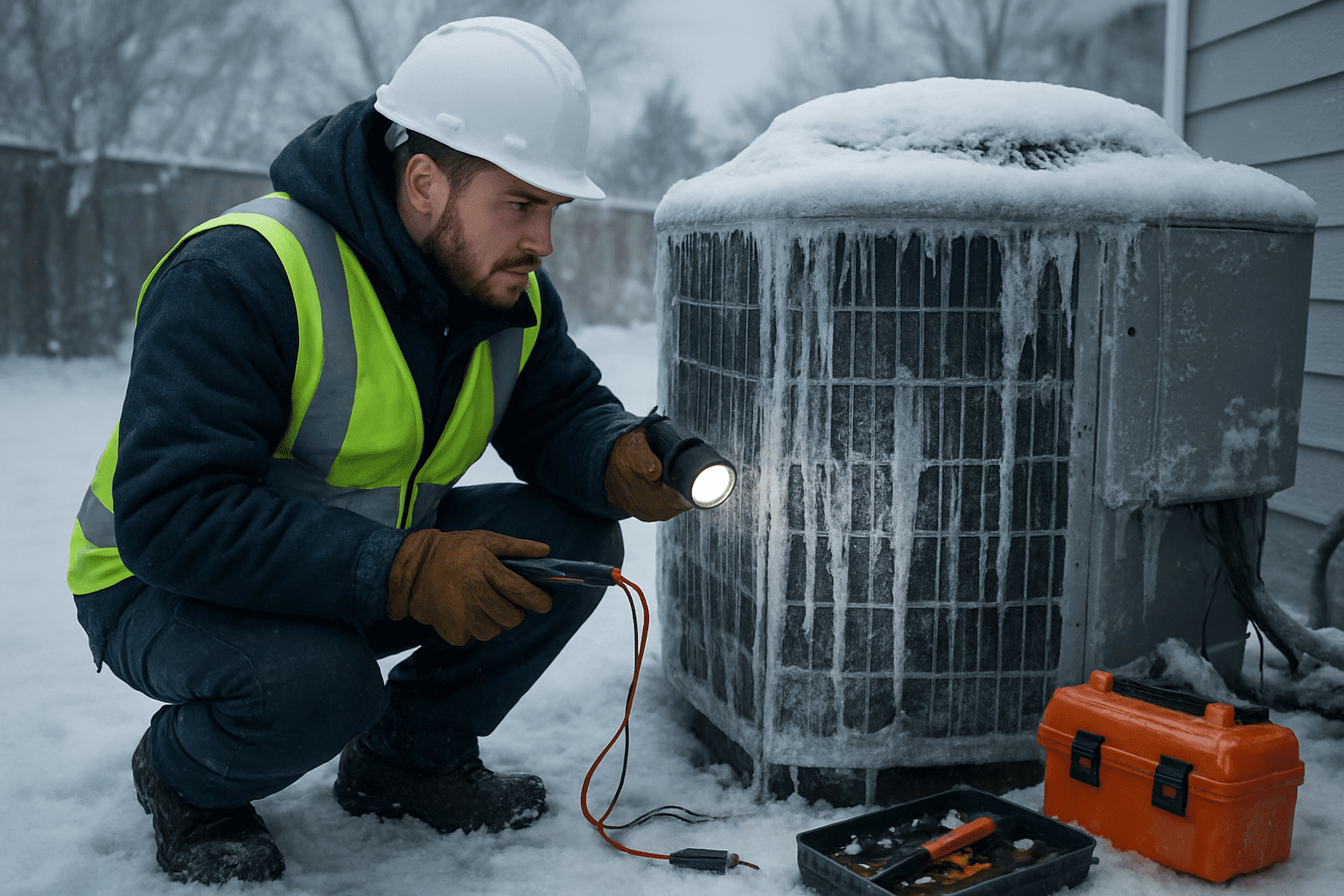
When your HVAC system fails during extreme cold, certain situations require immediate professional intervention. If you experience complete heating system shutdown, strange smells like gas or burning, unusual noises such as grinding or banging, or visible damage to outdoor units, don’t attempt DIY repairs. Water leaks around your system, ice buildup covering your entire outdoor unit, or electrical issues like sparking also demand professional emergency HVAC repair winter services.
Your safety comes first—carbon monoxide detectors going off, gas odors, or electrical problems should trigger an immediate call to both emergency services and your HVAC contractor. Similarly, if your backup heating sources aren’t maintaining indoor temperatures above 55°F, you’re facing potential pipe freezing risks that require urgent professional attention.
Implement Temporary Heating Solutions to Prevent Pipe Freezing
While waiting for professional help, you need to prevent HVAC freezing and protect your plumbing. Space heaters become your primary defense—position them strategically in areas with exposed pipes like basements, crawl spaces, and bathrooms. Always follow manufacturer guidelines and never leave them unattended.
Open cabinet doors under sinks to allow warm air circulation around pipes. Run faucets at a slight drip to keep water moving through the system. Focus on faucets connected to exterior walls or those in unheated areas. Seal off unused rooms to concentrate heat in occupied spaces, and use towels or blankets to block drafts around windows and doors.
Consider these temporary heating options:
- Portable electric heaters – Safe for most spaces when used properly
- Kerosene heaters – Effective but require proper ventilation
- Propane heaters – Good for larger spaces, need adequate airflow
- Heat lamps – Ideal for protecting specific pipe areas
Never use outdoor grills, camping stoves, or ovens for heating—these create carbon monoxide risks. How to Prevent Frozen Pipes: Winter Plumbing Tips from UGNasons provides detailed strategies for protecting your plumbing during HVAC emergencies.
Document System Issues for Insurance and Warranty Claims
Proper documentation protects your financial interests when dealing with cold weather HVAC damage. Start by photographing your system before, during, and after the cold snap. Take clear images of ice damage, visible component problems, and any water damage resulting from system failures.
Record detailed information about the failure:
| Documentation Type | What to Include |
|---|---|
| Timeline | When problems started, temperature conditions, duration of issues |
| Symptoms | Specific sounds, smells, performance changes |
| Actions Taken | Emergency measures, temporary solutions used |
| Professional Contact | Service calls made, technician names, work performed |
Keep all receipts for emergency repairs, temporary heating costs, and property damage. Many insurance policies cover sudden HVAC failures, but you’ll need proof of the cause and timeline. Warranty claims also require documentation showing the failure wasn’t due to negligence or lack of maintenance.
Contact your insurance company immediately after discovering damage, even if you’re unsure about coverage. Some policies have strict reporting timeframes. Take video recordings while explaining the situation—this creates a comprehensive record that’s harder to dispute than photos alone.
Store all documentation digitally and physically. Email copies to yourself and keep hard copies in a separate location. This redundancy ensures you won’t lose critical information if additional damage occurs to your property.
Post-Cold Snap Recovery and System Assessment
Inspect for Freeze Damage and Component Wear
After surviving a brutal cold snap, your HVAC system deserves a thorough inspection to catch any damage before it becomes a major problem. Start with your outdoor unit, looking for visible signs of ice damage or warping on the housing, coils, and fan blades. Check for loose or disconnected electrical connections that extreme temperatures might have affected.
Your refrigerant lines need special attention – look for any cracks, splits, or unusual frost buildup that could signal leaks. Ice formation can cause significant stress on these components, leading to costly repairs if left unaddressed. Pay close attention to the condenser coils, as ice expansion can bend or damage the delicate fins, reducing your system’s efficiency.
Don’t overlook indoor components either. Examine your ductwork for any signs of condensation damage or separation at joints. Cold weather can cause materials to contract and expand, potentially loosening connections. Check your air handler for unusual sounds or vibrations that might indicate damaged bearings or motor components stressed by overworking during the cold period.
Reset System Settings for Normal Operations
Once you’ve completed your damage assessment, it’s time to restore your system to regular operating parameters. If you switched to emergency heat during the cold snap, gradually transition back to your normal heat pump operation. This prevents sudden strain on components that have been working overtime.
Review your thermostat settings and remove any temporary adjustments you made during the extreme weather. Smart thermostats often retain emergency settings, so manually reset them to your standard programming schedule.
Replace your air filter if it became clogged during heavy system use – extreme cold often forces your HVAC system to run continuously, causing filters to accumulate debris faster than normal. A clean filter helps your system return to peak efficiency as temperatures normalize.
Check that all vents and registers are fully open and unobstructed. During cold snaps, you might have closed off certain areas to concentrate heat, but normal operations require proper airflow throughout your home.
Schedule Follow-up Maintenance to Address Any Issues
Professional assessment becomes important after your system weathers severe cold conditions. Even if everything appears normal during your initial inspection, subtle damage or wear might not be immediately visible. Schedule a comprehensive maintenance visit within a few weeks of the cold snap to ensure your system’s long-term reliability.
A qualified technician can test refrigerant levels, electrical connections, and motor performance more thoroughly than visual inspection allows. They’ll also check for micro-cracks in heat exchangers or other components that extreme temperature fluctuations might have compromised.
Use this opportunity to address any performance issues you noticed during the cold weather. If certain rooms stayed consistently cold or your energy bills spiked dramatically, these problems often become more apparent during extreme conditions and need professional attention.
Consider this maintenance visit as preventive care rather than reactive repair. Proper HVAC maintenance helps identify potential problems before they cause system failures during the next weather emergency, saving you money and keeping your family comfortable year-round.
Your HVAC system faces its biggest challenges when temperatures drop to dangerous lows. The steps you take before, during, and after extreme cold snaps can mean the difference between a warm, comfortable home and costly emergency repairs. By preparing your outdoor unit with proper covers and clearances, maintaining your indoor system with filter changes and thermostat adjustments, and knowing how to respond when problems arise, you’re setting yourself up for success during winter’s worst days.
Don’t wait until the weather forecast shows sub-zero temperatures to start thinking about protection. Make HVAC winterization part of your regular home maintenance routine, just like checking smoke detectors or cleaning gutters. Your heating system works hard enough during normal winter conditions – giving it the extra support it needs during extreme weather will keep your family comfortable and your energy bills manageable. Take action now to protect your investment and avoid the stress of dealing with a broken heater when you need it most.
Don’t let extreme cold catch you off guard—protect your HVAC system and your comfort! If you’re unsure your system is ready for subzero temps, contact UGNasons for a full winter checkup or emergency service. Visit ugnasons.com, call (401) 847-2497, or email [email protected] for expert help.